
Are you a woman struggling to get a good night’s sleep? If so, you’re not alone. Sleep is crucial for our overall well-being, yet many women find themselves tossing and turning, unable to find that much-needed rest. But fear not, for we have compiled a list of top tips that will help you improve your sleep quality and wake up feeling refreshed and rejuvenated. From establishing a bedtime routine to creating a sleep-friendly environment, these tips are designed specifically with women in mind. So say goodbye to restless nights and hello to a better, more restful sleep.
Create a Sleep Routine
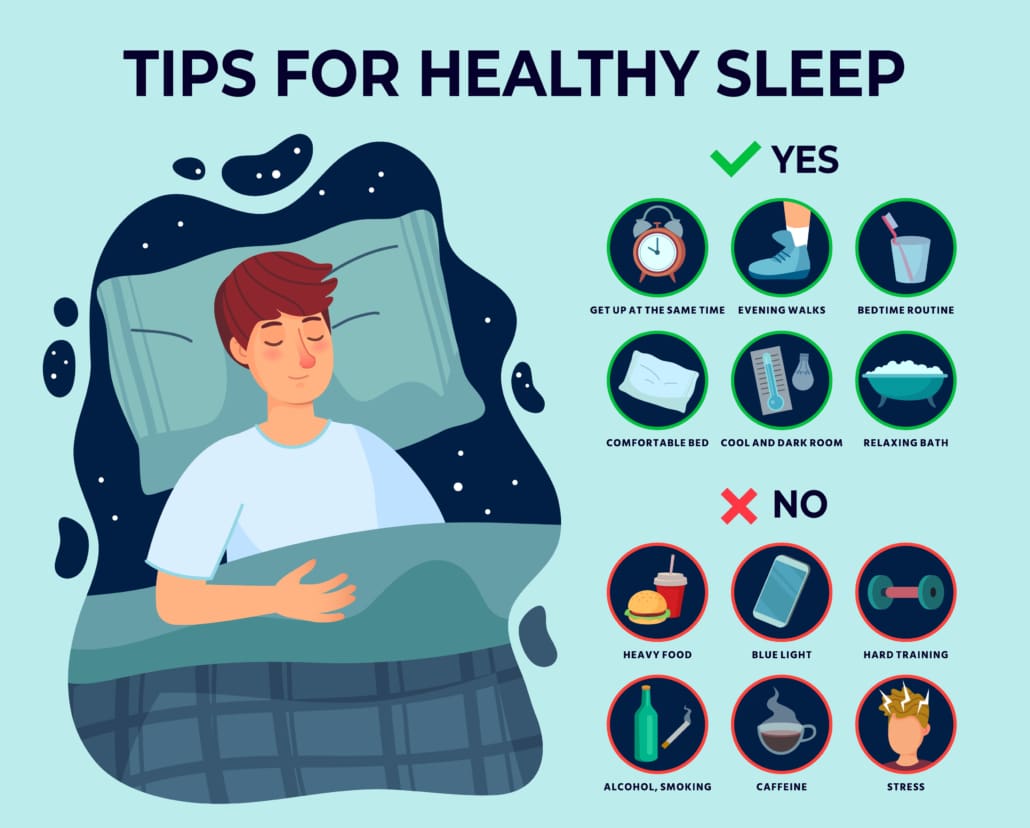
A consistent bedtime is key to improving your sleep quality. By going to bed and waking up at the same time every day, even on weekends, you can regulate your body’s internal clock and establish a healthy sleep routine. Aim for at least 7-9 hours of uninterrupted sleep each night to ensure optimal rest.
To further enhance your sleep routine, create a relaxing bedtime routine. Engage in activities that promote relaxation, such as taking a warm bath, reading a book, or practicing gentle stretches. By consistently following this routine, you signal to your body that it’s time to wind down and prepare for sleep.
It’s also important to avoid stimulating activities before bed. This includes avoiding the use of electronic devices, such as smartphones or tablets, as the blue light emitted from these devices can interfere with your sleep. Instead, opt for calming activities, such as listening to soothing music or practicing meditation, to help you unwind before bed.
Manage Your Environment
The environment in which you sleep plays a significant role in the quality of your sleep. Create a sleep-friendly environment that promotes relaxation and comfort. Choose a comfortable mattress and pillow that adequately support your body and alleviate any discomfort or pain. Experiment with different bedding materials and textures to find what works best for you.
Darkening the room is crucial for better sleep. Use blackout curtains or blinds to block out any external light sources that may disrupt your sleep. Consider using an eye mask if light still filters into your room. Additionally, minimize noise by using earplugs or a white noise machine to create a quiet and peaceful sleeping environment.
Temperature can also impact sleep quality. Keep your bedroom at a cool temperature, around 65-68 degrees Fahrenheit, to promote optimal sleep. Experiment with different bedding materials to find what keeps you comfortable and regulates your body temperature throughout the night.
Limit Caffeine and Alcohol
Caffeine is a stimulant that can interfere with your ability to fall asleep and stay asleep. Avoid consuming caffeine close to bedtime, ideally at least 4-6 hours beforehand. Be mindful of hidden sources of caffeine, such as chocolate, certain medications, and energy drinks. Opt for decaffeinated alternatives or herbal teas in the evening to promote a more restful sleep.
While alcohol may make you feel drowsy initially, it can disrupt the quality of your sleep throughout the night. Limit your alcohol intake, especially close to bedtime, to ensure a more restorative sleep. Instead, opt for a calming herbal tea or warm milk as a nighttime beverage.
Exercise Regularly
Regular physical activity is beneficial for overall health and can significantly improve sleep quality. Incorporate exercise into your daily routine, aiming for at least 30 minutes of moderate-intensity activity most days of the week. Engaging in activities such as brisk walking, yoga, or swimming can help promote relaxation and prepare your body for sleep.
However, it’s important to avoid exercising too close to bedtime. Physical activity increases your heart rate and releases endorphins, making it more difficult to wind down for sleep. Aim to finish your workout at least 2-3 hours before bed to allow your body time to relax and cool down.
Watch Your Diet
Establishing a healthy and balanced diet can greatly impact your sleep quality. Avoid heavy, fatty meals before bed as they can cause digestive discomfort and disrupt your sleep. Opt for lighter, nutritious meals that include lean proteins, whole grains, and fruits and vegetables.
Additionally, be mindful of your fluid intake before bedtime. While it’s important to stay hydrated throughout the day, consuming excessive fluids right before bed can lead to frequent trips to the bathroom and disrupt your sleep. Drink fluids earlier in the evening, and if you’re prone to nighttime thirst, keep a small glass of water by your bedside.
Reduce Stress
Stress and anxiety can greatly impact your ability to fall asleep and stay asleep. Practice stress reduction techniques to promote a more peaceful sleep. Try incorporating activities such as meditation, deep breathing exercises, or gentle yoga into your bedtime routine to help calm your mind and relax your body.
Writing in a journal before bed can also be a helpful way to unload your thoughts and worries, allowing you to enter a more restful state. By jotting down your concerns or documenting your gratitude for the day, you can release mental tension and prepare for a better night’s sleep.
Establish Tech-Free Time
Electronic devices emit blue light, which can interfere with your body’s natural sleep-wake cycle. Avoid using electronic devices, such as smartphones or tablets, before bed. Instead, create a tech-free zone in your bedroom, removing any devices that may tempt you to use them. This helps establish a clear boundary between the bedroom and the digital world.
If you must use electronic devices before bed, consider using a blue light filter or enabling the night mode feature. These settings reduce the amount of blue light emitted, making it easier for your body to transition into sleep mode.
Manage Hormonal Changes
Hormonal changes, such as those experienced during menstruation, pregnancy, or menopause, can significantly impact sleep patterns for women. Understanding the effects of hormonal changes on your sleep can help you manage your sleep better. If you suspect hormonal imbalances may be affecting your sleep, consider seeking medical advice. A healthcare professional can provide guidance and recommend appropriate treatments or therapies.
In some cases, natural remedies or hormone therapy may be beneficial in managing hormonal changes and improving sleep quality. It’s essential to work closely with a healthcare provider to explore the best options for your individual needs and circumstances.
Address Sleep Disorders
Identifying and addressing any underlying sleep disorders can be crucial for improving sleep quality. If you consistently experience difficulties falling asleep, staying asleep, or wake up feeling unrefreshed, it may be helpful to consult a healthcare professional. They can perform a thorough evaluation and provide a diagnosis, determining the most appropriate treatment options for your specific sleep disorder.
Treatment options can vary depending on the sleep disorder you may be experiencing. It may include lifestyle changes, therapy, medication, or a combination of these approaches. Working with a healthcare professional ensures that you receive the necessary support and guidance to address your sleep disorder effectively.
Prioritize Self-Care
Prioritizing self-care is essential for overall well-being and optimal sleep. Take time for yourself and engage in activities that bring you joy and relaxation. This might involve practicing mindfulness, engaging in hobbies, spending time with loved ones, or simply indulging in activities that promote relaxation and reduce stress.
Self-care also includes ensuring you have set appropriate boundaries in your life. It’s important to recognize the value of quality sleep and to prioritize it accordingly. Set aside time specifically for sleep and avoid overcommitting yourself to activities or responsibilities that may interfere with your rest. Remember, your well-being matters, and by prioritizing self-care, you are investing in your long-term health and happiness.
By incorporating these tips into your daily routine and making sleep a priority, you can find yourself experiencing restful nights and waking up refreshed and rejuvenated. Remember, it may take time to establish new habits, so be patient and kind to yourself throughout the process. Sweet dreams!