
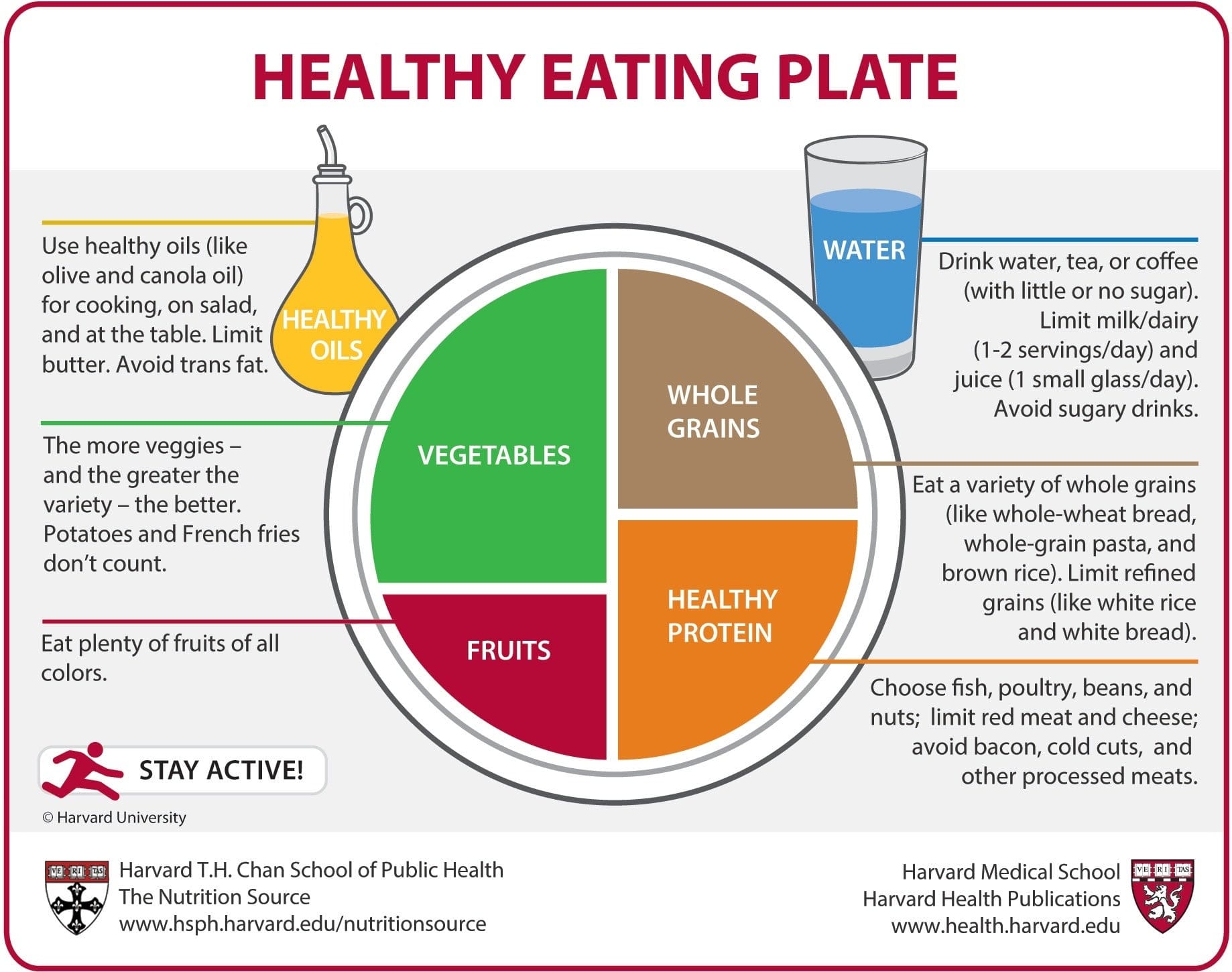
Have you been wanting to improve your eating habits and maintain a healthy diet? Look no further! In this article, you will find some top tips to guide you on your journey towards a healthier lifestyle. From incorporating more fruits and vegetables into your meals to mindful eating techniques, these simple yet effective tips will help you make better choices and keep you on track to achieving your wellness goals. So, let’s get started on this exciting journey to a healthier you!
Meal Planning
Meal planning is an essential step in maintaining a healthy diet. By setting goals and creating a schedule, you can ensure that you are prepared with nutritious meals throughout the week. Setting goals will help you stay focused and motivated, whether it’s to eat more vegetables, reduce your intake of processed foods, or incorporate more whole grains into your meals. Once you have determined your goals, it’s time to create a schedule. This will help you stay organized and make it easier to stick to your plan. By knowing what meals you will be having each day, you can make sure you have all the necessary ingredients and avoid last-minute unhealthy choices.
Grocery Shopping
One of the keys to maintaining a healthy diet is to start with a well-planned grocery list. By making a list before heading to the store, you can ensure that you have everything you need to prepare balanced meals throughout the week. As you make your list, keep in mind the different food groups and try to include items from each category. Shopping the perimeter of the store is another helpful strategy. This is where you will find fresh produce, lean meats, and dairy products. By focusing on these areas, you can avoid the processed foods that are typically found in the center aisles. Lastly, reading labels is crucial when grocery shopping. Pay attention to the ingredients and nutritional information to make informed choices.
Portion Control
Portion control plays a significant role in maintaining a healthy diet. One simple way to control your portions is by using smaller plates. By using a smaller plate, you are less likely to overeat and can still feel satisfied with a smaller portion. Additionally, listening to your hunger cues is important. Pay attention to your body and eat when you are hungry, not just because it’s a certain time of day. On the other hand, don’t ignore your body’s signals of fullness. Recognize when you are satisfied and stop eating. Lastly, it’s important to avoid super-sized meals. Restaurant portions are often much larger than what you need, so consider sharing a meal or taking leftovers home to avoid overeating.
Eat Mindfully
Eating mindfully involves being fully present and paying attention to your food. This practice can help you savor your meals, recognize when you are full, and reduce overeating. One way to practice mindful eating is by slowing down. Take your time to chew your food thoroughly and enjoy the flavors and textures. By eating slowly, you give your brain time to register that you are full, which can prevent overeating. It’s also important to pay attention to your food, rather than mindlessly eating while watching TV or scrolling through your phone. By focusing on your meal, you are more likely to recognize when you are satisfied and avoid overeating. Avoiding distractions during meal times will help you establish a healthy relationship with food.
Include a Variety of Foods
When it comes to maintaining a healthy diet, variety is key. Choosing different colors of fruits and vegetables is a simple way to ensure that you are getting a variety of nutrients. The vibrant colors of fruits and vegetables indicate the presence of different vitamins and minerals. Incorporating different food groups is also important. Aim to include proteins, whole grains, fruits, vegetables, and healthy fats in your meals. Each food group provides a unique set of nutrients that are essential for your overall health. Trying new recipes is another way to incorporate variety into your diet. Experiment with different flavors and cooking methods to keep your meals interesting and exciting.
Stay Hydrated
Staying hydrated is crucial for maintaining a healthy diet. Water is an essential nutrient that is involved in nearly every bodily function. Aim to drink enough water throughout the day to keep your body hydrated. The amount of water you need can vary based on your activity level, climate, and overall health. Limiting sugary drinks is also important. Beverages like soda, juice, and energy drinks are often packed with added sugars, which can contribute to weight gain and various health issues. Instead, opt for herbal tea, which can provide hydration without the added sugars.
Limit Processed Foods
Processed foods are often high in added sugars, unhealthy fats, and sodium. Choosing whole foods over processed options is a great way to maintain a healthy diet. Whole foods are those that are as close to their natural state as possible and have undergone minimal processing or refinement. These include fresh fruits and vegetables, whole grains, lean proteins, and healthy fats. Cooking from scratch allows you to have full control over the ingredients and ensures that you are eating wholesome foods. When purchasing packaged foods, make sure to read ingredient lists to avoid hidden sugars, unhealthy fats, and other undesirable additives.
Control Snacking
Snacking can be an important part of a healthy diet if done in moderation and with the right choices. Choosing healthy snacks that provide essential nutrients can help keep you satisfied between meals and prevent overeating. Opt for snacks that are high in fiber, protein, and healthy fats, such as fruits, vegetables with hummus, nuts, or yogurt. Portioning snacks in advance can also help control consumption. By dividing snacks into appropriate portions, you can avoid mindlessly eating a whole bag of chips or a container of ice cream. Lastly, be mindful of your snacking habits. Avoid mindless snacking while watching TV or working on your computer, as this can lead to overeating and weight gain.
Watch Salt and Sugar Intake
Excess salt and sugar in the diet can have negative effects on your health. Reading food labels can help you monitor your intake of these substances. Look for the sodium content on packaged foods and choose products with lower sodium levels. Cooking at home allows you to control the amount of salt added to your meals. Similarly, limit your intake of added sugars by reading labels and choosing products with little to no added sugars. Cooking from scratch also gives you the freedom to experiment with natural sweeteners like honey or maple syrup, which are healthier alternatives to refined sugars.
Moderation, Not Deprivation
It’s important to remember that maintaining a healthy diet is all about balance and moderation, not strict deprivation. Allowing yourself occasional treats can help you stay satisfied and prevent feelings of restriction. It’s unrealistic to completely eliminate all your favorite foods, and doing so may lead to feelings of deprivation and ultimately result in unhealthy binging. Instead, practice balance by incorporating treats in moderation. Enjoy a small piece of chocolate or a slice of cake on occasion without feeling guilty. It’s important to find a sustainable way of eating that fits your lifestyle and allows for indulgences in a controlled manner.
By following these top tips for maintaining a healthy diet, you can take control of your nutrition and improve your overall well-being. Remember to set goals, create a schedule, and plan balanced meals to ensure you have nutritious options readily available. When grocery shopping, make a list, shop the perimeter, and read labels to make informed choices. Practice portion control, eat mindfully, and include a variety of foods in your diet to ensure you are getting all the necessary nutrients. Stay hydrated, limit processed foods, control snacking, and watch your salt and sugar intake for optimal health. Finally, embrace moderation and balance rather than strict deprivation to maintain a healthy and sustainable approach to eating.