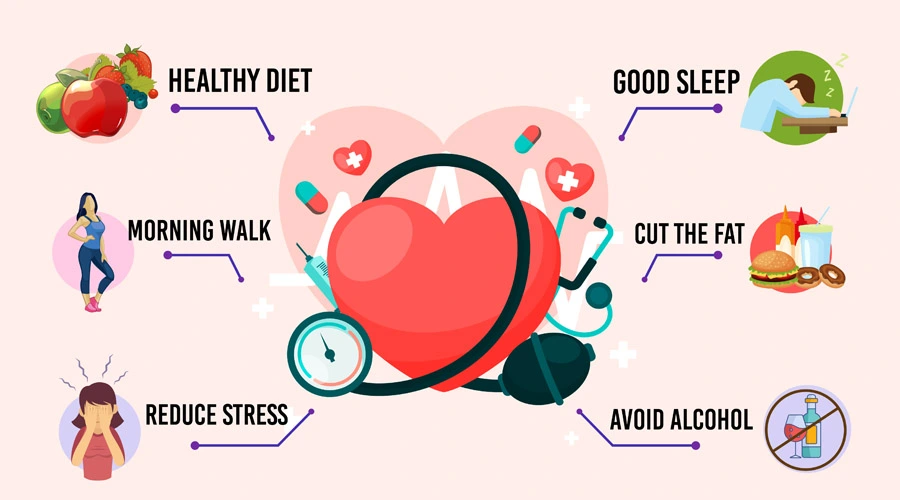
Welcome to a comprehensive guide on managing heart disease through lifestyle changes. In this article, you will learn about the top tips for effectively managing heart disease by making simple adjustments to your everyday routine. By incorporating these tips into your daily life, you can take proactive steps towards improving your heart health and overall well-being. From incorporating healthy eating habits to staying physically active, these lifestyle changes can make a significant difference in managing heart disease. Let’s get started on your journey to a healthier heart! Have you recently been diagnosed with heart disease, or are you looking to prevent it through lifestyle changes? You’ve come to the right place! Taking charge of your health and making positive changes to your daily routine can have a significant impact on managing heart disease. In this article, we will provide you with top tips and practical advice on how to navigate this journey through lifestyle modifications. Let’s dive in!
Understanding Heart Disease
Before we delve into lifestyle changes, it’s essential to have a basic understanding of heart disease. This condition encompasses a range of disorders that affect the heart, including coronary artery disease, heart rhythm problems, and heart defects present at birth. The primary cause of heart disease is the buildup of plaque in the arteries, leading to reduced blood flow to the heart muscle.
What are the Risk Factors?
Several risk factors contribute to the development of heart disease, ranging from genetics to lifestyle choices. High blood pressure, high cholesterol levels, smoking, diabetes, obesity, and a sedentary lifestyle are common risk factors that can increase your chances of heart disease. Understanding these risk factors is crucial in implementing effective lifestyle changes to manage heart disease.
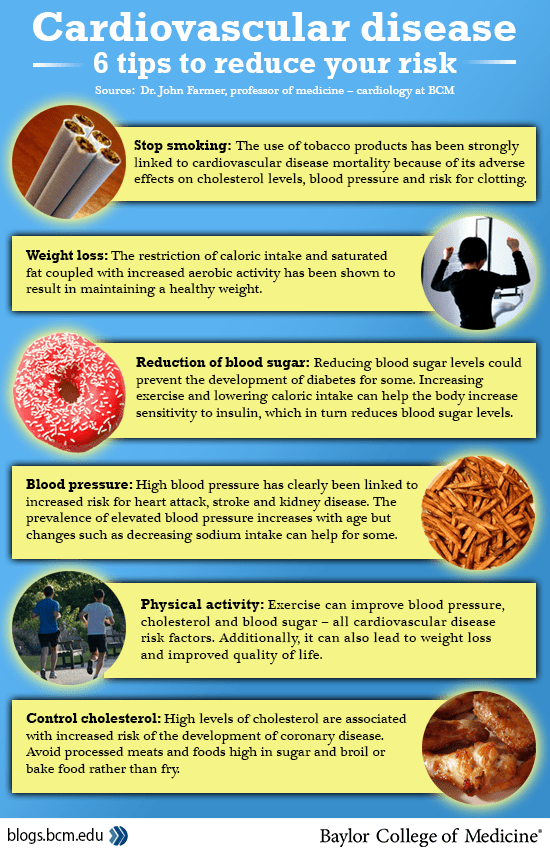
Top Tips for Managing Heart Disease Through Lifestyle Changes
Now that you have a better understanding of heart disease and its risk factors, it’s time to explore practical tips for managing this condition through lifestyle modifications. By making simple changes to your diet, physical activity, stress management, and overall lifestyle, you can enhance your heart health and improve your quality of life.
Diet and Nutrition
Maintaining a heart-healthy diet is key in managing heart disease. Focus on incorporating nutrient-dense foods rich in fruits, vegetables, whole grains, lean protein, and healthy fats. Limit your intake of saturated and trans fats, sodium, added sugars, and processed foods. Opt for cooking methods such as baking, grilling, and steaming instead of frying to reduce added fats.
Physical Activity
Regular physical activity plays a crucial role in managing heart disease. Aim for at least 150 minutes of moderate-intensity aerobic exercise per week, such as brisk walking, cycling, or swimming. Strength training exercises two to three times a week can also help improve your heart health and overall fitness. Find activities you enjoy and make them a regular part of your routine to stay active and maintain a healthy weight.
Stress Management
Chronic stress can have a negative impact on your heart health, so it’s essential to incorporate stress-management techniques into your daily life. Practice relaxation techniques such as deep breathing, meditation, yoga, or tai chi to reduce stress levels and promote overall well-being. Spending time in nature, engaging in hobbies, and connecting with loved ones can also help alleviate stress and improve your mental health.
Smoking Cessation
If you’re a smoker, quitting is one of the most significant steps you can take to manage heart disease. Smoking damages your blood vessels, increases your heart rate, and raises your blood pressure, putting you at a higher risk for heart disease. Seek support from healthcare professionals, join smoking cessation programs, and utilize nicotine replacement therapies to help you quit smoking for good.
Sleep Hygiene
Getting an adequate amount of high-quality sleep is essential for heart health. Aim for seven to nine hours of sleep per night and establish a bedtime routine to promote restful sleep. Create a comfortable sleep environment, limit caffeine and screen time before bed, and practice relaxation techniques to improve your sleep quality. Poor sleep habits can negatively impact your heart health, so prioritize getting enough rest for overall well-being.
Regular Health Check-ups
Monitoring your heart health through regular check-ups with healthcare professionals is crucial in managing heart disease. Schedule routine appointments with your doctor to track your blood pressure, cholesterol levels, blood sugar, and overall heart function. Work with your healthcare team to develop a personalized treatment plan and make adjustments to your lifestyle as needed to optimize your heart health.
Social Support
Seeking social support from friends, family, or support groups can help you navigate the challenges of managing heart disease. Share your experiences, concerns, and achievements with others who understand what you’re going through. Connecting with individuals who have similar health goals can provide encouragement, motivation, and valuable resources to support your journey to better heart health.
Conclusion
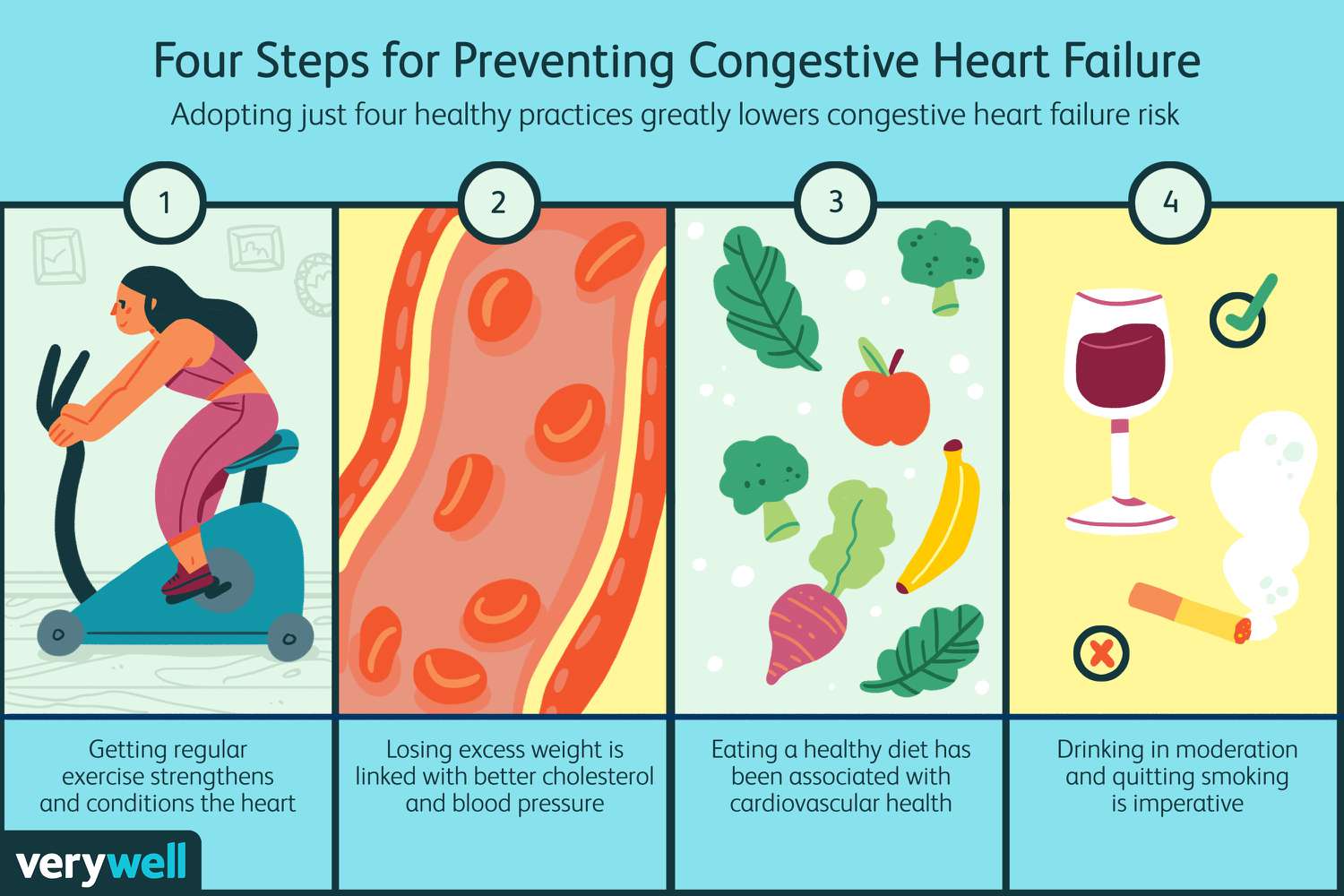
Managing heart disease through lifestyle changes requires dedication, commitment, and a proactive approach to your health. By incorporating these top tips into your daily routine, you can take control of your heart health and improve your overall well-being. Remember to consult with your healthcare team before making any significant lifestyle changes and tailor your plan to suit your individual needs and preferences. With the right mindset and support, you can successfully manage heart disease and lead a heart-healthy life. Take the first step today towards a healthier heart and a brighter future!