
Welcome to this article on top tips for preventing and managing chronic pain in men! Chronic pain can greatly impact daily life and it’s important to find ways to manage it effectively. In this article, you will discover practical tips and strategies to help you prevent and alleviate chronic pain so you can live a more comfortable and fulfilling life. From lifestyle changes to alternative therapies, you’ll find a variety of solutions that may work for you. So sit back, relax, and let’s explore ways to conquer chronic pain together! Have you been struggling with chronic pain and looking for ways to prevent and manage it effectively? As a man, dealing with chronic pain can be challenging and overwhelming. But fear not, as we have compiled a list of top tips to help you overcome and manage chronic pain in a more proactive way. From lifestyle changes to alternative therapies, we’ve got you covered! Keep reading to discover how you can take control of your chronic pain and live a more fulfilling life.

Understanding Chronic Pain
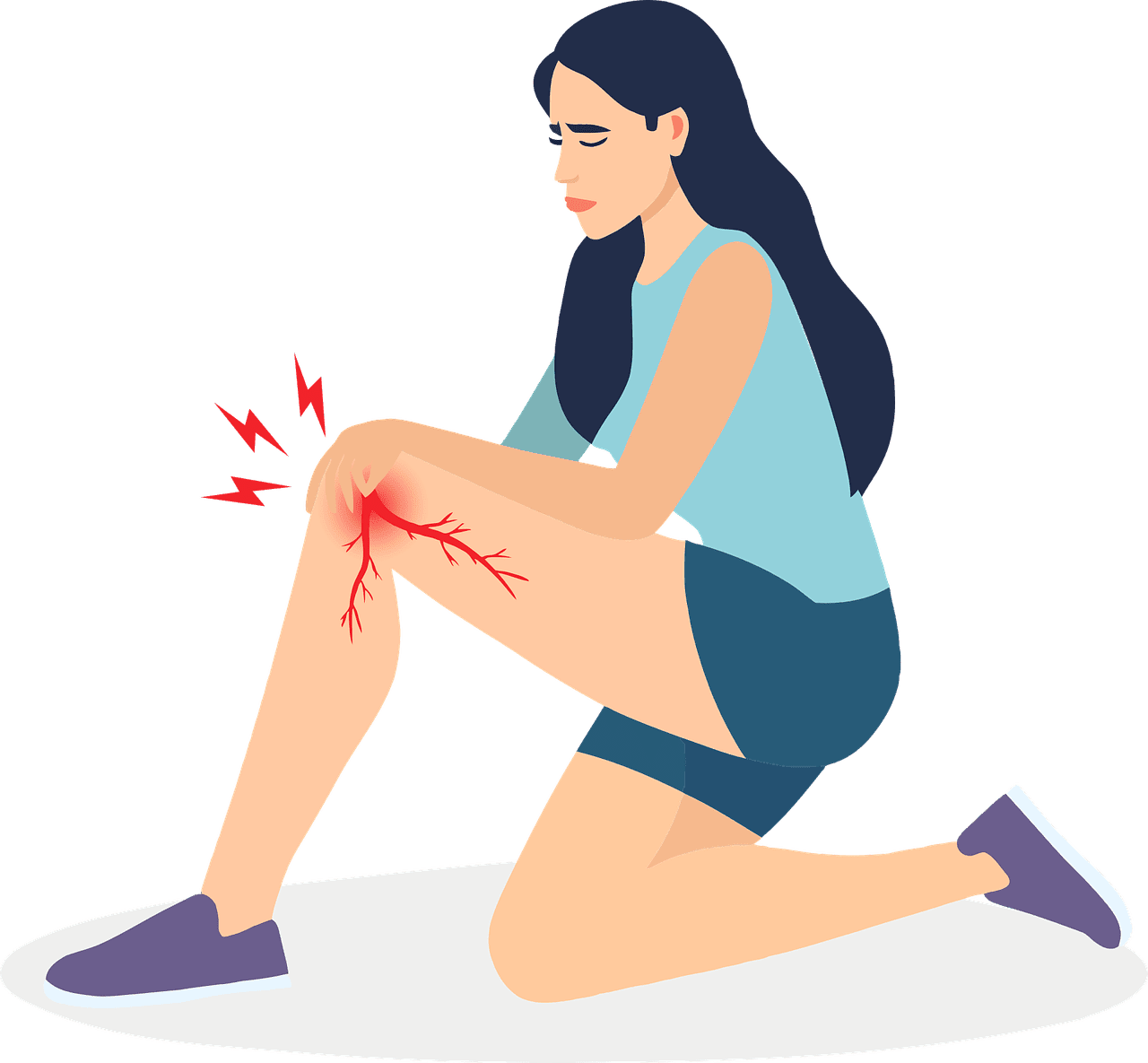
Chronic pain is a persistent pain that lasts for weeks, months, or even years. It can be caused by various factors such as injury, illness, or underlying health conditions. Unlike acute pain, which is temporary and usually goes away once the underlying cause is treated, chronic pain requires long-term management and care. Understanding the nature of chronic pain is the first step toward effectively preventing and managing it.
Chronic Pain vs. Acute Pain
Chronic pain is different from acute pain in terms of duration and intensity. While acute pain is temporary and serves as a warning sign that something is wrong, chronic pain persists over time and can greatly impact your quality of life. By recognizing the difference between the two, you can develop a better management plan tailored to your specific needs.
Lifestyle Changes for Preventing Chronic Pain
Making simple lifestyle changes can have a significant impact on preventing chronic pain from developing or worsening. By incorporating healthy habits into your daily routine, you can reduce your risk of chronic pain and improve your overall well-being.
Exercise Regularly
Regular exercise is essential for maintaining strong muscles and healthy joints, which can help prevent chronic pain. Incorporating a mix of aerobic, strength training, and flexibility exercises into your routine can improve your overall fitness and reduce the risk of pain-related issues.
Maintain a Healthy Weight
Being overweight or obese puts added stress on your joints and can contribute to chronic pain conditions such as arthritis. By maintaining a healthy weight through diet and exercise, you can alleviate pressure on your joints and reduce your risk of developing chronic pain.
Practice Good Posture
Poor posture can lead to muscle imbalances and strain, causing chronic pain in the neck, back, and shoulders. By practicing good posture while sitting, standing, and walking, you can reduce the risk of developing musculoskeletal issues that lead to chronic pain.
Dietary Approaches for Managing Chronic Pain
Your diet plays a crucial role in managing chronic pain and inflammation in the body. By incorporating anti-inflammatory foods and avoiding trigger foods, you can help alleviate pain symptoms and promote overall health and well-being.
Anti-Inflammatory Foods
Foods rich in antioxidants and anti-inflammatory properties can help reduce pain and inflammation in the body. Include foods such as fatty fish, leafy greens, berries, nuts, and seeds in your diet to combat chronic pain naturally.
Avoid Trigger Foods
Certain foods can trigger inflammation in the body and exacerbate chronic pain symptoms. Limiting your intake of processed foods, sugary drinks, refined carbohydrates, and trans fats can help reduce inflammation and pain levels in the body.
Stay Hydrated
Dehydration can worsen pain symptoms and lead to muscle cramps and tension. Drinking an adequate amount of water throughout the day can help keep your joints lubricated, reduce inflammation, and alleviate chronic pain.
Alternative Therapies for Managing Chronic Pain
In addition to lifestyle changes and dietary approaches, alternative therapies can be effective in managing chronic pain and improving overall well-being. From acupuncture to massage therapy, exploring alternative treatments can provide relief and support your pain management efforts.
Acupuncture
Acupuncture is a traditional Chinese therapy that involves inserting thin needles into specific points on the body to alleviate pain and promote healing. This holistic approach has been shown to be effective in managing chronic pain conditions such as arthritis, fibromyalgia, and back pain.
Massage Therapy
Massage therapy can help relax muscles, improve blood flow, and reduce tension that contributes to chronic pain. Whether it’s Swedish massage, deep tissue massage, or trigger point therapy, incorporating regular massages into your routine can provide natural pain relief and relaxation.
Meditation and Mindfulness
Mind-body practices such as meditation and mindfulness can help reduce stress, anxiety, and pain perception. By incorporating these relaxation techniques into your daily routine, you can better cope with chronic pain and improve your overall quality of life.

Medication Management for Chronic Pain
In some cases, medication may be necessary to manage chronic pain effectively. From over-the-counter pain relievers to prescription medications, working with your healthcare provider to find the right treatment plan for your specific needs is essential.
Over-the-Counter Pain Relievers
Over-the-counter pain relievers such as acetaminophen, ibuprofen, and naproxen can help alleviate mild to moderate pain symptoms. These medications can be effective in managing chronic pain caused by conditions such as arthritis, headaches, and muscle strains.
Prescription Medications
For more severe chronic pain conditions, prescription medications may be recommended by your healthcare provider. These medications can range from muscle relaxants and antidepressants to opioid painkillers, depending on the underlying cause and severity of your pain.
Topical Treatments
Topical treatments such as analgesic creams, patches, and gels can provide localized pain relief for chronic pain conditions. These treatments can be applied directly to the affected area to help reduce inflammation, numb pain sensations, and improve mobility.
Psychological Support for Coping with Chronic Pain
Living with chronic pain can take a toll on your mental and emotional well-being. It’s important to seek psychological support and coping strategies to help you navigate the challenges of chronic pain and maintain a positive outlook on life.
Cognitive Behavioral Therapy (CBT)
Cognitive Behavioral Therapy (CBT) is a proven psychological approach that can help you challenge negative thought patterns and develop healthy coping mechanisms for managing chronic pain. By working with a therapist, you can learn effective strategies to improve your mood, reduce stress, and cope with pain more effectively.
Support Groups
Joining a support group for individuals with chronic pain can provide a sense of community, understanding, and empathy. Connecting with others who are facing similar challenges can offer emotional support, practical advice, and a safe space to share your experiences and concerns.
Mind-Body Practices
Mind-body practices such as yoga, tai chi, and guided imagery can help reduce stress, promote relaxation, and improve your overall well-being. By incorporating these practices into your daily routine, you can cultivate a positive mindset, enhance your coping skills, and better manage chronic pain.
Conclusion
Chronic pain can be a debilitating condition that affects millions of men worldwide. By implementing a comprehensive approach to prevention and management, you can take control of your chronic pain and improve your quality of life. From lifestyle changes and dietary approaches to alternative therapies and medication management, there are numerous strategies available to help you effectively manage chronic pain symptoms. Remember to work closely with your healthcare provider to develop a personalized treatment plan that addresses your specific needs and goals. With dedication, patience, and a positive mindset, you can overcome chronic pain and live a healthier, happier life.