
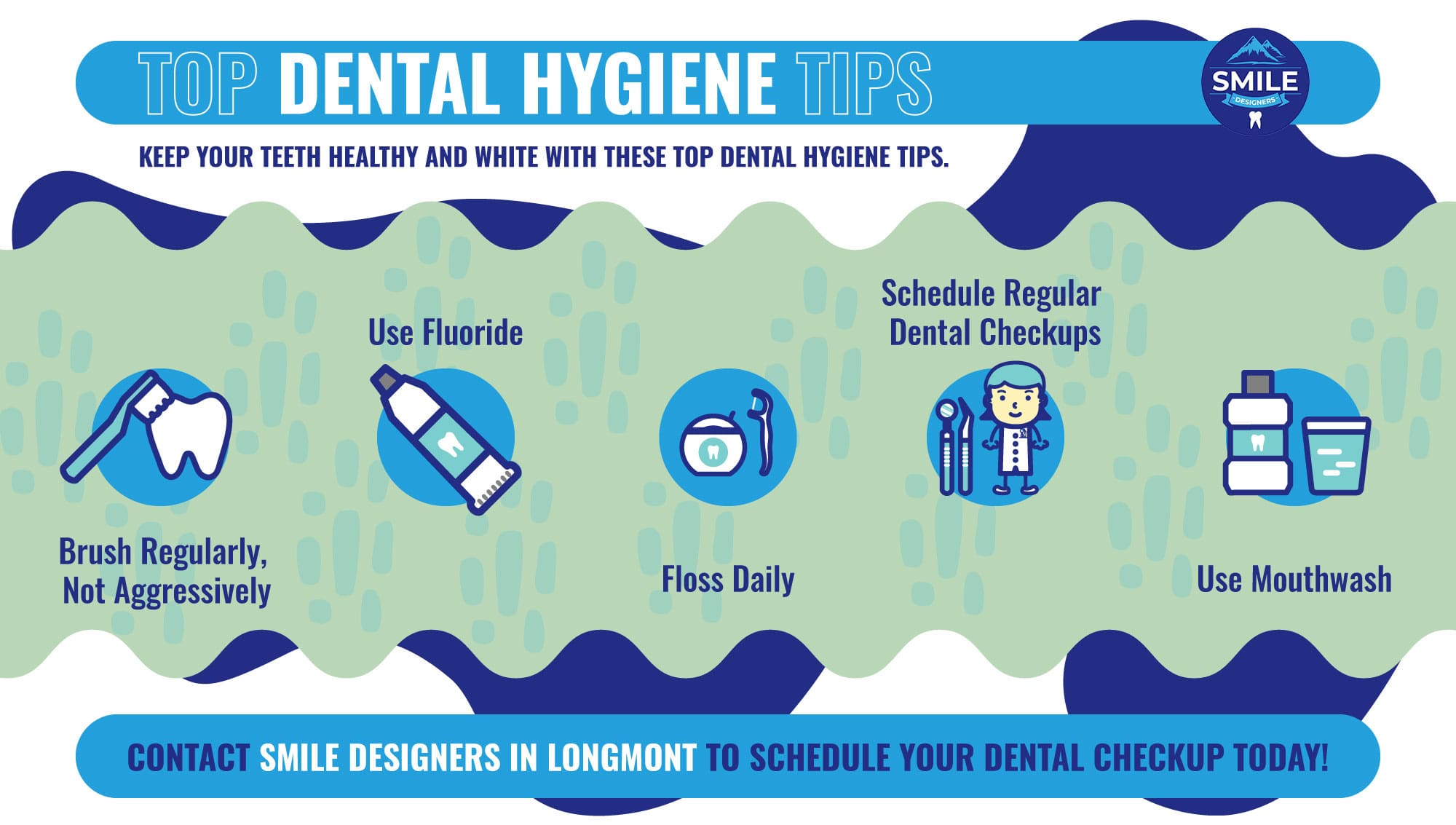
Are you looking for ways to improve your oral health and prevent dental issues? Look no further! In this article, you will discover a collection of top tips for preventive dentistry and oral care. From proper brushing techniques to healthy dietary choices, these tips are designed to help you maintain a beautiful smile and avoid common dental problems. So, let’s dive in and explore the world of preventive dentistry together!
Brushing
Brush your teeth at least twice a day
Brushing your teeth is an essential part of maintaining good oral hygiene. It helps remove plaque, bacteria, and food particles that can lead to tooth decay and gum disease. To keep your teeth clean and healthy, make sure to brush them at least twice a day. Brushing in the morning helps to remove the plaque and bacteria that have accumulated overnight, while brushing before bed removes the build-up from the day.
Use a soft-bristled toothbrush
When it comes to choosing a toothbrush, opt for a soft-bristled one. Hard bristles can damage the enamel on your teeth and irritate your gums. Soft-bristled toothbrushes are gentle and effective in removing plaque without causing any harm to your teeth and gums. Remember to replace your toothbrush every three to four months or when the bristles become frayed.
Replace your toothbrush every three to four months
Over time, the bristles on your toothbrush become worn out and less effective in removing plaque. It is recommended to replace your toothbrush every three to four months, or sooner if the bristles become frayed. A fresh toothbrush ensures effective cleaning and helps maintain good oral hygiene.
Brush all surfaces of your teeth
When you brush your teeth, it’s important to brush all surfaces thoroughly. Start by angling your toothbrush bristles towards the gum line and move the brush in a circular motion. Make sure to brush the outer surfaces, inner surfaces, and the chewing surfaces of your teeth. Take your time and be gentle to avoid any damage to your teeth and gums.
Brush your tongue to remove bacteria
Don’t forget to brush your tongue! Your tongue can harbor bacteria that contribute to bad breath and oral health problems. After brushing your teeth, gently brush your tongue as well. This will help remove bacteria and freshen your breath. Use a gentle motion, starting from the back of your tongue and working your way forward.
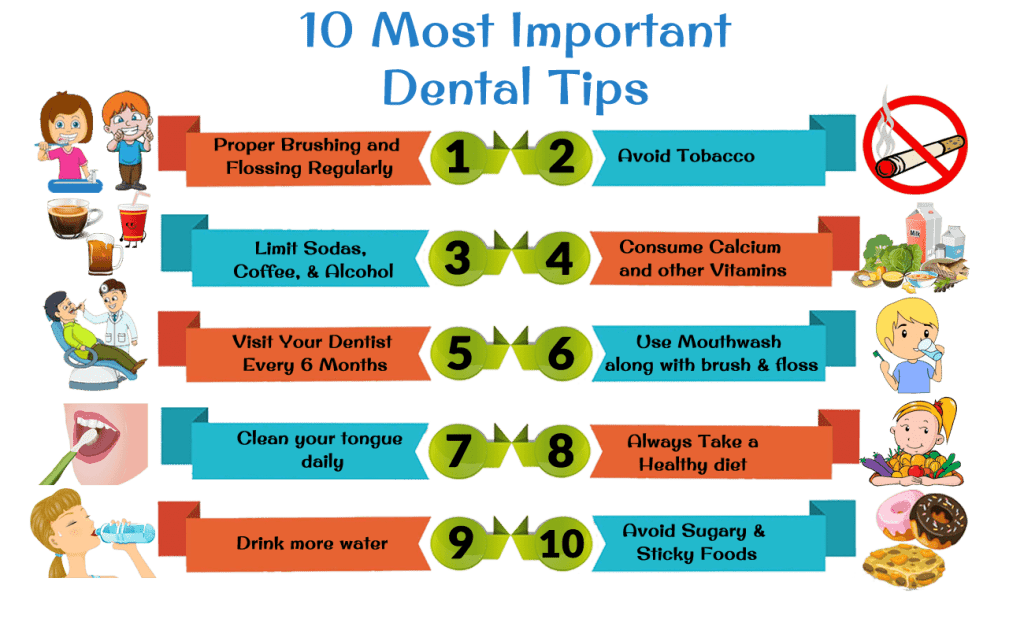
Flossing
Floss daily to remove plaque between teeth
Brushing alone cannot reach the spaces between your teeth, which is where plaque tends to accumulate. To remove plaque and food particles from these hard-to-reach areas, it is important to floss daily. Flossing helps prevent cavities and gum disease by removing debris that can cause tooth decay and inflammation of the gums.
Use proper flossing technique
Proper flossing technique is crucial for effective plaque removal. Start by taking about 18 inches of floss and wrap it around your middle fingers, leaving about two inches of floss to work with. Hold the floss tightly between your thumbs and index fingers, and gently insert it between your teeth. Curve the floss around each tooth in a C-shape and glide it up and down to remove plaque and debris. Be careful not to snap the floss into your gums, as this can cause injury.
Consider using floss picks or water flossers
If traditional flossing with a string is difficult for you, consider using floss picks or water flossers. Floss picks are small tools with a short piece of floss attached to a handle, making it easier to maneuver between teeth. Water flossers use a stream of water to clean between teeth and gums, providing an alternative to traditional flossing. These tools can be particularly helpful for individuals with dexterity issues or braces.
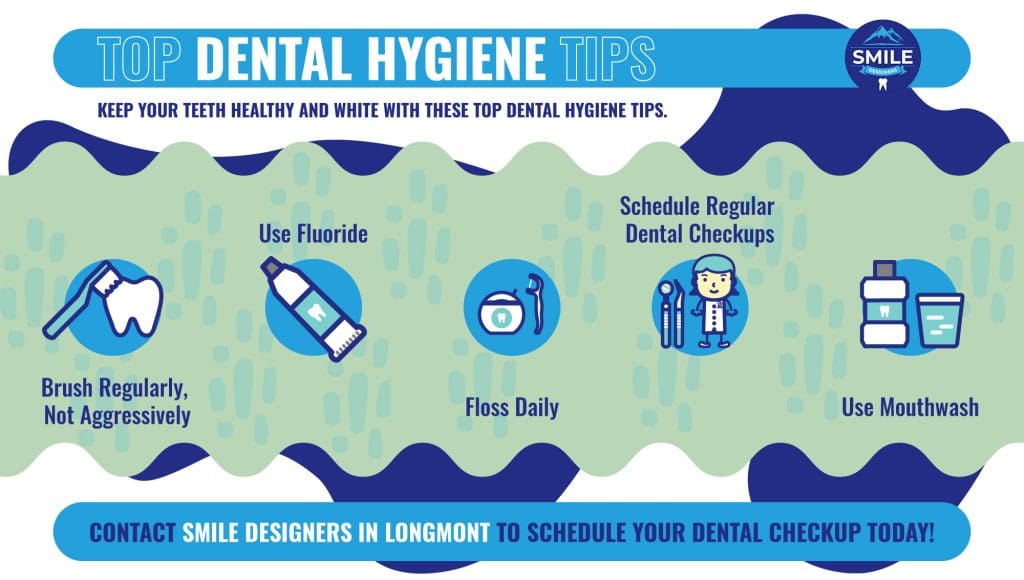
Mouthwash
Use a mouthwash with fluoride
Using a mouthwash with fluoride is an excellent addition to your oral care routine. Fluoride helps strengthen tooth enamel and can reverse early signs of tooth decay. Look for a mouthwash that contains fluoride and follow the manufacturer’s instructions for use. Incorporating mouthwash into your daily routine can help improve oral health and prevent tooth decay.
Swish mouthwash for at least 30 seconds
When using mouthwash, it’s important to swish it around your mouth for at least 30 seconds. This allows the mouthwash to reach all areas and effectively kill bacteria and freshen your breath. Swish the mouthwash vigorously but do not swallow it. Spit out the mouthwash after rinsing, and avoid rinsing with water immediately afterward to give the fluoride in the mouthwash time to work.
Avoid rinsing with water immediately after using mouthwash
After using mouthwash, it’s tempting to rinse your mouth with water to remove any residue. However, rinsing with water immediately after using mouthwash can wash away the fluoride and reduce its effectiveness. Instead, spit out the mouthwash and avoid rinsing your mouth with water for at least 30 minutes to allow the fluoride to continue protecting your teeth.
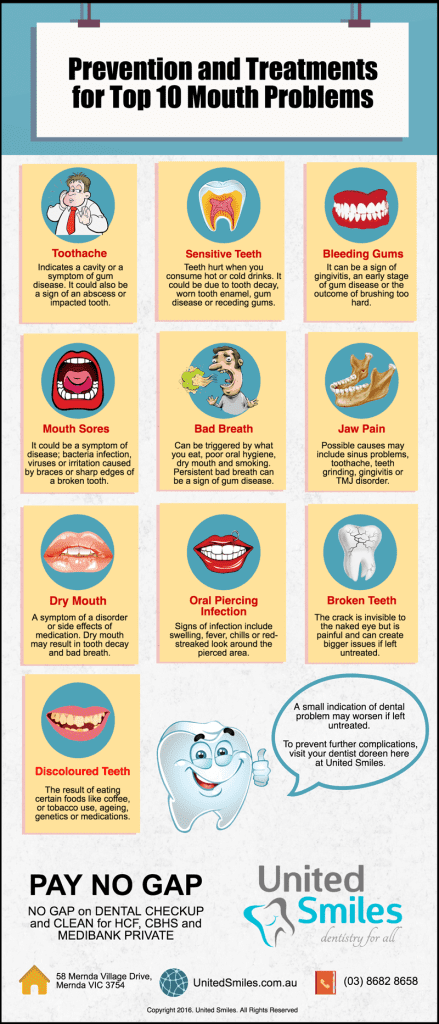
Diet
Limit sugary and acidic foods and drinks
Your diet plays a significant role in your oral health. Foods and drinks high in sugar and acids can contribute to tooth decay and enamel erosion. To maintain good oral health, it is important to limit your consumption of sugary and acidic foods and drinks. Opt for healthier alternatives such as fresh fruits, vegetables, and dairy products, which are not only good for your overall health but also beneficial for your teeth.
Eat a balanced diet with plenty of fruits and vegetables
A balanced diet is key to good oral health. Fruits and vegetables contain essential vitamins and minerals that promote healthy teeth and gums. They also stimulate saliva production, which helps to neutralize acid and wash away food particles. Include a variety of fruits and vegetables in your diet to ensure you are getting a wide range of nutrients that support oral health.
Drink plenty of water to stay hydrated
Water is essential for overall health, including oral health. Drinking plenty of water helps to wash away food particles, dilutes acids in your mouth, and stimulates saliva production. This helps keep your teeth and gums hydrated and reduces the risk of cavities and gum disease. Make it a habit to drink water throughout the day, especially after meals and snacks.
Avoid chewing on hard objects or ice
Many people have the habit of chewing on pen caps, ice, or other hard objects. However, this can be detrimental to your oral health. Chewing on hard objects can cause cracks or chips in your teeth, leading to tooth sensitivity or even tooth fractures. Avoid using your teeth as tools and opt for appropriate tools instead.
