
Welcome to a guide on the top ways to advocate for healthcare reform. In today’s article, you will discover effective strategies for making your voice heard and promoting positive change in the healthcare system. From contacting your elected officials to spreading awareness through social media, there are numerous ways for you to get involved and make a difference. By taking action and advocating for reform, you can play a key role in shaping the future of healthcare for yourself and others. Get ready to become a powerful advocate for change! Have you ever felt frustrated with the state of healthcare in your country? Do you believe there are changes that need to be made to ensure that everyone has access to affordable and quality healthcare? Advocating for healthcare reform is a powerful way to make a difference and create positive change in your community and beyond. In this article, you will discover the top ways to advocate for healthcare reform and become a champion for a healthier future for all.
Understanding the Importance of Healthcare Reform
Healthcare reform is an essential issue that impacts everyone, regardless of age, income, or background. Access to affordable and quality healthcare is crucial for individuals and families to lead healthy and fulfilling lives. By advocating for healthcare reform, you are standing up for the rights of all people to receive the medical care they need without facing financial hardships or discrimination.
Why is Healthcare Reform Necessary?
Healthcare reform is necessary because the current system is not working for everyone. Millions of people around the world are unable to afford necessary medical treatment, while others face discrimination based on their health conditions or socioeconomic status. By advocating for healthcare reform, you are fighting for a system that is fair, accessible, and inclusive for all individuals and communities.

Getting Involved in Healthcare Advocacy
Advocating for healthcare reform may seem like a daunting task, but there are many ways you can get involved and make a meaningful impact. Whether you are a healthcare professional, patient, caregiver, or concerned citizen, your voice matters in shaping the future of healthcare policy and practice.
Joining Healthcare Advocacy Organizations
One of the most effective ways to advocate for healthcare reform is to join healthcare advocacy organizations that are dedicated to promoting policies that improve access to affordable and quality care. These organizations often provide resources, training, and opportunities to engage in advocacy efforts at the local, state, and national levels.
Attending Healthcare Advocacy Events
Attending healthcare advocacy events such as rallies, marches, town hall meetings, and legislative hearings is a powerful way to show your support for healthcare reform and connect with like-minded individuals who share your passion for positive change. These events provide opportunities to learn more about healthcare issues, hear from experts and policymakers, and mobilize for action.
Writing to Elected Officials
Writing letters, emails, or making phone calls to your elected officials is a direct and impactful way to advocate for healthcare reform. By sharing your personal experiences, concerns, and recommendations for healthcare policy changes, you can influence decision-makers and shape legislative initiatives that prioritize the needs of patients and communities.
Using Social Media for Advocacy
Social media platforms such as Facebook, Twitter, Instagram, and LinkedIn are powerful tools for healthcare advocacy. By sharing information, news, articles, and resources related to healthcare reform, you can raise awareness, educate others, and mobilize support for positive changes in the healthcare system. Remember to use hashtags, tag relevant organizations, and engage with followers to amplify your advocacy efforts.

Educating Yourself About Healthcare Issues
To effectively advocate for healthcare reform, it is essential to educate yourself about the key issues, challenges, and opportunities in the healthcare system. By staying informed and knowledgeable, you can make informed decisions, engage in meaningful conversations, and advocate for evidence-based policies that improve health outcomes for all individuals and communities.
Understanding Healthcare Policy
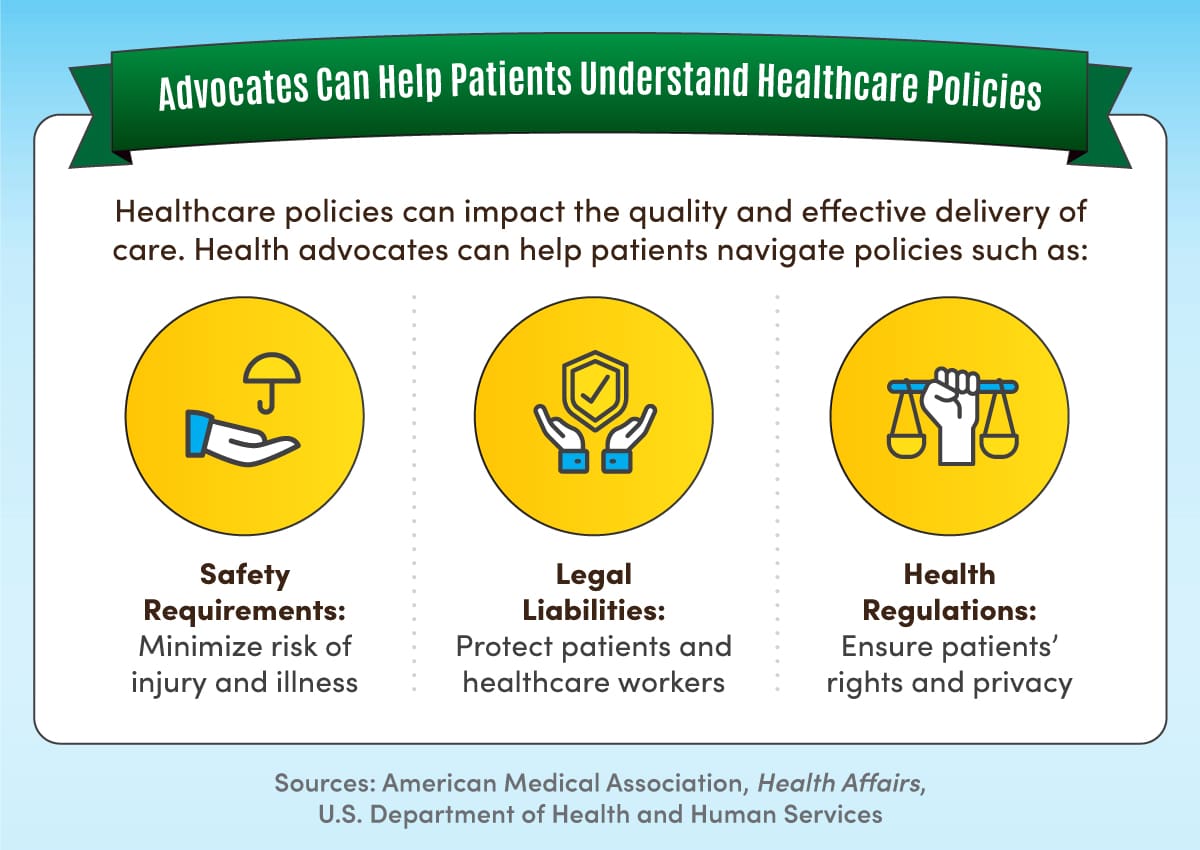
Healthcare policy is a complex and multifaceted field that impacts every aspect of the healthcare system, from insurance coverage and reimbursement to patient safety and quality of care. By understanding the basics of healthcare policy, including key terms, concepts, and stakeholders, you can advocate for policy changes that prioritize patient-centered care, equity, and affordability.
Learning About Healthcare Disparities
Healthcare disparities refer to differences in health outcomes and access to care based on factors such as race, ethnicity, gender, socioeconomic status, geography, and disability. By learning about healthcare disparities and their root causes, you can advocate for policies and programs that address systemic inequities, improve health equity, and ensure that all individuals have equal opportunities to achieve optimal health.
Exploring Healthcare Data and Research
Healthcare data and research are valuable sources of information that can inform evidence-based advocacy efforts and policy recommendations. By exploring healthcare data, statistics, reports, and studies, you can gain insights into trends, challenges, and opportunities in the healthcare system and advocate for data-driven solutions that improve patient outcomes and reduce costs.

Building Coalitions and Collaborations
Advocating for healthcare reform requires collaboration, solidarity, and unity among individuals, organizations, and communities that share a common vision for a healthier and more equitable future. By building coalitions and partnerships with diverse stakeholders, you can amplify your advocacy efforts, leverage resources and expertise, and create a powerful force for positive change in the healthcare system.
Partnering with Healthcare Providers
Healthcare providers play a critical role in advocating for healthcare reform by sharing their expertise, experiences, and insights on the front lines of patient care. By partnering with healthcare providers, including physicians, nurses, pharmacists, and allied health professionals, you can elevate the voice of the healthcare workforce, advocate for patient-centered policies, and promote best practices that improve health outcomes for all individuals.
Collaborating with Patient Advocacy Groups
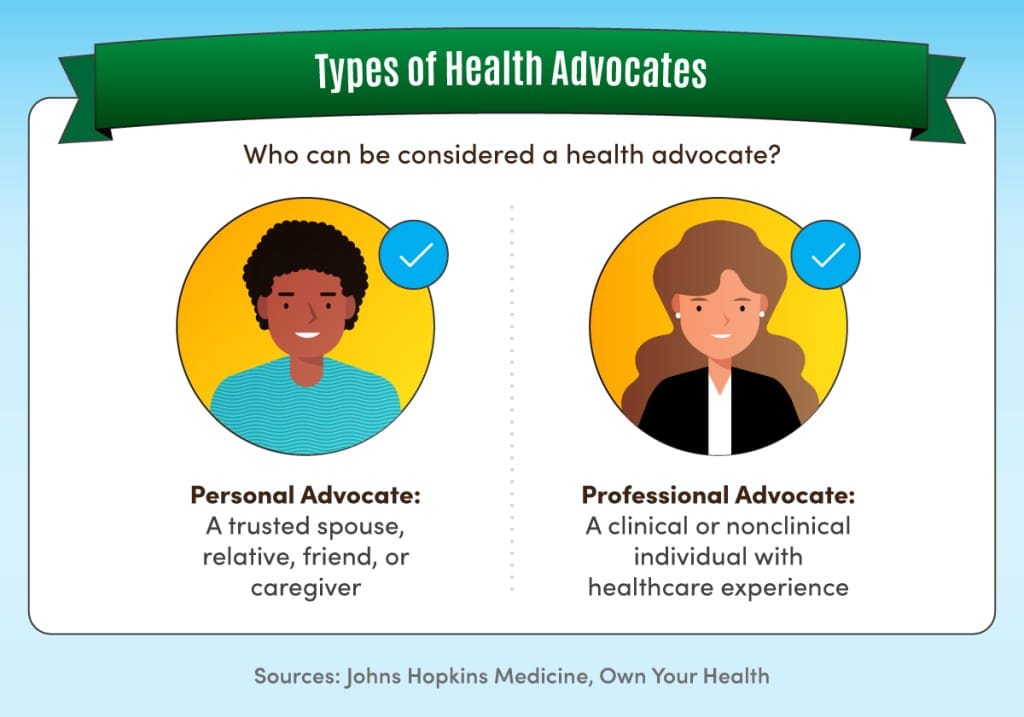
Patient advocacy groups are organizations that represent the interests and needs of patients with specific health conditions, diseases, or disabilities. By collaborating with patient advocacy groups, you can amplify the voices of patients, caregivers, and families, advocate for patient-centric policies, and promote access to quality care, treatment, and support services for those in need.
Engaging with Community-Based Organizations
Community-based organizations are grassroots groups that work to address social determinants of health, promote community wellness, and advocate for healthcare equity in underserved and marginalized communities. By engaging with community-based organizations, you can build partnerships, support local initiatives, and advocate for policies that prioritize the needs of vulnerable populations, including low-income individuals, immigrants, refugees, and communities of color.
Advocating for Healthcare Equity and Social Justice
Healthcare equity and social justice are foundational principles that guide advocacy efforts for healthcare reform. By advocating for policies and practices that prioritize equity, fairness, and inclusivity, you can promote a healthcare system that ensures all individuals have equal opportunities to achieve optimal health, well-being, and quality of life.
Addressing Structural Racism in Healthcare
Structural racism refers to the ways in which policies, practices, and institutions perpetuate racial disparities in health outcomes, access to care, and quality of services. By advocating for anti-racist policies, culturally competent care, and diversity in the healthcare workforce, you can help dismantle systemic barriers, promote health equity, and advance social justice in healthcare.
Promoting LGBTQ+ Inclusivity in Healthcare
LGBTQ+ inclusivity in healthcare refers to creating safe, welcoming, and affirming environments for individuals who identify as lesbian, gay, bisexual, transgender, queer, or other sexual orientations and gender identities. By advocating for LGBTQ+ inclusivity in healthcare, including non-discrimination protections, culturally competent care, and inclusive policies, you can help ensure that all individuals receive respectful, affirming, and quality healthcare services.
Supporting Mental Health and Wellness
Mental health and wellness are essential components of overall health and well-being that require increased attention, resources, and support in healthcare policy and practice. By advocating for mental health parity, access to mental health services, and destigmatization of mental illness, you can help promote mental wellness, resilience, and recovery for individuals and communities facing mental health challenges.
Conclusion: Becoming a Healthcare Reform Advocate
Advocating for healthcare reform is a powerful way to make a difference in your community and contribute to positive changes in the healthcare system. By understanding the importance of healthcare reform, getting involved in advocacy efforts, educating yourself about healthcare issues, building coalitions and collaborations, and advocating for healthcare equity and social justice, you can become a champion for a healthier and more equitable future for all individuals and communities. Together, we can create a healthcare system that prioritizes access, affordability, quality, and equity for all. Thank you for your advocacy and commitment to healthcare reform!