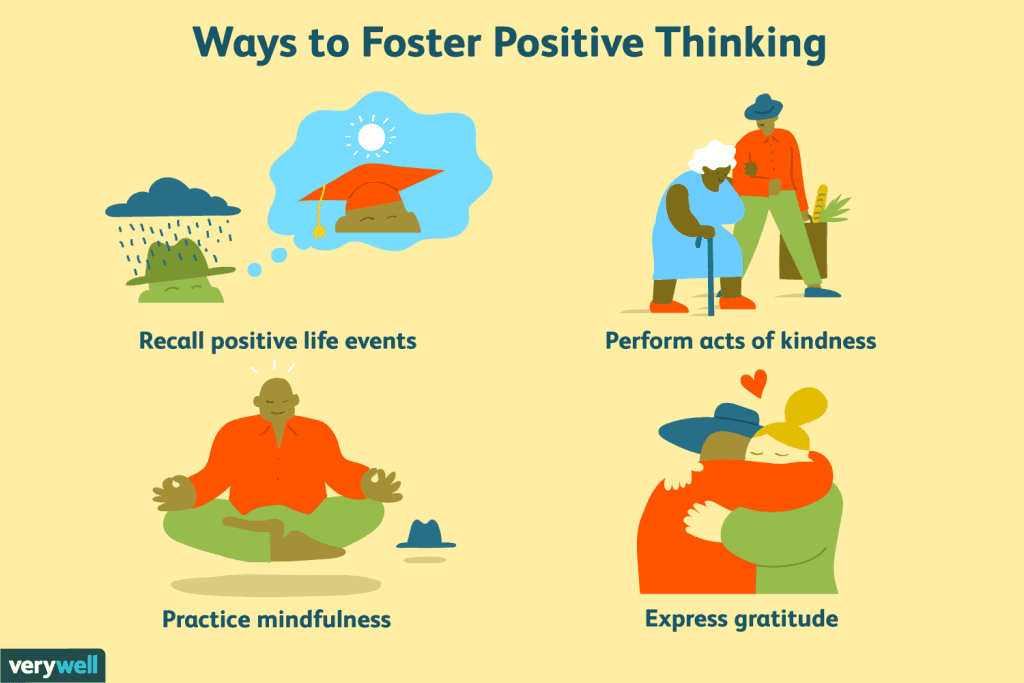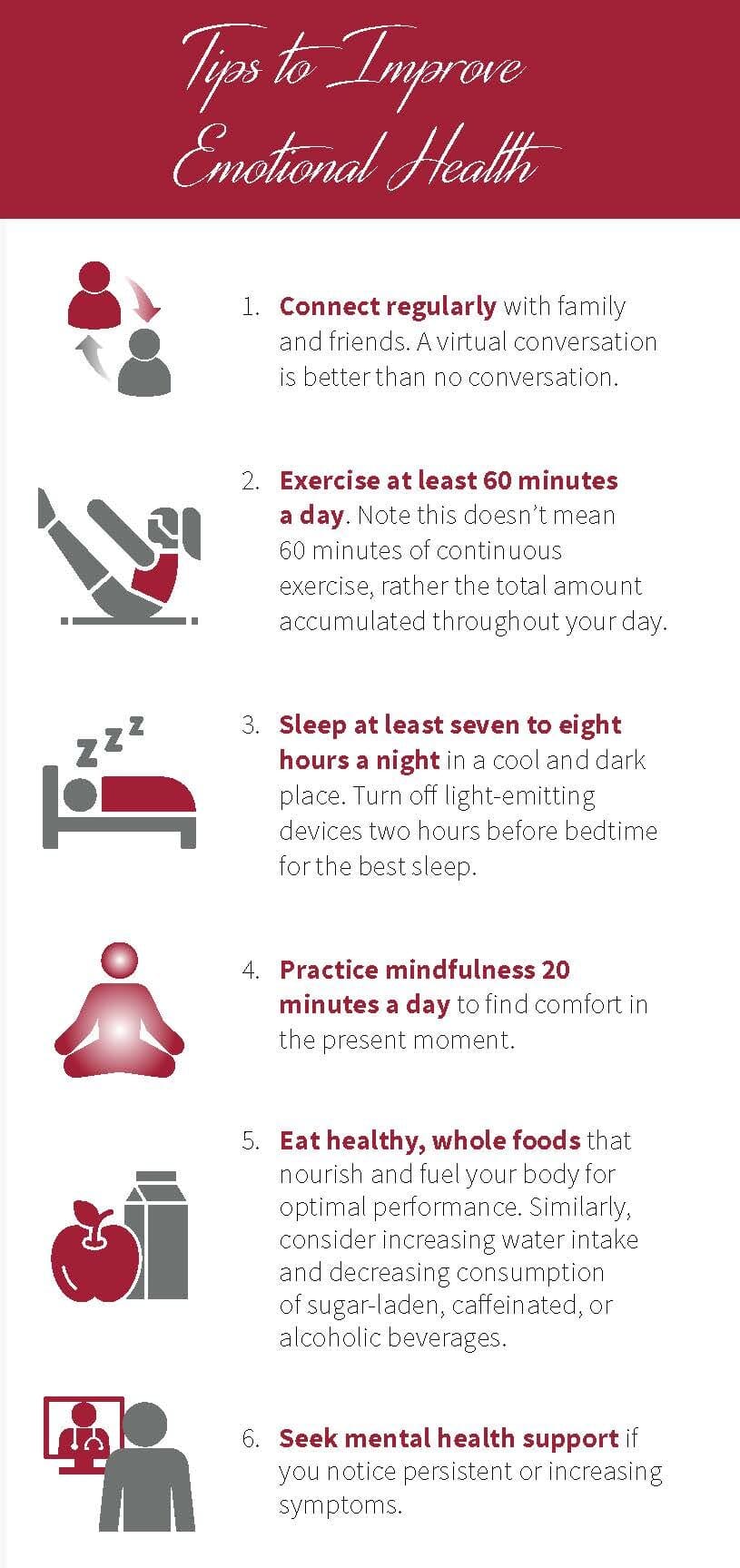
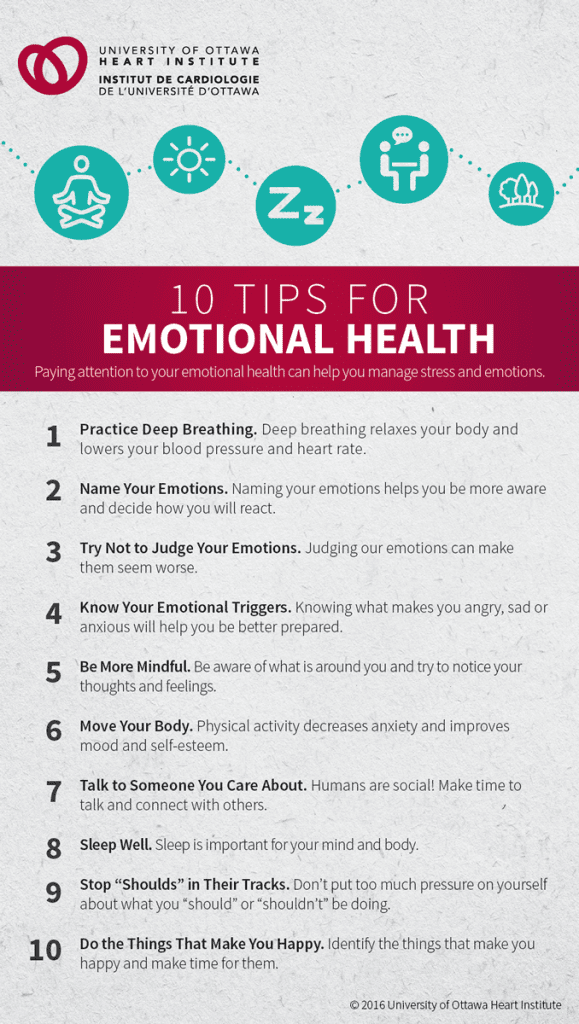
If you’re feeling a little worn out from the daily grind and need a boost to your emotional wellbeing, look no further. This article has got you covered with some top ways to enhance your emotional wellbeing. Whether it’s through self-care rituals, connecting with loved ones, or simply taking time to do the things you love, these strategies are sure to leave you feeling rejuvenated and ready to take on the world. So, sit back, relax, and get ready to put your emotional wellbeing first.
Practice Mindfulness and Meditation
Benefits of mindfulness and meditation
Practicing mindfulness and meditation can have numerous benefits for your emotional wellbeing. Regular mindfulness and meditation practice can help reduce stress, anxiety, and depression. It promotes the ability to focus and be present in the moment, which can improve overall psychological well-being. These practices have also been found to enhance self-awareness, increase empathy and compassion, and improve relationships with others. In addition, mindfulness and meditation can help regulate emotions and alleviate symptoms of various mental health conditions.
Different ways to practice mindfulness and meditation
There are various ways to incorporate mindfulness and meditation into your daily routine. You can start with simple breathing exercises, where you focus on your breath and observe each inhale and exhale. This helps bring your attention to the present moment and calms the mind. Another popular method is mindfulness meditation, where you sit quietly and observe your thoughts and sensations without judgment. Guided meditations are also available, which provide verbal instructions and help you relax and focus. Mindful walking, body scans, and loving-kindness meditations are other techniques you can explore to practice mindfulness and meditation.
Tips for getting started with mindfulness and meditation
Getting started with mindfulness and meditation may seem daunting at first, but with a few tips, you can ease into the practice. First, find a quiet and comfortable space where you won’t be easily distracted. Start with short sessions, gradually increasing the duration as you become more comfortable. Consistency is key, so try to establish a regular practice routine, whether it’s daily or a few times a week. Be patient with yourself and don’t judge your thoughts or experiences during meditation – simply observe them and let them pass. Finally, don’t be afraid to seek guidance from books, online resources, or meditation apps that offer structured programs and support for beginners.
Engage in Regular Exercise
Physical exercise and its impact on emotional wellbeing
Regular physical exercise has a significant impact on emotional wellbeing. Participating in physical activities releases endorphins, commonly known as “feel-good” hormones, which can boost your mood and reduce feelings of stress and anxiety. Exercise also improves sleep quality, increases energy levels, and enhances overall self-esteem. Regular physical activity has been shown to alleviate symptoms of depression, as it promotes the production of neurotransmitters that regulate mood, such as serotonin and dopamine. Engaging in exercise can also serve as a healthy distraction and provide a sense of accomplishment and purpose in your daily life.
Types of exercises for emotional wellbeing
When it comes to incorporating exercises for emotional wellbeing into your routine, there are various options to choose from. Aerobic exercises, such as running, cycling, dancing, or swimming, are excellent for boosting mood and increasing cardiovascular fitness. Strength training exercises, like weightlifting or bodyweight exercises, not only improve physical strength but also contribute to enhanced emotional resilience. Yoga and tai chi are also great options, as they combine physical movement with mindfulness and meditation, promoting relaxation and emotional balance.
How to incorporate exercise into your daily routine
Finding ways to incorporate exercise into your daily routine can sometimes be challenging, but with a few strategies, you can make it a regular part of your life. Firstly, choose activities that you genuinely enjoy, as this will increase your motivation to participate. Set realistic goals and start with small steps, gradually increasing the intensity and duration of your workouts. Get creative with your schedule – consider cycling to work, taking the stairs instead of the elevator, or joining an exercise class with friends. Make exercise a priority by blocking out time in your schedule dedicated solely to physical activity. Finally, remember to listen to your body and adapt your exercise routine to your needs and capabilities.

Cultivate Positive Relationships
The importance of positive relationships for emotional wellbeing
Positive relationships play a vital role in promoting emotional wellbeing. Building and nurturing connections with others provides a sense of belonging, support, and validation, which can significantly impact your mental health and overall happiness. Healthy relationships offer a space where you can express your thoughts and emotions openly, reducing feelings of loneliness, isolation, and stress. Additionally, positive relationships provide opportunities for personal growth, empathy, and learning from others’ experiences. These connections can help boost self-esteem, increase resilience, and enhance your ability to handle difficult emotions.
Building and maintaining fulfilling relationships
Building and maintaining fulfilling relationships requires effort and intentionality. Start by investing time and energy in nurturing existing relationships or seeking new connections. Show genuine interest in others by actively listening and engaging in meaningful conversations. Be open-minded and accepting of diverse perspectives, as this fosters understanding and empathy. Show appreciation and gratitude for the people in your life, expressing your feelings openly and regularly. Engage in shared activities and create lasting memories together. Lastly, prioritize quality over quantity when it comes to relationships – focus on fostering a few deep and meaningful connections rather than spreading yourself thin.
Tips for resolving conflicts in relationships
Conflicts are inevitable in any relationship, but how you handle them can greatly impact the emotional wellbeing of both parties involved. When facing conflicts, active listening is crucial – allow the other person to express their thoughts and feelings without interruption or judgment. Practice empathy, trying to understand the other person’s perspective and emotions. Use “I” statements to express how their actions or words make you feel, rather than resorting to blaming or criticizing. Find common ground and seek mutually beneficial solutions through compromise, rather than demanding a win-lose outcome. Finally, be willing to forgive and let go of grudges, as holding onto resentment can hinder the growth and strength of your relationships.