
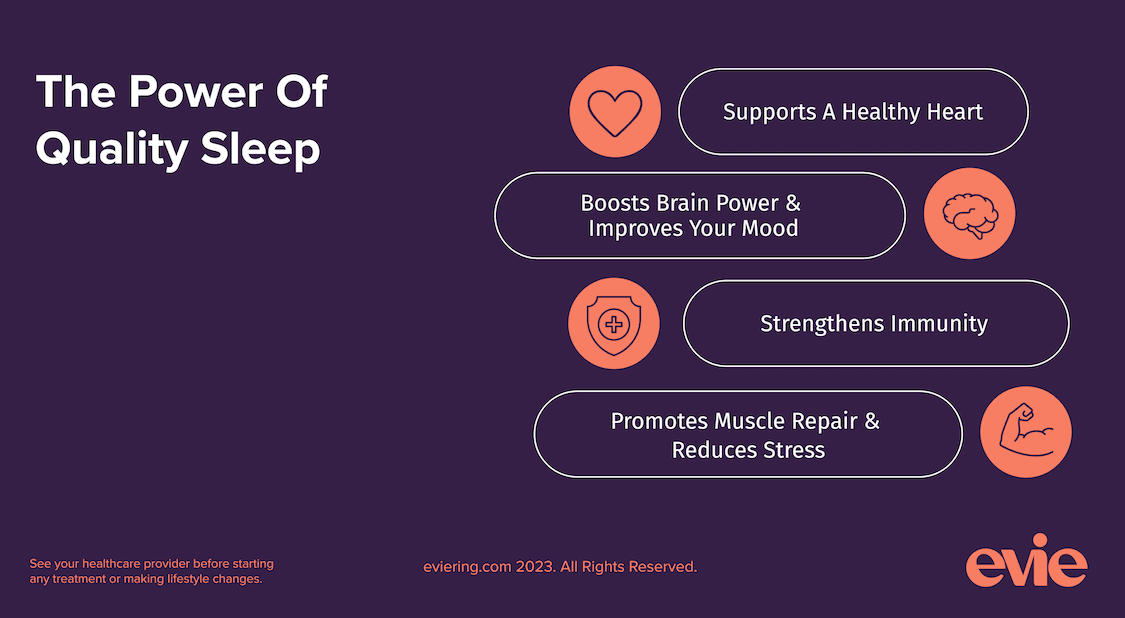
Are you or a loved one struggling with getting a good night’s sleep as you age? We’ve got you covered with this article focused on the top ways to improve sleep quality for aging adults. As we grow older, our sleep patterns can often be disrupted, leaving us feeling tired and groggy during the day. But fear not, because there are simple and effective strategies that can help you achieve a restful and rejuvenating night’s sleep. From creating a relaxing bedtime routine to incorporating exercise into your daily routine, we’ll explore a variety of techniques to help you improve your sleep and wake up feeling refreshed. Say goodbye to restless nights and hello to peaceful slumber – let’s get started on your journey to better sleep!
Establish a Consistent Sleep Schedule
Set a regular bedtime and wake-up time
Establishing a consistent sleep schedule is essential for maintaining good sleep quality. By setting a regular bedtime and wake-up time, your body can adjust to a predictable sleep-wake cycle. This consistency helps regulate your body’s internal clock, making it easier to fall asleep and wake up naturally. Choose a bedtime that allows for enough sleep, usually between 7-9 hours, and ensure you wake up at the same time every day, even on weekends.
Avoid daytime napping
While napping can be tempting, especially when you feel tired during the day, it can disrupt your sleep pattern and make it difficult to fall asleep at night. If you find it hard to resist a nap, limit it to a short duration, around 20-30 minutes, and avoid napping too close to your bedtime. By avoiding daytime napping, you’ll ensure that you are tired enough to fall asleep easily at night.
Create a relaxing bedtime routine
Having a relaxing bedtime routine can signal to your body that it’s time to wind down and prepare for sleep. It’s important to create a routine that suits you and helps you relax. This could include activities like reading a book, taking a warm bath, listening to calming music, or practicing relaxation techniques such as deep breathing or meditation. By incorporating these activities into your routine, you’ll create a peaceful atmosphere and train your body to associate them with sleep.
Create a Comfortable Sleep Environment
Invest in a supportive mattress and pillows
Having a comfortable and supportive mattress and pillows is crucial for good sleep quality. As we age, our bodies may become more sensitive to discomfort, making it essential to invest in a mattress that provides adequate support for your spine and joints. Additionally, pillows that align your neck and head properly can prevent neck pain and improve sleep posture, leading to better sleep quality.
Ensure a dark and quiet bedroom
A dark and quiet environment is essential for promoting a restful sleep. Make sure your bedroom is sufficiently dark by using blackout curtains or blinds to block out unwanted light. If you live in a noisy area or have trouble sleeping, consider using earplugs or a white noise machine to eliminate any disturbances that might disrupt your sleep.
Control the temperature for optimal sleep
Regulating the temperature in your bedroom can significantly impact your sleep quality. It’s generally recommended to keep your bedroom on the cooler side, between 60-67 degrees Fahrenheit (15-19 degrees Celsius), as this temperature range promotes better sleep. Experiment with different bedding materials and adjust the thermostat to create a comfortable sleeping environment that suits your preferences.
Remove electronic devices from the bedroom
Electronic devices emit blue light, which can interfere with your body’s natural production of melatonin, a hormone that regulates sleep. The stimulation from electronic screens can make it harder for you to fall asleep. To promote better sleep quality, remove electronic devices such as smartphones, tablets, and laptops from your bedroom. If you use your phone as an alarm clock, consider placing it in a drawer or using night mode to reduce exposure to blue light.
Manage Stress and Anxiety
Practice relaxation techniques before bed
Engaging in relaxation techniques before bed can help reduce stress and anxiety, allowing you to unwind and prepare for a restful night’s sleep. Techniques such as deep breathing, progressive muscle relaxation, or guided imagery can help calm your mind, relax your body, and promote a sense of mental well-being. Consider incorporating these practices into your bedtime routine to establish a sense of tranquility before sleep.
Engage in stress-reducing activities throughout the day
Managing stress and anxiety throughout the day can also contribute to better sleep quality. Find activities that help you relax and unwind, such as taking a walk in nature, practicing yoga or meditation, spending time with loved ones, or pursuing hobbies that bring you joy. By making time for stress-reducing activities, you can alleviate tension and promote a more peaceful state of mind, leading to improved sleep.
Consider therapy or counseling for emotional support
If you find that stress and anxiety significantly impact your sleep quality, consider seeking therapy or counseling. A mental health professional can provide guidance and support in managing emotional distress and developing coping strategies. They can also help address any underlying issues that may be affecting your sleep. By prioritizing your emotional well-being, you can pave the way for better sleep.
Promote Regular Exercise
Engage in moderate-intensity aerobic activities
Regular exercise has numerous benefits for sleep quality, including promoting relaxation, reducing anxiety, and regulating the sleep-wake cycle. Aim to engage in moderate-intensity aerobic activities, such as brisk walking, cycling, or swimming, for at least 150 minutes per week. Exercise earlier in the day to allow your body enough time to wind down before bedtime.
Incorporate strength training exercises
Strength training exercises, such as lifting weights or using resistance bands, can also contribute to better sleep quality. Strength training helps build muscle, improve overall fitness, and promote healthy hormone production. Aim to include strength training exercises two to three times per week, making sure to allow for rest days between sessions.
Avoid vigorous exercise close to bedtime
While regular exercise is beneficial for sleep, vigorous exercise performed too close to bedtime can have a stimulating effect on your body. Allow a minimum of three hours between your exercise session and bedtime to give your body enough time to cool down and relax. This will ensure that your body is ready for sleep when it’s time to go to bed.
Pay Attention to Diet and Hydration
Avoid heavy meals before bedtime
Eating heavy or large meals close to bedtime can cause discomfort and digestive issues that may interfere with your sleep. Try to have your last meal or snack at least two to three hours before bed to allow for proper digestion. If you’re hungry before sleep, opt for a light and balanced snack such as a small serving of yogurt, a handful of nuts, or a piece of fruit.
Limit caffeine and alcohol consumption
Caffeine and alcohol consumption can have a significant impact on sleep quality. Caffeine is a stimulant that can interfere with falling asleep and staying asleep, even consumed hours before bedtime. It’s best to limit or avoid caffeinated beverages such as coffee, tea, and soda in the late afternoon and evening. While alcohol may initially make you feel drowsy, it can disrupt your sleep patterns and lead to poorer sleep quality. It’s advisable to moderate your alcohol intake, especially in the evening.
Stay well-hydrated throughout the day
Proper hydration is essential for overall health and can also contribute to better sleep quality. Make sure to drink enough water throughout the day, aiming for at least eight glasses (64 ounces) of water. However, be mindful of excessive fluid intake close to bedtime, as it may result in frequent awakenings during the night for bathroom trips. Find a balance that suits your body’s needs and try to maintain optimal hydration levels.
Manage Medications and Health Conditions
Review medications that may interfere with sleep
Certain medications prescribed for various health conditions can have side effects that affect sleep. If you’re experiencing sleep disturbances, review your medications with your healthcare provider. They may be able to adjust the timing or dosage of your medications to minimize their impact on your sleep or explore alternative options that are less likely to interfere with your sleep quality.
Consult with healthcare professionals for adjustment or alternatives
If your current medications are impacting your sleep quality, it’s essential to consult with your healthcare professionals. They can provide guidance and make necessary adjustments to your treatment plan. It’s crucial to communicate openly about any sleep-related concerns or difficulties you may be experiencing so that your healthcare team can address them appropriately.
Manage health conditions that affect sleep quality
Certain health conditions, such as chronic pain, respiratory disorders, or neurological conditions, can significantly impact sleep quality. It’s important to manage these conditions effectively to improve your sleep. Work closely with your healthcare team to develop a comprehensive treatment plan that addresses both the underlying health condition and its impact on your sleep. By managing your health conditions, you can optimize sleep quality and overall well-being.
Establish a Relaxing Bedtime Routine
Create a peaceful atmosphere with dim lighting
Creating a peaceful atmosphere in your bedroom can help prepare your mind and body for sleep. Consider using soft, warm lighting, such as bedside lamps or dimmer switches, to create a cozy and calming environment. Dimming the lights signals to your brain that it’s time to relax and wind down, making it easier to transition from wakefulness to sleep.
Avoid stimulating activities such as using electronic devices
Stimulating activities, especially those that involve electronic devices, can interfere with your ability to fall asleep. The blue light emitted by screens can suppress melatonin production and disrupt the natural sleep-wake cycle. To promote better sleep, avoid using electronic devices, such as smartphones, tablets, or laptops, in the hour leading up to bedtime. Instead, choose relaxing activities that help you unwind and prepare for sleep.
Engage in calming activities like reading or taking a warm bath
Incorporate calming activities into your bedtime routine to help your body and mind relax. Reading a book, listening to relaxing music, or taking a warm bath can all be beneficial in promoting relaxation. Find activities that you enjoy and that help you feel calm and at ease. By engaging in these activities consistently before bed, you’ll establish a routine that primes your body for restful sleep.
Limit Napping During the Day
Avoid lengthy naps or napping late in the day
Napping can be tempting, especially when you’re feeling tired during the day. However, lengthy or late-day naps can disrupt your sleep pattern, making it harder to fall asleep at night. If you find it necessary to nap, limit it to a short duration, around 20-30 minutes, and avoid napping too close to your bedtime. By keeping your naps short and avoiding them late in the day, you’ll ensure that you’re tired enough to easily fall asleep at night.
Maintain a consistent sleep schedule even on weekends
While it may be tempting to sleep in or stay up late on weekends, it can disrupt your sleep schedule and make it harder to fall asleep when Sunday night comes around. To maintain good sleep quality, strive to stick to your regular sleep schedule even on weekends. This consistency helps regulate your body’s internal clock and promotes a more restful sleep throughout the week.
Optimize Sleep Environment
Keep the bedroom dark and cool
Creating an optimal sleep environment involves making your bedroom as dark and cool as possible. Use blackout curtains or blinds to block out any unwanted light that may interfere with your sleep. Additionally, ensure proper ventilation or use a fan or air conditioner to control the temperature and keep your bedroom cool. A dark and cool environment can promote deeper and more restorative sleep.
Invest in comfortable bedding and pillows
Investing in comfortable bedding and pillows is crucial for a good night’s sleep. As you age, your body may become more sensitive to discomfort, so it’s important to choose a mattress and pillows that provide adequate support and promote proper alignment of your spine and joints. Experiment with different types of bedding materials and pillow sizes to find what works best for your individual needs.
Eliminate noise disturbances with earplugs or white noise machines
Noise disturbances can significantly impact sleep quality, especially for aging adults who may be more susceptible to disruptions. Use earplugs or white noise machines to block out or mask noises that may disturb your sleep, such as traffic, snoring, or household sounds. These tools can create a more peaceful and serene sleep environment, allowing you to enjoy uninterrupted rest.
Seek Professional Help if Necessary
Consult with a sleep specialist or physician
If you’ve tried various strategies to improve your sleep quality but still struggle to achieve restful sleep, it may be beneficial to consult with a sleep specialist or physician. These professionals can conduct a comprehensive evaluation of your sleep patterns, identify any underlying sleep disorders, and recommend appropriate treatments or interventions to address your specific needs.
Consider sleep aids or therapies under professional guidance
In some cases, sleep aids or therapies may be recommended under the guidance of a healthcare professional. Sleep aids, such as melatonin supplements or prescription medications, can help with short-term sleep difficulties. However, it’s important to use these medications only as directed and under the supervision of a healthcare professional. Additionally, therapies such as cognitive-behavioral therapy for insomnia (CBT-I) can provide effective, long-term solutions for improving sleep quality.
Address any underlying sleep disorders
If you suspect you may have an underlying sleep disorder, such as sleep apnea, restless leg syndrome, or insomnia, it’s crucial to seek proper diagnosis and treatment. Sleep disorders can significantly impact your overall health and quality of life. By addressing these conditions with the help of a healthcare professional, you can improve your sleep quality and promote better overall well-being.
In conclusion, improving sleep quality as an aging adult requires establishing a consistent sleep schedule, creating a comfortable sleep environment, managing stress and anxiety, engaging in regular exercise, paying attention to diet and hydration, managing medications and health conditions, establishing a relaxing bedtime routine, limiting napping during the day, optimizing the sleep environment, and seeking professional help if necessary. By implementing these strategies, you can enhance your sleep quality and enjoy the many benefits of a restful night’s sleep. Remember, a well-rested you is a happier and healthier you!