
Welcome to an article that will guide you through the top ways to manage menopause naturally. From incorporating a healthy diet and regular exercise into your routine, to trying out herbal remedies and relaxation techniques, this article will provide you with practical tips to help you navigate this natural phase of life with ease. Say goodbye to hot flashes and mood swings, and hello to a more balanced and healthy you. Let’s get started on this journey towards natural menopause management together! Have you been experiencing symptoms of menopause and are looking for natural ways to manage them? You’re in the right place! It’s common to feel overwhelmed by the changes that come with menopause, but there are plenty of natural remedies and lifestyle adjustments that can help you navigate this transition with grace.
Understanding Menopause
Maybe you’re currently going through menopause or approaching it, and you’re wondering what exactly is happening to your body. Menopause is a natural biological process that marks the end of a woman’s reproductive years. It typically occurs in your late 40s to early 50s, but can happen earlier or later for some women. Menopause is officially diagnosed after you’ve gone 12 months without a menstrual period.
Symptoms of Menopause
If you’ve been experiencing hot flashes, night sweats, mood swings, vaginal dryness, and other symptoms commonly associated with menopause, know that you’re not alone. These symptoms are a result of hormonal changes that are happening in your body during this period. While menopause symptoms can be challenging, there are ways to manage them naturally without the need for prescription medications.
Diet and Nutrition
Your diet plays a crucial role in managing menopause symptoms. Here are some dietary tips to help you navigate menopause more comfortably:
- Increase your intake of plant-based foods like fruits, vegetables, whole grains, and legumes. These foods are rich in vitamins, minerals, and antioxidants that can help support your overall health during menopause.
- Include phytoestrogen-rich foods in your diet, such as soy products, flaxseeds, and chickpeas. Phytoestrogens are plant compounds that mimic estrogen in the body and may help alleviate symptoms like hot flashes and night sweats.
- Stay hydrated by drinking plenty of water throughout the day. Dehydration can exacerbate symptoms like hot flashes and mood swings, so make sure you’re getting an adequate amount of fluids.
Exercise and Physical Activity
Regular physical activity can help ease menopause symptoms and improve your overall well-being. Here are some ways to incorporate exercise into your routine:
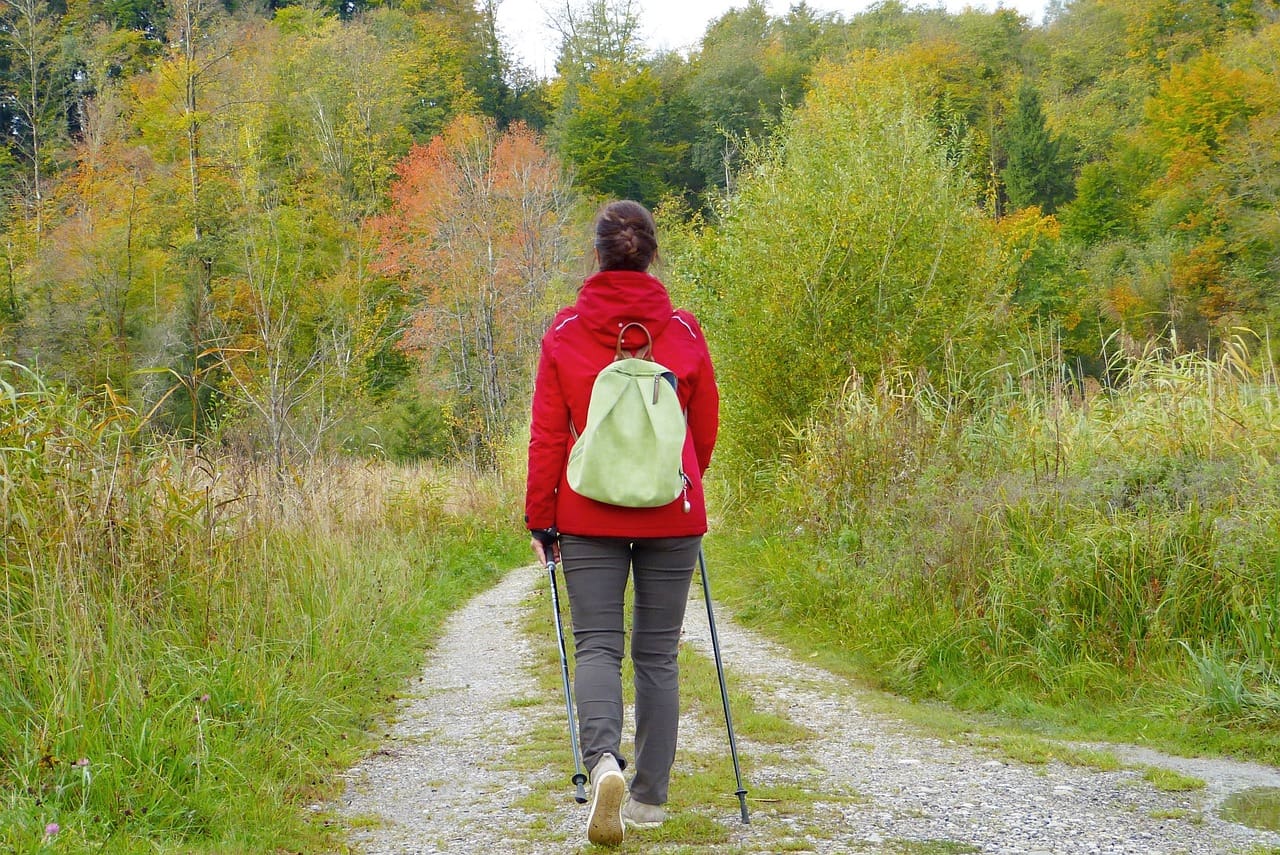
- Aim for at least 150 minutes of moderate-intensity aerobic exercise per week, such as brisk walking, cycling, or swimming. Exercise can help reduce hot flashes, improve sleep quality, and boost your mood.
- Incorporate strength training exercises into your routine to help maintain muscle mass and bone density, which tend to decline during menopause. You can use resistance bands, free weights, or your body weight for strength training.
- Practice stress-reducing activities like yoga, tai chi, or meditation to help calm your mind and body. Stress can exacerbate menopause symptoms, so finding ways to relax and unwind is essential.
Supplements and Herbs
While it’s always best to get essential nutrients from whole foods, supplements and herbs can be beneficial for managing menopause symptoms. Here are some supplements and herbs that may help:
- Black cohosh: This herb has been traditionally used to alleviate hot flashes, night sweats, and mood swings during menopause. It may work by balancing hormone levels in the body.
- Vitamin D: Many women are deficient in vitamin D, which plays a crucial role in bone health and immune function. Consider taking a vitamin D supplement or getting more sun exposure to maintain optimal levels.
- Magnesium: Magnesium can help reduce anxiety, improve sleep quality, and alleviate muscle cramps that are common during menopause. You can take a magnesium supplement or consume magnesium-rich foods like nuts, seeds, and leafy greens.
Lifestyle Modifications
In addition to diet, exercise, and supplements, making certain lifestyle modifications can help you manage menopause more effectively. Here are some tips to consider:
- Get plenty of sleep: Hormonal changes can disrupt your sleep during menopause, leading to fatigue and irritability. Aim for 7-9 hours of quality sleep per night by creating a bedtime routine and optimizing your sleep environment.
- Manage stress: Chronic stress can worsen menopause symptoms like hot flashes, mood swings, and insomnia. Practice stress-reducing techniques like deep breathing, mindfulness, or journaling to help you cope with stress.
- Limit alcohol and caffeine: Alcohol and caffeine can trigger hot flashes and worsen sleep disturbances in some women. Consider reducing your intake of these substances to see if your symptoms improve.
Hormone Replacement Therapy
For some women, hormone replacement therapy (HRT) may be a viable option for managing severe menopause symptoms. HRT involves taking estrogen, progesterone, or a combination of both to alleviate symptoms like hot flashes, vaginal dryness, and mood swings. However, HRT has been associated with certain risks and side effects, so it’s essential to discuss the potential benefits and drawbacks with your healthcare provider before starting treatment.
When to Seek Professional Help
If you’re struggling to manage your menopause symptoms despite trying natural remedies and lifestyle modifications, it may be time to seek professional help. Your healthcare provider can offer guidance, support, and treatment options to help you navigate this transition more comfortably. Don’t hesitate to reach out if you’re experiencing severe symptoms or have concerns about your menopausal health.
Conclusion
Navigating menopause can be challenging, but with the right strategies and support, you can manage your symptoms naturally and thrive during this transition. By focusing on diet, exercise, supplements, herbs, lifestyle modifications, and, when necessary, hormone replacement therapy, you can find relief from hot flashes, night sweats, mood swings, and other menopause symptoms. Remember that every woman’s experience with menopause is unique, so it’s essential to listen to your body and adjust your approach as needed. Stay informed, stay active, and stay positive – you’ve got this!