
Are you a woman who wants to stay healthy and balanced as you age? If so, you’re in the right place! In this article, we’ll explore the top ways to prevent and manage age-related hormonal imbalances in women. Hormonal imbalances can occur as we get older, leading to symptoms like mood swings, weight gain, and hot flashes. But fear not! By implementing simple lifestyle changes and adopting healthy habits, you can take control of your hormones and enjoy a vibrant and fulfilling life. So let’s dive in and discover the best strategies to keep your hormones in harmony and thrive as you age.
Maintaining a Healthy Diet
Include whole foods in your diet
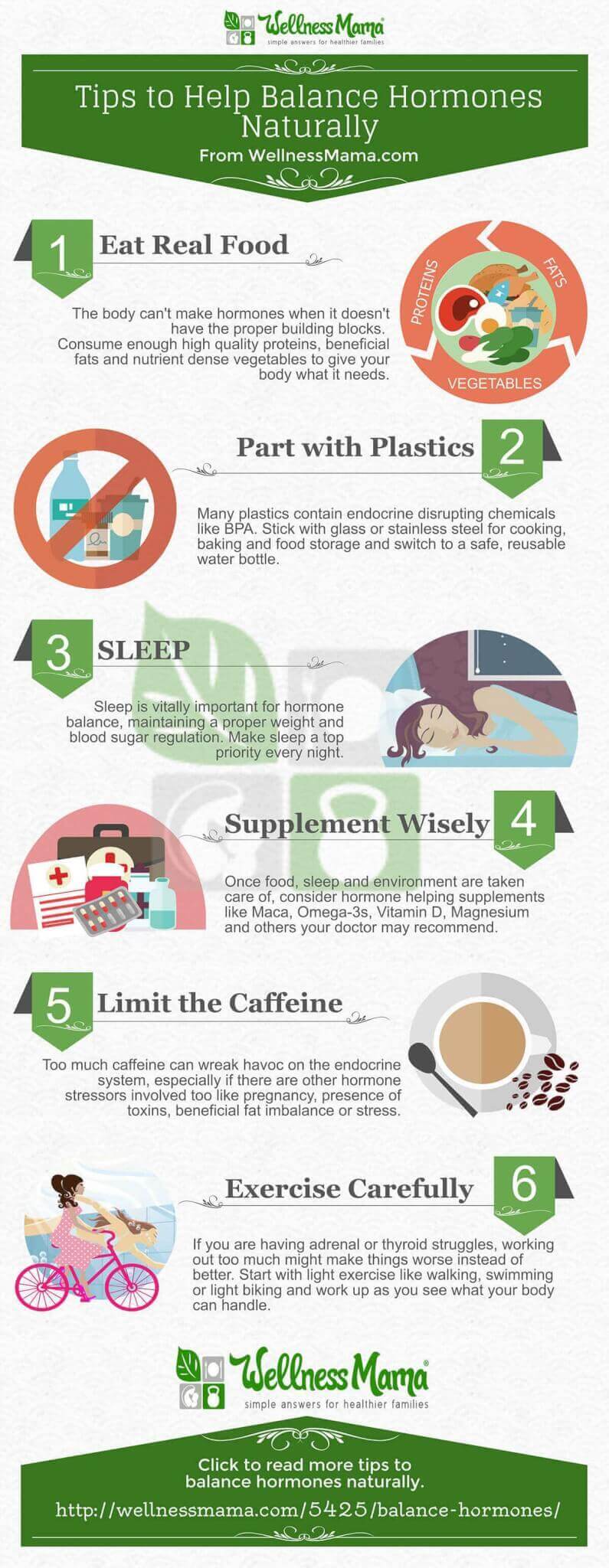
Eating whole foods is essential for maintaining a healthy diet. Whole foods are natural and minimally processed, providing your body with the necessary nutrients it needs to function optimally. Incorporate foods such as fruits, vegetables, whole grains, lean proteins, and legumes into your meals. These foods are rich in vitamins, minerals, and fiber, which can help regulate your hormones and support overall hormonal balance.
Eat a balanced diet with fruits and vegetables
A balanced diet that focuses on consuming a variety of fruits and vegetables is crucial for maintaining hormonal balance. Fruits and vegetables are filled with antioxidants and phytochemicals that can help reduce inflammation and support hormone production. Aim to include a colorful assortment of fruits and vegetables in your meals to ensure you are getting a wide range of essential nutrients.
Avoid processed foods and excessive sugar
Processed foods and excessive sugar can wreak havoc on your hormone levels. These foods often contain artificial additives, preservatives, and high amounts of refined sugars, which can lead to hormonal imbalances and weight gain. Instead, choose whole foods and opt for natural sweeteners like honey or maple syrup when needed. By minimizing processed foods and excessive sugar, you can maintain better hormonal health.
Consume healthy fats
Healthy fats are an important component of a balanced diet and essential for hormonal balance. Include sources of healthy fats such as avocados, nuts and seeds, fatty fish like salmon, and extra virgin olive oil in your meals. These healthy fats provide essential fatty acids that support hormone production and can help reduce inflammation in the body.
Stay hydrated
Staying hydrated is key for maintaining overall health and hormonal balance. Water plays a crucial role in many bodily functions, including hormone production and regulation. Aim to drink at least eight glasses of water per day and increase your intake if you are active or live in a hot climate. Additionally, herbal teas and infused water can provide additional hydration while offering added health benefits from the herbs and fruits used.
Regular Exercise
Engage in aerobic exercises
Aerobic exercises, also known as cardiovascular exercises, are important for maintaining hormonal balance. Activities like brisk walking, jogging, cycling, swimming, or dancing can help improve blood flow and circulation, reduce stress, and support hormone regulation. Aim for at least 150 minutes of moderate-intensity aerobic exercise or 75 minutes of vigorous-intensity exercise each week.
Incorporate strength training
Strength training exercises are essential for maintaining muscle mass and bone strength, both of which can be affected by hormonal changes. Engaging in activities such as weightlifting, resistance band exercises, or bodyweight exercises can help strengthen your muscles and bones, support your metabolism, and promote hormonal balance. Aim to incorporate strength training exercises at least two days a week, targeting all major muscle groups.
Prioritize weight-bearing exercises
Weight-bearing exercises are particularly important for women, as they help promote bone health and can reduce the risk of osteoporosis. Activities such as walking, running, hiking, or dancing can help improve bone density and maintain strong, healthy bones. Aim for at least 30 minutes of weight-bearing exercises on most days of the week.
Include flexibility and balance exercises
Flexibility and balance exercises can help improve mobility, prevent injuries, and enhance overall well-being. Activities such as yoga, Pilates, tai chi, or stretching routines can help improve flexibility, balance, and posture. These exercises can also help reduce stress and promote relaxation, which can have a positive impact on hormonal balance.
Set realistic fitness goals
Setting realistic fitness goals is important for maintaining motivation and staying consistent with your exercise routine. Whether your goal is to increase strength, improve endurance, or enhance flexibility, make sure to set achievable milestones that align with your current fitness level. Celebrate your progress along the way and remember that small, consistent efforts can lead to significant long-term results.
Proper Stress Management
Practice relaxation techniques
Practicing relaxation techniques can help reduce stress levels and promote hormonal balance. Techniques such as deep breathing, meditation, progressive muscle relaxation, or guided imagery can help calm your mind, relax your body, and regulate your hormones. Make it a habit to incorporate these techniques into your daily routine, especially during times of heightened stress.
Engage in activities you enjoy
Engaging in activities that bring you joy and relaxation is crucial for managing stress and promoting hormonal balance. Whether it’s listening to music, reading a book, spending time in nature, or pursuing hobbies, make sure to carve out time for activities that allow you to unwind and recharge. Finding moments of joy and relaxation can help counter the negative effects of stress on your hormones.
Get enough sleep
Adequate sleep is essential for your overall health and hormonal balance. Lack of sleep can disrupt hormone production and regulation, leading to imbalances. Aim for seven to nine hours of quality sleep each night, and establish a regular sleep schedule to ensure your body gets the rest it needs. Create a relaxing bedtime routine, minimize distractions in your bedroom, and create a comfortable sleep environment conducive to deep, restful sleep.
Try mindfulness or meditation
Mindfulness and meditation practices have been shown to have numerous benefits for hormonal balance. Taking a few minutes each day to practice mindfulness can help reduce stress, improve focus, and enhance overall well-being. Apps or guided meditation videos can be helpful resources for beginners. By incorporating mindfulness or meditation into your daily routine, you can support hormonal balance and emotional well-being.
Seek professional help if needed
If stress becomes overwhelming or starts to interfere with your daily life, it’s important to seek professional help. A healthcare professional, therapist, or counselor can provide guidance and support in managing stress and its impact on hormonal balance. They can help you develop effective coping mechanisms and strategies tailored to your individual needs.
Maintaining a Healthy Weight
Understand your body mass index (BMI)
Understanding your body mass index (BMI) is important for maintaining a healthy weight. BMI is a calculation based on your height and weight that provides an estimate of your body fat percentage. Knowing your BMI can help you determine if you are within a healthy weight range or if you need to make adjustments to your diet and exercise routine. Keep in mind that BMI is a general guideline and may not be accurate for individuals with high muscle mass.
Focus on portion control
Maintaining a healthy weight involves practicing portion control to ensure you are consuming the right amount of calories for your body’s needs. Pay attention to portion sizes and avoid overeating. Consider using smaller plates, measuring serving sizes, or using visual cues to guide your portions. Eating mindfully, chewing slowly, and listening to your body’s hunger and fullness cues can also help with portion control.
Include regular physical activity
Regular physical activity is essential for weight management and overall health. Engaging in activities you enjoy, such as walking, swimming, cycling, or dancing, can help burn calories, boost your metabolism, and support hormonal balance. Aim for at least 150 minutes of moderate-intensity aerobic exercise or 75 minutes of vigorous-intensity exercise per week, combined with strength training exercises.
Consult a healthcare professional for personalized guidance
If you are uncertain about how to maintain a healthy weight or have specific concerns, it’s important to consult a healthcare professional. They can provide personalized guidance based on your individual needs and help you create a plan tailored to your goals and preferences. A healthcare professional can also offer support and monitor your progress as you work towards achieving and maintaining a healthy weight.
Avoid crash diets
Crash diets, which involve severe calorie restriction, are not sustainable and can disrupt hormonal balance. While they may lead to temporary weight loss, they can also result in muscle loss, nutrient deficiencies, and a slowed metabolism. Instead of resorting to crash diets, focus on making long-term, sustainable lifestyle changes that promote a balanced diet, appropriate portion sizes, and regular physical activity.

Getting Regular Check-Ups
Visit your healthcare provider regularly
Regular visits to your healthcare provider are essential for preventative care and maintaining overall health. Schedule routine check-ups, at least once a year, to discuss any concerns, undergo screenings, and receive guidance on managing hormonal imbalances. Your healthcare provider can assess your individual health needs and make appropriate recommendations.
Discuss any concerns or symptoms
Open communication with your healthcare provider is important for addressing any concerns or symptoms related to hormonal imbalances. Keep track of any changes in your menstrual cycle, mood, energy levels, or physical symptoms, and share them with your healthcare provider. They can evaluate your symptoms, order necessary tests, and develop a treatment plan if needed.
Undergo necessary screenings
Certain screenings can help identify or monitor hormonal imbalances and related health conditions. These may include blood tests, hormone level assessments, mammograms, bone density scans, or pelvic exams. Discuss with your healthcare provider which screenings are appropriate for your age, medical history, and individual risk factors.
Follow recommended preventive measures
Preventive measures can help reduce the risk of hormonal imbalances and related health conditions. These may include receiving recommended vaccinations, practicing safe sex, maintaining a healthy weight, avoiding exposure to harmful substances, and following a balanced diet. By taking proactive steps to prevent hormonal imbalances, you can optimize your overall health and well-being.
Stay updated with vaccinations
Vaccinations are crucial for maintaining your overall health and preventing certain diseases that can impact hormonal balance. Stay up to date with recommended vaccinations, such as the human papillomavirus (HPV) vaccine or the flu vaccine. Consult with your healthcare provider to ensure you are receiving the appropriate vaccinations for your age and individual health needs.
Avoiding Harmful Substances
Quit smoking
Smoking is harmful to your overall health and can disrupt hormonal balance. It can affect hormone levels and increase the risk of various health conditions, including cardiovascular disease, respiratory problems, and certain types of cancer. Quitting smoking is one of the best things you can do for your health and hormonal well-being. Seek support from healthcare professionals, counseling services, or smoking cessation programs to help you quit.
Limit alcohol consumption
Excessive alcohol consumption can disrupt hormone production and regulation. It can also contribute to weight gain, liver damage, and other health problems. Limit your alcohol intake to moderate levels, which is defined as up to one drink per day for women. If you have difficulty controlling your alcohol consumption, seek guidance from a healthcare professional or support groups.
Avoid excessive caffeine intake
While moderate caffeine intake is generally considered safe, excessive consumption can disrupt hormonal balance and contribute to anxiety, insomnia, and other health issues. Limit your caffeine intake by monitoring your coffee, tea, energy drink, and soda consumption. Consider opting for decaffeinated options or herbal teas as an alternative.
Minimize exposure to environmental toxins
Exposure to environmental toxins can disrupt hormonal balance and contribute to various health problems. Take steps to minimize your exposure to toxins by using natural cleaning products, avoiding pesticides and chemical-laden personal care products, and filtering your drinking water. Ensure proper ventilation in your living spaces and be mindful of air quality in your surroundings.
Read labels and avoid harmful chemicals
Reading labels and avoiding products that contain harmful chemicals is essential for maintaining hormonal balance. Many household products, cosmetics, and personal care items contain ingredients that can disrupt hormone function. Look for products labeled as “natural,” “organic,” or “chemical-free.” Be cautious of products that contain parabens, phthalates, triclosan, or fragrance, as these ingredients are known to have hormonal effects.

Hormone Replacement Therapy (HRT)
Consult with a healthcare professional
If you are experiencing severe menopausal symptoms or hormonal imbalances, consult with a healthcare professional to discuss hormone replacement therapy (HRT). They can evaluate your individual situation, discuss the risks and benefits of HRT, and help you make an informed decision based on your personal health history and preferences.
Understand the risks and benefits
HRT can be an effective treatment for managing menopausal symptoms and hormone imbalances, but it also comes with potential risks. Understand the risks associated with HRT, such as increased risk of breast cancer, blood clots, or stroke. Also, be aware of the benefits, such as relief from hot flashes, improved bone density, and decreased risk of colorectal cancer. Discuss these factors with your healthcare professional to determine if HRT is right for you.
Explore different forms of HRT
HRT can be administered through various forms, including pills, patches, gels, creams, or vaginal rings. Work closely with your healthcare provider to explore the different options available and determine which form of HRT is most suitable for your needs and preferences. They can provide guidance on dosage, application methods, and potential side effects.
Follow the recommended dosage
When undergoing HRT, it’s crucial to follow the recommended dosage prescribed by your healthcare professional. Hormone levels need to be carefully balanced, and modifying the dosage without medical supervision can lead to imbalances and potential health risks. Regularly communicate with your healthcare provider and report any concerning symptoms or changes while on HRT.
Monitor for any side effects
While on HRT, it’s important to monitor for any potential side effects and report them to your healthcare provider. side effects can vary depending on the individual, the type of HRT, and the dosage. Common side effects may include breast tenderness, bloating, mood changes, or vaginal bleeding. By staying vigilant and addressing any concerns promptly, you can ensure the safe and effective use of HRT.
Herbal Remedies and Supplements
Consult with a healthcare professional
Before incorporating herbal remedies or supplements into your routine, it is essential to consult with a healthcare professional. They can evaluate your specific needs, review your medical history, and guide you on which herbal remedies or supplements may be beneficial or necessary. Your healthcare provider can also ensure that any potential interactions or contraindications are considered.
Consider natural remedies like black cohosh and red clover
Some herbal remedies have been traditionally used to manage menopausal symptoms and support hormonal balance in women. Black cohosh and red clover are two examples of herbs that have been studied for their potential benefits in alleviating hot flashes, night sweats, and mood changes associated with hormonal imbalances. However, it is important to note that research on these herbs is ongoing, and individual responses may vary.
Research and choose reliable brands
When selecting herbal remedies or supplements, it is important to do thorough research and choose reputable brands. Look for products that have undergone third-party testing and certification to ensure quality, purity, and accurate labeling. Read reviews, seek recommendations from healthcare professionals, and choose products that have a good track record for safety and efficacy.
Understand potential interactions
Herbal remedies and supplements can interact with medications you may be taking or have other potential interactions. It is crucial to inform your healthcare professional about any herbal remedies or supplements you are considering or currently using. They can help assess potential interactions, determine appropriate dosages, and ensure the safe and effective use of these remedies.
Follow recommended dosages
When using herbal remedies or supplements, it is important to follow the recommended dosages as indicated on the packaging or as advised by a healthcare professional. Taking larger doses or exceeding recommended limits can lead to adverse effects or interfere with hormonal balance. Remember that natural does not always mean safe, and proper dosage guidelines are essential for optimal results.

Lifestyle Modifications
Prioritize self-care
Prioritizing self-care is essential for maintaining overall well-being and hormonal balance. Take time each day to engage in activities that help you relax and recharge. This may include taking a warm bath, practicing mindfulness, reading a book, or spending time in nature. By making self-care a priority, you can reduce stress levels and support your hormonal health.
Maintain a regular sleep schedule
Establishing a regular sleep schedule is crucial for hormonal balance. Aim to go to bed and wake up at the same time each day, even on weekends. This helps regulate your body’s internal clock and promotes better sleep quality. Create a sleep-friendly environment, practice good sleep hygiene, and limit exposure to electronic devices before bedtime to ensure you get the restorative sleep your body needs.
Practice good hygiene
Maintaining good hygiene is an important aspect of overall health and can contribute to hormonal balance. Practice proper hygiene habits such as daily bathing or showering, brushing and flossing your teeth regularly, and washing your hands frequently. These habits help reduce the risk of infections and maintain optimal health.
Engage in hobbies and interests
Engaging in hobbies and interests can have a positive impact on your mental and emotional well-being. Find activities that bring you joy and make time for them regularly. Whether it’s painting, gardening, playing a musical instrument, or trying new recipes, pursuing your passions can help reduce stress levels and support hormonal balance.
Create a support system
Having a strong support system is beneficial for managing stress and maintaining hormonal balance. Surround yourself with positive influences, whether it’s family, friends, or support groups. Seek out people who understand and empathize with your experiences. Sharing your concerns, seeking advice, and receiving emotional support can make a significant difference in managing age-related hormonal imbalances.
Educating Yourself
Stay informed about hormonal changes
Staying informed about hormonal changes is crucial for understanding and managing age-related imbalances. Keep up-to-date with recent research, news articles, or books that discuss hormonal health in women. Understanding the changes that occur in your body can empower you to make informed decisions about your health and seek appropriate support when needed.
Research reputable sources
When educating yourself about hormonal imbalances, it’s essential to rely on reputable sources of information. Look for information from trusted medical websites, healthcare professionals, or reputable books and publications. Be cautious of misinformation or unfounded claims that may circulate on the internet or through alternative health sources.
Attend workshops or seminars
Attending workshops or seminars on hormonal health can provide valuable insights and practical tips for managing imbalances. Look for local events or online webinars hosted by reputable organizations or healthcare professionals. These educational events can equip you with knowledge and strategies to navigate age-related hormonal changes with confidence.
Join support groups
Support groups specifically focused on women’s hormonal health can offer a supportive and understanding community of individuals going through similar experiences. Seek out local or online support groups where you can share your journey, exchange advice, and find emotional support. Connecting with others facing similar challenges can make you feel less alone and provide valuable insights and coping strategies.
Ask questions to healthcare professionals
Do not hesitate to ask questions to healthcare professionals when seeking information about age-related hormonal imbalances. Whether it’s during routine check-ups, consultations, or specific appointments, openly communicate your concerns and inquiries. Healthcare professionals are a valuable resource for accurate information, guidance, and personalized advice tailored to your unique needs and circumstances.
By implementing these top ways to prevent and manage age-related hormonal imbalances in women, you can promote hormonal balance, support overall health, and increase your well-being. Remember, maintaining a healthy lifestyle, seeking professional guidance when necessary, and staying informed about hormonal changes are key components to navigating this stage of life with confidence and vitality.
