

Are you curious about how to take better care of your health as a woman? Look no further! In this article, we will explore the top ways to prevent and manage common women’s health issues. From tips on maintaining a healthy diet to key self-care practices, we’ve got you covered. Discover the proactive steps you can take to ensure a healthier, happier you. Let’s dive in!
Breast Health
Regular Breast Self-Exams
Regular breast self-exams are an important part of maintaining breast health. By regularly examining your breasts, you can become familiar with their normal look and feel, making it easier to detect any changes or abnormalities. To perform a breast self-exam, start by visually inspecting your breasts in the mirror for any changes in size, shape, or texture. Then, using the pads of your fingers, gently palpate your breasts in a circular motion, checking for any lumps, thickening, or areas of tenderness. It is important to note that most breast lumps are not cancerous, but if you notice any changes during your self-exam, it is recommended to consult with a healthcare professional for further evaluation.
Clinical Breast Exams
In addition to regular breast self-exams, clinical breast exams conducted by a healthcare professional are also crucial for maintaining breast health. During a clinical breast exam, a healthcare provider will visually and manually examine your breasts and underarm area for any signs of abnormality. This can help detect any potential issues early on and ensure prompt medical attention if necessary. It is generally recommended to have a clinical breast exam every 1-3 years, starting in your 20s, and then every year once you reach the age of 40.
Mammograms
Mammograms are an essential tool for breast health and are used to screen for breast cancer. A mammogram is an X-ray of the breasts that can detect small tumors or abnormalities even before they can be felt during a self-exam. It is recommended that women begin regular mammogram screenings at the age of 40 or earlier if there is a family history of breast cancer. The frequency of mammograms can vary based on individual risk factors, but on average, women should have a mammogram every 1-2 years.
Maintaining a Healthy Weight
Maintaining a healthy weight is not only beneficial for overall health but also plays a role in reducing the risk of breast cancer. Being overweight or obese can increase the levels of estrogen in the body, which is linked to an increased risk of breast cancer. By adopting a balanced diet and engaging in regular physical activity, you can maintain a healthy weight and reduce the risk of various health conditions, including breast cancer.
Limiting Alcohol Consumption
Excessive alcohol consumption has been linked to an increased risk of breast cancer. It is recommended to limit alcohol intake to no more than one drink per day, as higher amounts can elevate the risk. If you choose to drink alcohol, it is important to do so in moderation and be mindful of your overall consumption. Making conscious choices about alcohol intake can contribute to a healthier lifestyle and reduce the risk of breast cancer.
Reproductive Health
Regular Gynecological Check-ups
Regular gynecological check-ups are essential for women’s reproductive health. These check-ups typically include a comprehensive examination of the reproductive organs, including the vagina, cervix, uterus, and ovaries. A healthcare provider can identify any potential issues or abnormalities during these check-ups and offer appropriate advice or treatment. It is recommended to schedule a regular gynecological check-up at least once a year, or more frequently if you have specific concerns or risk factors.
Pap Smears
Pap smears, also known as Pap tests, are an integral part of women’s reproductive health. This screening test is used to detect early signs of cervical cancer by examining cells collected from the cervix. During the test, a healthcare provider will gently scrape cells from the cervix, which are then sent to a laboratory for analysis. It is generally recommended to have regular Pap smears starting at the age of 21 and continue at least every three years, or as advised by your healthcare provider.
HPV Vaccination
The human papillomavirus (HPV) vaccine is a crucial preventive measure for reproductive health. HPV is a common sexually transmitted infection and can lead to cervical cancer. Vaccination against HPV can significantly reduce the risk of developing cervical cancer and other HPV-related diseases. The vaccine is typically recommended for girls and boys aged 11-12, but it can be administered up to the age of 26. It is important to consult with a healthcare provider to determine the most appropriate vaccination schedule for you.
Safe Sex Practices
Practicing safe sex is essential for maintaining reproductive health and preventing sexually transmitted infections (STIs). This includes the use of barrier methods, such as condoms, during sexual activity. It is also important to have open and honest communication with your partner about sexual health, including discussing and respecting boundaries, and getting tested for STIs regularly. By taking these precautions, you can protect yourself and your partner from the risk of STIs and maintain optimal reproductive health.
Managing Menstrual Health
Managing menstrual health is an important aspect of women’s reproductive well-being. This includes understanding your menstrual cycle and tracking any irregularities or changes in flow. If you have concerns about your menstrual health, such as heavy or painful periods, irregular cycles, or other symptoms, it is important to consult with a healthcare provider. They can help identify any underlying issues or conditions and provide appropriate management options to ensure your menstrual health is well-maintained.
Bone Health
Consuming Calcium-rich Foods
Consuming calcium-rich foods is essential for maintaining strong and healthy bones. Calcium is a vital mineral that plays a crucial role in bone formation and strength. Good sources of calcium include dairy products, leafy green vegetables, fortified foods, and calcium supplements if necessary. Aim to incorporate these foods into your diet to ensure you are meeting your daily calcium requirements and supporting your bone health.
Vitamin D Supplementation
Vitamin D is essential for the absorption of calcium and promoting bone health. While sunlight is a natural source of vitamin D, it may be difficult to obtain sufficient levels solely through sunlight exposure, particularly in regions with limited sun exposure or during certain seasons. In such cases, vitamin D supplementation may be recommended by a healthcare provider to ensure adequate levels are maintained, promoting optimal bone health.
Weight-bearing Exercises
Engaging in weight-bearing exercises is beneficial for bone health, as it helps stimulate the formation of new bone tissue and preserves existing bone mass. Weight-bearing exercises include activities such as walking, jogging, dancing, and strength training. By incorporating these exercises into your regular routine, you can help maintain bone density and reduce the risk of osteoporosis and fractures.
Avoiding Smoking and Excessive Alcohol
Smoking and excessive alcohol consumption can have detrimental effects on bone health. Smoking has been linked to decreased bone density and an increased risk of fractures. Excessive alcohol intake can also weaken bones and increase the risk of osteoporosis. By avoiding smoking and limiting alcohol consumption, you can protect your bone health and reduce the risk of bone-related issues.
Bone Density Testing
Bone density testing, also known as dual-energy X-ray absorptiometry (DXA) or a bone scan, is a screening tool used to assess bone mineral density and detect osteoporosis or other bone-related conditions. It is typically recommended for women aged 65 and older, or earlier for those with certain risk factors. By evaluating bone density levels, healthcare providers can provide appropriate recommendations for maintaining or improving bone health through lifestyle changes or medication if necessary.
Heart Health
Maintaining a Healthy Diet
Maintaining a healthy diet is essential for heart health and overall well-being. A diet rich in fruits, vegetables, whole grains, lean proteins, and healthy fats can help lower the risk of heart disease. Avoiding excessive consumption of processed foods, saturated fats, and added sugars is also important for heart health. By making smart food choices and adopting a balanced diet, you can support a healthy heart and reduce the risk of cardiovascular diseases.
Regular Exercise
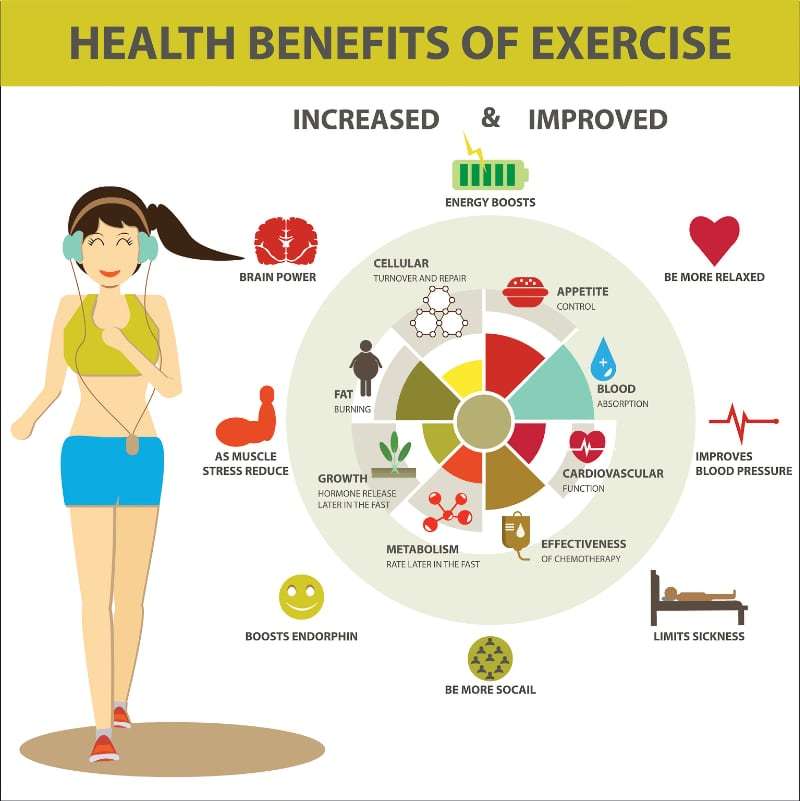
Regular exercise is a key component of maintaining heart health. Engaging in physical activity on a regular basis can help strengthen the heart and improve cardiovascular fitness. Aim for at least 150 minutes of moderate-intensity aerobic activity or 75 minutes of vigorous-intensity aerobic activity per week. Incorporating activities such as brisk walking, cycling, swimming, or dancing into your routine can significantly benefit your heart health and overall well-being.
Controlling Blood Pressure
High blood pressure, or hypertension, is a major risk factor for heart disease. Monitoring and controlling blood pressure is crucial for maintaining heart health. This can be achieved through lifestyle modifications such as adopting a healthy diet, engaging in regular physical activity, maintaining a healthy weight, reducing sodium intake, and managing stress levels. Regular blood pressure checks, either at home or with a healthcare provider, can help identify any abnormalities and guide appropriate treatment if necessary.
Avoiding Tobacco Smoke
Tobacco smoking is a leading cause of heart disease and other cardiovascular conditions. Even exposure to secondhand smoke can increase the risk of heart problems. Quitting smoking or avoiding exposure to tobacco smoke altogether can significantly improve heart health. Seeking support from healthcare professionals or enrolling in smoking cessation programs can provide the necessary tools and guidance to successfully quit smoking and protect your heart.
Managing Stress Levels
Chronic stress can have negative effects on heart health. Finding healthy ways to manage stress is essential for overall well-being, including heart health. Engaging in stress-reducing activities such as meditation, deep breathing exercises, yoga, or engaging in hobbies and activities you enjoy can help alleviate stress. Additionally, maintaining a healthy work-life balance, practicing self-care, and seeking support from friends, family, or mental health professionals can contribute to better stress management and ultimately support a healthy heart.
Mental Health
Regular Self-Care Practices
Regular self-care practices are crucial for maintaining good mental health. Taking time for yourself and engaging in activities that bring you joy, relaxation, or a sense of fulfillment can help reduce stress and improve overall well-being. This can include activities such as taking a bath, reading a book, practicing a hobby, spending time in nature, or simply setting aside dedicated time for yourself each day.
Seeking Support and Therapy
Seeking support and therapy is an important step in maintaining mental health. If you are experiencing persistent symptoms of anxiety, depression, or other mental health concerns, it is recommended to seek help from a mental health professional. Therapy can provide a safe space to explore and address any underlying issues, develop coping mechanisms, and gain support and guidance to improve your mental well-being.
Maintaining Healthy Relationships
Maintaining healthy relationships is essential for good mental health. Surrounding yourself with positive and supportive individuals can contribute to an overall sense of well-being. Cultivating open and honest communication, practicing active listening, and setting healthy boundaries are all important aspects of maintaining healthy relationships. It is also essential to recognize and address toxic or unhealthy relationships that may negatively impact your mental health.
Practicing Mindfulness and Meditation
Practicing mindfulness and meditation can have significant benefits for mental health. Mindfulness involves focusing on the present moment and accepting it without judgment. Engaging in meditation or mindfulness practices, such as deep breathing exercises or guided meditation, can help reduce stress, improve focus, and enhance overall mental well-being. By incorporating these practices into your daily routine, you can cultivate a greater sense of calm and resilience.
Avoiding Substance Abuse
Avoiding substance abuse is crucial for maintaining good mental health. Substance abuse can exacerbate existing mental health issues or contribute to the development of new mental health concerns. If you or someone you know is struggling with substance abuse, it is important to seek help from professionals who specialize in addiction treatment. Support groups and therapy can be valuable resources in overcoming substance abuse and improving mental well-being.
Urinary Health
Staying Hydrated
Staying hydrated is important for maintaining good urinary health. Drinking an adequate amount of water each day can help flush out toxins in the urinary tract, reducing the risk of urinary tract infections (UTIs) and promoting overall urinary system function. Aim to drink at least eight glasses of water per day, or more if you engage in strenuous physical activity or live in a hot climate.
Practicing Good Hygiene
Practicing good hygiene is essential for urinary health. Proper hygiene habits, such as wiping from front to back after using the toilet, can help prevent the spread of bacteria from the anal area to the urethra, reducing the risk of UTIs. It is also important to cleanse the genital area with mild, unscented soap and water regularly to maintain cleanliness and prevent irritation.
Urinating Regularly
Urinating regularly is crucial for maintaining urinary health. Holding in urine for prolonged periods can increase the risk of urinary tract infections and other urinary issues. Be mindful of the urge to urinate and make sure to empty your bladder completely each time you go to the bathroom. It is recommended to urinate every 3-4 hours, or more frequently if needed.
Emptying Bladder Completely
Ensuring that you empty your bladder completely when urinating is important for urinary health. Incomplete emptying can result in stagnant urine, which provides a breeding ground for bacteria and increases the risk of urinary tract infections. Take your time when urinating and make sure to fully empty your bladder to maintain optimal urinary system function.
Avoiding Excessive Intake of Caffeine or Alcohol
Excessive intake of caffeine or alcohol can have negative effects on urinary health. Both caffeine and alcohol act as diuretics, increasing urine production and potentially irritating the urinary system. It is recommended to moderate your consumption of caffeine and alcohol to minimize any potential negative impact on urinary health. Be mindful of the beverages you consume and consider opting for water or herbal teas as alternatives.
Weight Management
Balanced Diet
Maintaining a balanced diet is crucial for weight management. Opt for a diet that includes a variety of fruits, vegetables, whole grains, lean proteins, and healthy fats. Avoid or limit the consumption of processed foods, sugary snacks, and beverages high in added sugars. By adopting a balanced diet, you can provide your body with the necessary nutrients and support healthy weight management.
Regular Physical Activity
Regular physical activity is an essential component of weight management. Engaging in regular exercise can help burn calories, boost metabolism, and promote overall health and well-being. Aim for at least 150 minutes of moderate-intensity aerobic activity or 75 minutes of vigorous-intensity aerobic activity per week, along with strength training exercises at least twice a week. Find activities you enjoy and incorporate them into your daily routine to support weight management.
Portion Control
Practicing portion control is important for weight management. Be mindful of the amount of food you consume and pay attention to portion sizes. Use smaller plates and bowls to help control portion sizes, and be mindful of eating until you are comfortably full, rather than overly full. By practicing portion control, you can better manage calorie intake and support healthy weight management.
Tracking Food Intake
Tracking your food intake can be a helpful tool for weight management. Keeping a food diary or using a mobile app to record your meals and snacks can increase awareness of your eating habits and help identify areas where improvements can be made. By tracking your food intake, you can make more informed choices, monitor your calorie intake, and optimize your weight management efforts.
Mindful Eating Habits
Practicing mindful eating habits can contribute to weight management. Mindful eating involves paying attention to the sensations of hunger and fullness, as well as the taste, texture, and enjoyment of food. Slow down while eating, savor each bite, and listen to your body’s cues of hunger and fullness. By cultivating mindful eating habits, you can develop a healthier relationship with food and better support weight management goals.
Skin Health
Sun Protection
Sun protection is crucial for maintaining healthy skin. Exposure to UV radiation from the sun can lead to premature aging, wrinkles, sunburns, and an increased risk of skin cancer. Protect your skin by wearing sunscreen with a broad-spectrum SPF of at least 30, seeking shade during peak sun hours, and wearing protective clothing, such as hats and sunglasses. Incorporating sun protection into your daily routine can help maintain the health and appearance of your skin.
Regular Skincare Routine
Establishing a regular skincare routine is important for maintaining healthy skin. Cleanse your skin twice a day using a gentle cleanser appropriate for your skin type. Follow up with a moisturizer to keep your skin hydrated and nourished. It is also important to exfoliate your skin once or twice a week to remove dead skin cells and promote a smooth complexion. Additionally, protect your skin by using products with SPF, even on cloudy days.
Healthy Diet and Hydration
Maintaining a healthy diet and staying hydrated are important for overall skin health. Eating a balanced diet rich in fruits, vegetables, whole grains, lean proteins, and healthy fats can provide the necessary nutrients to support healthy skin. Drinking an adequate amount of water each day helps keep your skin hydrated and can improve skin texture and appearance.
Avoiding Smoking
Smoking has numerous detrimental effects on skin health. It can accelerate the aging process, cause wrinkles, and contribute to the development of skin conditions such as psoriasis. In addition, smoking can impair blood flow to the skin and delay wound healing. Quitting smoking can significantly improve the health and appearance of your skin, as well as overall well-being.
Early Detection of Skin Issues
Early detection of skin issues is crucial for prompt treatment and management. Perform regular self-examinations of your skin to check for any changes, such as new moles, growths, or changes in existing moles. If you notice any concerning changes or experience symptoms such as itching, bleeding, or ulcers, it is important to consult with a dermatologist. They can assess your skin and provide appropriate diagnosis and treatment to address any potential skin issues.

Sexual Health
Open Communication
Open communication is vital for maintaining healthy sexual relationships. It is important to have honest and open conversations with your partner about your sexual health, boundaries, and desires. Discussing topics such as contraception, STI testing, and consent can help ensure that both partners are comfortable and on the same page regarding sexual activities.
Consent and Boundaries
Consent and establishing clear boundaries are essential aspects of healthy sexual relationships. Always obtain and respect consent from your partner before engaging in any sexual activity. Additionally, communicate and establish boundaries that are mutually agreed upon and respected. By prioritizing consent and boundaries, you can foster a safe and healthy sexual environment.
Regular STI Testing
Regular STI testing is an important part of maintaining sexual health and preventing the spread of infections. Talk to your healthcare provider about recommended STI testing frequency based on your sexual activity and individual risk factors. By getting tested regularly, you can detect and treat any STIs early on, reducing the risk of transmission and promoting overall sexual health.
Using Barrier Methods
The use of barrier methods, such as condoms, is crucial for preventing STIs and unwanted pregnancies. Condoms provide a physical barrier that helps prevent the exchange of bodily fluids and reduce the risk of STIs. Additionally, barrier methods can be combined with other forms of contraception for added protection against unintended pregnancies. Prioritizing the use of barrier methods during sexual activities is an important step in maintaining sexual health.
Educating Oneself about Sexual Health
Educating oneself about sexual health is key to making informed decisions and maintaining a healthy sexual lifestyle. Stay updated on topics such as contraception options, STIs, sexual consent, and healthy relationships. Reliable sources, such as healthcare providers, reputable websites, and sexual health organizations, can provide accurate and up-to-date information to help you make informed choices regarding your sexual health.
Cancer Prevention
Regular Screenings
Regular screenings are essential for the early detection and prevention of various types of cancer. Depending on your age and individual risk factors, screenings may include mammograms, Pap smears, colonoscopies, and other tests. These screenings can help detect cancer at its earliest stages, when treatment is most effective. Consult with your healthcare provider to determine the appropriate screening schedule for your individual needs.
Healthy Lifestyle Choices
Healthy lifestyle choices, such as maintaining a balanced diet, engaging in regular physical activity, and avoiding tobacco and excessive alcohol consumption, can significantly contribute to cancer prevention. By adopting a healthy lifestyle, you can reduce your overall cancer risk and improve your overall well-being.
Avoiding Exposure to Carcinogens
Carcinogens are substances or agents that have the potential to cause cancer. Minimizing exposure to carcinogens, such as tobacco smoke, certain chemicals, and radiation, can reduce the risk of developing cancer. Take precautions in your daily life to avoid exposure to known carcinogens and consult with healthcare professionals or occupational health specialists if you have concerns about potential exposures.
Understanding Family Medical History
Understanding your family medical history is crucial for assessing your individual risk for certain types of cancer. Some cancers have a hereditary component, so being aware of any family history of cancer can help inform decisions about screenings and preventive measures. Share your family medical history with your healthcare provider so they can provide appropriate recommendations for your individual circumstances.
Being Aware of Body Changes
Being aware of your body and any unusual or persistent changes is important in cancer prevention and early detection. Pay attention to any changes in skin moles, lumps or bumps, unexplained weight loss, changes in bowel or bladder habits, or any other concerning symptoms. If you notice anything abnormal, consult with a healthcare professional to discuss your concerns and determine if further evaluation is necessary.
In conclusion, taking proactive steps to prioritize and maintain your physical and mental health is essential for overall well-being. By practicing regular self-exams, undergoing screenings, adopting healthy habits, and seeking appropriate medical care, you can prevent and manage common women’s health issues. Remember to consult with healthcare professionals for personalized advice and guidance tailored to your specific needs.
