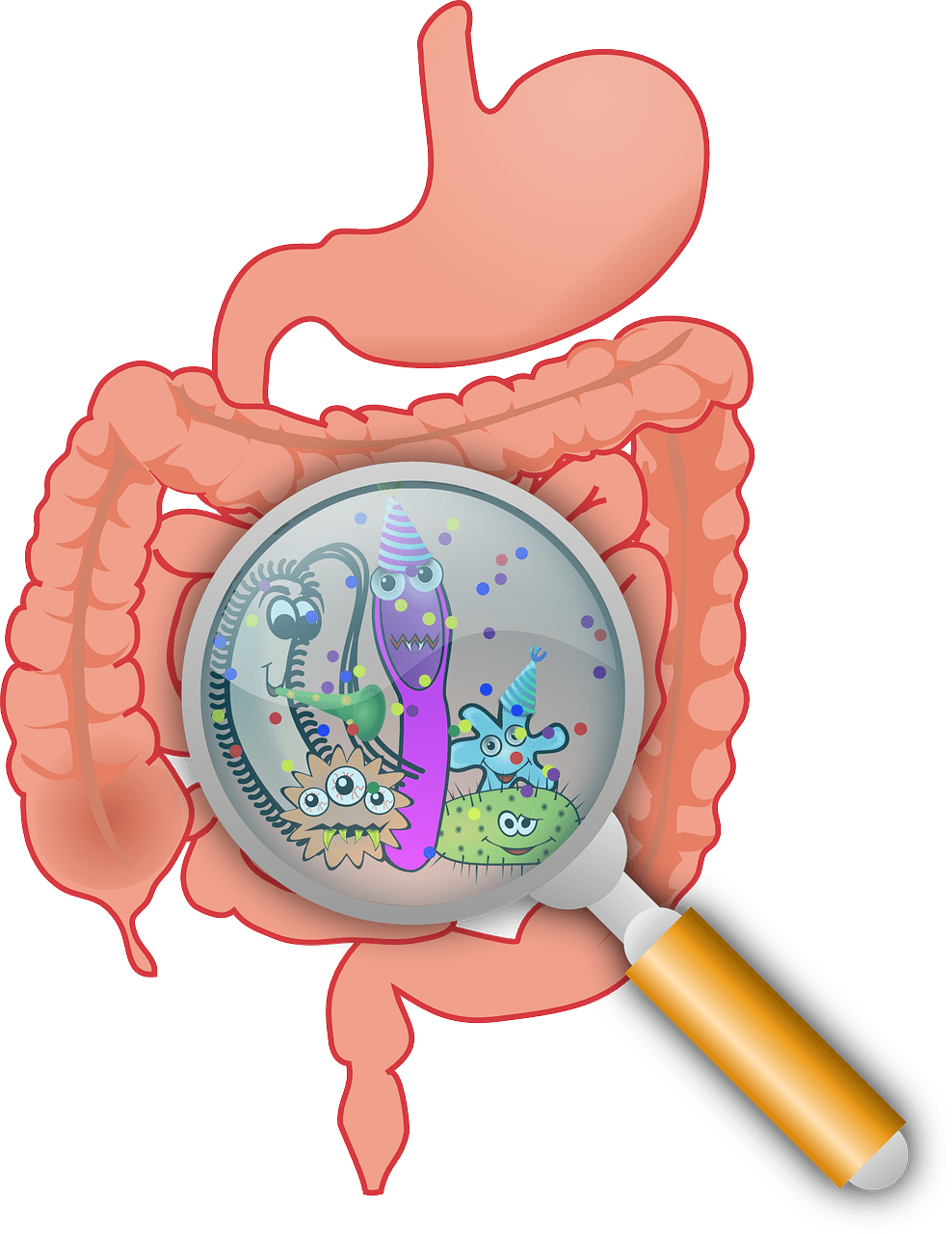
Welcome to the ultimate guide on preventing and managing digestive issues! In this article, you will discover the top ways to keep your digestive system happy and healthy. From making simple dietary changes to incorporating stress-reducing activities into your daily routine, you will learn practical tips that you can start implementing today to alleviate digestive discomfort and improve overall gut health. Say goodbye to bloating, indigestion, and other troublesome digestive problems with the strategies outlined in this comprehensive guide. Have you ever experienced discomfort after eating a meal? Digestive issues can be a common problem for many people, but the good news is that there are steps you can take to prevent and manage them. Whether you’re dealing with occasional indigestion or chronic digestive problems, incorporating certain habits and making simple lifestyle changes can make a big difference in how you feel. In this article, we’ll explore some of the top ways to prevent and manage digestive issues, so you can enjoy better digestive health and overall well-being.
Understanding Digestive Issues
Digestive issues can encompass a wide range of symptoms, from bloating and gas to heartburn and constipation. These issues can be caused by a variety of factors, including diet, stress, lack of physical activity, and certain medical conditions. By understanding the common triggers of digestive issues, you can better manage and even prevent them from occurring.
When dealing with digestive issues, it can be helpful to keep a food diary to track your symptoms and identify any patterns or triggers. This can give you valuable insight into which foods or activities may be causing your digestive problems. Additionally, being aware of your stress levels and how they impact your digestion can also help you make necessary changes to improve your digestive health.
Eating Habits for Better Digestion
Your eating habits play a significant role in your digestive health. By making simple changes to how and what you eat, you can prevent digestive issues and promote better digestion. Here are some tips to consider when it comes to your eating habits:
Eat Mindfully
One of the most important habits you can adopt for better digestion is to eat mindfully. This means paying attention to your food, savoring each bite, and chewing your food thoroughly. By taking the time to eat slowly and mindfully, you can help your body digest food more easily and prevent issues like bloating and indigestion.
Eating while distracted, such as watching TV or using your phone, can lead to overeating and poor digestion. Try to create a calm and relaxing environment when you eat, and focus on enjoying your meals without distractions.
Include Fiber in Your Diet
Fiber is essential for healthy digestion, as it helps to regulate bowel movements and prevent constipation. Foods rich in fiber include fruits, vegetables, whole grains, and legumes. Aim to include a variety of high-fiber foods in your diet to support your digestive health.
Stay Hydrated
Drinking an adequate amount of water is crucial for proper digestion. Water helps to soften stool and prevent constipation, as well as support the overall function of your digestive system. Aim to drink at least 8-10 glasses of water per day to stay hydrated and promote healthy digestion.
Stress Management for Better Digestive Health
Stress is a common trigger for digestive issues, as it can impact the function of your digestive system and lead to symptoms like indigestion and bloating. By managing your stress levels, you can prevent and reduce the occurrence of digestive problems. Here are some tips for managing stress for better digestive health:
Practice Relaxation Techniques
Incorporate relaxation techniques into your daily routine, such as deep breathing, meditation, or yoga. These practices can help you calm your mind and body, reduce stress levels, and improve your digestion.
Get Regular Exercise
Physical activity is not only beneficial for your overall health but can also support healthy digestion. Regular exercise can help stimulate the movement of food through your digestive system, prevent constipation, and reduce bloating. Aim for at least 30 minutes of moderate exercise most days of the week for optimal digestive health.
Natural Remedies for Digestive Issues
When it comes to managing digestive issues, there are several natural remedies that can help alleviate symptoms and promote better digestion. These remedies are often gentle on the digestive system and can be effective in providing relief. Here are some natural remedies to consider for digestive health:
Probiotics
Probiotics are beneficial bacteria that can help restore the balance of gut flora and aid in digestion. You can find probiotics in foods like yogurt, kefir, sauerkraut, and kimchi, as well as in supplement form. Incorporating probiotic-rich foods into your diet can help improve your digestive health and reduce symptoms like bloating and gas.
Herbal Tea
Certain herbal teas can help soothe the digestive system and alleviate symptoms like bloating and indigestion. Peppermint tea, ginger tea, and chamomile tea are known for their digestive benefits and can be enjoyed after meals to support digestion.
Digestive Enzymes
Digestive enzymes are compounds that help break down food into smaller, more easily digestible molecules. If your body has trouble producing enough digestive enzymes, you may experience symptoms like bloating and gas. Taking a digestive enzyme supplement with meals can help support proper digestion and prevent digestive issues.

When to Seek Medical Attention
While many digestive issues can be managed with lifestyle changes and natural remedies, there are instances where you may need to seek medical attention. If you experience persistent or severe digestive symptoms, it’s important to consult with a healthcare professional for a proper diagnosis and treatment plan. Here are some signs that indicate you should see a doctor for digestive issues:
Persistent Symptoms
If you experience persistent digestive symptoms that do not improve with home remedies or lifestyle changes, it’s essential to see a doctor. Symptoms like chronic abdominal pain, frequent diarrhea or constipation, blood in your stool, unexplained weight loss, or severe heartburn may indicate an underlying medical condition that requires medical attention.
Family History of Digestive Issues
If you have a family history of digestive issues or gastrointestinal conditions, you may be at a higher risk for developing similar problems. It’s important to be aware of your family history and discuss any concerns with your healthcare provider to monitor and manage your digestive health effectively.
New or Worsening Symptoms
If you experience new or worsening digestive symptoms that are concerning or impacting your quality of life, it’s important to seek medical attention promptly. Your doctor can conduct tests to determine the underlying cause of your symptoms and recommend appropriate treatment options.
Conclusion
Taking proactive steps to prevent and manage digestive issues can help you enjoy better digestive health and overall well-being. By adopting healthy eating habits, managing stress, incorporating natural remedies, and knowing when to seek medical attention, you can effectively support your digestive system and reduce the occurrence of digestive problems. Remember to listen to your body, pay attention to your symptoms, and make the necessary changes to promote optimal digestive health. With the right approach and mindset, you can maintain a healthy digestive system and feel your best every day.