
Welcome to a guide that will help you in preventing overeating and maintaining portion control. By incorporating simple strategies into your daily routine, you can avoid those moments of mindless snacking or overwhelming portion sizes. With careful planning, mindful eating, and a few helpful tips, you can feel more in control of your eating habits and maintain a healthy balance that works for you. Read on to discover the top ways to prevent overeating and maintain portion control in your daily life.
Have you ever found yourself feeling uncomfortably full after a meal, regretting that last bite you took?
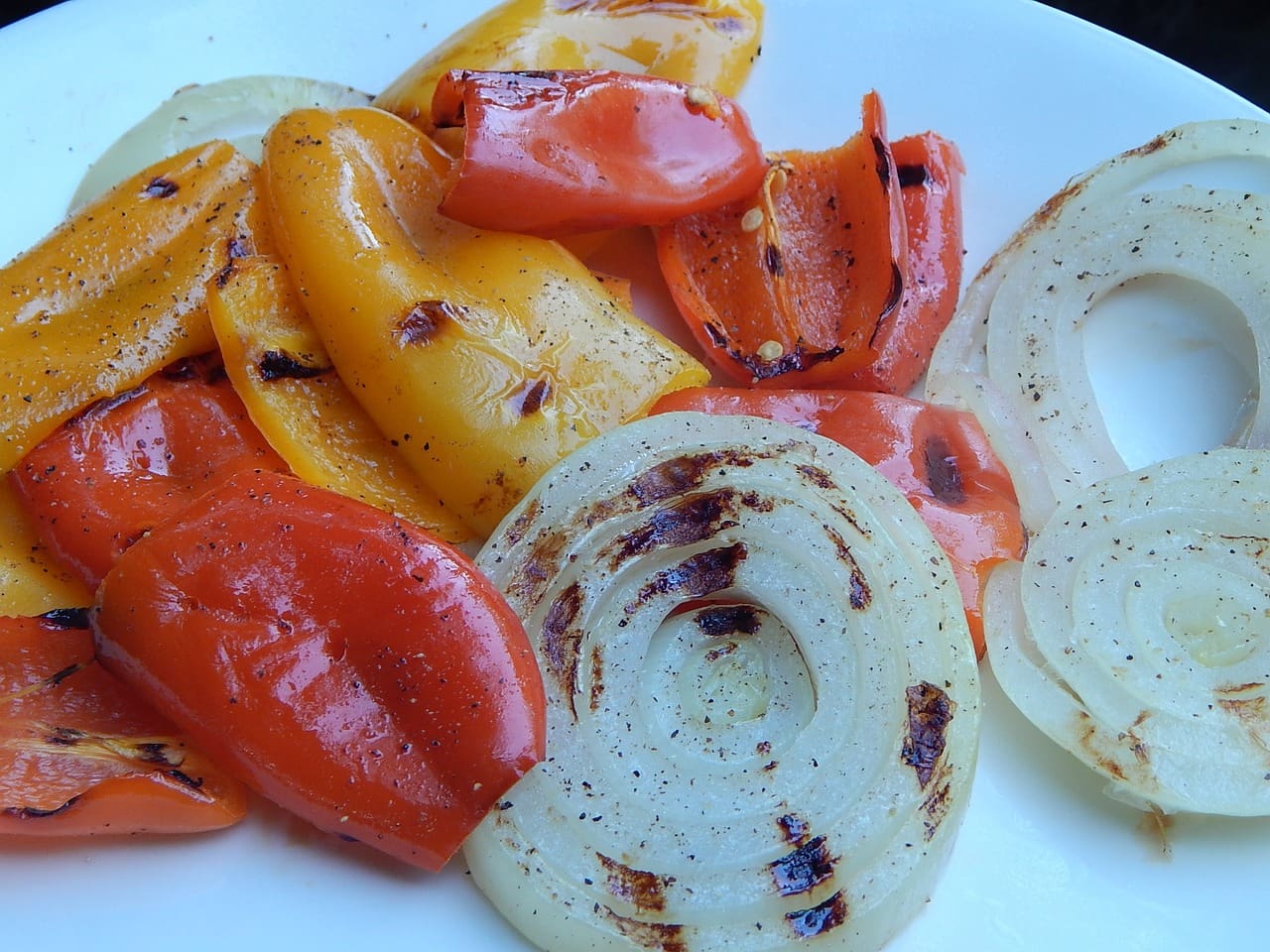
Understanding Portion Control
Portion control is a vital aspect of maintaining a healthy diet and achieving your weight management goals. It involves being mindful of how much you are eating and ensuring that you are not consuming more calories than your body needs.
Tips for Understanding Portions
Portion control may seem daunting at first, but with a little practice and awareness, you can easily get the hang of it. Here are some tips to help you understand portions better:
-
Use measuring cups and spoons: Measuring your food can give you a better idea of appropriate portion sizes.
-
Visual cues: Compare your food portions to everyday objects, such as a deck of cards for meat or a tennis ball for pasta, to get a better sense of appropriate portions.
-
Read food labels: Many packaged foods have serving sizes listed on the label, which can help you determine how much to eat.
The Role of Overeating
Overeating can lead to weight gain and a host of health issues, including heart disease, diabetes, and high blood pressure. It can be easy to overeat, especially when portion sizes are inflated at restaurants and fast-food chains.
Mindful Eating Practices
Practicing mindfulness while eating can help prevent overeating and promote healthy eating habits. By focusing on your food and paying attention to hunger cues, you can enjoy your meals without overdoing it.
Tips for Mindful Eating
-
Eat slowly: Take your time to savor each bite and give your body a chance to register when it is full.
-
Eliminate distractions: Avoid eating in front of the TV or computer, as this can lead to mindless munching.
-
Listen to your body: Pay attention to when you are hungry and when you are full, and adjust your portions accordingly.
Strategies to Prevent Overeating
There are several strategies you can implement to prevent overeating and maintain portion control. By making small adjustments to your eating habits, you can avoid feeling uncomfortably full and keep your health on track.
Tips for Preventing Overeating
-
Plan your meals: Take the time to plan your meals ahead of time, including snacks, to prevent impulsive eating.
-
Use smaller plates: By using smaller plates and bowls, you can trick your brain into thinking you are eating more than you actually are.
-
Practice portion distortion: When dining out, consider splitting entrees with a friend or asking for a to-go box right away to portion out half of your meal.
Building Healthy Eating Habits
Building healthy eating habits is crucial in maintaining portion control and preventing overeating. By incorporating nutritious foods into your diet and being mindful of portion sizes, you can nourish your body without overindulging.
Tips for Developing Healthy Eating Habits
-
Focus on whole foods: Choose whole, unprocessed foods like fruits, vegetables, whole grains, and lean proteins to fuel your body.
-
Drink plenty of water: Staying hydrated can help curb hunger and prevent overeating.
-
Balance your plate: Aim to fill half your plate with fruits and vegetables, a quarter with lean protein, and a quarter with whole grains.
The Importance of Listening to Your Body
Listening to your body’s hunger and fullness cues is essential in maintaining portion control and preventing overeating. By tuning in to what your body needs, you can avoid unnecessary calorie consumption and maintain a healthy weight.
Signs of Hunger and Fullness
-
Hunger: Stomach growling, lightheadedness, irritability, and decreased concentration are signs that your body needs nourishment.
-
Fullness: Feeling satisfied, a lack of interest in food, and a slower pace of eating all indicate that you have had enough to eat.
Practicing Portion Control in Social Settings
Social gatherings and events can be challenging when it comes to maintaining portion control and preventing overeating. By employing some simple strategies, you can enjoy yourself without compromising your health goals.
Tips for Social Situations
-
Bring a dish: By bringing a healthy dish to share, you can ensure there are nutritious options available.
-
Fill up on veggies: Load up on vegetables and salads first to help curb your appetite before indulging in other foods.
-
Choose beverages wisely: Opt for water or unsweetened beverages instead of sugary cocktails or sodas to save on calories.
The Benefits of Regular Exercise
Regular physical activity plays a significant role in weight management and overall health. By incorporating exercise into your routine, you can boost your metabolism, burn calories, and maintain a healthy weight.
Tips for Incorporating Exercise
-
Find activities you enjoy: Whether it’s walking, swimming, or dancing, choose activities that you love to stay motivated.
-
Set realistic goals: Start small and gradually increase the intensity and duration of your workouts to avoid burnout.
-
Schedule your workouts: Treat exercise like an important appointment by scheduling it into your day to ensure you make time for it.
Seeking Professional Help
If you struggle with overeating and portion control despite your best efforts, it may be beneficial to seek professional help. A registered dietitian or nutritionist can provide personalized guidance and support to help you establish healthy eating habits.
Working with a Professional
-
Assessment: A nutrition professional will assess your current eating habits, health goals, and any underlying issues that may be contributing to overeating.
-
Customized plan: Based on your unique needs, a personalized nutrition plan will be created to help you achieve and maintain optimal portion control.
-
Support and accountability: Regular check-ins and ongoing support from a nutrition professional can help keep you on track and motivated towards your goals.
Conclusion
Maintaining portion control and preventing overeating are essential components of a healthy diet and lifestyle. By implementing mindful eating practices, practicing portion control strategies, and building healthy eating habits, you can enjoy your meals without feeling deprived or uncomfortably full. Remember to listen to your body, seek balance in your eating habits, and prioritize your health and well-being. With dedication and practice, you can achieve and maintain your weight management goals while nourishing your body with the nutrients it needs.