Are you ready to unlock the secrets to a long and fulfilling life? Look no further! In this article, we will explore the top ways to promote healthy aging and longevity. Learn how simple lifestyle choices and habits can have a profound impact on your overall well-being as you age. From staying active and exercising regularly, to nourishing your body with a balanced diet and maintaining social connections, we will provide you with practical tips and advice to help you age gracefully. So, let’s embark on this journey towards a vibrant and thriving future together!
Stay Physically Active
Engage in regular exercise
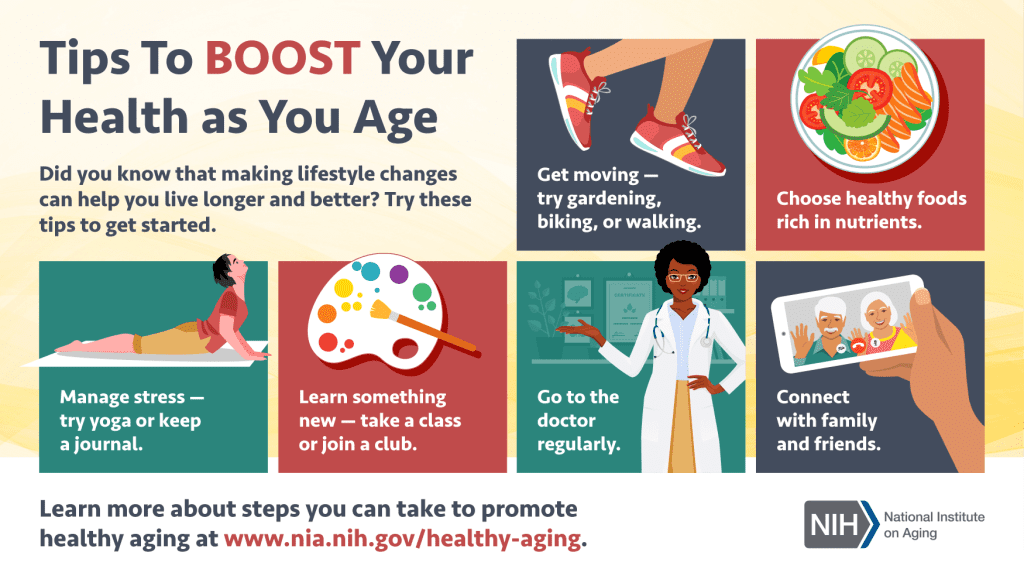
One of the top ways to promote healthy aging and longevity is by staying physically active. Regular exercise has numerous benefits for your overall health and well-being. It not only helps you maintain a healthy weight but also reduces the risk of chronic diseases such as heart disease, diabetes, and certain types of cancer. Engaging in activities that get your heart rate up, such as brisk walking, jogging, or cycling, can help improve cardiovascular health and increase endurance. Aim for at least 150 minutes of moderate-intensity exercise or 75 minutes of vigorous-intensity exercise each week to keep your body strong and resilient.
Incorporate strength training
In addition to cardiovascular exercise, it’s important to incorporate strength training into your routine. Strength training exercises, such as weightlifting or resistance training, help build and maintain muscle mass, increase bone density, and improve balance and coordination. As you age, muscle mass naturally declines, which can lead to a decrease in strength and mobility. By engaging in regular strength training exercises, you can prevent muscle loss and maintain your independence as you get older. Aim to incorporate strength training exercises at least two days a week, focusing on all major muscle groups.
Take up a sport or recreational activity
To make exercise more enjoyable and sustainable, consider taking up a sport or recreational activity that you love. Whether it’s tennis, swimming, hiking, dancing, or any other physical activity, finding something you enjoy can make staying active a fun and recreational experience. Not only will you reap the physical benefits, but you’ll also have the opportunity to socialize, make new friends, and explore new environments. Look for community sports leagues or clubs that offer various activities tailored to different interests and fitness levels. Remember, staying physically active doesn’t have to feel like a chore; it can be an opportunity for personal growth, joy, and vitality.
Maintain a Healthy Diet
Eat a variety of fruits and vegetables
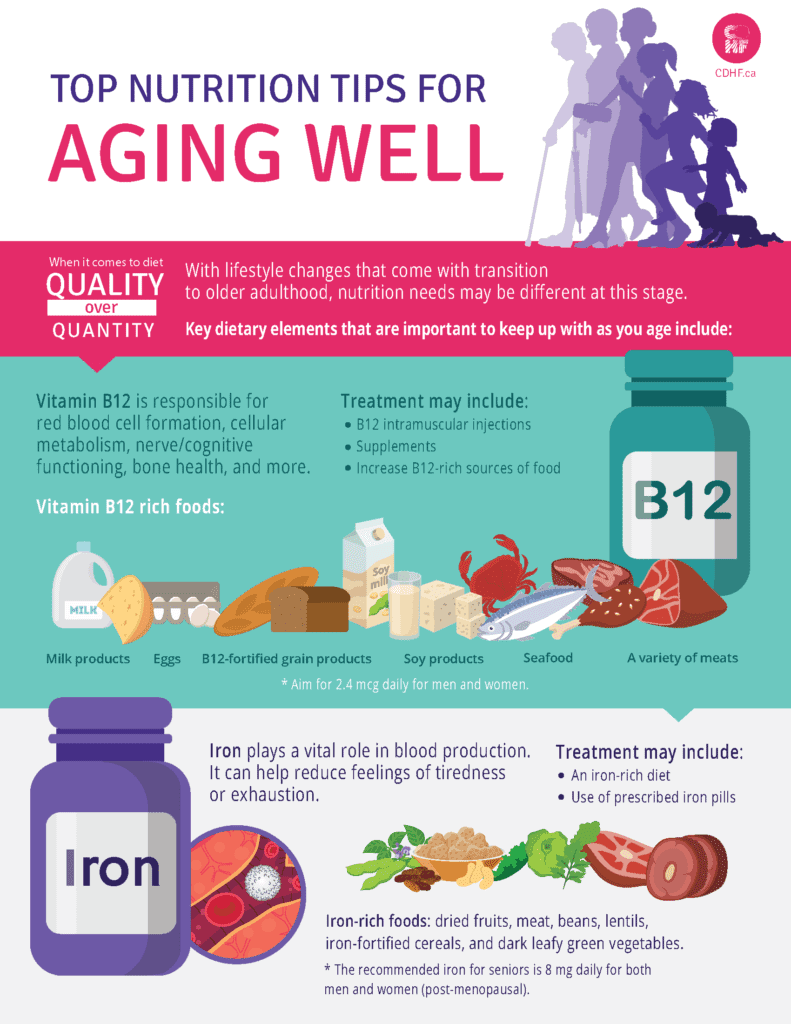
A healthy diet plays a crucial role in promoting healthy aging and longevity. One of the key aspects of a healthy diet is consuming a variety of fruits and vegetables. These colorful and nutrient-dense foods provide essential vitamins, minerals, antioxidants, and fiber that are vital for maintaining optimal health. Aim to include a variety of fruits and vegetables in your daily meals, as each type offers different nutrients and health benefits. Try to choose whole, unprocessed fruits and vegetables rather than relying on juices or canned options, as they tend to have added sugars and lower nutritional value.
Include whole grains and healthy fats
In addition to fruits and vegetables, it’s important to include whole grains and healthy fats in your diet. Whole grains, such as brown rice, whole wheat bread, and quinoa, provide a good source of fiber, vitamins, and minerals. They also help stabilize blood sugar levels and promote digestive health. Healthy fats, such as those found in avocados, nuts, seeds, and olive oil, are essential for brain function, heart health, and the absorption of certain nutrients. Avoiding or minimizing the intake of saturated and trans fats found in processed foods and fried items is also important for maintaining a healthy diet.
Limit processed foods and added sugars
To promote healthy aging and longevity, it’s important to limit the consumption of processed foods and added sugars. Processed foods are often high in sodium, unhealthy fats, and added preservatives, which can have negative effects on your health. These foods are typically low in nutritional value and may contribute to weight gain, inflammation, and an increased risk of chronic diseases. Additionally, added sugars, such as those found in sugary drinks, desserts, and processed snacks, can lead to weight gain, diabetes, and tooth decay. Opt for whole, unprocessed foods as much as possible and choose natural sweeteners like fruits or small amounts of honey or maple syrup when necessary.
Get Sufficient Sleep
Establish a consistent sleep schedule
Getting sufficient sleep is vital for maintaining good health and well-being throughout your life. Establishing a consistent sleep schedule is an effective way to promote healthy aging and longevity. Try to go to bed and wake up at the same time every day, even on weekends. This helps regulate your body’s internal clock and promotes a more restful sleep. Create a relaxing bedtime routine to signal to your body that it’s time to wind down, such as reading a book, taking a warm bath, or practicing relaxation techniques. Avoid stimulating activities, such as watching TV or using electronic devices, close to bedtime, as they can interfere with your sleep.
Create a relaxing bedtime routine
In addition to maintaining a consistent sleep schedule, creating a relaxing bedtime routine can greatly improve your sleep quality. Engaging in calming activities before bed helps signal to your body and mind that it’s time to relax and prepare for sleep. Consider incorporating activities such as stretching, practicing mindfulness or meditation, listening to calming music or nature sounds, or enjoying a cup of herbal tea. These activities can help reduce stress, promote relaxation, and improve the ease of falling asleep. Experiment with different techniques to find what works best for you and make it a regular part of your evening routine.
Make your sleep environment conducive to restful sleep
Creating a sleep-friendly environment can greatly enhance your sleep quality. Your bedroom should be dark, quiet, and cool to promote restful sleep. Use blackout curtains or blinds to eliminate outside light, and consider using earplugs or a white noise machine to block out any disruptive noises. Ensure your mattress and pillows are comfortable and supportive to avoid any discomfort or body pain during the night. Keep electronic devices out of the bedroom or place them on night mode to minimize their impact on your sleep. By creating a peaceful and comfortable sleep environment, you can improve the quantity and quality of your sleep, leading to better overall health and well-being.
Manage Stress Levels
Practice stress-reducing techniques like meditation and deep breathing
Managing stress is essential for healthy aging and longevity. Chronic stress can have detrimental effects on both your physical and mental health. Engaging in stress-reducing techniques, such as meditation, deep breathing, or yoga, can help calm your mind and promote a sense of relaxation. Taking just a few minutes each day to practice these techniques can lower stress hormone levels, reduce anxiety, and improve your overall well-being. Find a quiet and comfortable space where you can focus on your breath or practice mindfulness. There are also numerous mobile apps or online resources available that can guide you through guided meditation or breathing exercises.
Engage in activities that bring you joy and relaxation
In addition to specific stress-reducing techniques, engaging in activities that bring you joy and relaxation is crucial for managing stress levels. Take time each day to do something you love, whether it’s reading a book, listening to music, creating art, gardening, or any other hobby or activity that brings you happiness. Engaging in activities that you enjoy helps shift your focus away from stressors and promotes a positive mindset. It’s important to prioritize self-care and make time for activities that recharge and rejuvenate you.
Seek support from loved ones or a therapist
If you find that stress is becoming overwhelming or affecting your daily life, seek support from your loved ones or a therapist. Talking to someone you trust about your feelings and concerns can provide a sense of relief and help you gain perspective. Additionally, a therapist can provide professional guidance and support in managing stress and improving your mental well-being. They can teach you coping mechanisms, stress management techniques, and help you develop resilience and emotional balance. Remember, there is no shame in seeking help, and it is a sign of strength to prioritize your mental health.
Stay Mentally Stimulated
Read books and engage in intellectual activities
Keeping your mind active and engaged is crucial for healthy aging and longevity. Reading books, magazines, or newspapers can stimulate your brain and expand your knowledge. Choose a wide range of topics that interest you and challenge yourself with new ideas and perspectives. Engage in intellectual conversations with friends, join book clubs or discussion groups, or participate in online forums to further stimulate your mind and keep it sharp. By regularly exposing your brain to new information and ideas, you can improve cognitive function and maintain mental acuity as you age.
Learn new skills or hobbies
Learning new skills or hobbies is another excellent way to stay mentally stimulated. Taking up a new language, musical instrument, or any other skill that interests you can help create neural connections and improve cognitive function. Learning stimulates different parts of the brain and promotes neuroplasticity, the brain’s ability to adapt and change. It also gives you a sense of accomplishment and boosts self-confidence. Look for local classes, online courses, or tutorials to get started on your learning journey. Remember, it’s never too late to learn something new and add richness to your life.
Do puzzles or play brain games
Puzzles and brain games are not only entertaining but also beneficial for maintaining mental sharpness. Engaging in activities like crossword puzzles, sudoku, or board games challenges your brain and improves cognitive function. These activities require problem-solving, memory recall, and critical thinking skills, which help keep your mind active and agile. There are numerous puzzle books, online games, and mobile applications available specifically designed to exercise your brain. Incorporate them into your daily routine or set aside dedicated time to enjoy these mentally stimulating activities.
Maintain Social Connections
Spend time with friends and family
Maintaining social connections is an integral part of healthy aging and longevity. Spending time with friends and family provides social support, fosters a sense of belonging and purpose, and promotes overall well-being. Make it a priority to connect with your loved ones on a regular basis, whether through phone calls, video chats, or in-person meetings. Plan social activities, such as family gatherings, game nights, or outings with friends, to strengthen your relationships and create lasting memories. Surrounding yourself with positive and supportive individuals can have a profound impact on your mental and emotional health.
Join community groups or clubs
To expand your social network and meet new people, consider joining community groups or clubs that align with your interests. Whether it’s a sports team, a hobby club, a book club, a volunteering organization, or a senior center, these groups offer opportunities for social interaction and engagement. Engaging in group activities helps connect you with individuals who share similar interests, making it easier to establish new friendships and connections. Participating in these groups not only provides a sense of community but also encourages personal growth, learning, and a sense of purpose.
Volunteer or engage in social activities
Volunteering or engaging in social activities is not only a way to give back to your community but also an opportunity to stay socially active and connected. Look for local volunteer organizations or community centers that offer opportunities to contribute your skills and time. Whether it’s assisting at a food bank, organizing events, or volunteering at a hospital or animal shelter, find a cause that resonates with you and get involved. Volunteering not only benefits others but can also enhance your own well-being, giving you a sense of fulfillment, purpose, and a deeper connection to your community.

Take Care of Your Mental Health
Practice self-care regularly
Taking care of your mental health is essential for healthy aging and longevity. Practicing self-care regularly can greatly contribute to your overall well-being. Self-care involves prioritizing activities that nourish your mind, body, and soul. It can include activities such as taking a relaxing bath, going for a walk in nature, engaging in a hobby, practicing mindfulness or meditation, or simply spending time alone doing something that brings you joy. Make it a habit to check in with yourself regularly and listen to your needs. By dedicating time to care for yourself, you can reduce stress, improve mental clarity, and enhance your overall quality of life.
Seek professional help if needed
If you find that you’re struggling with your mental health or experiencing persistent feelings of sadness or anxiety, don’t hesitate to seek professional help. Just as you would seek medical help for a physical ailment, reaching out to a mental health professional can provide valuable support and guidance. Therapists and counselors are trained to help you navigate through difficult emotions, develop coping strategies, and improve your mental well-being. There are various treatment options available, such as individual therapy, group therapy, or counseling sessions, depending on your specific needs and circumstances. Remember, seeking help is a sign of strength and a proactive step towards taking care of your mental health.
Stay aware of your emotional well-being
Staying aware and in tune with your emotional well-being is crucial for maintaining good mental health. Pay attention to your thoughts, feelings, and emotions on a regular basis. This self-awareness can help you identify any negative patterns or triggers that may be affecting your mental well-being. Practice self-reflection or journaling to explore your emotions and gain a deeper understanding of yourself. If you notice persistent feelings of sadness, anxiety, or any other emotional distress, seek support and professional guidance. Prioritizing your emotional well-being is an integral part of healthy aging and can greatly enhance your overall quality of life.
Stay Hydrated
Drink plenty of water
Staying hydrated is essential for maintaining good health and well-being. Make sure to drink plenty of water throughout the day to keep your body functioning optimally. Water helps regulate body temperature, lubricate joints, and transport nutrients to cells. Aim to drink at least eight glasses of water per day, and more if you’re physically active or in hot weather. Carry a reusable water bottle with you to remind yourself to stay hydrated and make it easily accessible. If you find it challenging to drink plain water, infuse it with slices of fruits or herbs for a refreshing twist.
Limit sugary drinks and alcohol
While staying hydrated is important, it’s equally important to limit the consumption of sugary drinks and alcohol. These beverages can be high in calories, added sugars, and artificial ingredients, which can negatively impact your health and contribute to weight gain. Opt for water as your primary beverage of choice and limit the intake of sodas, fruit juices, energy drinks, and alcoholic beverages. If you consume alcohol, do so in moderation, following the recommended guidelines. Remember, moderation is the key, and being mindful of your beverage choices can greatly contribute to healthy aging and overall well-being.
Monitor your hydration levels, especially in hot weather
In certain circumstances, such as during hot weather or when engaging in strenuous physical activity, it’s important to monitor your hydration levels closely. When exposed to high temperatures, your body loses more fluids through sweat, increasing the risk of dehydration. Make sure to drink water before, during, and after physical activity or prolonged exposure to heat to replenish lost fluids. Monitor your urine color as a general indicator of hydration – light or pale yellow urine is a sign of proper hydration, while darker urine indicates a need to drink more water. It’s also essential to listen to your body and drink when you feel thirsty, as thirst is a clear signal that your body needs more fluids.

Protect Your Skin
Use sunscreen daily
Protecting your skin from the sun’s harmful UV rays is crucial for healthy aging and longevity. Sun damage can lead to premature aging, wrinkles, sunburns, and an increased risk of skin cancer. To protect your skin, make sure to use sunscreen with a broad-spectrum SPF of at least 30 every day, even on cloudy days. Apply sunscreen generously to all exposed areas of your body and reapply every two hours or more frequently if you’re swimming or sweating. Additionally, seek shade, wear protective clothing, and use accessories such as hats and sunglasses to further shield your skin from the sun.
Wear protective clothing and accessories
In addition to sunscreen, wearing protective clothing and accessories can significantly reduce sun exposure and protect your skin. Opt for lightweight, long-sleeved shirts, pants, and dresses made from tightly woven fabrics that offer a higher level of UV protection. Broad-brimmed hats provide shade and protect your face, neck, and ears from the sun’s rays. Don’t forget to wear sunglasses with UV protection to shield your eyes from harmful UV radiation. These measures not only safeguard your skin but also help prevent sunburn and minimize the risk of skin damage or skin cancer.
Avoid excessive sun exposure
To promote healthy aging and protect your skin, it’s important to avoid excessive sun exposure, especially during peak hours when the sun’s rays are strongest. Seek shade when the sun is at its highest, typically between 10 am and 4 pm, and plan outdoor activities outside of these hours whenever possible. If you need to be outside during peak hours, take extra precautions to protect your skin, such as using sunscreen, wearing protective clothing, and seeking shade whenever available. Remember, prolonged sun exposure increases the risk of sunburns, wrinkles, and skin cancer, so it’s essential to be mindful of your skin’s health.
Engage in Preventive Healthcare
Schedule regular check-ups and screenings
Engaging in preventive healthcare is crucial for maintaining good health and preventing chronic diseases. Schedule regular check-ups with your healthcare provider to monitor your overall health and identify any potential health issues early on. Regular check-ups often include measurements of vital signs, blood tests, and screenings for various conditions, depending on your age and risk factors. Some common screenings include blood pressure checks, cholesterol tests, mammograms, Pap smears, and colonoscopies. These screenings can help detect and treat health conditions in their early stages, when they are most manageable.
Get vaccinated as recommended
Vaccinations play a vital role in preventing diseases and protecting your health. Stay up to date with vaccinations as recommended by your healthcare provider. Vaccines help build immunity against various infectious diseases, such as influenza, pneumonia, shingles, and hepatitis. They not only protect you but also contribute to community immunity by preventing the spread of contagious illnesses. Consult with your healthcare provider to determine which vaccines are appropriate for your age, medical history, and lifestyle. By staying current with vaccinations, you can significantly reduce the risk of preventable diseases and their potential complications.
Follow a healthy lifestyle to prevent chronic diseases
Leading a healthy lifestyle is one of the most effective ways to prevent chronic diseases and promote healthy aging and longevity. Adopting healthy habits, such as eating a balanced diet, staying physically active, not smoking, managing stress, and getting enough sleep, can significantly reduce the risk of chronic conditions like heart disease, diabetes, and certain types of cancer. Incorporate the tips mentioned throughout this article into your daily routine and make conscious choices that support your health and well-being. Remember, prevention is key, and taking care of your body and mind today can greatly influence your health in the long run.
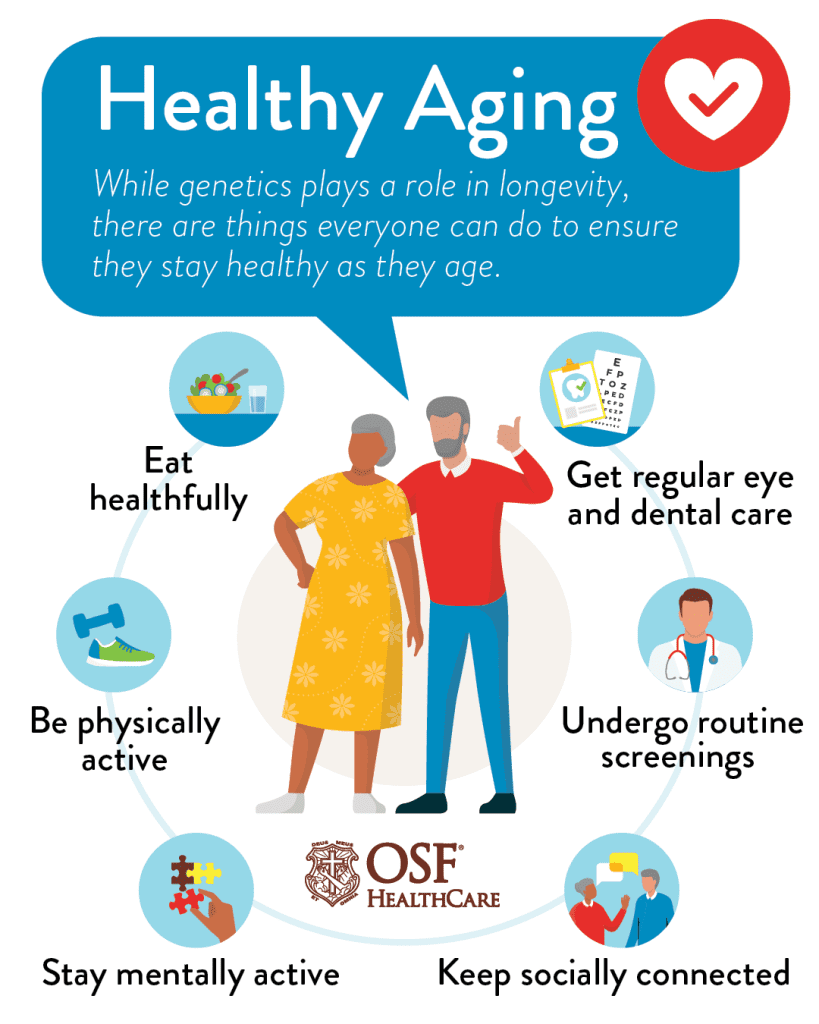
In conclusion, promoting healthy aging and longevity requires a holistic approach that encompasses physical activity, a healthy diet, sufficient sleep, stress management, mental stimulation, social connections, mental health care, hydration, skin protection, and preventive healthcare. By incorporating these top ways into your daily life, you can enhance your overall quality of life, maintain good health, and age gracefully. Remember, it’s never too late to start prioritizing your well-being, and small changes can lead to significant long-term benefits. Take care of yourself and embrace healthy aging with open arms.