

Are you searching for effective ways to alleviate stress? Look no further! In this article, you will discover the top methods for reducing stress through the power of alternative medicine. From acupuncture to aromatherapy, there are numerous holistic approaches that can help you find calm and balance in your life. By exploring these natural remedies, you can embark on a journey towards a more relaxed and peaceful state of being. Get ready to learn about the transformative potential of alternative medicine in combating stress!
Acupuncture
How Acupuncture Can Reduce Stress
Acupuncture, a key component of traditional Chinese medicine, has been used for centuries to promote overall well-being and alleviate various health issues, including stress. By targeting specific points on the body with thin needles, acupuncture helps to restore the balance of energy, known as Qi, which is believed to flow through pathways called meridians. The process of acupuncture stimulates the release of endorphins, natural painkillers that also promote relaxation and relieve stress.
During an acupuncture session, the acupuncturist will carefully insert the needles into specific points on your body. These points may be in your ears, hands, feet, or other areas depending on your specific needs. You may experience a mild sensation or tingling at the insertion sites, but most people find the process painless and even relaxing.
Benefits of Acupuncture for Stress Reduction
Acupuncture offers several benefits for stress reduction. Firstly, it can help regulate the body’s stress response by activating the parasympathetic nervous system, which counteracts the fight-or-flight response. This results in a state of deep relaxation and reduced tension.
Additionally, acupuncture can improve sleep quality, which is often affected by stress. By promoting relaxation and balancing the body’s energy, acupuncture can alleviate insomnia and help you achieve restful sleep.
Furthermore, acupuncture has been found to reduce the levels of stress hormones in the body, such as cortisol. Chronically elevated cortisol levels are associated with increased stress and anxiety, so acupuncture’s ability to lower these levels can have a profound impact on stress reduction.
What to Expect During an Acupuncture Session
When scheduling an acupuncture session, it’s important to find a qualified and licensed acupuncturist to ensure your safety and receive optimal results. During your first visit, you will have a consultation with the acupuncturist to discuss your specific symptoms and stress-related issues. This will enable the acupuncturist to develop a customized treatment plan tailored to your needs.
Upon entering the treatment room, you will typically be asked to lie down on a comfortable table. The acupuncturist will then start the session by inserting fine, sterile needles into the designated acupuncture points. The needles will remain in place for about 20 to 30 minutes while you relax and allow the treatment to take effect. Some practitioners may enhance the session by incorporating other techniques, such as moxibustion (the burning of herbs near the skin) or acupressure.
Many people find acupuncture sessions to be deeply relaxing, often reporting a sense of calm and well-being during and after treatment. Some individuals may experience a mild sensation or temporary soreness at the needle insertion sites, but adverse effects are minimal. It’s essential to communicate openly with your acupuncturist throughout the session to ensure your comfort and address any concerns that may arise.
Meditation
Different Meditation Techniques for Stress Relief
Meditation is a powerful practice that has gained popularity in recent years for its ability to reduce stress and promote mental well-being. There are various meditation techniques to choose from, allowing you to find the one that resonates with you and suits your lifestyle.
One common meditation technique is focused attention meditation, also known as mindfulness meditation. In this practice, you focus your attention on a specific object, such as your breath or a particular sensation in your body. Whenever your mind wanders, you gently bring your focus back to the chosen point of attention. Through this process, you develop a non-judgmental awareness of the present moment, which can help alleviate stress by reducing rumination and promoting a sense of calm.
Another technique is loving-kindness meditation, which involves cultivating feelings of love, compassion, and kindness towards oneself and others. This practice encourages sending positive intentions and well-wishes to oneself, loved ones, and even those with whom you may have difficulties. By fostering a mindset of goodwill, this meditation technique can counteract negative emotions associated with stress and improve your overall well-being.
Body scan meditation is yet another technique that can be helpful for stress reduction. During a body scan, you systematically direct your attention to different parts of your body, observing any physical sensations or areas of tension without judgment. This practice promotes relaxation and body awareness, allowing you to release any stored tension or stress.
How to Practice Meditation for Stress Reduction
To practice meditation for stress reduction, find a quiet and comfortable space where you can sit or lie down without distractions. Set aside dedicated time for meditation, whether it’s a few minutes or longer, and make it a regular part of your routine.
Start by focusing on your breath, allowing it to flow naturally without trying to control it. As thoughts or distractions arise, simply acknowledge them and gently guide your focus back to your breath or chosen point of attention. The goal of meditation is not to eliminate all thoughts but rather to cultivate a non-reactive awareness of the present moment.
You may find it helpful to use guided meditation apps or recordings, especially if you are new to meditation. These resources provide instructions and support as you navigate your meditation practice. Remember, meditation is a skill that develops over time, so be patient with yourself and approach it with an attitude of self-compassion.
Benefits of Regular Meditation
Regular meditation offers a wide range of benefits for stress reduction and overall well-being. Some of these benefits include:
-
Stress reduction: Meditation activates the relaxation response and aids in managing stress and anxiety.
-
Improved focus and clarity: Regular practice enhances mental clarity, concentration, and focus.
-
Emotional balance: Meditation helps develop emotional resilience, allowing you to respond to challenges with greater equanimity and stability.
-
Increased self-awareness: By cultivating mindfulness, meditation enables you to become more attuned to your thoughts, emotions, and bodily sensations, leading to a deeper understanding of yourself.
-
Better sleep: Practicing meditation has been shown to improve sleep quality and reduce insomnia, allowing you to wake up feeling refreshed and rejuvenated.
-
Enhanced overall well-being: Regular meditation promotes a sense of inner calm, contentment, and overall well-being, positively impacting physical and mental health.
Incorporating meditation into your daily routine can have long-lasting effects on stress reduction and overall quality of life.

Herbal Remedies
Popular Herbs for Stress Relief
Herbal remedies have been used for centuries to alleviate stress and promote relaxation. Several herbs are known for their calming properties and adaptogenic effects. Here are some popular herbs commonly used for stress relief:
-
Chamomile: Chamomile is well-known for its soothing and calming properties. It can help relieve anxiety, promote better sleep, and reduce stress-related gastrointestinal discomfort.
-
Lavender: Lavender is often used in aromatherapy for its relaxing aroma, but it can also be consumed as a tea or taken as a supplement. Lavender helps to reduce anxiety, promote relaxation, and improve sleep quality.
-
Ashwagandha: Ashwagandha is an adaptogenic herb that helps the body adapt to stress. It can improve resilience to stress, reduce anxiety, and support overall well-being.
-
Lemon balm: Lemon balm has a mild sedative effect and is often used to reduce anxiety and promote relaxation. It can be consumed as a tea or taken as a supplement.
-
Valerian root: Valerian root has a long history of use as a natural remedy for sleep disorders and anxiety. It can help promote relaxation and improve sleep quality.
How to Use Herbal Remedies for Stress Management
There are various ways to incorporate herbal remedies into your stress management routine. Here are some common methods:
-
Herbal teas: Many stress-relieving herbs can be brewed into delicious and soothing teas. Simply steep the herbs in hot water for a few minutes, strain, and enjoy. Sip on the tea throughout the day or before bedtime to benefit from their calming effects.
-
Supplements: Herbal supplements are available in capsule, tablet, or liquid form. Consult with a healthcare professional or herbalist for proper dosage and guidance when choosing a herbal supplement.
-
Essential oils: Some stress-relieving herbs can be used in the form of essential oils. These oils can be diffused into the air, added to a warm bath, or diluted with a carrier oil for massage. However, it’s important to ensure that the essential oils are safe for use and always follow proper dilution guidelines.
It’s crucial to remember that while herbal remedies are generally safe, they can interact with certain medications or have contraindications for specific medical conditions. Consult with a healthcare professional or a qualified herbalist before incorporating herbal remedies into your stress management routine.
Safety Considerations when Using Herbal Remedies
While herbal remedies can be effective in reducing stress, it’s important to consider safety precautions and potential interactions. Here are some safety considerations to keep in mind:
-
Consult with a healthcare professional: Before starting any herbal remedies, it’s advisable to consult with a healthcare professional or a qualified herbalist. They can provide guidance on proper dosage, potential interactions, and any contraindications based on your specific health profile.
-
Quality and sourcing: Ensure that the herbal remedies you choose are from reputable sources and undergo rigorous quality control to ensure purity and safety.
-
Allergies and sensitivities: Some individuals may have allergies or sensitivities to certain herbs. It’s important to monitor your body’s response and discontinue use if you experience any adverse reactions.
-
Interactions with medications: Certain herbs can interact with medications, including blood thinners, sedatives, and antidepressants. Always inform your healthcare provider about any herbal remedies you are using to avoid any potential interactions.
-
Pre-existing medical conditions: Some herbs may have contraindications for specific medical conditions such as pregnancy, liver or kidney disorders, or autoimmune diseases. Consulting with a healthcare professional or herbalist will help ensure safe usage.
By practicing safe usage and seeking professional guidance when needed, herbal remedies can be a valuable tool in managing stress and promoting overall well-being.
Aromatherapy
Essential Oils for Stress Reduction
Aromatherapy, the use of essential oils derived from plants, has long been recognized for its ability to promote relaxation and reduce stress. Essential oils are highly concentrated extracts that capture the aromatic compounds and therapeutic benefits of plants. Some essential oils known for their stress-reducing properties include:
-
Lavender: Lavender essential oil is a popular choice for stress relief and relaxation. Its calming aroma helps promote a sense of calmness and may even aid in improving sleep quality.
-
Bergamot: Bergamot essential oil has uplifting and soothing properties, making it effective for relieving anxiety and reducing stress. It can help create a positive and calm atmosphere.
-
Chamomile: Chamomile essential oil is known for its calming and sedative effects. It can soothe the mind and body, promoting relaxation and reducing stress-related symptoms.
-
Ylang Ylang: Ylang Ylang essential oil has a sweet and floral aroma that can help reduce stress and anxiety. It is often used to enhance mood, promote relaxation, and improve sleep quality.
-
Frankincense: Frankincense essential oil has grounding properties that can help reduce stress and promote a sense of tranquility. It is often used during meditation or as part of a relaxation routine.
Methods of Using Aromatherapy for Stress Relief
There are several methods to incorporate aromatherapy into your stress relief routine:
-
Diffusion: Using a diffuser or a few drops of essential oil in water, diffusion releases the aroma into the air, allowing you to breathe in the soothing scents. This can create a calming atmosphere in your home, office, or any space where you spend time.
-
Inhalation: Add a few drops of essential oil to a tissue, cotton ball, or your hands, and inhale deeply. This direct inhalation method can provide immediate relaxation and stress relief.
-
Massage: Dilute essential oils with a carrier oil, such as coconut or almond oil, and apply the mixture to your skin through massage. This method combines the benefits of aromatherapy and the therapeutic touch of massage.
-
Bathing: Add a few drops of essential oil to a warm bath. As you soak, the aroma will help create a relaxing environment, melting away stress and tension.
It’s essential to note that essential oils are highly concentrated and should be used with caution. Always follow proper dilution guidelines and seek advice from a qualified aromatherapist or healthcare professional if you have any concerns or specific health conditions.
Research on the Effectiveness of Aromatherapy for Stress Management
Numerous scientific studies have explored the effectiveness of aromatherapy for stress management. These studies have yielded promising results, highlighting the potential benefits of aromatherapy in reducing stress and promoting relaxation.
For example, a study published in the Journal of Alternative and Complementary Medicine found that inhalation of lavender essential oil significantly reduced anxiety levels and improved mood in participants. Another study published in the International Journal of Nursing Practice demonstrated that bergamot essential oil aromatherapy effectively reduced stress in a group of nurses working in an intensive care unit.
While more research is needed to fully understand the mechanisms and benefits of aromatherapy, these studies suggest that incorporating essential oils into your stress reduction routine can be a valuable and effective tool.
Yoga
Yoga Poses for Stress Relief
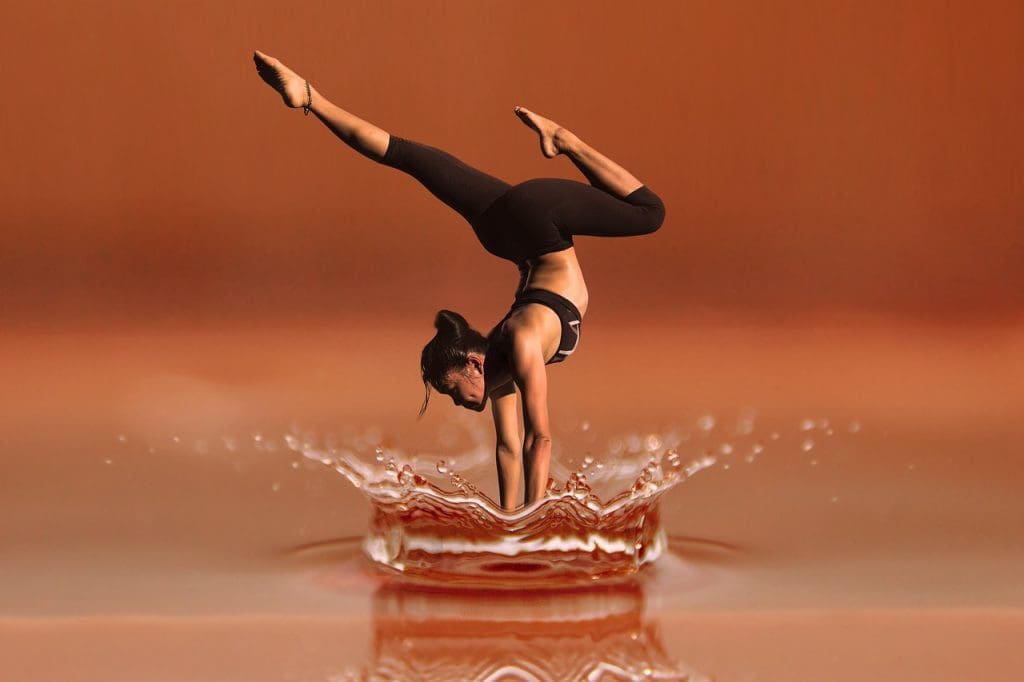
Yoga, a mind-body practice originating in ancient India, offers a holistic approach to stress reduction. The combination of physical postures, breath control, meditation, and relaxation techniques makes yoga an effective tool for managing stress. Here are some yoga poses that can help reduce stress and promote relaxation:
-
Child’s Pose (Balasana): This gentle resting pose promotes deep relaxation and helps release tension in the lower back, shoulders, and neck. Kneel on the floor, bring your big toes together, and sit back on your heels. Lower your torso between your thighs and reach your arms forward, resting them alongside your body or extending them in front of you for a deeper stretch.
-
Forward Fold (Uttanasana): Standing with feet hip-width apart, slowly hinge forward from your hips, allowing your upper body to hang over your legs. Relax your neck, shoulders, and head. This pose helps release tension in the back and hamstrings while calming the mind.
-
Cat-Cow Pose (Marjaryasana-Bitilasana): Start on all fours with a neutral spine. On an inhale, arch your back and lift your tailbone and head towards the ceiling, creating a gentle backbend (cow pose). On an exhale, round your spine, tuck your tailbone, and drop your head towards the floor (cat pose). Repeat this fluid motion, syncing your breath with movement, to release tension in the spine and promote relaxation.
-
Legs-Up-The-Wall Pose (Viparita Karani): Sit with your side against a wall, then swing your legs up and rest them against the wall. Scoot your hips as close to the wall as comfortable and relax your arms alongside your body or place your hands on your abdomen. This pose promotes relaxation, improves circulation, and relieves swollen feet and legs.
The Benefits of Practicing Yoga for Stress Reduction
Regular yoga practice offers a wide array of benefits for stress reduction and overall well-being. Here are some key benefits of incorporating yoga into your stress management routine:
-
Stress reduction: The combination of physical movement, deep breathing, and mindfulness helps activate the body’s relaxation response, reducing stress and promoting a sense of calmness.
-
Improved flexibility and strength: Yoga poses gently stretch and strengthen the muscles, helping to improve flexibility and build physical strength. This can help release physical tension, which often accompanies stress.
-
Enhanced mind-body connection: Yoga encourages the cultivation of a mind-body connection, allowing you to become more aware of physical sensations, thoughts, and emotions. This increased self-awareness can help you identify and respond to stress triggers more effectively.
-
Relaxation and improved sleep quality: The relaxation techniques and deep breathing incorporated into yoga practice can help calm the mind and prepare the body for restorative sleep. By reducing stress and promoting relaxation, yoga can improve sleep quality and quantity.
-
Increased mindfulness and mental clarity: The focus on the present moment during yoga practice cultivates mindfulness, enhancing mental clarity, concentration, and focus. This can help reduce stress-related rumination and promote a sense of inner peace.
-
Community and social support: Joining a yoga class or practicing in a group setting provides opportunities for social connection and support. Engaging with a community of like-minded individuals can contribute to overall well-being and stress reduction.
Finding the Right Yoga Style for Your Needs
There are various styles of yoga, each with its own emphasis and approach to physical postures, breathwork, and meditation. It’s important to choose a yoga style that suits your needs, preferences, and physical abilities. Here are some popular yoga styles that can be beneficial for stress reduction:
-
Hatha Yoga: Hatha yoga is a gentle and slower-paced practice that focuses on the integration of breath and movement. It can be an excellent choice for beginners or individuals seeking a more relaxed and meditative practice.
-
Vinyasa Yoga: Vinyasa yoga is a dynamic and flowing style that synchronizes movement with breath. It can be more physically challenging, but it also provides an opportunity for increased strength, flexibility, and stress reduction.
-
Yin Yoga: Yin yoga is a passive and introspective practice that involves long-held poses, typically targeting the deep connective tissues and fascia. It promotes deep relaxation, stress reduction, and improved flexibility.
-
Restorative Yoga: Restorative yoga is a deeply relaxing practice that uses props such as bolsters, blankets, and blocks to support the body in gentle, restful poses. This style emphasizes relaxation and nurturing, making it ideal for stress reduction and relaxation.
It’s recommended to try various yoga styles and attend different classes to find the one that resonates with you the most. Consider consulting with a qualified yoga instructor to ensure proper alignment, modifications for specific needs, and guidance throughout your practice.
Tai Chi
How Tai Chi Helps Reduce Stress
Tai Chi is an ancient Chinese martial art known for its gentle and flowing movements. It combines physical postures, deep breathing, and mindfulness to promote relaxation, harmony, and overall well-being. The slow, deliberate movements of Tai Chi help bring the mind and body into a state of balance, reducing stress and enhancing relaxation.
Regular practice of Tai Chi can regulate the body’s stress response by activating the parasympathetic nervous system, which governs the rest-and-digest response. This activation helps counteract the fight-or-flight response, leading to a state of calmness and reduced tension.
Furthermore, Tai Chi aids in cultivating mindfulness and attention to the present moment. By focusing on the internal sensations and the fluidity of movement, practitioners of Tai Chi develop a greater awareness of their body, breath, and thoughts. This mindfulness aspect of Tai Chi can help reduce stress by shifting attention away from stressors and promoting a sense of inner calm.
Tai Chi Techniques for Stress Management
Tai Chi combines specific movements, breath control, and mental focus to create a mind-body practice that is particularly effective for stress management. Here are some essential techniques used in Tai Chi for stress reduction:
-
Slow, deliberate movements: Tai Chi consists of a series of continuous, slow movements performed with mindful attention. The deliberate pace allows the body and mind to relax, promoting a sense of tranquility.
-
Deep breathing: Proper breathing is a fundamental aspect of Tai Chi practice. Slow, deep breaths help center the mind, oxygenate the body, and induce relaxation. Coordinating breath with movement is a crucial element of Tai Chi.
-
Mindfulness: Tai Chi encourages the cultivation of mindfulness by focusing on the present moment, internal sensations, and the fluidity of movement. This mental focus promotes relaxation and helps shift attention away from stressors.
-
Body awareness: Practicing Tai Chi improves body awareness and coordination. By paying attention to the physical sensations of each movement, individuals can release tension and maintain a state of relaxation.
Incorporating Tai Chi into Your Daily Routine
Tai Chi can be practiced almost anywhere, making it an accessible and convenient stress reduction tool. Here are some tips for incorporating Tai Chi into your daily routine:
-
Find a qualified instructor: Learning Tai Chi from a knowledgeable instructor ensures proper alignment, technique, and guidance. Look for local classes or seek recommendations from others who practice Tai Chi.
-
Start with short sessions: Begin with shorter sessions, such as 10 to 15 minutes, and gradually increase the duration as you become more comfortable and familiar with the movements. Consistency is key, so aim for regular practice, even if it’s in shorter increments.
-
Create a peaceful environment: Find a quiet and peaceful space where you can practice Tai Chi without distractions. This could be indoors or outdoors, depending on your preferences and the availability of space.
-
Set aside dedicated time: Dedicate specific times in your day to practice Tai Chi, whether it’s in the morning to start the day with calmness or in the evening to unwind and release accumulated stress. Consistency is vital for reaping the benefits of Tai Chi.
-
Find a practice that suits you: Tai Chi offers various styles and forms, each with its own unique movements and energy. Explore different styles to find the one that resonates with you and suits your needs.
Remember, Tai Chi is a practice that evolves over time. Be patient with yourself, embrace the process, and reap the long-term benefits of reduced stress and enhanced overall well-being.

Homeopathy
Principles of Homeopathic Remedies for Stress Reduction
Homeopathy, a system of alternative medicine developed in the late 18th century, can be effective in reducing stress and promoting overall well-being. Homeopathic remedies are individually prescribed based on the principle of “like cures like.” This principle states that substances that cause symptoms in a healthy person can be used in highly diluted forms to stimulate the body’s innate healing response.
A homeopathic practitioner assesses the whole individual, taking into consideration physical, emotional, and mental symptoms. The practitioner then selects a remedy that matches the person’s unique symptom picture. Homeopathic remedies for stress reduction may address symptoms such as anxiety, restlessness, sleep disturbances, or digestive issues associated with stress.
Homeopathic remedies are typically derived from natural substances, such as plants, minerals, or animal products. They are prepared through a process of dilution and potentization, which involves sequential dilution and succussion (vigorous shaking). The aim of this process is to enhance the energetic qualities of the remedy while reducing the concentration of the original substance.
Common Homeopathic Remedies for Stress Relief
Several homeopathic remedies are commonly used to reduce stress and promote relaxation. Here are some examples:
-
Ignatia: Ignatia is often used for stress-related emotional symptoms, such as grief, sadness, or mood swings. It can help individuals who experience stress as a result of emotional shocks or loss.
-
Lycopodium: Lycopodium is indicated for individuals who experience stress associated with low self-confidence, fear of failure, or perfectionism. It can help reduce anxiety and promote a sense of grounding.
-
Arsenicum album: Arsenicum album is useful for individuals who experience stress with restlessness, fear of uncertainty, and a need for structure. It can help reduce anxiety and promote a sense of security.
-
Natrum muriaticum: Natrum muriaticum is often prescribed for stress-related symptoms such as sadness, suppressed emotions, and introversion. It can help individuals who tend to suppress their feelings and emotions.
It’s important to consult with a qualified homeopathic practitioner for a comprehensive assessment and individualized prescription. Homeopathic remedies are highly individualized, and the specific remedy and potency may vary depending on each person’s unique symptom picture.
Consulting with a Homeopathic Practitioner
To benefit from the full potential of homeopathy for stress reduction, it’s essential to consult with a qualified homeopathic practitioner. The practitioner will conduct a thorough assessment to uncover the root cause of stress, taking into account physical, emotional, and mental symptoms.
During a homeopathic consultation, the practitioner will ask detailed questions to create a comprehensive picture of your overall health and specific stress-related symptoms. This thorough assessment helps the homeopath select the most appropriate remedy that matches your individual symptom picture.
The homeopathic remedy will be prescribed in a highly diluted form, usually in the form of tiny globules or drops. It’s important to follow the prescribed dosage and instructions provided by the homeopath. Homeopathic remedies are generally safe and well-tolerated, but it’s advisable to inform your healthcare provider of any other medications or treatments you are currently using.
Remember that homeopathy is a holistic approach that addresses the whole person, rather than just the symptoms. By seeking the assistance of a qualified homeopathic practitioner, you can receive personalized care and guidance on your journey to stress reduction and improved well-being.
Chiropractic Care
How Chiropractic Care Can Help Reduce Stress
Chiropractic care is a non-invasive and drug-free approach to healthcare that focuses on the alignment and health of the spine and nervous system. While commonly associated with treating musculoskeletal conditions, chiropractic care can also help reduce stress and promote overall well-being.
The nervous system, consisting of the brain, spinal cord, and nerves, plays a significant role in the body’s stress response. Misalignments or restrictions in the spine, known as subluxations, can interfere with the proper functioning of the nervous system, potentially contributing to increased stress levels. Chiropractors specialize in detecting and correcting these subluxations, allowing the nervous system to function optimally.
By performing gentle spinal adjustments and other chiropractic techniques, chiropractors help restore proper alignment and mobility to the spine. This can decrease tension, improve nervous system function, and facilitate the body’s ability to adapt to stress. Chiropractic care aims to address the root causes of stress rather than merely managing symptoms.
Benefits of Chiropractic Adjustments for Stress Management
Regular chiropractic adjustments can provide several benefits for stress reduction and overall well-being:
-
Improved nervous system function: Chiropractic adjustments help remove interference in the nervous system, enhancing its ability to regulate stress responses and maintain overall balance in the body.
-
Reduction in muscle tension: Misalignments in the spine can lead to increased muscle tension and discomfort. By correcting these misalignments, chiropractors help release tension and promote relaxation.
-
Enhanced sleep quality: Stress and tension often interfere with sleep quality. By reducing stress and promoting relaxation, chiropractic care can help improve sleep patterns and restore restful sleep.
-
Increased energy and vitality: By optimizing nervous system function and reducing tension, chiropractic adjustments can increase energy levels and overall vitality, allowing for better stress management.
-
Improved physical and mental well-being: Regular chiropractic care has been associated with enhanced physical and mental well-being, contributing to better stress management and overall health.
It’s important to note that chiropractic care can be used in conjunction with other stress reduction techniques to provide comprehensive care. Always consult with a qualified chiropractor to determine if chiropractic care is suitable for your specific needs and health condition.
Finding a Qualified Chiropractor
When seeking chiropractic care, it’s essential to find a qualified and licensed chiropractor to ensure safe and effective treatment. Here are some tips to help you find a qualified chiropractor:
-
Research and referrals: Ask for recommendations from friends, family, or healthcare providers who have had positive experiences with chiropractic care. You can also research online for reviews and testimonials.
-
Credentials and licensure: Verify that the chiropractor is licensed and has completed the necessary training and education to practice chiropractic care. You can often find this information on the chiropractor’s website or by contacting the local chiropractic licensing board.
-
Specializations and experience: Consider if the chiropractor specializes in stress management or has experience treating conditions similar to yours. This can help ensure that they have the expertise to address your specific needs.
-
Communication and rapport: Schedule a consultation or initial appointment to meet the chiropractor and discuss your concerns. Ensure that you feel comfortable communicating with them and that they listen attentively to your needs.
-
Treatment approach: Inquire about the chiropractor’s treatment approach and techniques used. It’s essential to choose a chiropractor whose methods align with your preferences and health goals.
By working with a qualified chiropractor, you can receive personalized care tailored to your specific needs, contributing to reduced stress and improved overall well-being.
Reiki Healing
Understanding Reiki as an Alternative Therapy for Stress Reduction
Reiki is a Japanese energy healing technique that promotes relaxation, stress reduction, and overall well-being. The word “Reiki” can be translated as “universal life energy,” referring to the universal life force that practitioners believe flows through all living beings. Reiki practitioners, trained in the art of channeling this energy, use gentle touch or hover their hands over the recipient’s body to facilitate the flow of healing energy.
During a Reiki session, the recipient remains fully clothed and lies down on a comfortable table or sits in a chair. The Reiki practitioner places their hands in specific positions on or above the body, allowing the healing energy to flow to areas in need. The recipient may experience sensations of warmth, tingling, or deep relaxation as the energy works to rebalance and harmonize the body, mind, and spirit.
Reiki is based on the belief that imbalances and blockages in the body’s energy centers, known as chakras, can manifest as physical, emotional, or mental symptoms. By restoring the flow of energy and addressing these imbalances, Reiki aims to promote relaxation, reduce stress, and support the body’s natural healing abilities.
The Process of Reiki Healing for Stress Relief
Reiki healing sessions can vary depending on the practitioner’s approach and the needs of the recipient. However, there are general steps involved in a typical Reiki session:
-
Consultation: At the beginning of the session, the Reiki practitioner may ask about your specific needs, concerns, or areas of stress. This consultation allows the practitioner to tailor the session to address your unique needs effectively.
-
Settling in: The recipient will be invited to lie down on a treatment table or sit in a chair, fully clothed. The practitioner may create a calm and relaxing environment by dimming the lights, playing soft music, or using aromatherapy.
-
Hand placements: The Reiki practitioner will use a series of hand placements, gently resting their hands on or hovering them slightly above various areas of your body. These hand placements typically follow a specific pattern, working through the major energy centers or chakras.
-
Energy transfer: As the practitioner places their hands, they channel Reiki energy to the recipient. This energy is believed to flow to where it is needed most to rebalance and promote healing.
-
Sensations and relaxation: As the Reiki energy flows, recipients may experience various sensations, such as warmth, tingling, or a deep sense of relaxation. It’s important to allow yourself to fully relax and embrace the sensations without judgment.
-
Completion and integration: At the end of the session, the practitioner will gently notify you that the session is complete. They may offer some suggestions for self-care or ways to support the integration of the healing energy in your daily life.
The effects of Reiki can be cumulative, so regular sessions can provide deeper relaxation and stress reduction. It’s crucial to find a qualified and experienced Reiki practitioner who can guide you through the process and provide a safe and supportive environment for your healing journey.
Finding a Reiki Practitioner
When seeking a Reiki practitioner for stress reduction, it’s essential to choose a qualified and experienced professional. Here are some tips to help you find a reputable and skilled Reiki practitioner:
-
Referrals and recommendations: Ask for referrals from friends, family, or healthcare professionals who have had positive experiences with Reiki. Personal recommendations can provide valuable insights into the practitioner’s skills and approach.
-
Credentials and training: Inquire about the practitioner’s training, certifications, and experience. Reiki practitioners may have different levels of training, so be sure to choose one who has completed the necessary levels of certification.
-
Consultation: Schedule a consultation or a brief meeting with the practitioner to discuss your needs, expectations, and any concerns you may have. This allows you to get a sense of their communication style and determine if their approach aligns with your preferences.
-
Professionalism and ethics: Check if the practitioner adheres to a code of ethics and maintains a professional approach to their practice. This includes respecting boundaries, ensuring client privacy, and maintaining a clean and safe treatment environment.
-
Trust your instincts: Trust your instincts when choosing a Reiki practitioner. It’s important to feel comfortable and safe throughout the healing process. If something doesn’t feel right, listen to your intuition and seek another practitioner.
By working with a qualified and experienced Reiki practitioner, you can experience the potential benefits of Reiki for stress reduction, relaxation, and overall well-being.
Massage Therapy
Different Types of Massage for Stress Reduction
Massage therapy is a popular form of manual therapy that involves manipulating the soft tissues of the body to alleviate pain, reduce muscle tension, and promote relaxation. There are various types of massage that can be effective for stress reduction. Here are some commonly practiced types of massage:
-
Swedish massage: Swedish massage is one of the most popular types of massage for stress reduction. It involves long, flowing strokes, kneading, and circular motions to release tension, improve circulation, and induce relaxation.
-
Deep tissue massage: Deep tissue massage targets the deeper layers of muscle and connective tissue to relieve chronic muscle tension and address specific areas of pain or discomfort. This type of massage can be beneficial for individuals with stress-related muscle tension or chronic pain.
-
Hot stone massage: Hot stone massage incorporates smooth, heated stones placed on specific areas of the body. The warmth from the stones helps relax the muscles and promote deep relaxation. This type of massage can be particularly soothing for individuals experiencing high levels of stress.
-
Aromatherapy massage: Aromatherapy massage combines the benefits of massage and the therapeutic scents of essential oils. The massage therapist may use specific essential oils known for their stress-reducing properties, enhancing relaxation and promoting a sense of calmness.
-
Shiatsu massage: Shiatsu massage is a Japanese form of massage that involves applying rhythmic pressure to specific points along the body’s meridians. This type of massage aims to balance the body’s energy flow and promote overall well-being.
-
Reflexology: Reflexology is a type of massage that focuses on applying pressure to specific reflex points on the hands, feet, and ears. These reflex points are believed to correspond to specific organs and systems in the body. Reflexology can help reduce stress by promoting relaxation and improving overall energy flow.
Benefits of Regular Massage Therapy for Stress Management
Regular massage therapy offers numerous benefits for stress management and overall well-being. Here are some key benefits:
-
Stress reduction: Massage therapy helps activate the body’s relaxation response, reducing stress hormones and inducing a sense of calmness and relaxation.
-
Relief from muscle tension: The physical manipulation of muscles during massage helps release tension, knots, and tightness, alleviating stress-related muscle pain and discomfort.
-
Improved circulation: Massage therapy improves blood and lymph circulation, allowing for better oxygenation of tissues and the removal of waste products. This can contribute to an overall sense of well-being and relaxation.
-
Enhanced mental well-being: Massage therapy can have a positive impact on mental health by reducing anxiety, improving mood, and promoting an overall sense of happiness and well-being.
-
Better sleep quality: Regular massage therapy has been shown to improve sleep quality, aiding in the reduction of insomnia and promoting restful sleep.
-
Boosted immune function: Massage therapy helps boost immune function by reducing stress and promoting relaxation. This can support the body’s natural healing abilities and reduce susceptibility to illness.
Choosing a Qualified Massage Therapist
When seeking massage therapy for stress reduction, it’s crucial to find a qualified and licensed massage therapist. Here are some tips to help you choose a reputable and skilled professional:
-
Credentials and licensure: Ensure that the massage therapist is licensed and has completed the necessary training and education required in your area. You can often find this information on their website or by contacting the local licensing board.
-
Referrals and recommendations: Ask for referrals from friends, family, or healthcare professionals who have had positive experiences with massage therapy. Personal recommendations can provide reassurance and insights into the therapist’s skills and professionalism.
-
Specializations and experience: Consider if the massage therapist specializes in stress reduction or has experience working with stress-related issues. This can help ensure they have the expertise to address your specific needs.
-
Communication and rapport: Schedule an initial consultation or brief meeting with the massage therapist to discuss your concerns, expectations, and any specific requests. Ensure that you feel comfortable communicating with them and that they listen attentively to your needs.
-
Treatment approach and techniques: Inquire about the therapist’s treatment approach and the specific techniques they use. Every massage therapist may have different methods, so it’s important to choose one whose techniques align with your preferences and health goals.
By working with a qualified and experienced massage therapist, you can experience the potential benefits of massage therapy for stress reduction and overall well-being.
Incorporating Alternative Medicine for Stress Reduction
Alternative medicine offers a range of effective techniques for stress reduction and overall well-being. Whether you choose acupuncture, meditation, herbal remedies, aromatherapy, yoga, Tai Chi, homeopathy, chiropractic care, Reiki healing, or massage therapy, these approaches can complement traditional medicine and provide natural and holistic ways to manage stress.
Remember that stress management is a personal journey, and what works for one person may not work for another. It may be helpful to explore different modalities and approaches, combining various techniques to find the combination that resonates with you and brings the most significant stress reduction benefits.
Prioritize self-care, embrace relaxation techniques, and seek guidance from qualified practitioners who can support you on your stress reduction journey. With dedication and a commitment to your well-being, you can find relief from stress, promote relaxation, and achieve a state of overall balance and harmony.