Are you tired of dealing with the discomfort and pain caused by menstrual cramps? Look no further, because we have the top ways to help you find relief. From simple lifestyle changes to natural remedies, we’ve got you covered. Say goodbye to those agonizing cramps and hello to a more comfortable period. Keep reading to discover the secrets to easing menstrual cramps and reclaiming your peace during that time of the month.
Heat therapy
Hot water bottle
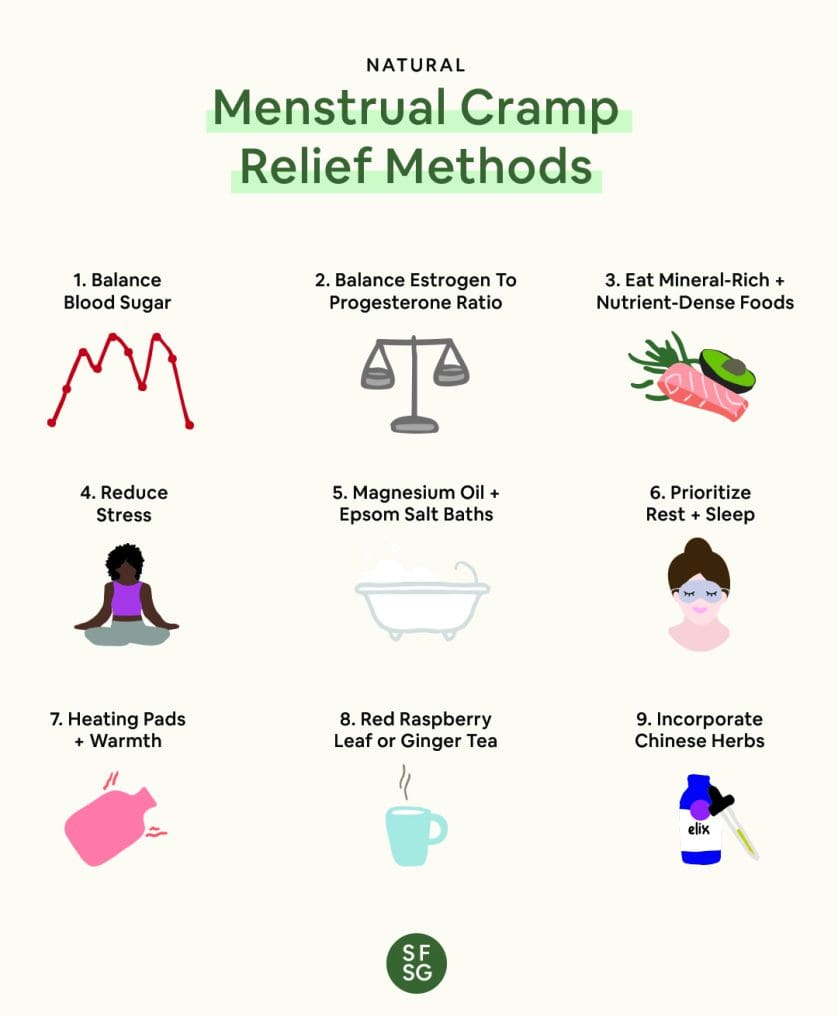
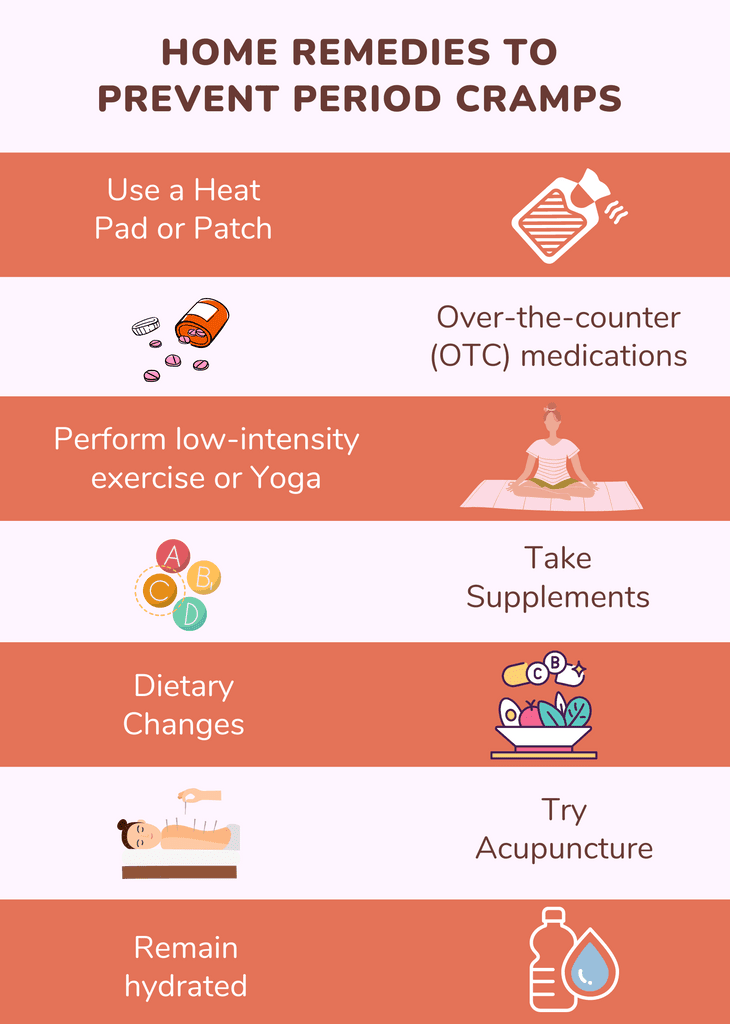
One effective and easily accessible method of relieving menstrual cramps is through heat therapy. Using a hot water bottle can provide soothing warmth to alleviate the pain and discomfort associated with menstruation. Simply fill a hot water bottle with warm water, making sure it is not too hot, and place it on your lower abdomen or back. The heat helps to relax the muscles and increase blood flow, reducing the severity of cramps. It’s a comforting and natural way to find relief during your menstrual cycle.
Heating pad
Another common option for heat therapy is a heating pad. These pads are specifically designed to provide a constant source of heat, which can be more convenient for longer periods of pain relief. You can choose to use an electric heating pad or a microwavable one, depending on your preference. Just apply the heating pad to your lower abdomen or back, and allow the warmth to penetrate the muscles and ease the menstrual cramps. Heat therapy with a heating pad can be a valuable addition to your pain relief arsenal.
Warm bath
In addition to using a hot water bottle or heating pad, taking a warm bath can also bring relief from menstrual cramps. Allowing your body to soak in warm water helps to relax your muscles and reduce inflammation that can cause pain during your period. The warm water increases blood flow to the pelvic area, promoting a soothing effect on your cramps. You can enhance the experience by adding some calming bath salts or essential oils to further promote relaxation and reduce stress. Soaking in a warm bath can be a delightful way to ease your discomfort and make you feel more at ease during your monthly cycle.
Pain medication
Nonsteroidal anti-inflammatory drugs (NSAIDs)
If your menstrual cramps are severe, over-the-counter pain medications can be a helpful option for relief. Nonsteroidal anti-inflammatory drugs (NSAIDs) such as ibuprofen or naproxen sodium are commonly recommended by healthcare professionals to alleviate menstrual pain. These medications work by reducing the production of prostaglandins, which are responsible for causing pain and inflammation. Take the recommended dose as instructed on the package, and consult with your doctor if you have any concerns or underlying health conditions. NSAIDs can provide effective pain relief and allow you to carry on with your daily activities more comfortably.
Acetaminophen
Another pain medication option that is commonly used for menstrual cramps is acetaminophen. Unlike NSAIDs, acetaminophen does not have anti-inflammatory properties, but it can still reduce pain and discomfort. It works by blocking the transmission of pain signals to the brain. Acetaminophen is known to be safe to use for most individuals when taken in the recommended dosage. However, it’s important to note that it does not target the root cause of menstruation-induced pain like NSAIDs do. Nevertheless, it can still offer relief from menstrual cramps and help you get through your day with less discomfort.
Exercise
Aerobic exercises
You may be surprised to learn that exercise can actually help manage menstrual cramps. Engaging in moderate aerobic exercises, such as brisk walking, cycling, or swimming, increases blood circulation, which can alleviate cramping by supplying oxygen to the muscles and reducing the release of pain-causing chemicals in the body. Regular physical activity also promotes the release of endorphins, also known as “feel-good” hormones, which can naturally counteract pain and boost your mood. Incorporating aerobic exercises into your routine can not only provide relief from menstrual cramps but also contribute to your overall well-being.
Stretching
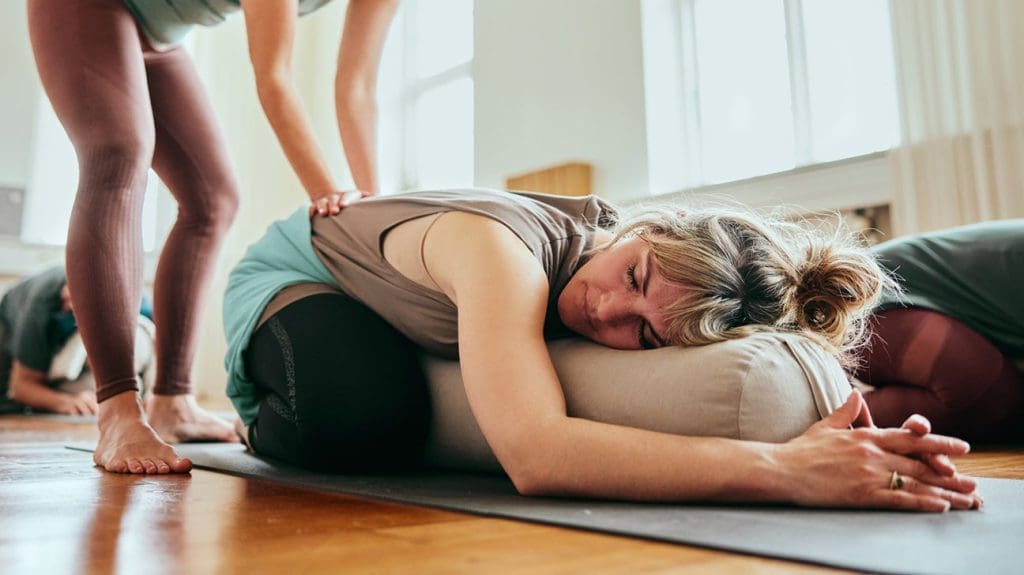
In addition to aerobic exercises, incorporating stretching into your routine can be beneficial for relieving menstrual cramps. Gentle stretches that focus on the lower back, abdomen, hips, and thighs can help relax the muscles and ease the tension that often accompanies menstrual pain. Consider incorporating yoga stretches, pelvic tilts, or lying on your back and hugging your knees to your chest. These movements can improve blood flow to the pelvic area, relieve muscle tightness, and reduce cramping. Regular stretching during your menstrual cycle may help lessen the intensity of your cramps and promote a greater sense of relaxation.
Yoga
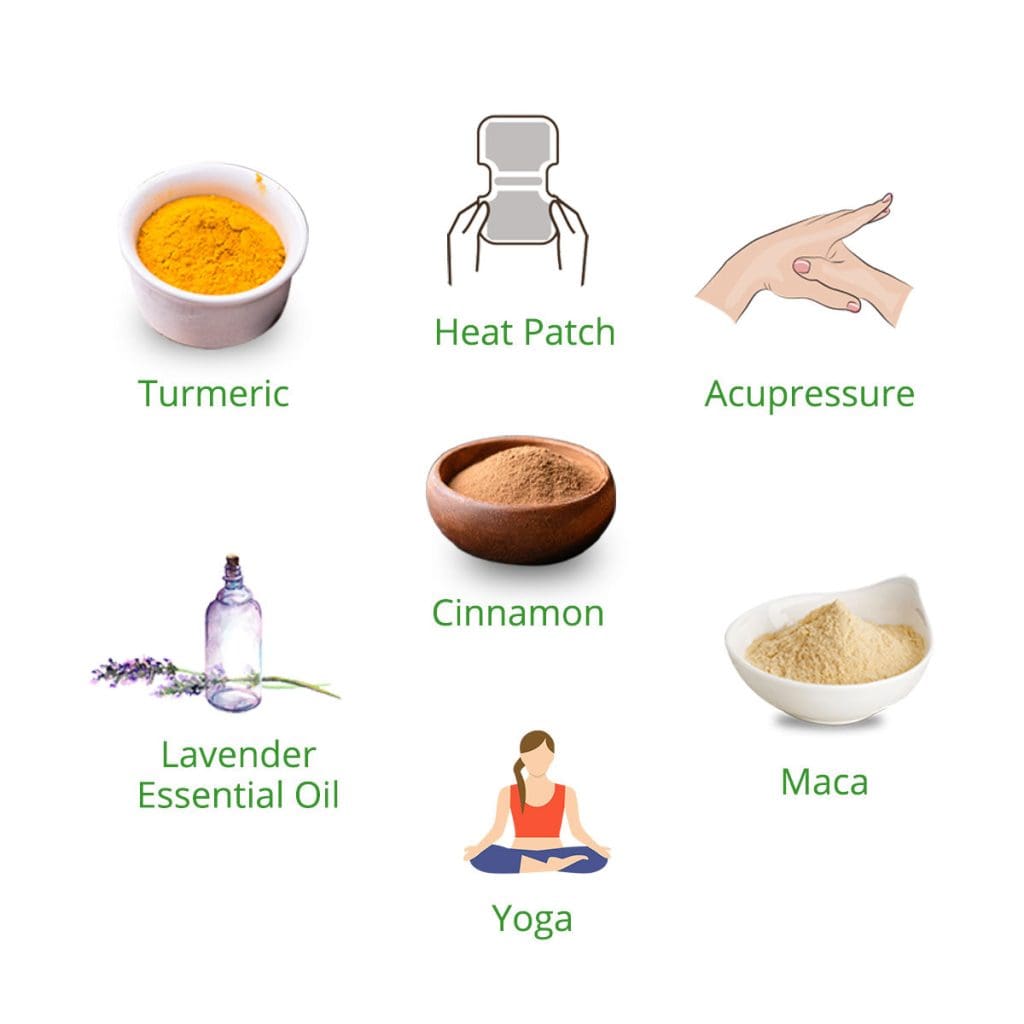
Yoga, a mind-body practice that combines physical postures, breathing exercises, and meditation, can be particularly beneficial for managing menstrual cramps. Certain yoga poses, such as child’s pose, cobra pose, and cat/cow pose, can specifically target the pelvic area and help relieve tension and discomfort. Apart from the physical benefits, practicing yoga also cultivates mindfulness and reduces stress, both of which contribute to overall well-being. Consider incorporating a gentle yoga routine into your menstrual cycle to enhance your body’s natural healing abilities and find relief from cramps.
Dietary changes
Increase water intake
Staying properly hydrated is crucial for overall health, and it can also play a role in alleviating menstrual cramps. Drinking an adequate amount of water throughout the day can help prevent water retention and bloating, which can worsen cramps. Additionally, maintaining hydration promotes better blood circulation, allowing essential nutrients and oxygen to reach the muscles and minimize pain. Aim to drink at least eight glasses of water per day, and consider incorporating hydrating foods such as fruits and vegetables into your diet. Keeping your body well-hydrated is a simple yet powerful step towards reducing the intensity of menstrual cramps.
Reduce caffeine consumption
While many of us depend on our daily dose of caffeine, it is worth considering reducing its consumption during your menstrual cycle. Caffeine can constrict blood vessels and increase muscle tension, potentially exacerbating menstrual cramps. Try substituting your usual caffeinated beverages with herbal teas or caffeine-free alternatives during this time. Taking a break from caffeine can help alleviate symptoms associated with menstruation and promote a calmer state of well-being. You may be pleasantly surprised by the positive impact this simple dietary change can make on your overall menstrual experience.
Eat magnesium-rich foods
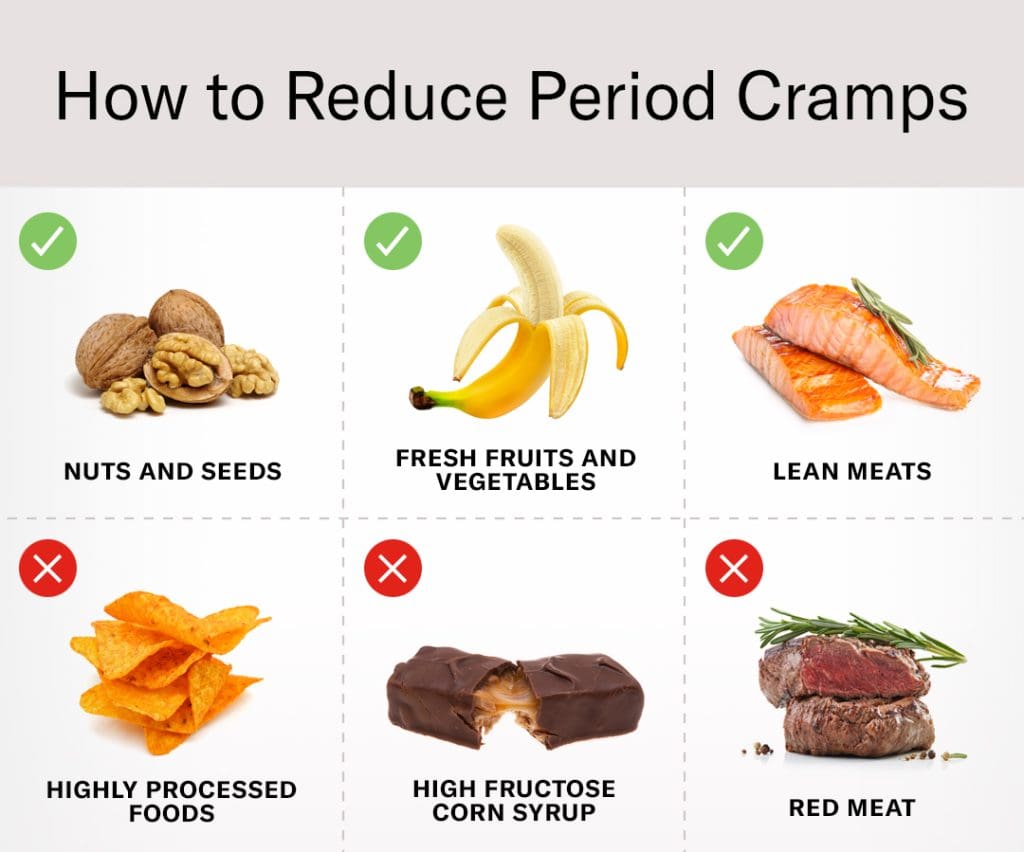
Including magnesium-rich foods in your diet can contribute to reducing menstrual cramps. Magnesium has been shown to help relax muscles and ease pain, making it an excellent addition to your diet during your period. Foods such as leafy greens, nuts and seeds, whole grains, and legumes are all excellent sources of magnesium. Consider incorporating these options into your meals and snacks to provide your body with the necessary nutrients to combat cramps. Additionally, magnesium supplements can be taken, but it is important to consult with a healthcare professional before starting any new supplements. Nourishing your body with magnesium-rich foods can help reduce the severity of menstrual cramps and promote better overall well-being.
Herbal remedies
Chamomile tea
For centuries, herbal remedies have been used to alleviate menstrual cramps, and chamomile tea is one of them. Chamomile has been known to possess anti-inflammatory and antispasmodic properties, making it effective in soothing menstrual pain. Brew yourself a cup of chamomile tea and let the comforting warmth and calming aroma help relax your muscles and ease your cramps. Sip on this herbal remedy throughout the day to maintain a consistent level of relief. Embracing the power of nature through chamomile tea can become a cherished ritual during your menstrual cycle.
Ginger
Ginger has long been recognized for its medicinal properties, including its ability to relieve pain and inflammation. Incorporating ginger into your diet or consuming it as a tea can provide natural relief from menstrual cramps. You can brew ginger tea by steeping fresh ginger slices in hot water for a few minutes. The warm and mildly spicy nature of ginger can help relax the muscles and alleviate menstrual discomfort. Add a touch of honey or lemon for added flavor if desired. Embrace the soothing nature of ginger as a natural remedy for menstrual cramps.
Cinnamon
Cinnamon, known for its comforting and aromatic qualities, can also be utilized to relieve menstrual cramps. This spice has been used for its medicinal properties for centuries and is believed to possess anti-inflammatory and antispasmodic effects. You can incorporate cinnamon into your diet by sprinkling it on oatmeal, yogurt, or adding it to your favorite baked goods. Alternatively, you can steep cinnamon sticks in hot water to create a delicious and fragrant tea. Whichever way you choose to enjoy it, cinnamon can provide a natural and flavorful way to ease your menstrual cramps.
Acupuncture
Traditional Chinese acupuncture
Acupuncture, a traditional Chinese medical technique, involves the insertion of thin needles into specific points on the body. This practice is believed to stimulate the flow of energy or Qi and restore balance within the body. When it comes to menstrual cramps, acupuncture can help by promoting the release of endorphins, reducing inflammation, and relaxing the muscles. By targeting specific points related to reproductive health and the reduction of pain, acupuncture may offer long-lasting relief from menstrual cramps. Consult with a licensed acupuncturist to experience the potential benefits of this holistic approach to pain management.
Ear acupuncture
Ear acupuncture, also known as auricular acupuncture, is a specialized form of acupuncture that focuses exclusively on the ear. In this specific practice, tiny needles or small seeds are placed on specific points within the ear that correspond to various areas of the body. By stimulating these ear points, it is believed that specific health concerns, including menstrual cramps, can be addressed. This form of acupuncture is thought to promote relaxation, reduce pain, and rebalance the overall energy within the body. If you are seeking a more localized approach to addressing menstrual cramps, ear acupuncture may be worth considering.
Transcutaneous electrical nerve stimulation (TENS)
How it works
Transcutaneous electrical nerve stimulation (TENS) is a non-invasive technique that uses a small device to deliver low-frequency electrical currents to specific areas of the body. The electrical currents are believed to interrupt pain signals sent to the brain and stimulate the production of endorphins, providing pain relief. When using TENS for menstrual cramps, electrodes are placed on the lower abdomen or back, and the device is activated to deliver the electrical currents. The intensity of the currents can be adjusted according to your comfort level. TENS therapy offers a drug-free alternative for managing menstrual cramps, enabling you to experience relief in a non-medicinal way.
Effectiveness
TENS therapy has been shown to be effective in managing various types of pain, including menstrual cramps. Studies have indicated that the use of TENS can significantly reduce the intensity and duration of cramps, as well as improve overall menstrual well-being. As with any therapeutic treatment, individual experiences may vary, and it is essential to use TENS as directed and discuss with a healthcare professional before starting any new treatments. The convenience and non-invasive nature of TENS make it a viable option to explore in your quest for menstrual cramp relief.
Cognitive behavioral therapy (CBT)
Stress management
Cognitive behavioral therapy (CBT) is a form of therapy that focuses on improving mental health by identifying and modifying negative thought patterns and behaviors. When it comes to managing menstrual cramps, stress and anxiety can exacerbate physical pain. By incorporating stress management techniques, such as deep breathing exercises, meditation, or mindfulness practices, you can help alleviate the impact of stress on your overall well-being. By consciously addressing stress, you can potentially reduce the severity of your menstrual cramps and find greater peace during your monthly cycle.
Relaxation techniques
In addition to stress management, incorporating relaxation techniques into your routine can greatly contribute to relieving menstrual cramps. These techniques can include activities such as progressive muscle relaxation, guided imagery, or soothing visualization exercises. Engaging in these practices can help your body and mind achieve a state of calmness and promote relaxation of the abdominal muscles. Experiment with different relaxation techniques to discover what works best for you. By committing to a regular practice, you may find that your menstrual cramps become more manageable, and your overall well-being improves.
Alternative medicine
Homeopathy
Homeopathy is a form of alternative medicine that utilizes highly diluted substances to stimulate the body’s natural healing abilities. When it comes to menstrual cramps, homeopathic remedies can be tailored specifically to your individual symptoms and overall constitution. By consulting with a certified homeopath, you can receive personalized treatment that targets the root cause of your menstrual cramps and helps restore balance within your body. Homeopathy offers a gentle and holistic approach to managing menstrual pain, making it a viable option for those seeking a natural alternative.
Ayurveda
Ayurveda, a traditional Indian system of medicine, views menstrual cramps as an imbalance within the body and focuses on restoring harmony. Ayurvedic remedies can include the use of herbal supplements, dietary changes, and lifestyle modifications. Tailored to your unique constitution, an Ayurvedic practitioner can guide you on specific practices and remedies that help alleviate menstrual cramps. Ayurveda promotes a holistic approach to healing, addressing not only the physical symptoms but also the mental and emotional aspects of well-being. Exploring Ayurvedic principles and treatments can provide a comprehensive approach to managing menstrual cramps.
Naturopathy
Naturopathy is a form of alternative medicine that emphasizes the body’s inherent ability to heal itself. By using natural therapies such as herbal medicine, dietary changes, and lifestyle modifications, naturopathy aims to address the root causes of health concerns. When it comes to menstrual cramps, naturopathy focuses on identifying any underlying imbalances, such as hormonal or nutritional deficiencies, and developing a comprehensive treatment plan. Consulting with a licensed naturopathic doctor can provide you with a personalized approach to managing menstrual cramps, taking into account your individual needs and overall well-being.
Hormonal birth control
Combination pills
Hormonal birth control methods, such as combination pills, can provide relief from menstrual cramps for individuals seeking contraception. Combination pills contain synthetic hormones that mimic the natural hormones in the body, preventing ovulation and regulating the menstrual cycle. By reducing or eliminating ovulation, these pills can help reduce the production of prostaglandins, the compounds responsible for causing menstrual cramps. Consulting with a healthcare professional is essential to determine the most suitable type and dosage of combination pills for your specific needs. Hormonal birth control can not only provide contraception but also alleviate the discomfort associated with menstrual cramps.
Patch
Similar to combination pills, hormonal patches are another form of birth control that can help manage menstrual cramps. These patches are applied to the skin and slowly release synthetic hormones into the bloodstream. Like combination pills, they work by preventing ovulation and regulating the menstrual cycle, reducing the severity of cramps. The convenience of the patch, which only needs to be changed once a week, can make it an appealing option for individuals seeking relief from menstrual pain. Consult with your healthcare provider to determine if a hormonal patch is a suitable method for managing your menstrual cramps and contraception needs.
IUD
An intrauterine device (IUD) is a small contraceptive device that is inserted into the uterus by a healthcare professional. While primarily used for contraception, certain types of IUDs, such as the hormonal IUD, can also help manage menstrual cramps. The hormones in the IUD work locally to thin the uterine lining, reduce prostaglandin production, and lessen the severity of cramps. This long-acting and reversible method can provide ongoing relief from menstrual pain for several years. If you are considering an IUD for both contraception and menstrual pain management, consult with your healthcare provider to determine the most suitable option for your needs.
In conclusion, it is important to remember that everyone’s experience with menstrual cramps is unique and different methods may work better for some individuals than others. It may be necessary to try a combination of these approaches or consult with a healthcare professional to find the most effective solution for your specific needs. By exploring different strategies such as heat therapy, pain medication, exercise, dietary changes, herbal remedies, acupuncture, TENS therapy, cognitive behavioral therapy, alternative medicine, and hormonal birth control, you can empower yourself with a variety of tools to manage and alleviate menstrual cramps effectively. Remember to listen to your body, prioritize self-care, and make choices that work best for you.