
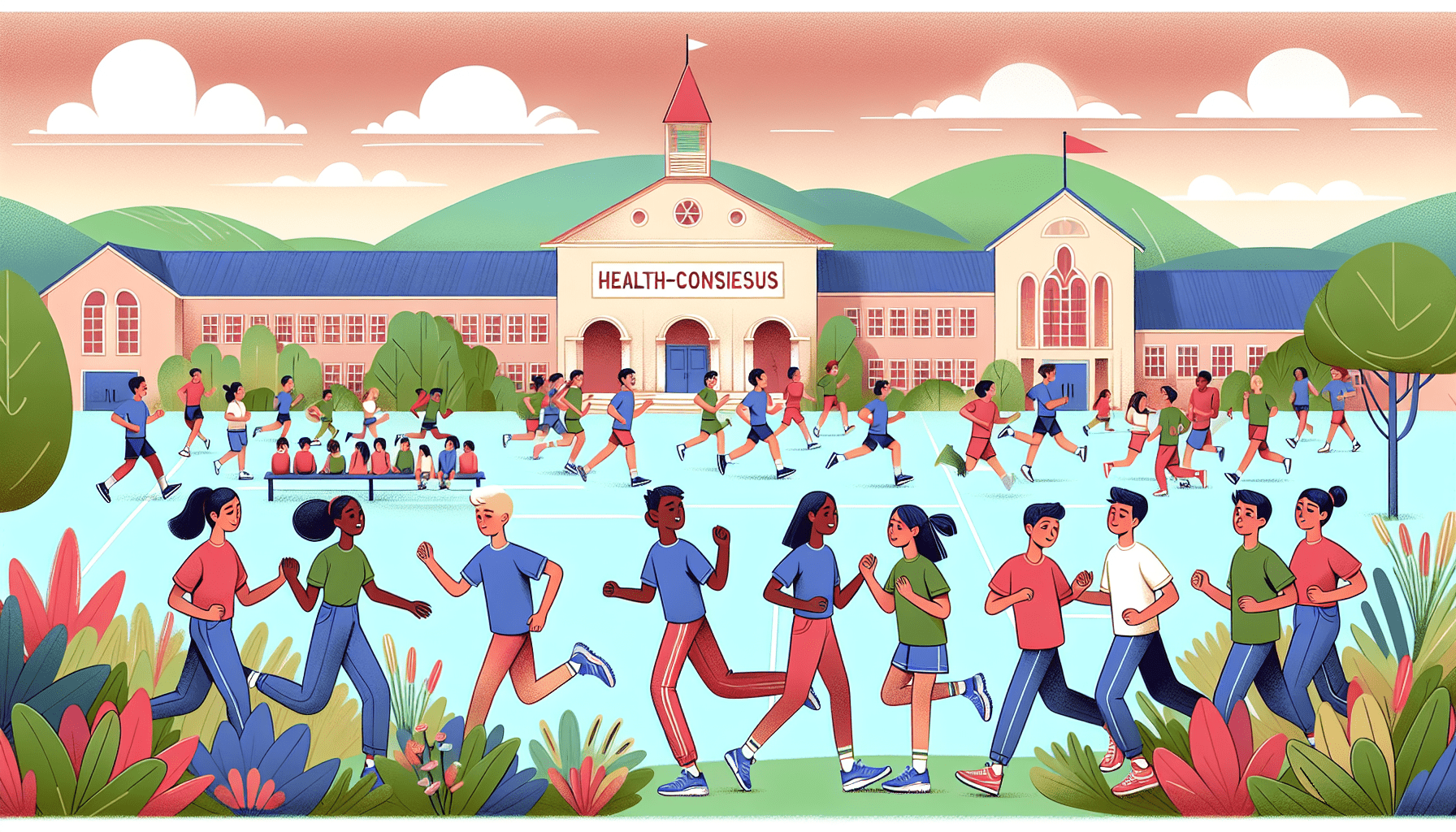
Men’s health is a topic that deserves attention and support, especially in the realm of education. In this article, we will explore the top ways to promote and contribute to men’s health in educational settings. By focusing on key aspects such as mental health, physical well-being, and emotional support, we can create an environment that fosters the holistic growth and development of men, leading to a healthier and happier student body.
Promote Mental Health Awareness
Mental health should be a top priority in education, and there are several ways we can promote mental health awareness among students. One effective approach is to offer counseling services. By providing access to trained professionals who can offer support and guidance, students can learn to manage their mental health and cope with any challenges they may face.
In addition to counseling services, hosting workshops on mental health can be highly beneficial. These workshops can cover topics such as stress management, anxiety reduction techniques, and building resilience. By offering these workshops, we can equip students with the necessary skills and tools to navigate and maintain good mental health throughout their academic journey.
Implementing peer support programs can also play a significant role in promoting mental health awareness. Peer support programs allow students to connect with their peers who may have similar experiences. This creates a sense of community and support, as students can openly discuss their emotions and receive advice from their peers. Peer support programs can empower students to seek help when needed and foster a supportive and empathetic school environment.
Address Physical Health Concerns
Physical health is equally important in ensuring students can thrive academically. Encouraging regular exercise can contribute to overall well-being. Whether it’s through offering physical education classes, organizing sports teams, or providing access to fitness facilities, schools can promote physical activity and highlight its numerous benefits. Regular exercise not only improves physical health but also enhances mental clarity and reduces stress levels.
Another critical aspect of addressing physical health concerns is providing nutritious meals. Schools should strive to offer balanced and healthy meal options, ensuring students have access to nourishing food throughout the day. Proper nutrition is essential for cognitive function, energy levels, and overall physical well-being. By promoting healthy eating habits, we can support students in leading healthier lifestyles.
Additionally, educating students on common men’s health issues is crucial. This can include discussions on topics such as prostate health, testicular cancer awareness, and the importance of regular check-ups. By providing this information, we empower students to take charge of their health and make informed decisions regarding their well-being.
Foster a Positive School Environment
Creating a positive school environment is vital for students’ overall well-being and academic success. To achieve this, schools can promote inclusivity and acceptance among students. This can be done through various initiatives, such as celebrating diversity, organizing cultural events, and implementing anti-bullying policies. By fostering a culture of acceptance, students can feel safe and supported, enhancing their overall emotional well-being.
Offering mentorship programs can also contribute to fostering a positive school environment. These programs pair students with mentors who can provide guidance and support. Mentors can serve as role models, offering advice and encouragement to help students navigate the challenges they may face. By providing mentorship opportunities, schools can help students feel more connected, valued, and supported within the educational setting.
Creating safe spaces for open discussions is another effective way to foster a positive school environment. These spaces can be designated areas where students can freely express their thoughts, opinions, and concerns. By encouraging open dialogue, we validate students’ experiences and promote a sense of belonging. Safe spaces also provide an opportunity for students to develop empathy and understanding towards their peers, ultimately creating a more harmonious school community.
Promote Emotional Well-being
Having good emotional well-being is essential for students to navigate their educational journey successfully. Teaching emotional intelligence skills is a valuable approach to promote emotional well-being. By helping students develop skills such as self-awareness, empathy, and emotional regulation, we equip them with the tools to understand and manage their emotions effectively. These skills can have long-lasting positive impacts on their mental health and overall well-being.
Another way to promote emotional well-being is to encourage the expression of feelings. Students should feel comfortable expressing their emotions, whether they are experiencing joy, sadness, anger, or frustration. By creating a supportive and non-judgmental environment, students can learn healthy ways of expressing their emotions, which can contribute to better mental health outcomes.
Providing resources on managing stress is crucial, as academic demands can sometimes lead to increased stress levels among students. Schools can offer workshops or provide information on stress management techniques such as deep breathing exercises, mindfulness practices, and time management strategies. By equipping students with effective stress management tools, we empower them to maintain a healthy balance between their academic and personal lives.
Address Substance Abuse
Addressing substance abuse is an integral part of supporting men’s health in education. Educating students on the risks associated with substance abuse is vital. Schools can organize informative sessions or invite guest speakers who can share their experiences and educate students about the potential consequences of substance abuse. By providing accurate and evidence-based information, we empower students to make informed decisions regarding their health and well-being.
Offering support programs for addiction is equally important. For students who may be struggling with substance abuse, having access to support services can make a significant difference. Schools can partner with local organizations or professionals who specialize in addiction counseling to offer guidance and resources to students in need. These programs can provide the necessary support and tools to help students overcome addiction and lead healthier lives.
Promoting healthy coping mechanisms is another essential aspect of addressing substance abuse. Schools can provide information and resources on healthy alternatives to substance use, such as engaging in physical activities, pursuing hobbies, and seeking social support. By promoting these alternatives, we encourage students to develop healthier coping strategies, reducing their likelihood of turning to substance abuse.
Encourage Healthy Relationships
Building and maintaining healthy relationships is crucial for overall well-being. Schools can play a significant role in promoting healthy relationships by teaching consent and healthy boundaries. By educating students on the importance of respecting boundaries and seeking consent, we contribute to creating a culture of mutual respect and consent. These lessons are essential in fostering healthy relationships and preventing harmful behaviors.
Offering relationship education programs is another effective way to encourage healthy relationships. These programs can cover topics such as effective communication, conflict resolution, and building healthy relationship skills. By providing students with the necessary tools to navigate relationships, we empower them to form and maintain healthy connections with their peers, family, and community.
Providing resources on communication skills can further support the development of healthy relationships. Effective communication is key to resolving conflicts, expressing needs, and maintaining open lines of dialogue. Schools can offer resources such as books, articles, or workshops on communication to help students enhance their communication skills. By promoting healthy communication, we enable students to build stronger and more meaningful relationships.
Address Body Image Concerns
Promoting a positive body image is crucial for the overall well-being of students. Schools can play a vital role in this by promoting body positivity. This can involve celebrating diversity in body types, emphasizing the importance of self-acceptance, and challenging societal beauty standards. By creating a culture that embraces all body types, we foster self-esteem and support students in cultivating a positive relationship with their bodies.
Offering resources on healthy body image is another effective approach. Schools can provide access to books, articles, or online resources that promote a healthy perspective on body image. These resources can educate students on the importance of self-care, self-love, and embracing their unique qualities. By providing these resources, we encourage students to focus on their overall well-being rather than conforming to unrealistic body ideals.
Educating students on the dangers of body shaming is also crucial. By raising awareness about the harmful effects of body shaming, we can promote a more compassionate and accepting school environment. Schools can organize presentations or invite guest speakers who can share personal experiences or provide educational insights on the topic. By addressing body shaming, we encourage empathy, respect, and support for all students.
Improve Access to Healthcare
Access to healthcare is a fundamental right, and schools can play a vital role in ensuring students have the necessary information and resources. Providing information on healthcare services is crucial. Schools can distribute pamphlets or organize information sessions to educate students about available healthcare options, such as local clinics, hospitals, or counseling services. By providing this information, we enable students to make informed decisions about their healthcare needs.
Offering subsidized or free healthcare options is another effective way to improve access to healthcare. Schools can collaborate with healthcare providers or insurance companies to offer affordable or no-cost healthcare plans for students. This can include coverage for regular check-ups, vaccinations, or mental health services. By removing financial barriers, we ensure students have access to the healthcare they need to thrive academically and personally.
Connecting students with healthcare professionals is essential for proactive healthcare management. Schools can organize health fairs or invite healthcare professionals to provide on-site consultations. These consultations can cover various health topics, from general check-ups to mental health screenings. By facilitating these connections, we empower students to prioritize their health and seek professional guidance when needed.
Promote Gender Equality
Promoting gender equality is crucial in education and society at large. Schools can actively challenge stereotypes and biases by incorporating inclusive curricula and inclusive language. By providing educational materials that showcase diverse achievements and contributions from all genders, we foster a more inclusive learning environment. This supports the development of empathy, respect, and equality among students.
Offering equal opportunities for all genders is another significant aspect of promoting gender equality. Schools can ensure that students have access to the same educational resources, extracurricular activities, and leadership opportunities, regardless of their gender. By providing equal opportunities, we promote fairness and eliminate gender-based discrimination, allowing students to thrive academically and personally.
Offering gender education programs can further support the promotion of gender equality. These programs can cover topics such as gender stereotypes, consent, and toxic masculinity. By educating students on these topics, we instill values of equality, respect, and empathy. Gender education programs also empower students to challenge harmful gender norms and actively contribute to creating a more equitable society.
Address Academic Pressure
Academic pressure can have a significant impact on students’ mental health and overall well-being. To address this issue, schools can provide stress management techniques. This can involve offering workshops or resources on stress reduction strategies, time management skills, and relaxation techniques. By equipping students with these tools, we help them effectively manage their academic workload and prioritize self-care.
Teaching time management skills is key to addressing academic pressure. By educating students on effective time management techniques, we empower them to allocate their time wisely, set realistic goals, and maintain a healthy work-life balance. Time management skills not only enhance academic success but also contribute to overall well-being and stress reduction.
Offering academic support resources is crucial for students who may be struggling academically. Schools can provide tutoring programs, study groups, or access to online educational resources. These resources can help students overcome academic challenges, develop effective study habits, and build their confidence. By providing academic support, we contribute to students’ overall well-being and facilitate their academic progress.
In conclusion, supporting men’s health in education requires a comprehensive approach that addresses mental health, physical health, a positive school environment, emotional well-being, substance abuse, healthy relationships, body image concerns, access to healthcare, gender equality, and academic pressure. By implementing the strategies discussed in this article, schools can create an environment that promotes the well-being, growth, and success of all students.