

Are you looking for effective ways to support your mental health and enhance your emotional resilience? Look no further! In this article, we will explore some top strategies that can help you maintain a healthy mind and build the strength to cope with life’s challenges. From practicing self-care and seeking professional help when needed to cultivating a strong support system and engaging in stress-reducing activities, we’ve got you covered. So, let’s dive right in and discover the key ways to nurture your mental well-being and develop emotional resilience.
Healthy Lifestyle Choices
Exercise regularly
One of the most essential ways to support your mental health and emotional resilience is by incorporating regular exercise into your routine. Exercise has been proven to release endorphins, which are natural mood boosters. Whether it’s going for a run, taking a yoga class, or dancing to your favorite tunes, find an activity that you enjoy and make it a regular part of your schedule. Aim for at least 30 minutes of moderate exercise most days of the week to reap the benefits.
Eat a balanced diet
A balanced diet plays a crucial role in maintaining a healthy mind and body. Make sure you consume a variety of fruits, vegetables, lean proteins, whole grains, and healthy fats. Avoid excessive processed foods, sugary snacks, and drinks, as they can negatively impact your mood and energy levels. Remember to hydrate yourself properly by drinking enough water throughout the day. By nourishing your body with healthy food choices, you will provide the necessary fuel for your mind to stay sharp and resilient.
Get enough sleep
Sleep is often underestimated when it comes to supporting mental health and emotional resilience. Aim to get seven to eight hours of quality sleep every night to give your brain and body ample time to rest and rejuvenate. Create a relaxing bedtime routine, such as avoiding screens before bed, listening to calming music, or reading a book. Establishing a consistent sleep schedule can help regulate your sleep patterns and improve your overall well-being.
Manage Stress
Practice relaxation techniques
When stress creeps into your life, it’s essential to have effective relaxation techniques to help you cope. Breathing exercises, such as deep belly breathing, can trigger a relaxation response and lower stress levels. Progressive muscle relaxation, where you tense and relax each muscle group in your body, can also promote deep relaxation. Explore various relaxation techniques like meditation, guided imagery, or taking a warm bath to find what works best for you.
Engage in hobbies and activities
Engaging in hobbies and activities that you enjoy can be a wonderful outlet for stress management. Whether it’s painting, playing a musical instrument, gardening, or cooking, find activities that bring you joy and make time for them regularly. These hobbies allow you to focus and immerse yourself in the present moment, helping to reduce stress and promote a sense of fulfillment.
Set realistic goals
Setting realistic goals is crucial for managing stress and maintaining emotional resilience. Break down your larger goals into smaller, achievable steps to prevent overwhelm and increase your chances of success. Consider using SMART goals (Specific, Measurable, Achievable, Relevant, Time-bound) to ensure your goals are realistic, attainable, and well-defined. By setting realistic goals, you can reduce stress and increase your sense of accomplishment.
Seek Support
Talk to a trusted friend or family member
Having a support system in place is essential for maintaining good mental health and emotional resilience. Reach out to a trusted friend or family member and share your thoughts and feelings with them. Talking to someone who listens without judgment can provide emotional validation and relief. They can also offer different perspectives and support you through challenging times.
Join a support group
Support groups provide a safe space for individuals with similar experiences to come together, share their stories, and offer mutual support. Consider joining a support group related to a specific topic or challenge you are facing. Whether it’s a group focused on stress management, anxiety, or a specific life event, connecting with others who can relate to your struggles can be incredibly beneficial.
Consider therapy or counseling
Sometimes, professional support is necessary to navigate through difficult emotions and challenges. Seeking therapy or counseling can provide you with a dedicated space to explore your thoughts and emotions with a trained professional. A therapist can offer guidance, perspective, and coping strategies that can help you build resilience and improve your mental well-being. Don’t hesitate to reach out for professional help if you feel it could benefit you.
Practice Mindfulness
Meditate regularly
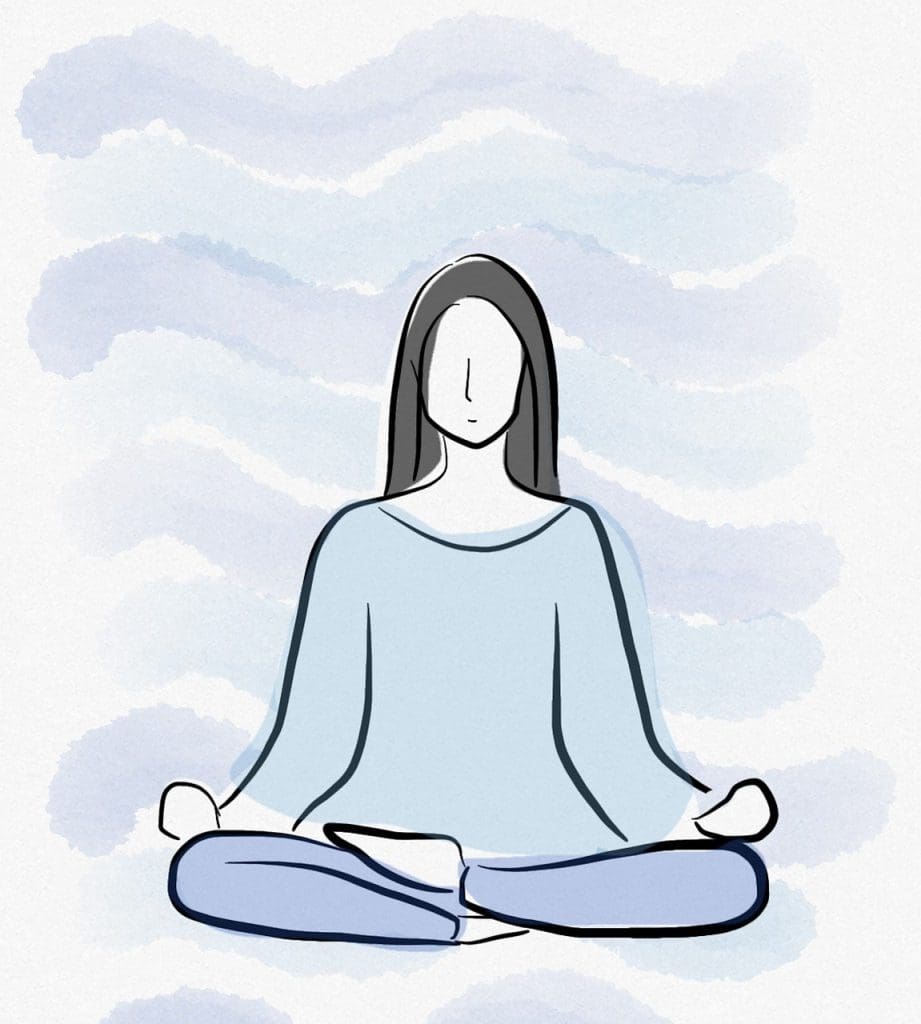
Meditation is a powerful practice that cultivates mindfulness, allowing you to focus on the present moment and observe your thoughts and emotions without judgment. Set aside a few minutes each day to sit in a quiet space, close your eyes, and direct your attention to your breath or a specific focal point. Regular meditation can help reduce stress, enhance self-awareness, and promote a sense of calm and clarity.
Practice deep breathing exercises
Deep breathing exercises are a simple yet effective way to combat stress and induce a state of relaxation. Take slow, deep breaths, filling your diaphragm with air and exhaling slowly. Focus on the physical sensations of your breath as it enters and leaves your body. Deep breathing exercises can instantly calm your nervous system, lower your heart rate, and promote a sense of tranquility.
Engage in mindfulness activities
Mindfulness is about being fully present in the moment and engaging all your senses. Incorporate mindfulness into your daily routine by engaging in activities with intention and focus. Whether it’s savoring a delicious meal, going for a mindful walk in nature, or even doing chores mindfully, you can bring mindfulness into everything you do. By practicing mindfulness, you can enhance your overall well-being and develop emotional resilience.

Maintain Social Connections
Spend time with loved ones
Nurturing positive relationships with loved ones plays a significant role in supporting mental health and emotional resilience. Make time for socializing with family and friends, whether it’s through regular gatherings, phone calls, or video chats. Engaging in meaningful connections provides emotional support, reduces feelings of loneliness, and boosts overall well-being.
Join social clubs or organizations
Joining social clubs or organizations can offer opportunities to meet like-minded people and build new friendships. Find clubs or groups that align with your interests, such as book clubs, sports teams, or hobby-based organizations. These social connections create a sense of belonging, foster personal growth, and provide a support network during challenging times.
Volunteer in the community
Volunteering not only benefits others but also has positive effects on your own mental health and emotional resilience. Find a cause or organization that resonates with you and dedicate your time and skills to make a difference. Volunteering promotes a sense of purpose, connection, and gratitude. Engaging in acts of kindness not only uplifts others but also boosts your own well-being.
Avoid Substance Abuse
Limit alcohol consumption
While it may be tempting to turn to alcohol as a coping mechanism, excessive alcohol consumption can have detrimental effects on mental health and emotional resilience. Limit your alcohol intake and be mindful of your alcohol consumption patterns. If you find yourself relying on alcohol to cope with stress or emotions, seek healthier alternatives and consider seeking professional help if necessary.
Avoid illegal drugs
Illegal drug use can have severe consequences on mental health and overall well-being. It’s essential to avoid engaging in drug use and understand the risks associated with it. If you or someone you know is struggling with drug addiction, reach out to appropriate resources for support and guidance in overcoming addiction.
Seek help if struggling with addiction
If you are struggling with substance abuse or addiction, reach out for professional help. Addiction is a complex issue, and seeking support from addiction counselors, therapists, or support groups can provide the guidance and tools necessary for recovery. Remember that there is no shame in asking for help, and reaching out is the first step towards a healthier and more resilient future.
Take Breaks
Schedule regular downtime and vacations
In our fast-paced world, it’s important to carve out time for relaxation and rest. Schedule regular periods of downtime, where you can unwind, engage in activities you enjoy, and recharge your batteries. Additionally, plan and take vacations to disconnect from work and everyday stressors. Vacations allow you to rejuvenate and create cherished memories, ultimately enhancing your mental well-being and emotional resilience.
Disconnect from technology
While technology offers numerous benefits, it’s important to strike a balance and disconnect regularly. Set boundaries by designating tech-free time, such as during meals or before bedtime. Disconnecting from technology allows you to be present in the moment, reduce screen time-related stress, and foster deeper connections with others.
Engage in activities that bring joy
Make time for activities that bring you joy and make you feel alive. Whether it’s pursuing a hobby, engaging in creative outlets, or enjoying outdoor adventures, doing things that bring you happiness helps to counter stress and boost your mood. Cultivate a list of activities that bring you joy and try to incorporate them regularly into your routine.
Cultivate Self-Compassion
Practice self-care
Self-care is the practice of intentionally nurturing your physical, mental, and emotional well-being. Prioritize self-care activities in your daily life to support your mental health and emotional resilience. This can include activities such as taking relaxing baths, reading a good book, engaging in mindfulness practices, or simply indulging in activities that make you happy and fulfilled. Remember, taking care of yourself is not selfish, but essential.
Challenge negative self-talk
Negative self-talk can be damaging to your mental health and resilience. Pay attention to the thoughts and beliefs you hold about yourself and challenge negative self-talk with more positive and affirming statements. Practice self-compassion and kindness towards yourself, nurturing a more resilient and positive mindset.
Celebrate personal achievements
Take the time to acknowledge and celebrate your personal achievements, no matter how big or small. Celebrating milestones and successes boosts self-esteem, instills a sense of pride, and reinforces your resilience. Reflect on your progress and give yourself credit for the effort and dedication you put into reaching your goals.
Set Boundaries
Learn to say no
Setting boundaries and learning to say no is crucial for self-care and maintaining emotional resilience. Understand your own limits and the importance of prioritizing your own needs. By valuing your time and energy, you can prevent burnout and maintain a healthy work-life balance.
Prioritize self-care
Put yourself first and make self-care a priority. This means taking care of your physical, emotional, and mental well-being without guilt or hesitation. Prioritizing self-care allows you to nurture your resilience and better navigate life’s challenges.
Establish personal space and time
Creating personal space and time is essential for self-reflection and rejuvenation. Designate a physical space in your home where you can relax and have privacy. Set aside regular time for yourself, whether it’s reading, journaling, or engaging in a hobby. Establishing personal space and time enables you to recharge and enhance your mental and emotional well-being.
Educate Yourself
Learn about mental health and resilience
Educating yourself about mental health and resilience is a valuable tool for understanding and supporting your own well-being. Read books, articles, and reputable online resources to expand your knowledge. By understanding the factors that impact your mental health and resilience, you can make informed choices and seek appropriate support when needed.
Stay informed about available resources
Stay informed about the resources and support available in your community or online. Familiarize yourself with helplines, counseling services, support groups, and mental health organizations in your area. Knowing where to turn when you require assistance can provide peace of mind and expedite the process of seeking help when necessary.
Attend workshops or seminars
Attend workshops or seminars that focus on mental health, resilience, and overall well-being. These events often provide valuable insights, practical tools, and strategies for enhancing your resilience and supporting your mental health. Look for local organizations, online courses, or community centers offering such opportunities for personal growth and education.
By incorporating these top ways to support mental health and emotional resilience into your life, you can enhance your overall well-being and build the resilience needed to navigate life’s challenges with greater ease. Remember, it’s a journey, and small steps taken consistently can make a significant difference in your mental health and resilience over time. Take care of yourself, seek support when necessary, and always prioritize your well-being.