
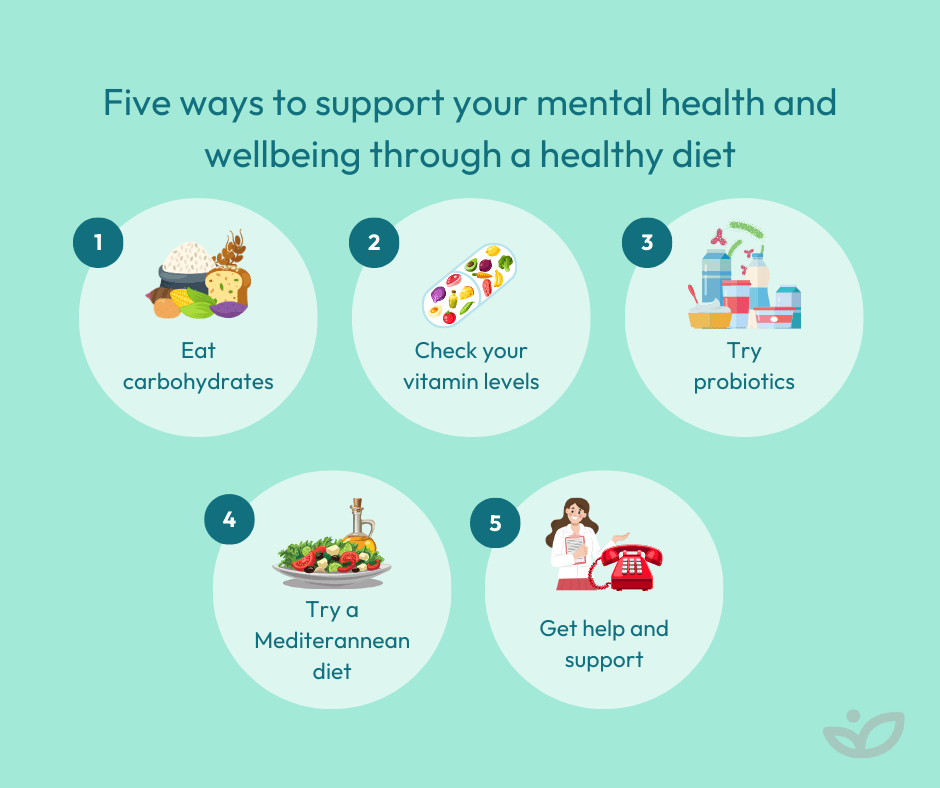
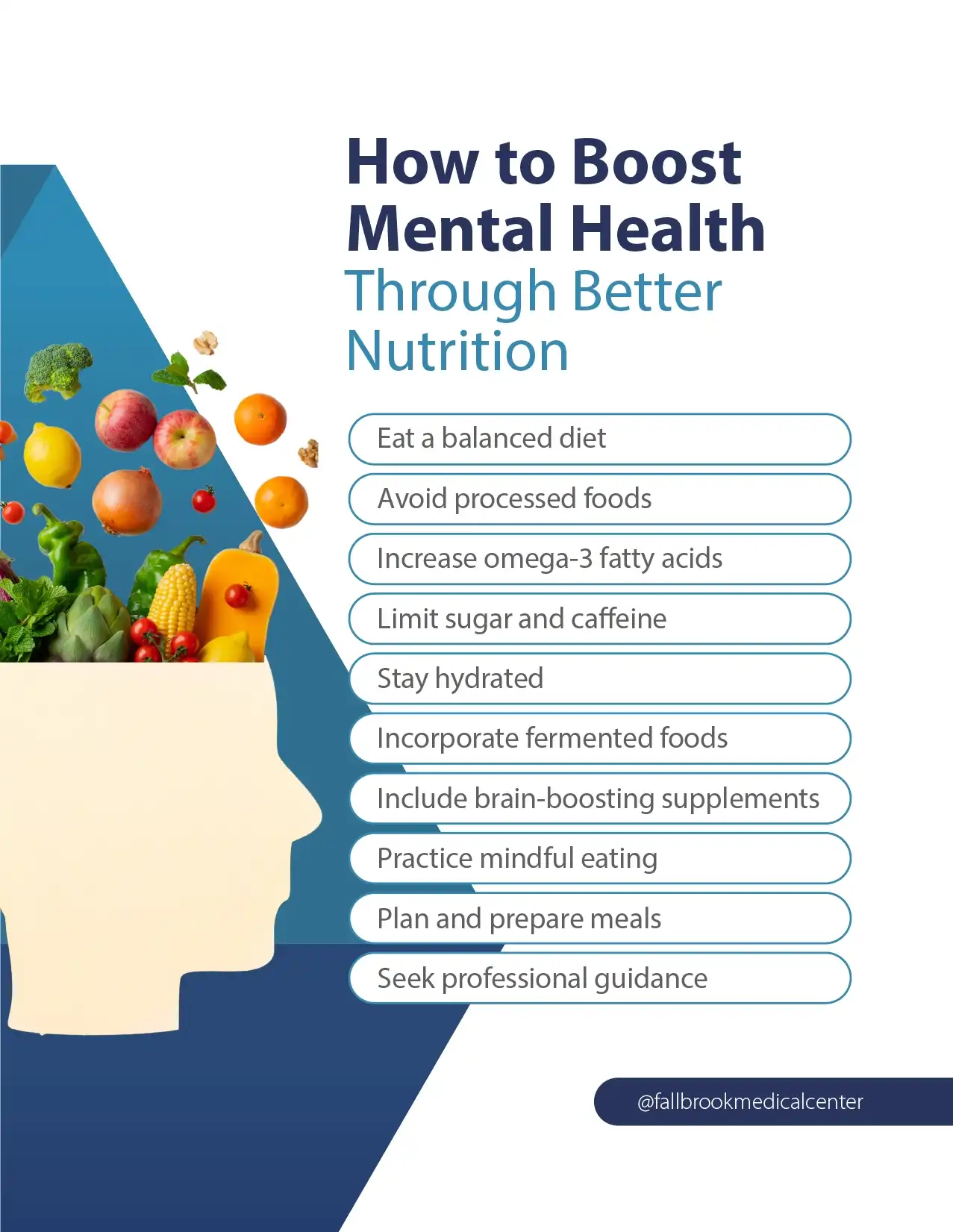
Are you looking to improve your mental health through simple and effective means? Look no further than the power of nutrition. In this article, we will explore the top ways to support your mental health through the foods you consume. By making conscious choices and incorporating certain nutrients into your diet, you can uplift your mood, reduce stress levels, and promote overall emotional well-being. Discover how the right combination of foods can have a significant impact on your mental state and learn practical tips for incorporating these nutritional powerhouses into your daily routine. Say goodbye to those blues and hello to a happier, healthier you!
Increase Intake of Omega-3 Fatty Acids
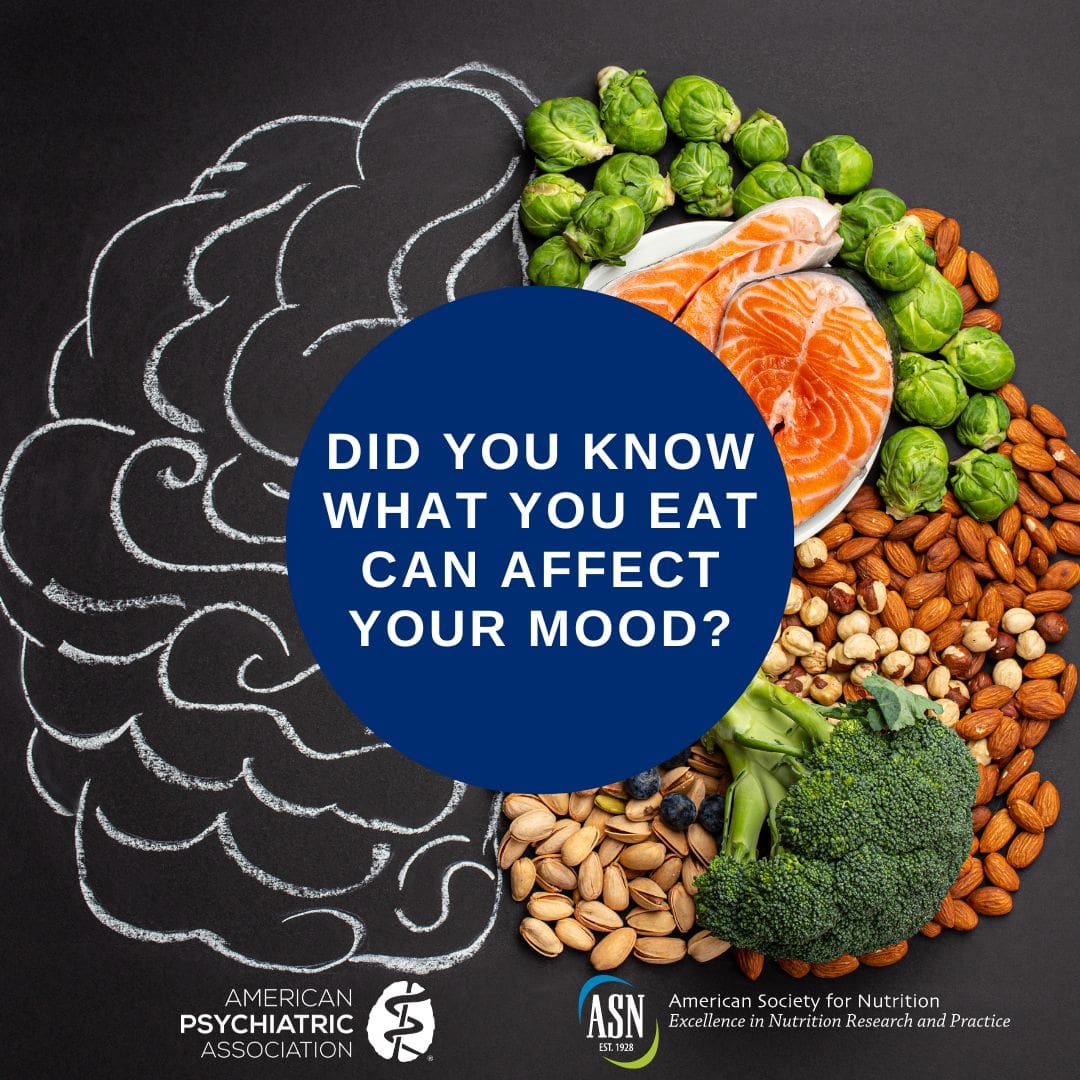
Omega-3 fatty acids are essential nutrients that play a crucial role in supporting mental health. They have numerous benefits for the brain and overall well-being. These healthy fats are known to reduce inflammation in the body, which is important for maintaining optimal brain function. Additionally, omega-3 fatty acids have been linked to improved mood and a lower risk of developing mental health conditions such as depression and anxiety.
To increase your intake of omega-3 fatty acids, it is important to include foods rich in these nutrients in your diet. The best sources of omega-3 fatty acids are found in fatty fish such as salmon, trout, and sardines. These fish are not only delicious but also packed with eicosapentaenoic acid (EPA) and docosahexaenoic acid (DHA), which are two important types of omega-3 fatty acids.
If you are not a fan of fish, there are other options to consider. Walnuts, chia seeds, and flaxseeds are plant-based sources of omega-3 fatty acids. These can easily be added to your meals or consumed as snacks to ensure you are getting an adequate amount of these beneficial fats.
Consume Foods Rich in Antioxidants
Antioxidants are essential for maintaining good mental health. They help protect the brain from oxidative stress, which can lead to cognitive decline and an increased risk of mental health disorders. By incorporating antioxidant-rich foods into your diet, you can promote brain health and support your overall well-being.
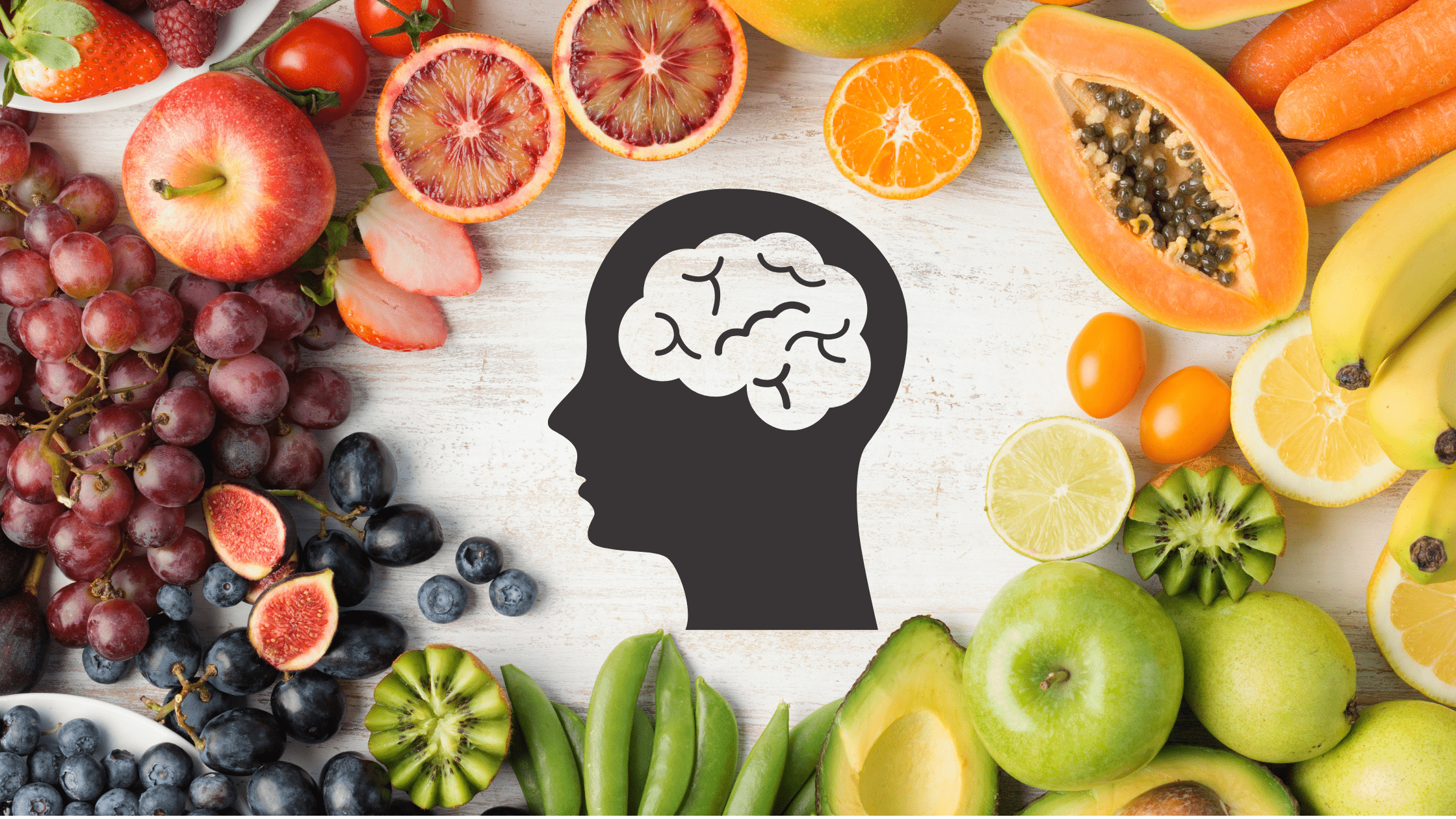
Some of the most powerful antioxidants can be found in fruits and vegetables. Berries, such as blueberries and strawberries, are rich in antioxidants and can easily be added to your breakfast or enjoyed as a refreshing snack. Dark leafy greens like spinach and kale are also packed with antioxidants and provide a wide range of other essential nutrients.
In addition to fruits and vegetables, other foods high in antioxidants include nuts, seeds, and whole grains. Adding these foods to your meals can help combat oxidative stress and contribute to better mental health.
Maintain a Balanced Diet
A balanced diet is crucial for supporting mental health. Eating a variety of nutrient-rich foods provides your body and brain with the necessary vitamins, minerals, and other essential nutrients they need to function optimally. A well-balanced diet helps stabilize your mood, improve cognitive function, and enhance overall mental well-being.
When planning your meals, it is important to include foods from all food groups. Aim to consume a variety of fruits, vegetables, whole grains, lean proteins, and healthy fats. This ensures that you are getting a wide range of nutrients that support brain health.
In addition to incorporating a variety of foods, it is also important to pay attention to your macronutrient intake. Balancing your intake of carbohydrates, proteins, and fats is essential for maintaining stable blood sugar levels and providing your brain with the energy it needs to function properly.
While it’s okay to enjoy sugary treats and processed foods in moderation, it’s important to limit their consumption. These foods often lack important nutrients and can lead to blood sugar imbalances and mood swings. By prioritizing nutrient-rich whole foods and avoiding excessive sugar and processed foods, you can support your mental health through your diet.
Include Probiotics in Your Diet
The relationship between the gut and the brain is known as the gut-brain connection. A healthy gut is essential for optimal mental health, as the gut and brain communicate constantly. Probiotics, which are beneficial bacteria, play a crucial role in maintaining a healthy gut and supporting mental well-being.
Probiotics can be found in certain fermented foods such as yogurt, kefir, and sauerkraut. These foods provide your gut with good bacteria that help maintain a healthy balance of microorganisms. By including these probiotic-rich foods in your diet, you can support your mental health and improve your overall well-being.
If you are lactose intolerant or prefer not to consume dairy products, there are non-dairy options available. Look for plant-based probiotic supplements that contain a variety of beneficial bacteria strains. These supplements can be a great addition to your diet and help support a healthy gut-brain connection.
Stay Hydrated
Hydration is often overlooked when it comes to mental health, but it plays a vital role in maintaining optimal brain function. Dehydration can lead to fatigue, poor concentration, and mood fluctuations. By staying hydrated, you can support your mental health and ensure that your brain is functioning at its best.
The importance of hydration for mental health cannot be stressed enough. Drinking an adequate amount of fluids throughout the day helps transport nutrients to the brain and removes waste products. It also helps maintain proper electrolyte balance, which is crucial for optimal brain function.
The recommended daily fluid intake varies depending on factors such as age, sex, and activity level. However, a general guideline is to drink at least eight cups (64 ounces) of water per day. It is important to listen to your body and drink when you are thirsty to ensure adequate hydration.
In addition to water, there are other healthy beverage options that can contribute to your hydration needs. Herbal teas, unsweetened iced tea, and infused water are delicious alternatives to sugary drinks. By choosing healthy beverages, you can support your mental health while staying hydrated.
Reduce Caffeine and Alcohol Consumption
While caffeine and alcohol may provide temporary relief or relaxation, excessive consumption of these substances can have negative effects on your mental health. Both caffeine and alcohol can disrupt sleep patterns, worsen anxiety symptoms, and contribute to mood swings.
It is important to consume caffeine and alcohol in moderation and be aware of your personal limits. For most individuals, moderate caffeine intake is considered to be around 200-300 milligrams per day, which is roughly one to two cups of coffee. Exceeding this amount can lead to jitteriness, increased anxiety, and difficulty sleeping.
Similarly, moderate alcohol consumption is defined as up to one drink per day for women and up to two drinks per day for men. Excessive alcohol intake can lead to depression, memory problems, and impaired cognitive function.
If you feel that caffeine or alcohol is negatively impacting your mental health, consider exploring healthier alternatives. Herbal teas, decaffeinated coffee, and non-alcoholic beverages can be enjoyable substitutes that support your mental well-being.
Get Sufficient B Vitamins
B vitamins are essential for overall mental well-being. They play a crucial role in supporting brain function and helping the body produce energy. Inadequate intake of B vitamins can lead to fatigue, poor cognitive function, and even depression.
There are several B vitamins, each with its own unique functions. Some of the most important B vitamins for mental health include vitamin B6, vitamin B12, and folate. These vitamins can be found in a variety of foods and should be included in your diet to support your mental well-being.
Food sources rich in B vitamins include lean meats, fish, poultry, eggs, legumes, and leafy green vegetables. By incorporating these foods into your meals, you can ensure that you are getting an adequate amount of B vitamins to support your mental health.
If you are worried about your B vitamin intake or suspect a deficiency, it may be beneficial to consult with a healthcare professional. They can assess your specific needs and determine if supplementation is necessary.
Manage Stress with Adaptogens
Adaptogens are a group of herbs and plants that help the body manage and adapt to stress. Chronic stress can negatively impact mental health, leading to anxiety, depression, and other mental health disorders. By incorporating adaptogens into your diet, you can support your body’s ability to cope with stress and promote mental well-being.
These herbs work by regulating stress hormones and supporting the adrenal glands. Some popular adaptogens include ashwagandha, Rhodiola rosea, and holy basil. These herbs can be consumed in various forms such as teas, tinctures, or capsules.
Adaptogens have been found to have several benefits for mental health. They can help reduce anxiety, improve cognitive function, increase energy levels, and enhance overall well-being. If you are experiencing chronic stress or are looking for ways to manage stress naturally, consider incorporating adaptogens into your daily routine.
Prioritize Whole Foods
When it comes to supporting your mental well-being, prioritizing whole foods is key. Whole foods refer to foods that are in their natural, unprocessed state or have undergone minimal processing. These foods are rich in essential nutrients and provide numerous benefits for mental health.
Including a variety of fruits, vegetables, and whole grains in your diet is essential for mental well-being. These foods are packed with vitamins, minerals, antioxidants, and fiber, which support brain health and help reduce the risk of mental health conditions.
Fruits such as berries, oranges, and apples provide essential vitamins and antioxidants that promote mental well-being. Vegetables like broccoli, spinach, and sweet potatoes are rich in nutrients that support brain function. Whole grains such as quinoa, brown rice, and oats provide sustained energy and important nutrients for optimal mental health.
Avoiding highly processed foods is also crucial for supporting your mental well-being. Processed foods are often high in sugar, unhealthy fats, and artificial ingredients, all of which can negatively impact your mood and cognitive function. By opting for whole foods, you can ensure that you are nourishing your body and brain with the nutrients they need for optimal function.
Consider Supplements When Necessary
While a well-balanced diet should be the foundation of your nutritional intake, there may be times when supplements are necessary to support your mental health. It is important to consult with a healthcare professional before starting any new supplement regimen to ensure proper dosage and to address any potential interactions with medications or existing conditions.
Common supplements that have been found to support mental health include omega-3 fatty acids, vitamin D, magnesium, and probiotics. These supplements can help fill nutrient gaps and support brain function. However, it is important to choose high-quality supplements from reputable brands to ensure their efficacy and safety.
Supplements should not replace a healthy diet but rather complement it. They can be beneficial in certain circumstances, such as during periods of increased stress, to address specific deficiencies, or in consultation with a healthcare professional.
Prioritizing your mental health through nutrition is a powerful and proactive step you can take to support your overall well-being. By incorporating these strategies into your daily life, you can nourish your body and brain, promote mental well-being, and enhance your quality of life. Remember to consult with a healthcare professional if you have any specific concerns or questions about your nutritional needs.
