
Welcome to an article that will help you understand and manage postpartum depression. This common condition affects many new mothers, but with the right support and strategies, you can navigate through this challenging time. From recognizing the symptoms to seeking help from healthcare professionals, this article will provide you with valuable insights on how to cope with postpartum depression and take care of yourself as you adjust to motherhood. Remember, you are not alone, and there is help available to support you through this journey. Have you recently given birth and noticed a significant change in your mood or behavior? It could be a sign of postpartum depression. This common condition affects many new mothers, but it’s essential to understand that you are not alone and help is available. In this article, we will explore the causes, symptoms, and treatment options for postpartum depression to help you navigate this challenging time with confidence and support.
What Is Postpartum Depression?
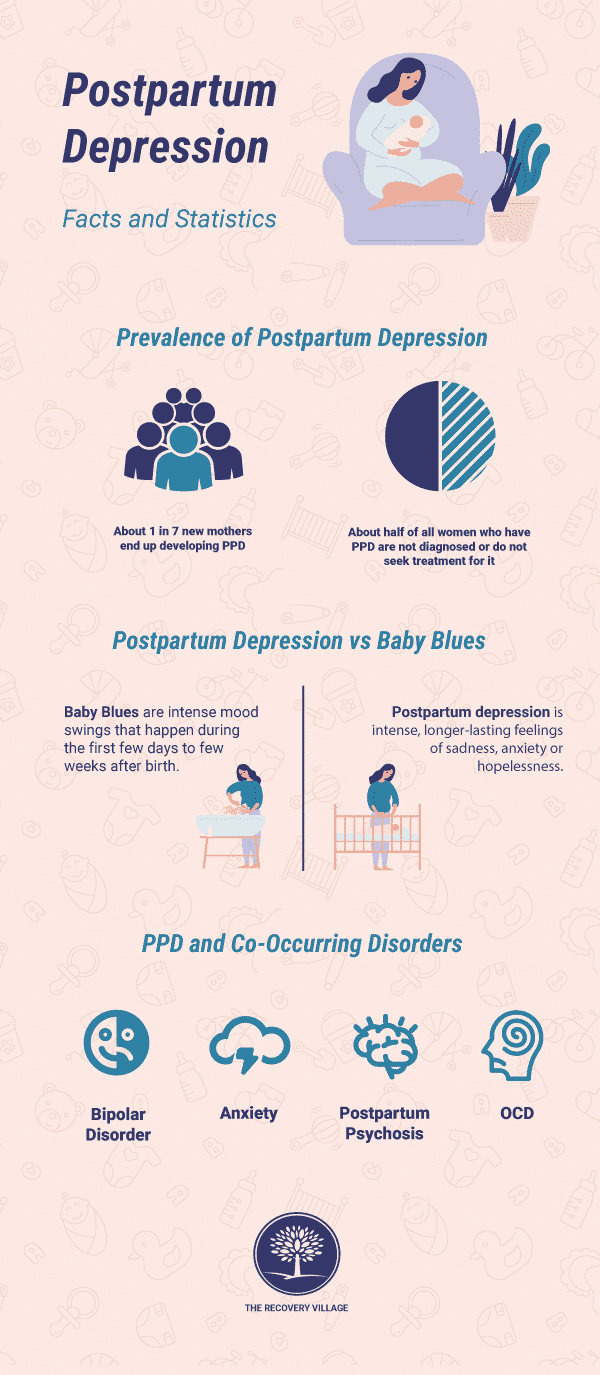
Postpartum depression (PPD) is a type of mood disorder that affects women after giving birth. It can occur anywhere from a few days to a few months post-delivery and may last for several weeks or even longer. PPD is more than just the “baby blues” that many women experience after childbirth. It is a more severe and long-lasting condition that requires professional treatment.
Symptoms of Postpartum Depression
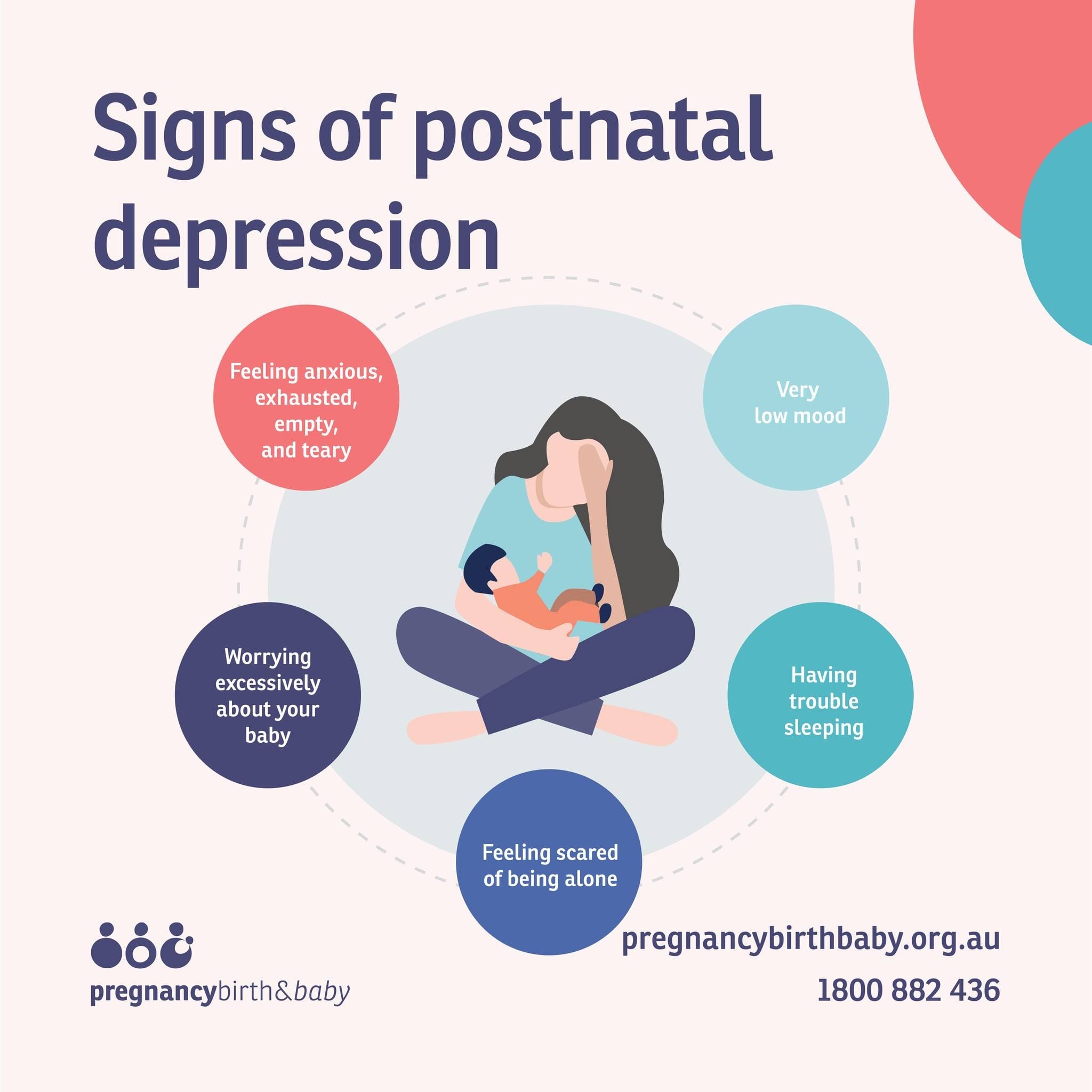
Postpartum depression can manifest in a variety of ways, and symptoms may vary from woman to woman. It’s essential to recognize these signs early on to seek help and support. Some common symptoms of postpartum depression include:
- Persistent feelings of sadness or hopelessness
- Loss of interest in activities you once enjoyed
- Changes in appetite or sleeping patterns
- Difficulty bonding with your baby
- Irritability, anger, or mood swings
- Feelings of worthlessness or guilt
If you are experiencing any of these symptoms, it’s crucial to reach out to your healthcare provider or a mental health professional for a proper diagnosis and treatment plan.
Causes of Postpartum Depression
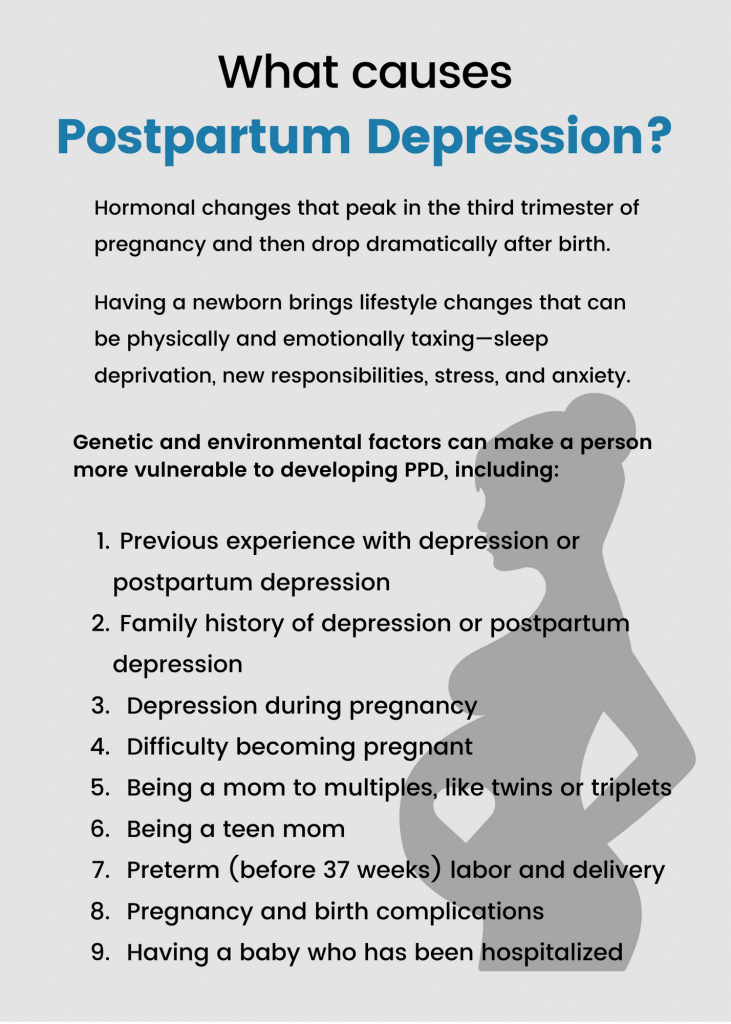
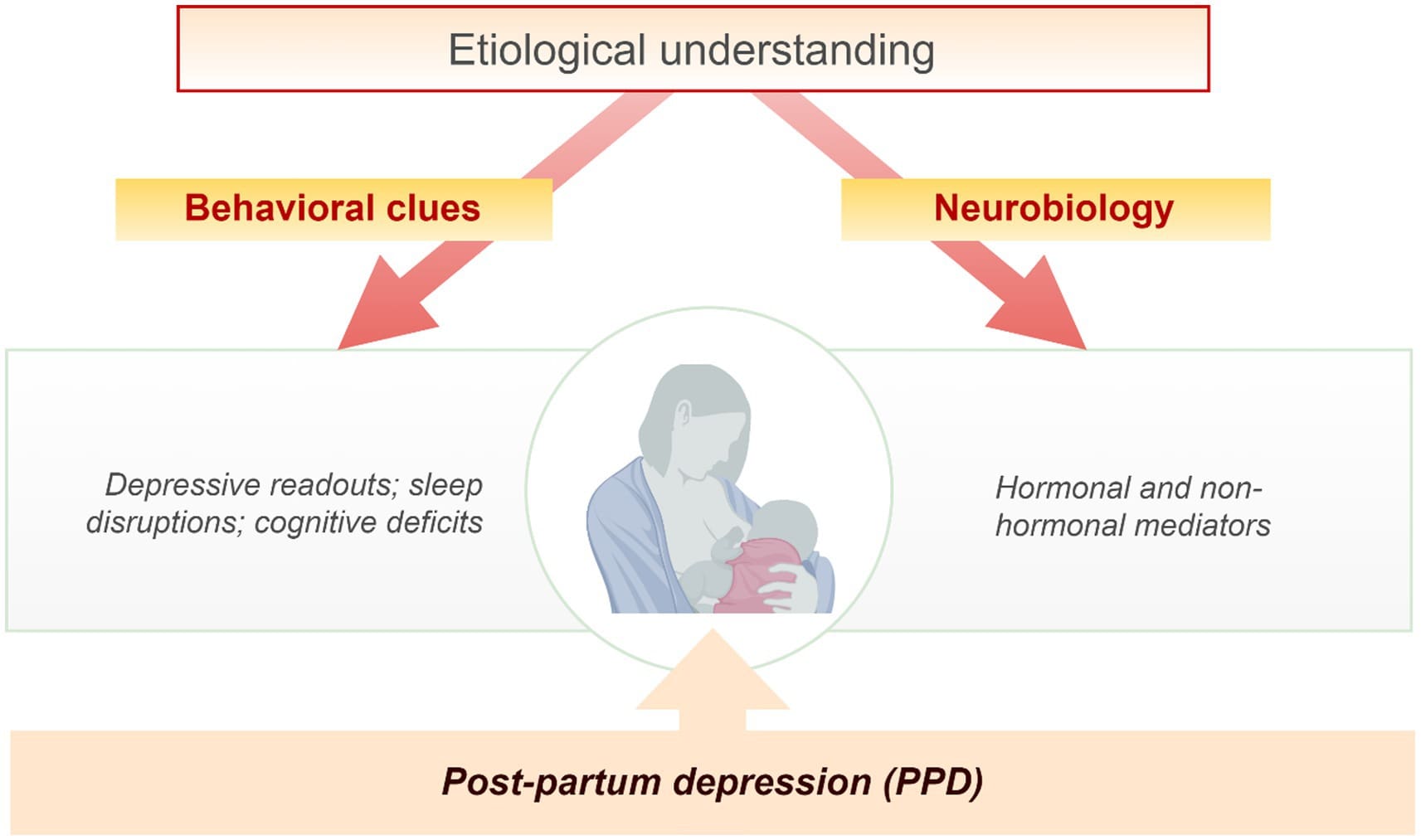
While the exact cause of postpartum depression is not entirely understood, several factors can contribute to the development of this condition. Understanding these potential causes can help you navigate through your feelings and seek appropriate support. Some common factors that may contribute to postpartum depression include:
Hormonal Changes
After giving birth, your body goes through significant hormonal changes as estrogen and progesterone levels drop rapidly. These hormonal fluctuations can affect your mood and contribute to feelings of sadness or depression.
Lack of Sleep
New mothers often experience sleep deprivation due to the demands of caring for a newborn. Sleep plays a crucial role in regulating mood and emotional well-being, and a lack of adequate sleep can exacerbate feelings of depression.
Stress and Lifestyle Changes
The stress of adjusting to motherhood, combined with changes in your routine, relationships, and responsibilities, can also contribute to postpartum depression. Feeling overwhelmed or isolated can increase your risk of developing this condition.
History of Mental Health Issues
Women with a history of depression, anxiety, or other mental health conditions are at a higher risk of developing postpartum depression. It’s essential to be aware of your mental health history and communicate any concerns with your healthcare provider.
Lack of Support
Having a strong support system in place is crucial for new mothers. Feeling isolated or unsupported can increase feelings of loneliness and depression. It’s essential to reach out to loved ones or seek professional help if you are struggling.
Treatment Options for Postpartum Depression
The good news is that postpartum depression is a treatable condition, and there are several effective treatment options available to help you feel better. It’s essential to work closely with your healthcare provider to develop a treatment plan that is tailored to your specific needs. Some common treatment options for postpartum depression include:
Therapy
Therapy, such as cognitive-behavioral therapy (CBT) or interpersonal therapy, can be highly effective in treating postpartum depression. Talking to a therapist can help you process your feelings, develop coping strategies, and improve communication with your partner and loved ones.
Medication
In some cases, medication may be prescribed to manage the symptoms of postpartum depression. Antidepressants can help regulate your brain chemistry and alleviate feelings of sadness or anxiety. It’s essential to discuss the risks and benefits of medication with your healthcare provider.
Support Groups
Joining a support group for new mothers experiencing postpartum depression can provide you with a sense of community and understanding. Connecting with other women who are going through similar struggles can help you feel less alone and more supported.
Self-Care
Taking care of yourself is crucial when managing postpartum depression. Make time for activities that bring you joy and relaxation, such as exercise, meditation, or spending time outdoors. Prioritize self-care and give yourself permission to ask for help when needed.
Coping Strategies for Postpartum Depression
In addition to seeking professional treatment, there are several coping strategies you can use to manage the symptoms of postpartum depression and improve your mental well-being. It’s essential to be patient and compassionate with yourself as you navigate this challenging time. Some helpful coping strategies for postpartum depression include:
Set Realistic Expectations
As a new mother, it’s easy to feel overwhelmed by the pressure to do everything perfectly. It’s essential to set realistic expectations for yourself and your baby and acknowledge that it’s okay to ask for help when needed.
Prioritize Self-Care
Self-care is not selfish; it’s necessary for your overall well-being. Make time for activities that bring you joy and relaxation, such as reading a book, taking a bath, or going for a walk. Taking care of yourself will help you feel more balanced and resilient.
Communicate with Your Partner
Open and honest communication with your partner is essential when dealing with postpartum depression. Share your feelings and concerns with your partner, and work together to find solutions that work for both of you. Your partner can be a valuable source of support during this challenging time.
Reach Out for Help
You don’t have to face postpartum depression alone. Reach out to friends, family members, or healthcare providers for support. Letting others know how you are feeling can help you feel less isolated and more understood.
Creating a Support System
Building a support system is crucial when navigating postpartum depression. Surrounding yourself with people who understand and support you can make a significant difference in your healing process. Whether it’s friends, family, or healthcare professionals, having a strong support system can provide you with the resources and encouragement you need to overcome postpartum depression.
Building Your Support Network
Identify the people in your life who can offer you emotional support, practical help, and encouragement. Reach out to friends, family members, or support groups for new mothers to connect with others who understand what you’re going through.
Communicating Your Needs
Be open and honest with your loved ones about how you are feeling and what you need from them. Whether it’s a listening ear, help with household chores, or a break from childcare duties, communicating your needs can help others provide the support you require.
Seeking Professional Help
If you are struggling with postpartum depression, don’t hesitate to seek professional help. Your healthcare provider, therapist, or counselor can offer you the guidance and support you need to navigate through this challenging time. Remember that asking for help is a sign of strength, not weakness.
Conclusion
Postpartum depression is a common and treatable condition that affects many new mothers. It’s essential to recognize the signs and symptoms of postpartum depression and seek help and support from healthcare providers, therapists, and loved ones. By understanding the causes, symptoms, and treatment options for postpartum depression, you can navigate this challenging time with confidence and resilience. Remember that you are not alone, and help is available to support you through this journey of motherhood.