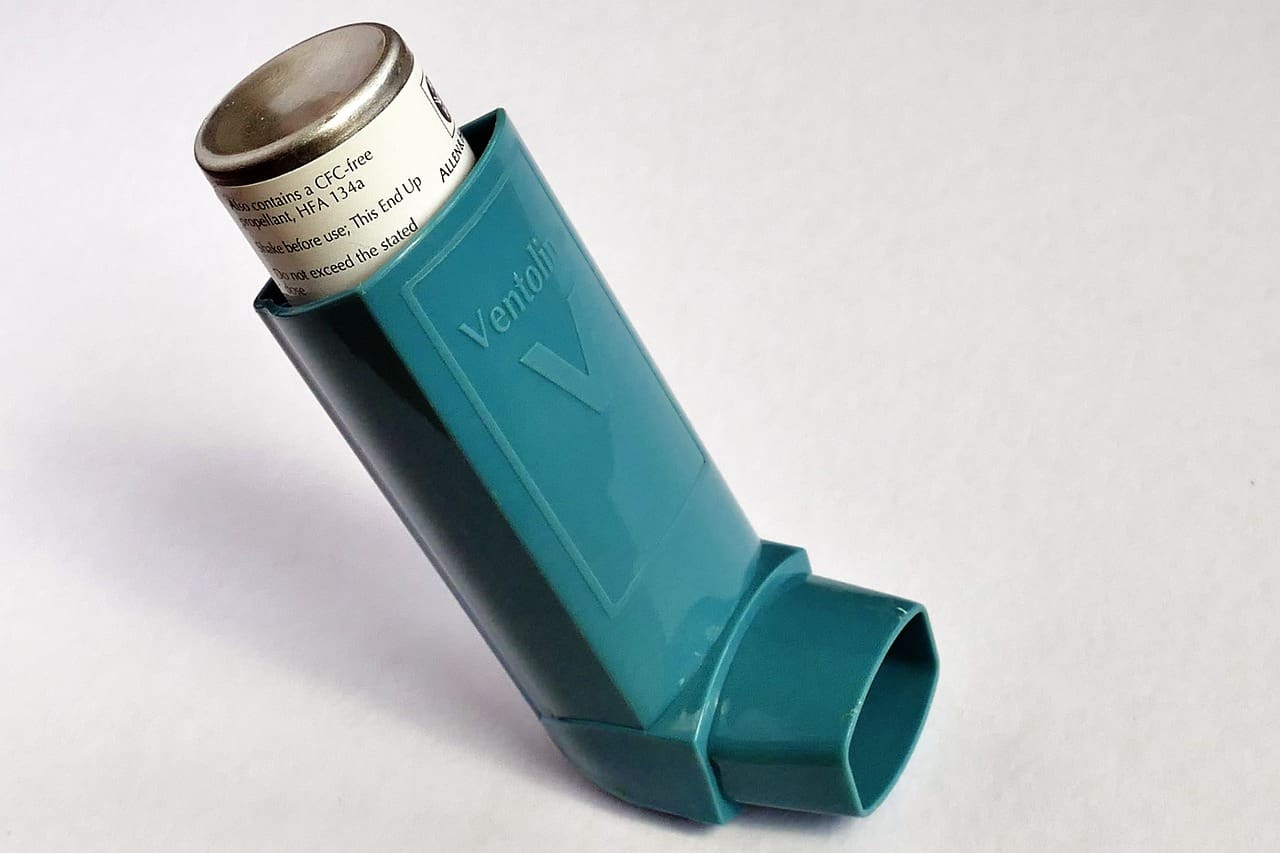
Welcome to a comprehensive guide on understanding asthma and the top ways to control symptoms. Asthma is a common chronic respiratory condition that affects millions of people worldwide. By implementing simple lifestyle changes, such as maintaining a clean environment, avoiding triggers, and regularly taking prescribed medication, you can effectively manage your asthma symptoms and lead a healthy, active life. Let’s explore some key strategies to help you breathe easier and live better with asthma.
Have you been struggling with asthma symptoms?
Hey there! Are you finding it challenging to manage your asthma symptoms effectively? Don’t worry; you’re not alone. Asthma is a common chronic respiratory condition that affects millions of people worldwide. In this article, we’ll dive into the top ways to control asthma symptoms and improve your quality of life. Let’s get started!
What is Asthma?
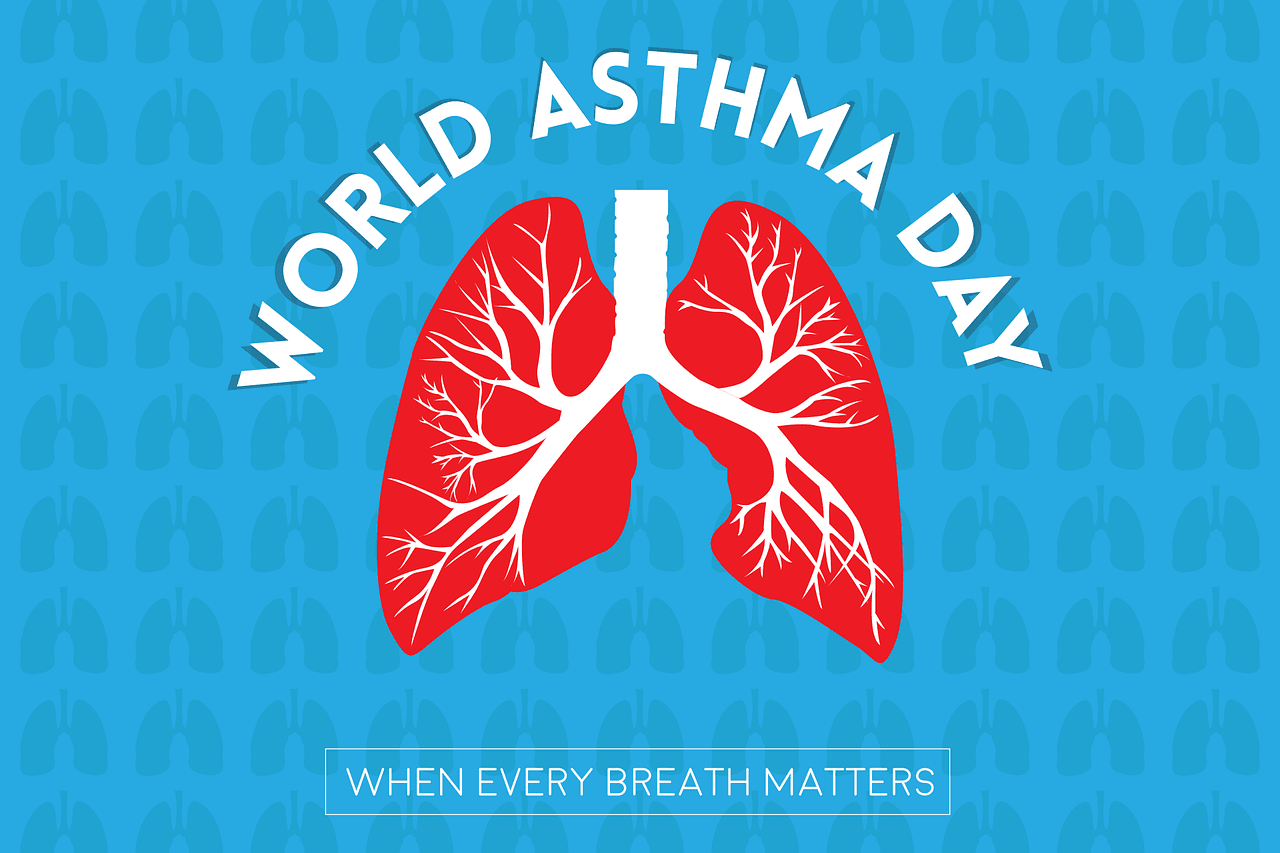
Asthma is a chronic respiratory disease that affects the airways in your lungs. When you have asthma, your airways become inflamed and narrowed, making it difficult to breathe. This can result in symptoms such as wheezing, coughing, chest tightness, and shortness of breath. It’s essential to understand how asthma works to better manage your symptoms.
Common Asthma Triggers
Several factors can trigger asthma symptoms and exacerbate the condition. Identifying and avoiding these triggers is crucial in controlling asthma. Some common asthma triggers include:
- Allergens: Pollen, dust mites, pet dander
- Environmental irritants: Smoke, strong odors, air pollution
- Respiratory infections: Cold, flu
- Physical activity: Exercise-induced asthma
- Weather changes: Cold air, humidity
By knowing your triggers and taking steps to avoid them, you can significantly reduce asthma symptoms.
Top Ways to Control Asthma Symptoms
Managing asthma involves a combination of medication, lifestyle changes, and effective self-care strategies. Here are some top ways to control asthma symptoms and improve your overall well-being:
1. Take Your Medications as Prescribed
One of the most crucial aspects of controlling asthma is taking your medications as prescribed by your healthcare provider. This may include:
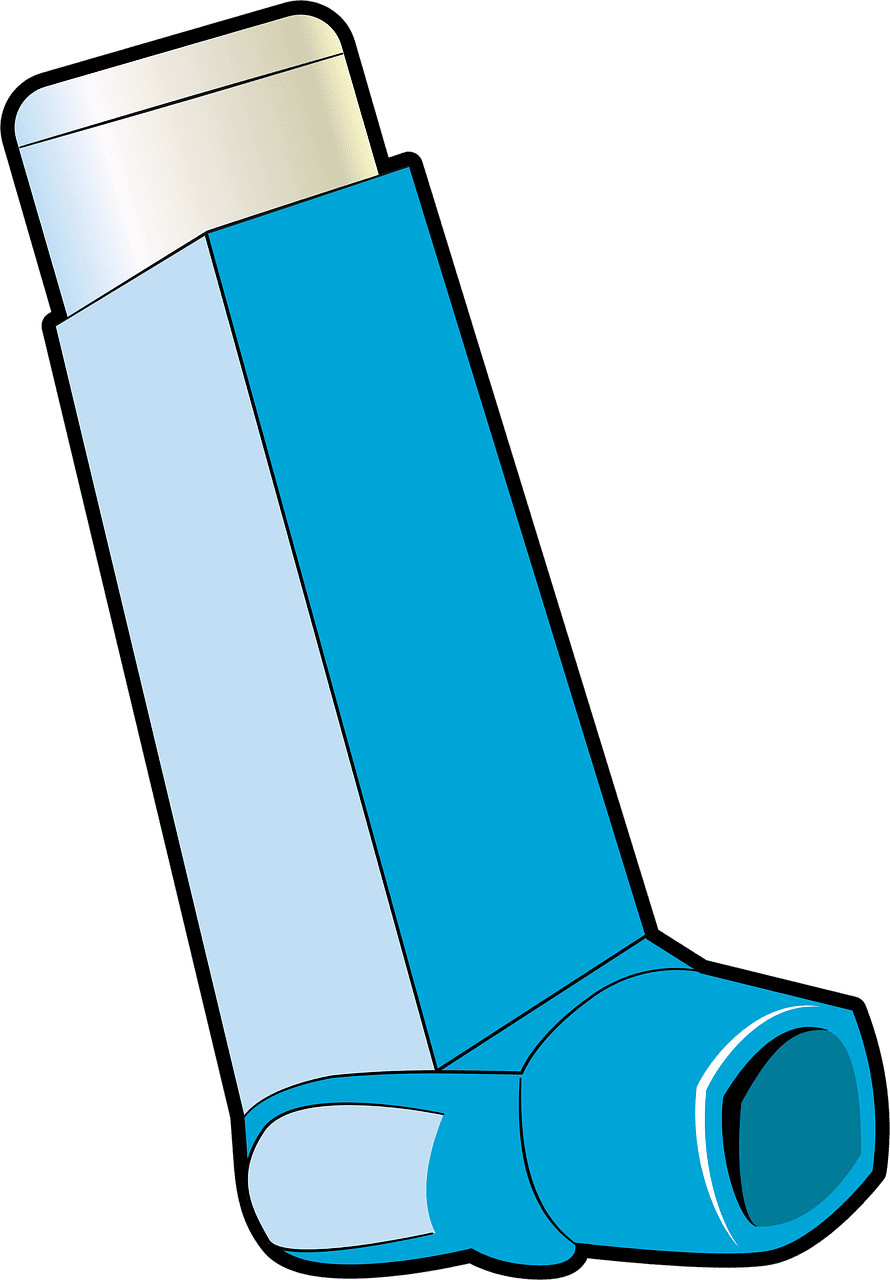
- Quick-relief inhalers: Used to relieve acute asthma symptoms
- Controller medications: Taken daily to prevent asthma attacks
- Allergy medications: To manage allergic triggers
It’s essential to follow your asthma action plan and adhere to your medication regimen consistently for optimal results.
2. Create an Asthma Action Plan
An asthma action plan is a personalized guide created by your healthcare provider to help you manage your condition. It includes:
- A list of your medications and when to take them
- Triggers to avoid
- Steps to take in case of an asthma attack
- Emergency contact information
Having an asthma action plan can empower you to take control of your asthma and respond effectively to symptom flare-ups.
3. Monitor Your Peak Flow
Peak flow monitoring is a simple way to track your lung function and asthma symptoms at home. A peak flow meter measures how well you can breathe out air. By regularly monitoring your peak flow readings, you can:
- Detect early signs of worsening asthma
- Monitor the effectiveness of your asthma treatment
- Adjust your medications as needed
Consult your healthcare provider on how to use a peak flow meter correctly and interpret your readings.
4. Keep Your Environment Clean
Maintaining a clean and healthy environment is essential for asthma management. Here are some tips to reduce asthma triggers in your home:
- Regularly dust and vacuum your living space
- Use allergen-proof covers for pillows and mattresses
- Keep pets out of bedrooms
- Control humidity levels to prevent mold growth
- Ensure proper ventilation
By creating an asthma-friendly environment, you can minimize exposure to triggers and improve your respiratory health.
5. Stay Active and Maintain a Healthy Weight
Regular physical activity is beneficial for overall health and can help improve asthma symptoms. Exercise can strengthen your lungs and reduce inflammation. Additionally, maintaining a healthy weight can lessen the strain on your respiratory system, making breathing easier.
- Engage in moderate-intensity exercises like walking, swimming, or biking
- Consult your healthcare provider for exercise recommendations
- Monitor your asthma symptoms during physical activity
- Focus on a balanced diet to support your overall health
By incorporating physical activity into your routine and focusing on a healthy lifestyle, you can enhance your asthma management.
6. Manage Stress and Practice Relaxation Techniques
Stress can trigger asthma symptoms and exacerbate the condition. By managing stress effectively and practicing relaxation techniques, you can reduce the impact of stress on your asthma. Some relaxation techniques to consider include:
- Deep breathing exercises
- Yoga or meditation
- Progressive muscle relaxation
- Mindfulness and visualization techniques
Incorporating these techniques into your daily routine can help reduce stress levels and improve your asthma control.
7. Educate Yourself and Stay Informed
Knowledge is power when it comes to managing asthma. Educate yourself about your condition, treatment options, and self-care strategies. Stay informed about new developments in asthma management and seek support from healthcare professionals, asthma educators, and support groups.
By being proactive and well-informed, you can navigate your asthma journey more effectively and make informed decisions about your health.
Final Thoughts
Living with asthma can present challenges, but with the right strategies and support, you can effectively manage your symptoms and lead a fulfilling life. By following the tips outlined in this article, you can take control of your asthma and enhance your quality of life. Remember, you’re not alone in this journey. Stay positive, stay informed, and prioritize your respiratory health. Here’s to breathing easier and living better with asthma!