
Hey, did you ever wonder what exactly the Affordable Care Act is all about and how it affects you? Well, fret not because we’ve got you covered! In this article, we’ll break down the basics of the Affordable Care Act and shed light on its implications for individuals like yourself. By the time you’re done reading, you’ll have a clearer understanding of this important healthcare legislation and how it can impact your life. So, let’s dive right in, shall we?
What is the Affordable Care Act?
The Affordable Care Act (ACA), also known as Obamacare, is a comprehensive healthcare reform law enacted in 2010. Its primary goal is to improve access to quality healthcare coverage for all individuals living in the United States. The ACA introduces a set of regulations and provisions that aim to make healthcare more affordable, increase insurance coverage rates, and enhance the overall quality of healthcare services in the country.
The purpose of the Affordable Care Act
The main purpose of the Affordable Care Act is to provide healthcare coverage to the millions of Americans who were previously uninsured or underinsured. By introducing reforms and regulations, the ACA seeks to make healthcare more affordable, particularly for low-income individuals and families. The law also aims to strengthen consumer protections, improve the quality of healthcare services, and promote preventive care and wellness initiatives.

The main provisions and requirements of the Affordable Care Act
The Affordable Care Act includes several key provisions and requirements that have significantly impacted the healthcare landscape in the United States. One of the most noteworthy is the establishment of Health Insurance Marketplaces, also known as Exchanges, which serve as platforms for individuals to compare and purchase health insurance plans. These Marketplaces provide a range of coverage options, including bronze, silver, gold, and platinum plans, with varying levels of cost-sharing and coverage.
Another crucial provision of the ACA is the expansion of Medicaid, a federal and state program that provides health insurance to low-income individuals and families. The ACA expanded the eligibility criteria for Medicaid, allowing more people to access affordable healthcare coverage. Additionally, the ACA implemented the individual mandate, which requires most Americans to have health insurance or face penalties at tax time.
Furthermore, the Affordable Care Act introduced employer requirements, such as the employer mandate, which mandates that certain employers provide health insurance to their employees or face penalties. The law also prohibited insurance companies from denying coverage or charging higher premiums based on pre-existing conditions, ensuring that individuals with pre-existing conditions have access to affordable insurance options.
The impact of the Affordable Care Act on healthcare in the United States
The Affordable Care Act has had a significant impact on healthcare in the United States. It has expanded access to healthcare coverage, resulting in millions of Americans gaining insurance. This has been particularly beneficial for low-income individuals and families who previously struggled to afford health insurance.
The ACA’s provisions, such as the Health Insurance Marketplaces and subsidies, have made health insurance more affordable for many individuals. The law also introduced essential health benefits, which require insurance plans to cover a wide range of services, including preventive care, mental health services, and maternity care. This has led to improved coverage and increased access to necessary healthcare services.
However, the ACA has also faced challenges and criticisms. Some argue that the law imposed burdensome regulations and increased healthcare costs for certain individuals and businesses. Additionally, the individual mandate has faced opposition and has been repealed in recent years. Despite these challenges, the ACA remains a landmark legislation that has significantly improved access to healthcare coverage in the United States.
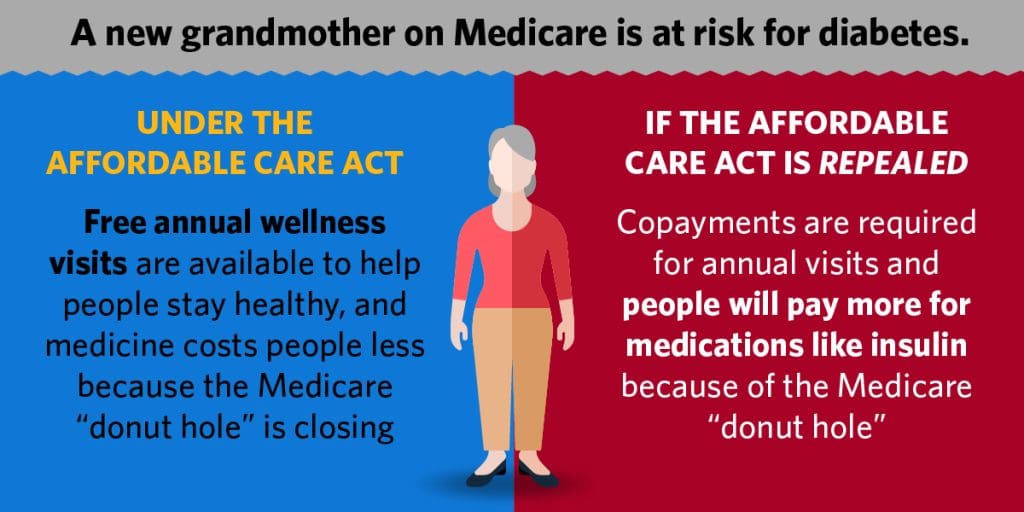
Health Insurance Marketplaces
The creation of Health Insurance Marketplaces
As part of the Affordable Care Act, Health Insurance Marketplaces were created to facilitate the purchase of health insurance coverage. These Marketplaces serve as online platforms where individuals and families can compare different insurance plans and enroll in the one that best fits their needs.
The creation of Health Insurance Marketplaces was aimed at increasing transparency and competition in the insurance market. By allowing individuals to easily compare different plans’ benefits, costs, and coverage options, the Marketplaces provide consumers with a centralized and accessible way to explore their insurance choices.
The role of Health Insurance Marketplaces in providing insurance options
Health Insurance Marketplaces play a crucial role in providing a diverse range of insurance options to individuals and families. These Marketplaces offer plans that vary in terms of cost-sharing, coverage levels, and available networks of healthcare providers.
By offering a variety of plans, the Marketplaces cater to different needs and preferences. Some individuals may prioritize lower monthly premiums, while others may prioritize lower out-of-pocket costs. The Marketplaces give individuals the flexibility to choose the plan that aligns with their healthcare needs and budget.
The benefits and drawbacks of Health Insurance Marketplaces
One of the significant benefits of Health Insurance Marketplaces is the increased access to insurance coverage. The Marketplaces provide a streamline process for individuals to explore and enroll in insurance plans, making it easier for those who may have faced barriers in accessing coverage in the past.
Additionally, the Marketplaces promote competition among insurance providers, which can help drive down prices and increase the affordability of insurance. With multiple insurance companies offering plans within the Marketplaces, individuals have more options to find a plan that suits their needs and budget.
However, there are also some drawbacks associated with Health Insurance Marketplaces. The complexity of the enrollment process, especially for individuals who are unfamiliar with insurance terms and concepts, can pose challenges. Additionally, some individuals may find navigating the various plans and coverage options overwhelming and confusing.
Furthermore, the availability of plans and insurance options within the Marketplaces can vary depending on the region. In some areas, there may be limited choices or higher premiums, impacting the affordability and accessibility of coverage.
Despite these drawbacks, Health Insurance Marketplaces have played a vital role in expanding access to insurance and providing a platform for individuals and families to find coverage that meets their healthcare needs.
Expansion of Medicaid
The expansion of Medicaid under the Affordable Care Act
One of the key components of the Affordable Care Act was the expansion of Medicaid, a joint federal and state program that provides health insurance to low-income individuals and families. The ACA expanded Medicaid eligibility criteria to cover more individuals living near or below the federal poverty level.
Prior to the expansion, Medicaid eligibility criteria varied significantly from state to state, leading to gaps in coverage for many individuals. The ACA aimed to bridge this gap by extending Medicaid eligibility to cover individuals with incomes up to 138% of the federal poverty level, regardless of whether they had dependent children.
The eligibility requirements for Medicaid after the expansion
Following the expansion of Medicaid, eligibility requirements differ between states but generally cover individuals with incomes up to 138% of the federal poverty level. This expanded eligibility includes adults without dependent children in many states.
The expansion also allowed states to implement other changes to their Medicaid programs, such as expanding coverage for pregnant women, simplifying the enrollment process, and introducing innovative delivery systems to improve healthcare quality and efficiency.
However, it’s important to note that not all states have adopted the Medicaid expansion under the ACA. As of now, several states have chosen not to expand their Medicaid programs, leaving a coverage gap for individuals in those states who may fall below the federal poverty level but do not qualify for traditional Medicaid.
The impact of Medicaid expansion on healthcare access
The expansion of Medicaid has had a significant impact on healthcare access for low-income individuals and families. By expanding Medicaid eligibility, more people have gained access to affordable health insurance coverage, reducing the number of uninsured individuals in many states.
This expanded coverage under Medicaid has led to increased utilization of healthcare services among those eligible for the program. Studies have shown that Medicaid expansion is associated with improved access to primary care, preventive services, and necessary treatments. It has also been linked to reduced reliance on emergency room visits for non-emergency conditions, promoting more cost-effective utilization of healthcare resources.
Moreover, the expansion of Medicaid has had positive financial implications for individuals and families. With insurance coverage, individuals are less likely to face high out-of-pocket costs and medical debt, providing them with greater financial security when it comes to healthcare expenses.
Overall, Medicaid expansion has played a crucial role in improving healthcare access and affordability for low-income individuals and families, with positive impacts on health outcomes and financial stability.

Individual Mandate
The individual mandate and its purpose
The individual mandate was a provision of the Affordable Care Act that required most Americans to have health insurance coverage or pay a penalty at tax time. The purpose of the individual mandate was to encourage broad participation in the insurance market, spreading the risk among a larger pool of individuals and balancing the costs of covering those with pre-existing conditions.
By mandating individuals to have health insurance, the ACA sought to minimize adverse selection, where individuals only seek insurance when they are sick or need costly medical treatments. The individual mandate aimed to create a more balanced risk pool by incentivizing healthy individuals to obtain coverage, thereby stabilizing insurance markets and preventing premium increases.
The penalties for not having health insurance
Individuals who did not have health insurance and did not qualify for an exemption were subject to penalties, or shared responsibility payments, at tax time. The penalties for not having health insurance coverage varied depending on factors such as income, family size, and the number of months without coverage.
The penalties were calculated based on a percentage of the individual’s income or a flat dollar amount, whichever was higher. The penalty amounts increased gradually over the years, incentivizing individuals to obtain health insurance coverage to avoid financial penalties.
The impact of the individual mandate on insurance coverage rates
The individual mandate had a significant impact on insurance coverage rates in the United States. Its implementation, alongside other provisions of the ACA, led to a substantial reduction in the number of uninsured individuals.
Before the individual mandate, many healthy individuals chose not to purchase health insurance, leading to adverse selection and higher premiums for those who did have coverage. However, the individual mandate created a financial incentive for healthy individuals to enroll in insurance plans, offsetting the costs of covering individuals with higher healthcare needs.
Studies have shown that the individual mandate, combined with other provisions of the ACA, led to higher insurance coverage rates, particularly among young and healthy individuals. This broader risk pool helped stabilize insurance markets, contributing to more affordable coverage options for everyone.
The individual mandate has, however, faced criticism and opposition. Some argue that the mandate infringes on individual freedom and imposes a financial burden on those who cannot afford health insurance. As a result, the individual mandate was repealed in 2017, effective starting in 2019, although the impact of its removal on insurance coverage rates is still being evaluated.
Employer Requirements
The employer mandate and its requirements
The employer mandate, also known as the employer shared responsibility provision, is a requirement under the Affordable Care Act that certain employers provide health insurance coverage to their employees. This provision applies to businesses with a certain number of full-time equivalent employees and is intended to ensure that employers contribute to their employees’ healthcare coverage.
Under the employer mandate, applicable large employers, defined as those with 50 or more full-time equivalent employees, must offer affordable health insurance coverage that meets certain minimum standards to their full-time employees. If an employer fails to offer such coverage and at least one full-time employee receives a premium tax credit through a Health Insurance Marketplace, the employer may be subject to penalties.
The impact of employer requirements on businesses
The implementation of the employer mandate has had an impact on businesses, particularly larger organizations that fall under the provision’s requirements. These employers have had to navigate the complexities of providing compliant health insurance coverage to their employees or face potential penalties.
Complying with the employer mandate has required businesses to reevaluate their benefit offerings, possibly changing or adapting insurance plans to meet the ACA’s minimum standards. Employers have had to navigate eligibility criteria, affordability calculations, and reporting requirements to ensure compliance and avoid penalties.
The employer mandate has also impacted businesses financially, as offering health insurance coverage can be a significant cost for employers, particularly for smaller businesses. The requirement to offer coverage or potentially face penalties can strain the budgets of some employers, especially those with limited resources.
However, it’s important to note that the employer mandate has also led to increased access to employer-sponsored health insurance coverage for many employees. It has provided an opportunity for individuals to secure comprehensive and often more affordable coverage through their workplace, contributing to improved access to healthcare services.
Challenges and criticisms of the employer mandate
The employer mandate has faced several challenges and criticisms since its implementation. Some argue that the requirement places a burden on businesses, particularly small and mid-sized organizations, by adding additional administrative and financial complexities.
There have been concerns about potential job losses or reduced working hours as a result of employers’ efforts to manage costs associated with offering health insurance coverage. Critics of the employer mandate argue that it may discourage businesses from hiring additional employees or investing in expansion due to the associated costs and risks.
Moreover, some opponents of the employer mandate argue that it contributes to a fragmented healthcare system, as individuals’ access to health insurance coverage depends on their employment status and the size of their employer. They argue that a more universal healthcare system would be more efficient and equitable.
Efforts to repeal or modify the employer mandate have been proposed in recent years, but as of now, the employer requirement remains a significant part of the Affordable Care Act.

Pre-existing Conditions
The protection of individuals with pre-existing conditions
One of the fundamental changes brought by the Affordable Care Act is the protection of individuals with pre-existing conditions. Prior to the ACA, insurance companies could deny coverage or charge higher premiums based on an individual’s health history. This left individuals with pre-existing conditions often unable to access affordable health insurance or facing exorbitant costs.
Under the ACA, insurance companies are prohibited from denying coverage or charging higher premiums based on pre-existing conditions. This protection ensures that individuals with pre-existing conditions have access to affordable healthcare coverage, regardless of their health history.
The coverage options available to individuals with pre-existing conditions
The Affordable Care Act provides several coverage options for individuals with pre-existing conditions. Health Insurance Marketplaces offer insurance plans that provide comprehensive coverage, ensuring that individuals with pre-existing conditions can access necessary healthcare services.
Additionally, individuals with pre-existing conditions who are unable to obtain coverage through other means can enroll in high-risk insurance pools established by the ACA. These pools, also known as Pre-existing Condition Insurance Plans, provide coverage options specifically designed for individuals with significant pre-existing conditions who may have struggled to find affordable insurance elsewhere.
The impact of pre-existing condition protections on insurance premiums
The prohibition of denying coverage or charging higher premiums based on pre-existing conditions has had a significant impact on insurance premiums. While it has provided individuals with pre-existing conditions access to affordable coverage, it has also led to increased premiums for some individuals and insurance plans.
The reasoning behind this increase in premiums stems from the broader risk pool created by the ACA. By prohibiting insurance companies from denying coverage based on pre-existing conditions, healthier individuals who may have previously opted not to purchase insurance have joined the insurance market. This expanded risk pool now includes individuals with higher healthcare needs, potentially leading to higher costs for insurance companies and reflected in premiums.
However, it’s important to note that tax subsidies and other provisions of the ACA help mitigate the impact of increased premiums for individuals and families. The availability of subsidies based on income levels can help lower the cost of insurance for many individuals, including those with pre-existing conditions.
Overall, while pre-existing condition protections have contributed to increased premiums for some, they have been crucial in ensuring that individuals with pre-existing conditions can access affordable healthcare coverage.
Essential Health Benefits
The definition and importance of essential health benefits
Essential health benefits are a set of categories of services that must be covered by insurance plans under the Affordable Care Act. This requirement aims to ensure that insurance coverage is comprehensive, providing individuals with access to necessary healthcare services.
By defining essential health benefits, the ACA aimed to prevent insurance plans from offering limited or inadequate coverage. It establishes a minimum standard for coverage, ensuring that insurance plans cover a range of services that are crucial for maintaining good health.
The ten categories of essential health benefits under the Affordable Care Act
Under the Affordable Care Act, insurance plans are required to cover ten essential health benefit categories. These categories include:
- Ambulatory patient services: outpatient care that does not require an overnight hospital stay.
- Emergency services: treatment for conditions requiring immediate medical attention.
- Hospitalization: inpatient care, including surgeries, overnight stays, and related services.
- Maternity and newborn care: coverage for prenatal care, childbirth, and newborn care.
- Mental health and substance use disorder services: coverage for counseling, therapy, and treatment for mental health disorders and substance abuse.
- Prescription drugs: coverage for necessary medications.
- Rehabilitative and habilitative services: coverage for therapies and services to improve or maintain function.
- Laboratory services: coverage for necessary lab tests and services.
- Preventive and wellness services: coverage for preventive care, vaccines, and screenings.
- Pediatric services, including oral and vision care: coverage for children’s healthcare needs, including dental and vision care.
These ten categories ensure that insurance plans provide comprehensive coverage, addressing a wide range of healthcare needs for individuals and families.
The impact of essential health benefits on insurance plans
The inclusion of essential health benefits in insurance plans under the ACA has significantly impacted the coverage options available to individuals and families. It ensures that insurance plans cover a broader range of services, safeguarding individuals against high out-of-pocket costs for necessary healthcare.
By making essential health benefits a minimum standard for coverage, individuals can access services such as preventive care, mental health treatment, and maternity care without facing significant financial burdens. This focus on preventive and comprehensive care aims to promote wellness, early detection, and disease prevention, leading to better health outcomes for individuals and potential cost savings in the long run.
However, the inclusion of essential health benefits in insurance plans also contributes to increased premiums for some individuals and families. The broader coverage required by the ACA may lead to higher costs for insurance companies, which can, in turn, be passed on to consumers in the form of higher premiums. The availability of subsidies based on income levels can mitigate this impact for many individuals, making insurance coverage more affordable.
Overall, the inclusion of essential health benefits ensures that insurance plans offer comprehensive coverage, promoting access to necessary services and fostering better health outcomes for individuals and families.

Affordability and Subsidies
The affordability of health insurance under the Affordable Care Act
One of the primary goals of the Affordable Care Act is to make health insurance more affordable for individuals and families. The ACA introduced several provisions aimed at reducing healthcare costs and increasing access to affordable coverage, particularly for low-income individuals.
The Health Insurance Marketplaces established by the ACA play a vital role in promoting affordability. Through the Marketplaces, individuals and families can compare different insurance plans and access subsidies that help lower the cost of coverage. These subsidies are based on income levels, ensuring that those who need the most financial assistance receive additional support.
In addition to the Marketplaces, the ACA introduced measures to limit out-of-pocket costs for individuals and families. Insurance plans must cap the amount individuals have to pay in deductibles, co-payments, and coinsurance annually, providing financial protection and addressing the burden of high healthcare expenses.
The availability of subsidies for low-income individuals and families
For low-income individuals and families, the ACA provides subsidies to help make health insurance more affordable. These subsidies, also known as premium tax credits, are based on income levels and are designed to lower the cost of insurance premiums.
Individuals and families who meet certain income criteria can qualify for premium tax credits when purchasing insurance through the Health Insurance Marketplaces. The amount of the credit varies depending on income and household size. Subsidies are intended to make the cost of insurance more manageable, ensuring that individuals and families can access comprehensive coverage without facing financial hardship.
Additionally, the ACA introduced cost-sharing reductions for individuals and families with lower incomes. These reductions decrease the amount individuals have to pay for deductibles, co-payments, and coinsurance, further enhancing the affordability of healthcare services.
The impact of subsidies on insurance enrollment
The availability of subsidies under the Affordable Care Act has had a significant impact on insurance enrollment rates, particularly among low-income individuals and families. The existence of subsidies helps lower the cost of insurance premiums, making coverage more affordable and encouraging individuals to enroll in insurance plans.
By providing financial assistance, subsidies have played a crucial role in reducing the uninsured rate in the United States. They have expanded access to affordable coverage, particularly for those who may have previously been unable to afford insurance or were not eligible for Medicaid.
Studies have shown that the availability of subsidies has increased insurance enrollment rates, particularly among individuals with lower incomes. The subsidies have been instrumental in making health insurance more accessible and affordable for many individuals and families, contributing to improved healthcare access and outcomes.
Cost Containment
The efforts to contain healthcare costs under the Affordable Care Act
One of the primary objectives of the Affordable Care Act is to tackle the rising costs of healthcare in the United States. The ACA introduced several measures aimed at containing healthcare costs, promoting efficiency, and achieving better value for healthcare spending.
One of the key cost containment efforts under the ACA is the promotion of value-based care. The law encourages the transition from volume-based fee-for-service models to value-based models that reward healthcare providers for delivering high-quality care and improving patient outcomes. This shift focuses on preventive care, care coordination, and management of chronic conditions to reduce unnecessary healthcare spending.
Additionally, the ACA established accountable care organizations (ACOs), which are networks of healthcare providers that collaborate to deliver coordinated and cost-effective care to patients. ACOs aim to improve care coordination, reduce duplicate services, and eliminate unnecessary healthcare spending.
Furthermore, the ACA implemented payment reforms, such as bundled payments and quality-based reimbursement models, to incentivize healthcare providers to improve the value of care they deliver. These reforms aim to reduce waste, improve coordination, and encourage the delivery of high-quality, cost-effective healthcare services.
The role of accountable care organizations and payment reforms
Accountable care organizations (ACOs) play a vital role in cost containment efforts under the Affordable Care Act. ACOs are networks of healthcare providers, including hospitals, physicians, and other healthcare professionals, that collaborate to deliver coordinated and comprehensive care to patients.
By establishing ACOs, the ACA promotes the integration of healthcare services and coordination among different providers. This collaborative approach aims to reduce unnecessary services, eliminate duplicative care, and improve the efficiency and quality of care delivery.
Payment reforms, such as bundled payments and quality-based reimbursement models, also contribute to cost containment efforts. These reforms encourage healthcare providers to focus on delivering high-quality care while controlling costs. By linking payments to quality metrics and outcomes, the ACA aims to incentivize providers to deliver more effective care and reduce healthcare spending.
Through these accountable care organizations and payment reforms, the ACA seeks to shift the healthcare system’s focus towards value-driven care delivery, improve patient outcomes, and control rising costs.
The potential benefits and challenges of cost containment measures
The cost containment measures introduced under the Affordable Care Act have the potential to yield several benefits for the healthcare system and individuals. By promoting value-based care and care coordination, these measures aim to improve patient outcomes and reduce unnecessary healthcare spending.
Efforts to contain healthcare costs through payment reforms and accountable care organizations also have the potential to increase efficiency and reduce waste in the healthcare system. By incentivizing providers to deliver high-quality care, focus on preventive services, and eliminate unnecessary treatments, the ACA aims to achieve better value for healthcare spending.
However, the implementation of cost containment measures has also posed challenges and faced criticism. The transition to value-based care models and payment reforms requires significant investment in infrastructure, technology, and care coordination systems. Some healthcare providers have faced challenges in adapting to these changes, potentially impacting the pace of progress towards cost containment.
Additionally, there have been concerns about the potential for reduced access to certain services or treatments as a result of cost containment efforts. Critics argue that efforts to control costs may lead to restrictions in certain healthcare services or limit patient choice in selecting healthcare providers.
Striking a balance between cost containment and quality of care remains an ongoing challenge. However, by implementing these measures, the ACA aims to improve the efficiency, value, and overall quality of healthcare services.
Future Challenges and Reforms
Current challenges facing the Affordable Care Act
The Affordable Care Act continues to face challenges and scrutiny, both politically and in terms of implementation. One of the ongoing challenges is the affordability of health insurance for some individuals and families, particularly those who do not qualify for subsidies and have seen premiums rise in recent years.
Additionally, uncertainty surrounding the future of the ACA due to legal challenges and potential legislative changes has created a level of instability in the healthcare landscape. This uncertainty has consequences for insurance markets, as insurers may have difficulty predicting costs and setting premiums, potentially leading to higher costs for consumers.
The COVID-19 pandemic has also highlighted challenges within the healthcare system, bringing attention to gaps in coverage and access to care. The pandemic has underscored the importance of comprehensive and accessible healthcare for all individuals, further emphasizing the need for ongoing reforms and improvements to the ACA.
Proposed reforms and changes to the Affordable Care Act
There have been proposals to modify and reform certain aspects of the Affordable Care Act. Some lawmakers and policymakers have advocated for expanding subsidies to help make insurance coverage more affordable for individuals and families who currently fall outside the income thresholds for assistance.
There have also been calls for increasing competition in insurance markets and taking steps to reduce healthcare costs further. These proposals aim to address concerns around affordability and make coverage more accessible to a wider range of individuals.
Furthermore, efforts to strengthen the ACA’s protections for individuals with pre-existing conditions have been proposed. This includes exploring ways to address potential coverage gaps and ensure that individuals with pre-existing conditions can access affordable insurance options.
Proposed reforms also recognize the need to address healthcare disparities and promote health equity. This involves targeting resources and interventions towards underserved communities and populations that may face barriers in accessing quality healthcare.
The potential implications of future changes on healthcare
The potential implications of future changes to the Affordable Care Act depend on the specific reforms and modifications implemented. However, any changes to the ACA have the potential to impact access to healthcare coverage, healthcare affordability, and the overall quality of care.
Reforms aimed at expanding subsidies and making coverage more affordable could reduce the number of uninsured individuals and improve healthcare access for low-income populations. This could lead to better health outcomes, increased utilization of preventive services, and reduced financial burdens for individuals and families.
On the other hand, changes that reduce or eliminate certain provisions of the ACA could have negative implications. Rollbacks of pre-existing condition protections, subsidies, or essential health benefits could result in decreased coverage rates, limited access to necessary care, and increased healthcare costs for individuals.
It is essential that any proposed reforms to the Affordable Care Act carefully consider the potential implications and strive to strike a balance between cost containment, affordability, and access to quality healthcare. The ongoing dialogue around the ACA and potential reforms will continue to shape the future of healthcare in the United States.