
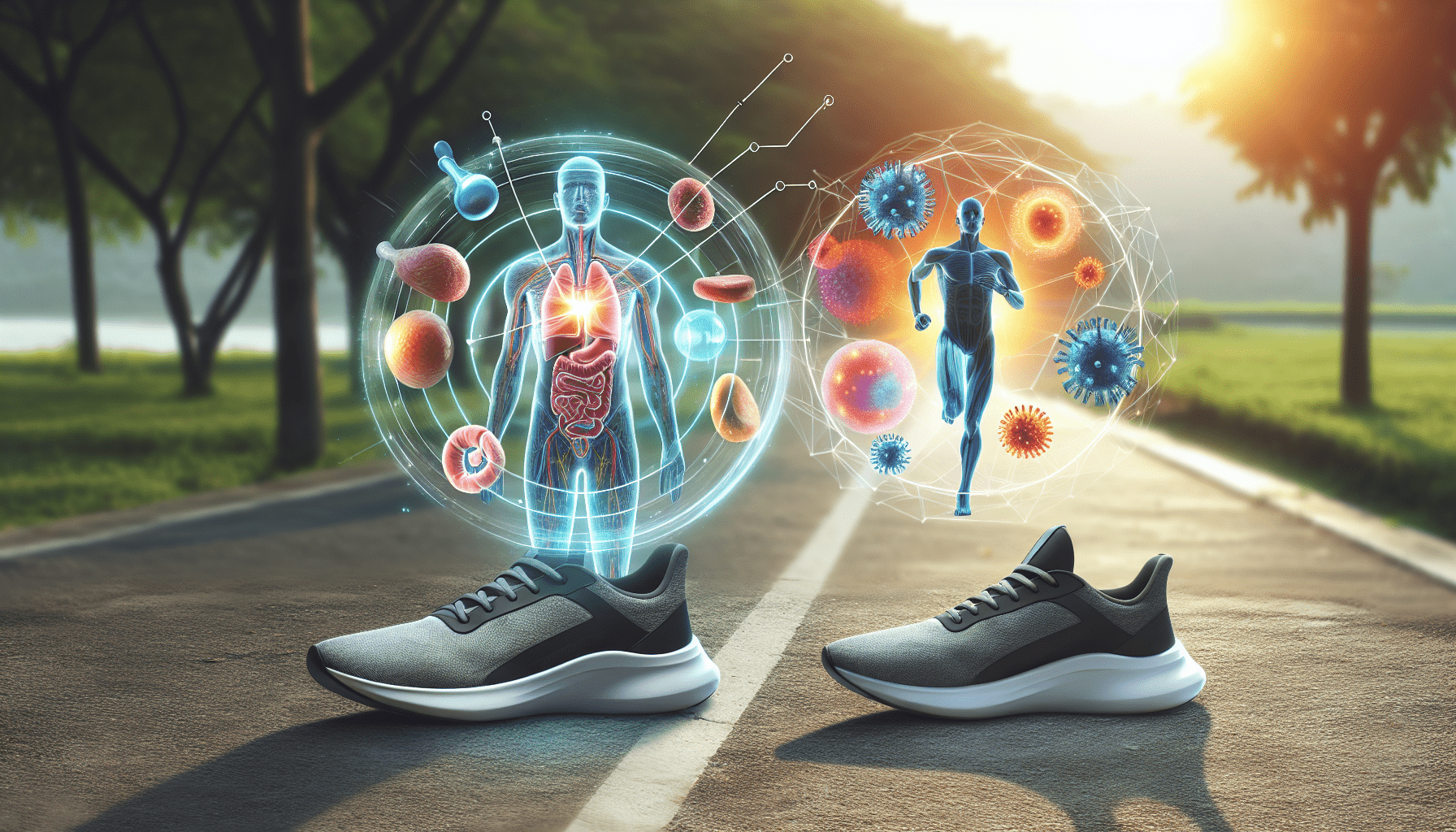
Did you know that regular exercise can have a profound impact on your immune health? It’s true! In this article, we will explore the fascinating connection between exercise and your body’s ability to fight off infections and illnesses. From boosting the production of important antibodies to reducing inflammation, exercise can help strengthen your immune system and keep you healthier in the long run. So lace up your sneakers and get ready to discover the amazing benefits that exercise can have on your overall well-being.
Benefits of exercise for immune health
Regular exercise provides numerous benefits for your immune health. Here are some of the key advantages:
Boosts immune system
Engaging in regular physical activity stimulates your immune system, making it more effective in fighting off harmful pathogens and reducing the risk of infections. Exercise increases the production of important antibodies and activates immune cells, such as natural killer cells and B cells, which play a crucial role in identifying and destroying viruses and bacteria.
Reduces the risk of chronic diseases
Regular exercise is associated with a decreased risk of chronic diseases, including obesity, type 2 diabetes, and cardiovascular disease. These conditions can negatively impact your immune system, making you more susceptible to infections. By staying active, you can maintain a healthier immune system and reduce the likelihood of developing these diseases.
Improves circulation and lymphatic system
Exercise improves blood circulation, allowing immune cells and antibodies to travel more efficiently throughout your body. This enhanced circulation ensures that immune cells can reach the sites of infection or inflammation more quickly, facilitating a faster response and a quicker recovery.
Additionally, exercise helps to improve the functioning of your lymphatic system. The lymphatic system is responsible for removing waste and toxins from your body, and exercise helps to move lymph fluid more effectively, thereby enhancing the immune response.
Enhances the function of immune cells
Exercise has been shown to enhance the function of immune cells, improving their ability to recognize and eliminate pathogens. For example, moderate-intensity exercise has been found to increase the activity of macrophages, which are responsible for engulfing and destroying bacteria, viruses, and other harmful substances in your body.
Effects of exercise intensity on immune health
The intensity of your exercise can have different effects on your immune system. Let’s take a closer look:
Moderate intensity exercise
Engaging in moderate-intensity exercises, such as brisk walking, light jogging, or cycling, can have a positive impact on your immune health. These types of exercises can help to boost the production of white blood cells, which are crucial for a robust immune response. Moderate-intensity exercise has also been found to reduce the levels of pro-inflammatory markers in your body, reducing the risk of chronic inflammation and related health issues.
High intensity exercise
While high-intensity exercises, such as HIIT (high-intensity interval training), can provide numerous benefits for cardiovascular fitness and weight management, they can also temporarily suppress your immune system. Intense training sessions can temporarily increase the levels of stress hormones, like cortisol, in your body, which can have a negative impact on immune function. However, these effects are typically transient, and regular training can still provide overall immune benefits.
Effects of excessive exercise
Excessive exercise, also known as overtraining, can have detrimental effects on your immune system. Overtraining can lead to chronic inflammation, elevated stress hormone levels, and a weakened immune response. It is important to listen to your body and give yourself adequate time for rest and recovery to avoid overtraining and maintain a healthy immune system.
Exercise duration and immune response
The duration of your exercise sessions can also influence your immune response. Here’s what you need to know:
Short-duration exercise
Short-duration exercises, such as a 20-30 minute workout, can have immediate positive effects on your immune system. When you engage in physical activity, your body releases an increased number of immune cells into your bloodstream, which heightens your immune response. This effect is observed even after a single short exercise session, providing you with some immediate immune-boosting benefits.
Long-duration exercise
On the other hand, engaging in long-duration exercises, such as marathon running or extended endurance training, may have a temporary suppressive effect on your immune system. Prolonged and intense exercise sessions can lead to an increase in stress hormone levels, which can temporarily dampen certain aspects of your immune response. However, it is worth noting that these suppressive effects are usually short-term, and regular exercise can still provide long-term immune benefits.
Effects of prolonged exercise
Engaging in prolonged exercise without proper rest and recovery can lead to immune suppression and an increased risk of infections. This is commonly seen in athletes who push their bodies to the extremes without allowing for adequate recovery time. It is crucial to strike a balance between challenging your body with exercise and giving yourself enough time to rest and repair to maintain a healthy immune system.
Types of exercise and immune health
Different types of exercise can have varying effects on your immune health. Let’s explore some popular forms of exercise and their impact on your immune system:
Aerobic exercise
Aerobic exercises, such as walking, running, swimming, or dancing, provide overall cardiovascular benefits and contribute to a healthier immune system. Aerobic exercise increases blood flow and oxygen delivery throughout your body, which enhances the functioning of your immune cells. It also helps to reduce inflammation and improve your body’s ability to combat infections.
Resistance training
Resistance training, including weightlifting and bodyweight exercises, can also support immune health. Resistance exercises help to build muscle strength and mass, and they have been shown to increase the production of certain immune cells involved in fighting infections. Regular resistance training is crucial for maintaining overall immune function, especially as we age.
Yoga and other mind-body exercises
Mind-body exercises, such as yoga, tai chi, and Pilates, offer a unique way to improve your immune health. These exercises combine physical movements with mindfulness and deep breathing techniques, which help to reduce stress and promote relaxation. Chronic stress can weaken the immune system, so incorporating these exercises into your routine can help to alleviate stress and support immune function.
Combining different types of exercise
Combining different types of exercise in your routine can provide comprehensive immune benefits. Engaging in a mix of aerobic exercises, resistance training, and mind-body exercises allows you to reap the unique advantages of each type of workout. This well-rounded approach ensures that you are strengthening your immune system from multiple angles and improving overall immune function.
Timing of exercise and immune response
The timing of your exercise sessions can also impact your immune response. Here’s what you need to know:
Acute effects of exercise on immune system
After a single exercise session, you may experience an immediate boost in your immune system’s activity. The production and circulation of immune cells increase, which enhances your body’s ability to detect and combat pathogens. These acute effects can have a positive impact on your immune health, helping you stay well and fend off infections.
Chronic effects of exercise on immune system
Regular exercise has long-term effects on your immune system. By consistently engaging in physical activity, you can strengthen your immune response and reduce the risk of chronic inflammation. Regular exercise enhances the circulation of immune cells, increases the production of antibodies, and improves the overall functionality of your immune system.
Best time to exercise for immune health
While the benefits of exercise on immune health are significant regardless of the time of day, some research suggests that exercising in the late afternoon or early evening may be more beneficial. During this time, your body temperature reaches its peak, which can enhance immune cell function. However, the most important factor is finding a time that works best for you and allows you to consistently engage in regular exercise.
Influence of diet on exercise and immune health
Your diet plays a crucial role in supporting your immune health, especially when combined with exercise. Here are some key considerations:
Key nutrients for immune function
A balanced diet that includes a variety of nutrients is essential for maintaining a healthy immune system. Some key nutrients include vitamin C, vitamin D, zinc, and omega-3 fatty acids. These nutrients play integral roles in supporting immune cell function, reducing inflammation, and protecting against infections. Including a wide range of fruits, vegetables, whole grains, lean proteins, and healthy fats in your diet can help ensure you have an adequate intake of these immune-boosting nutrients.
Importance of balanced diet
A balanced and varied diet provides the necessary nutrients to support your overall health and immune function. Avoiding excessive intake of processed foods, added sugars, and unhealthy fats is important to prevent inflammation and maintain optimal immune health. A balanced diet should be the foundation of your immune-boosting efforts, complementing the benefits of regular exercise.
Hydration and immune health
Staying hydrated is essential for supporting your immune system. Water is necessary for the proper function of all body systems, and dehydration can compromise immune cell activity. Aim to drink an adequate amount of water throughout the day, especially before, during, and after exercise to ensure proper hydration.
Exercise and specific immune markers
Exercise can have a significant impact on various markers of immune health. Let’s explore some specific effects:
Effect on white blood cell count
Regular exercise has been shown to increase the number of white blood cells in your body, including important immune cells like neutrophils, lymphocytes, and monocytes. These white blood cells are essential for immune surveillance and immune response. By increasing the population of these immune cells, exercise enhances your body’s ability to defend against infections.
Impact on inflammatory markers
Chronic inflammation is associated with a range of diseases, including cardiovascular disease, diabetes, and certain types of cancer. Regular exercise has been found to lower the levels of pro-inflammatory markers in your body, reducing the risk of chronic inflammation. By reducing inflammation, exercise promotes a healthier immune system and reduces the likelihood of developing chronic diseases.
Changes in immune cell function
Exercise not only increases the number of immune cells in your body but also enhances their functionality. Regular physical activity improves the ability of immune cells to recognize and attack pathogens, making your immune response more efficient. This improved immune cell function enhances your overall immune health and reduces the risk of infections.
Exercise and susceptibility to infections
Engaging in regular exercise can have a significant impact on your susceptibility to infections. Here are a few key ways exercise supports your immune system:
Reduced risk of upper respiratory tract infections
Regular exercise has been associated with a lower risk of upper respiratory tract infections, such as the common cold. Exercise improves blood circulation, enhances immune cell function, and reduces inflammation, all of which contribute to a stronger immune response against respiratory pathogens.
Lower incidence of chronic illnesses
Leading a sedentary lifestyle increases the risk of chronic illnesses, which can weaken your immune system. Regular exercise helps to prevent and manage chronic diseases, such as obesity, diabetes, and cardiovascular disease. By reducing the likelihood of these conditions, exercise supports immune health and lowers the risk of infections.
Effect on immune response to vaccines
Exercise can also enhance the immune response to vaccines. Vaccines work by stimulating your immune system to produce a protective immune response against specific pathogens. Regular exercise has been shown to improve the effectiveness of vaccines and enhance your body’s ability to generate a robust immune response to immunizations, offering you better protection against infectious diseases.
Exercise guidelines for immune health
To reap the full immune-boosting benefits of exercise, it is important to follow some guidelines. Here are some recommendations:
Recommendations for adults
The Centers for Disease Control and Prevention (CDC) recommends that adults engage in at least 150 minutes of moderate-intensity aerobic exercise or 75 minutes of vigorous-intensity aerobic exercise per week. Additionally, adults should incorporate strength training exercises at least two days per week. By following these guidelines, you can support your immune health and overall well-being.
Exercise considerations for the elderly
Older adults can also benefit from regular exercise to support their immune health. It is important to consult with a healthcare professional before starting any exercise program, especially if you have any pre-existing medical conditions. Including a mix of aerobic exercises, resistance training, and balance exercises can help older adults maintain strong immune function and overall health.
Exercise during illness
While regular exercise is generally beneficial for immune health, it is important to avoid intense exercise or physical activity when you are ill. Your body needs rest and recovery to fight off infections. Listen to your body’s signals and give yourself time to heal before resuming your exercise routine. Once you are feeling better, gradually ease back into your workouts to avoid overexertion.
Conclusion
Exercise is a powerful tool for improving and maintaining your immune health. Regular physical activity can boost your immune system, reduce the risk of chronic diseases, and enhance the function of immune cells. The intensity, duration, and type of exercise, as well as timing and a balanced diet, all play important roles in supporting your immune system. By incorporating exercise into your daily routine and making mindful choices about your diet, you can strengthen your immune response and enjoy the numerous benefits of a healthier immune system. Remember to find a balance, listen to your body, and maintain a holistic approach to your overall well-being. Stay active and prioritize your immune health – your body will thank you for it!