
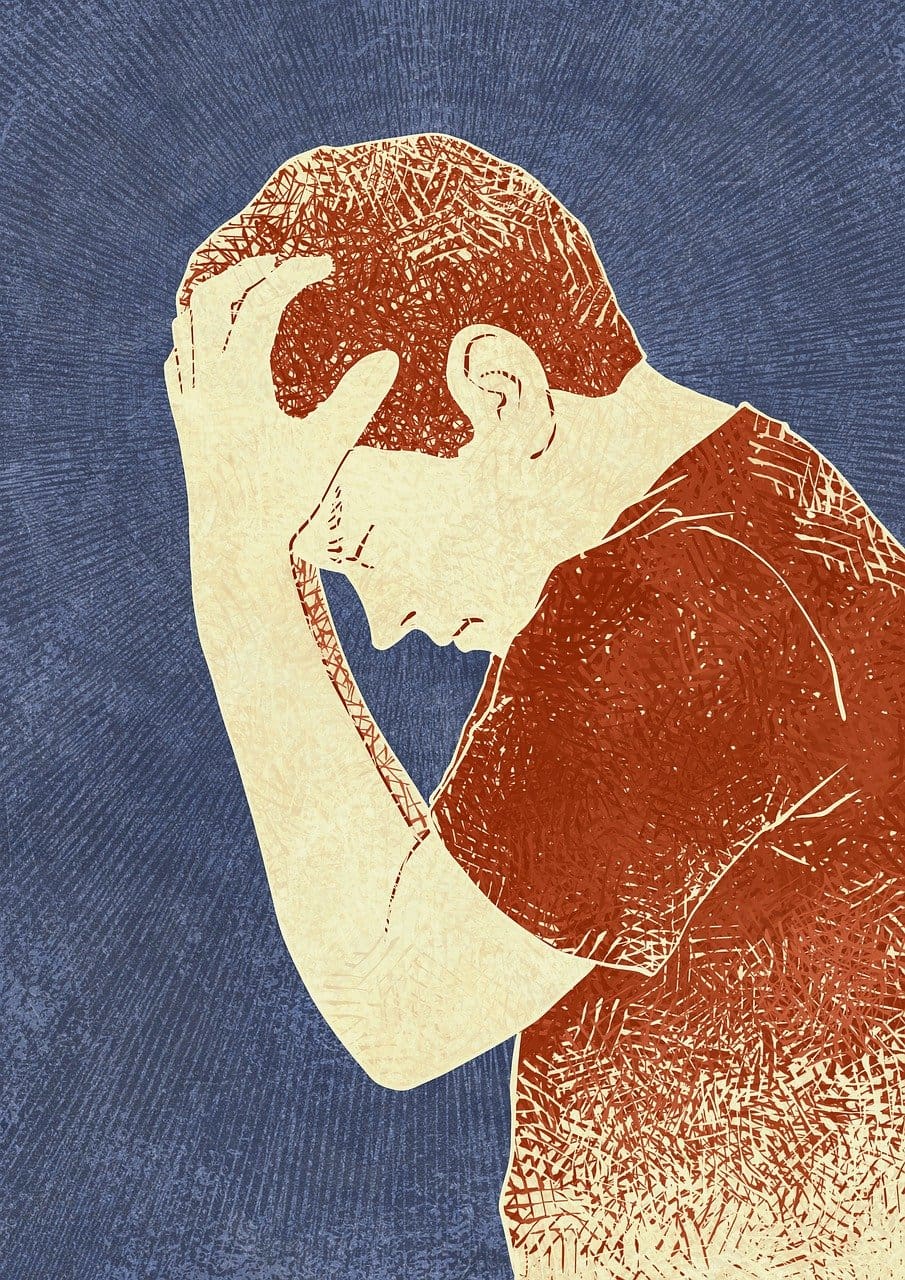
Welcome to an insightful discussion on understanding the emotional impact of living with chronic illness. In this article, we will explore how coping with a long-term health condition can affect your mental well-being and emotional state. From feelings of isolation and frustration to moments of resilience and gratitude, we will delve into the complex emotions that come with managing a chronic illness. By gaining a better understanding of the emotional challenges you may face, you can take steps towards improving your overall quality of life and finding support in your journey towards wellness.
Understanding The Emotional Impact Of Living With Chronic Illness
Living with a chronic illness can take a toll on not only your physical health but also your emotional well-being. It’s important to acknowledge and address the emotional impact that comes with managing a long-term health condition. In this article, we will explore the various ways in which chronic illness can affect you emotionally and provide some tips on how to cope with these challenges effectively.
How Chronic Illness Can Affect Your Emotional Health
Living with a chronic illness can bring about a range of emotions, from frustration and anger to sadness and anxiety. The uncertainty of your health condition, the constant need to manage symptoms, and the impact it may have on your daily life can all contribute to a rollercoaster of emotions. It’s perfectly normal to feel overwhelmed at times, but it’s important to recognize these feelings and address them in a healthy way.
Coping Strategies for Emotional Well-being
It’s essential to develop coping strategies to help you navigate the emotional challenges that come with living with a chronic illness. Here are some tips to support your emotional well-being:
Build a Support System
Having a strong support system can make a world of difference when dealing with the emotional toll of chronic illness. Surround yourself with understanding friends and family members who can provide emotional support, lend a listening ear, and offer practical help when needed. Joining a support group for individuals with similar health conditions can also be beneficial, as it can provide a sense of community and understanding.
Practice Self-Care
Self-care is crucial when managing a chronic illness, both physically and emotionally. Make time for activities that bring you joy and relaxation, whether it’s reading a book, taking a walk in nature, or practicing mindfulness and meditation. Prioritize your mental health by setting boundaries, saying no when needed, and seeking professional help if you’re struggling to cope.
Stay Connected
Isolation can exacerbate feelings of loneliness and depression. Stay connected with loved ones, even if it’s through virtual means, to maintain a sense of social support and connection. Engage in activities that bring you joy and fulfillment, and try to find moments of positivity and gratitude in your daily life.

Dealing with Grief and Loss
Living with a chronic illness often involves dealing with a sense of grief and loss for the life you once had or the future you envisioned. It’s normal to mourn the changes that come with your health condition, whether it’s the loss of independence, career aspirations, or relationships. Acknowledge your feelings of grief and allow yourself time to process and heal.
Practice Acceptance
Accepting your chronic illness and the limitations it may bring is an essential step towards healing emotionally. While it’s natural to feel a range of emotions, including anger and frustration, practicing acceptance can help you move towards a place of peace and resilience. Focus on what you can control, such as your attitude and coping strategies, rather than dwelling on what you can’t change.
Seek Counseling or Therapy
Professional counseling or therapy can be a valuable resource for managing the emotional impact of living with a chronic illness. A therapist can help you navigate your feelings, develop coping skills, and provide a safe space to express your emotions. If you’re struggling to cope with the emotional challenges of your health condition, don’t hesitate to seek help from a mental health professional.
Maintaining a Positive Mindset
Maintaining a positive mindset can be challenging when living with a chronic illness, but it’s essential for your emotional well-being. Here are some tips to help you cultivate a positive outlook:
Practice Gratitude
Finding moments of gratitude in your daily life can shift your perspective and help you focus on the positives, no matter how small they may seem. Keeping a gratitude journal, where you jot down things you’re thankful for each day, can help cultivate a sense of appreciation and optimism.
Focus on What You Can Control
Living with a chronic illness often comes with a sense of powerlessness, but focusing on what you can control can empower you and improve your emotional resilience. Make small, achievable goals that align with your values and priorities, and celebrate your victories, no matter how minor they may seem.
Engage in Mindfulness
Practicing mindfulness can help you stay present in the moment, reduce stress, and cultivate a sense of peace and calm. Mindfulness techniques, such as deep breathing, meditation, or yoga, can help you manage your emotions and cope with the challenges of living with a chronic illness.
Conclusion
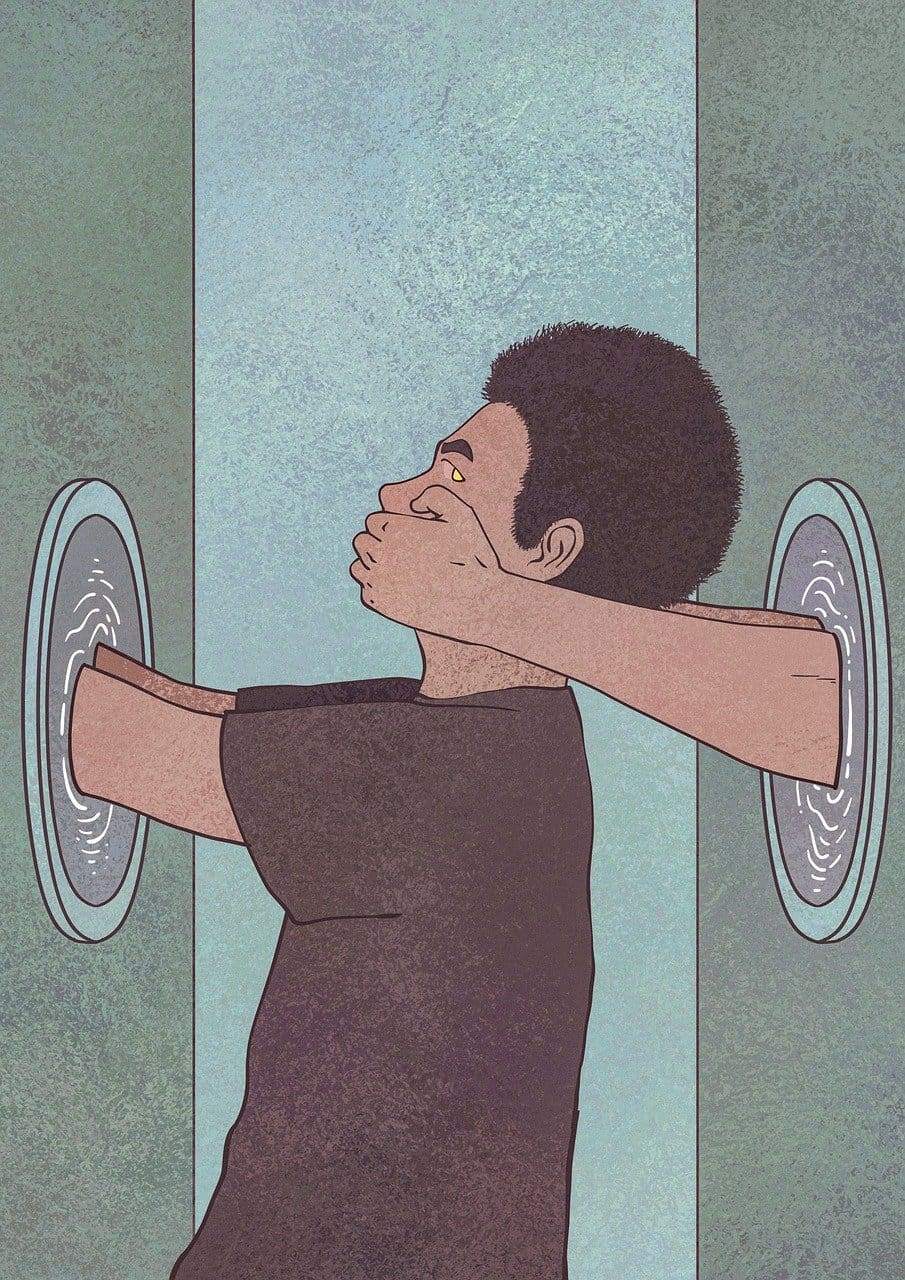
Living with a chronic illness can be emotionally challenging, but it’s essential to acknowledge your feelings, develop coping strategies, and seek support when needed. By prioritizing your emotional well-being, practicing self-care, and maintaining a positive mindset, you can navigate the emotional impact of your health condition with resilience and strength. Remember that you’re not alone in this journey, and there are resources and tools available to support you along the way. Stay connected, be kind to yourself, and know that your emotional well-being matters just as much as your physical health.