
In this article, we will explore the profound influence that body positivity and self-acceptance have on our mental well-being. As we dive into the topic, you will discover how embracing a positive body image and accepting ourselves unconditionally can significantly enhance our overall mental health. Through a deeper understanding of these concepts, you will gain valuable insights into the transformative power of self-love and its impact on our emotional well-being. So, get ready to embark on a journey of self-discovery and learn how cultivating a loving relationship with your body can bring about positive changes in your mental wellness.
Definition of Body Positivity
Body positivity is a movement and mindset that promotes the acceptance and appreciation of all body types. It challenges societal beauty standards and encourages individuals to celebrate their bodies as they are. It emphasizes that every body is unique and deserving of love and respect, regardless of its size, shape, or appearance.
Understanding Self-acceptance
Self-acceptance is the process of accepting and embracing oneself as they are, both physically and mentally. It involves recognizing and celebrating one’s strengths and imperfections. Self-acceptance is about cultivating a positive self-image and developing a sense of love and appreciation for oneself.

Relationship Between Body Positivity and Self-acceptance
Body positivity serves as a catalyst for self-acceptance. By embracing the principles of body positivity, individuals can challenge and overcome internalized beliefs and societal pressures surrounding body image. Body positivity encourages individuals to recognize the negative impact of body shaming and build resilience against external criticism. It fosters an environment of self-acceptance and self-love, promoting mental well-being and a positive body image.
Body Positivity and Mental Wellness
Practicing body positivity has numerous positive effects on mental wellness. It improves self-esteem and self-worth by shifting the focus from external appearance to inner qualities and accomplishments. Body positivity reduces the risk of developing eating disorders by promoting a healthy relationship with food and a positive self-image. It enhances overall body image satisfaction by encouraging individuals to believe in their own beauty. Body positivity also mitigates the prevalence of anxiety and depression by promoting self-acceptance and reducing the pressure to conform to unrealistic beauty standards.
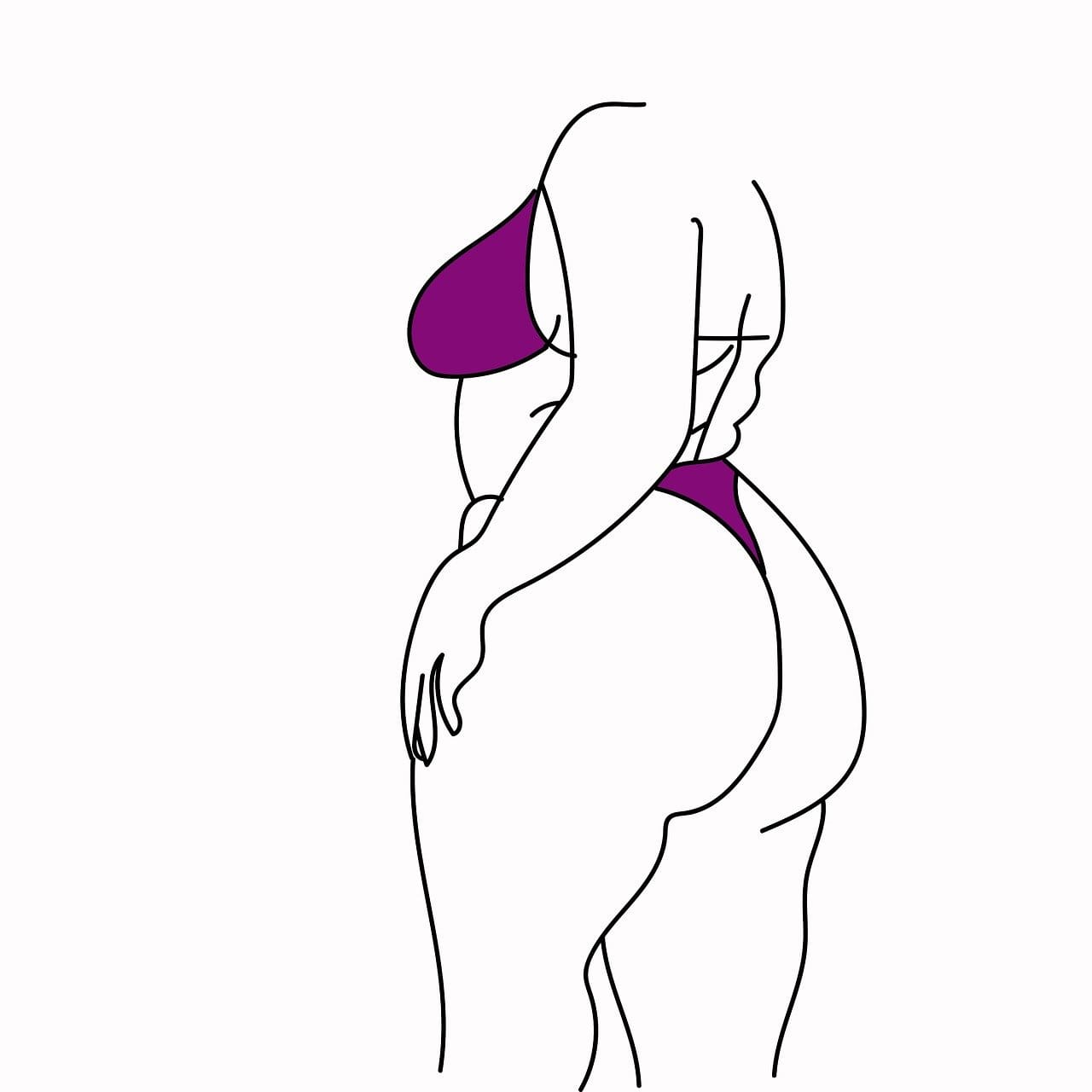
Promoting Positive Self-talk and Mindset
Promoting positive self-talk and mindset is a crucial aspect of body positivity. It involves fostering self-compassion and kindness towards oneself. By replacing negative self-talk with positive affirmations, individuals can cultivate a compassionate and supportive internal dialogue. This shift in mindset helps build self-confidence and enhances the overall sense of self-acceptance. Cultivating a growth mindset is also essential in body positivity, as it encourages individuals to embrace challenges and see them as opportunities for personal growth and self-improvement.
Empowering Through Media Representation
Media representation plays a significant role in body positivity. By diversifying beauty standards in the media, a more inclusive and accurate representation of diverse body types can be achieved. This fosters a sense of belonging and representation for individuals who have historically been marginalized or underrepresented. By highlighting body diversity and inclusivity, the media can empower individuals to embrace their unique bodies and challenge societal beauty norms. Additionally, positive media representation can be a valuable tool in promoting self-acceptance and body positivity.

Challenges in Achieving Body Positivity and Self-acceptance
Despite the growing body positivity movement, there are still challenges to overcome in achieving widespread acceptance and self-acceptance. The persistent influence of societal beauty ideals can make it difficult for individuals to fully embrace their bodies. Media continues to propagate unrealistic body standards, leading to comparison and feelings of inadequacy. Internalized beliefs and self-imposed judgments can further hinder the journey towards body positivity and self-acceptance. Overcoming these challenges requires ongoing education, awareness, and support.
Intersectionality: Considering Body Positivity for All
It is crucial to recognize and address the unique challenges faced by marginalized communities when discussing body positivity. Intersectionality acknowledges that different individuals face different forms of discrimination and bias based on race, gender, and sexuality. These aspects can significantly impact body image and self-acceptance. Promoting inclusivity and representation of diverse body types and experiences is essential in creating a body-positive movement that is truly for everyone.
Body Positivity and Relationships
Body positivity has a positive impact on relationships, both with oneself and others. Developing a sense of self-acceptance and a positive body image improves communication and self-expression. When individuals feel confident and secure in their bodies, they can better express their needs, desires, and boundaries in relationships. Body positivity also reduces comparison and competitiveness, fostering healthier and more supportive relationships with both oneself and others.
Utilizing Therapy and Supportive Resources
For individuals struggling with body image concerns, seeking professional help and accessing supportive resources can be instrumental in their journey towards body positivity and self-acceptance. Therapy can provide guidance, support, and coping strategies for negative thoughts and emotions related to body image. Support groups and online communities also offer a space for individuals to connect with others who share similar experiences and challenges. These resources can provide a safe and supportive environment for individuals to express their feelings and gain valuable insights and support.
In conclusion, body positivity and self-acceptance have a profound impact on mental wellness. By promoting acceptance and appreciation of all body types and challenging societal beauty standards, individuals can cultivate a positive self-image and develop resilience against external criticism. Body positivity improves self-esteem, reduces the risk of eating disorders, enhances body image satisfaction, and mitigates anxiety and depression. Promoting positive self-talk, empowering media representation, and addressing intersectionality are vital steps towards achieving body positivity for all. Building healthier relationships and utilizing therapy and supportive resources further contribute to individuals’ journey towards self-acceptance and body positivity.