Welcome to an insightful article on understanding the legislative process for healthcare policy. Throughout this piece, you will learn about the various steps involved in passing healthcare legislation, from the initial proposal to the final approval. By understanding this process, you will gain a better grasp of how healthcare policies are shaped and implemented, ultimately leading to a more informed and engaged approach to advocating for the healthcare issues that matter most to you. Let’s dive in and explore the intricate world of healthcare policy making together. Have you ever wondered how laws and policies related to healthcare are created and implemented? In this article, we will walk you through the legislative process for healthcare policy, breaking down each step to help you better understand how decisions are made that impact the healthcare system. By the end of this article, you will have a clearer picture of how healthcare policies are developed, debated, and eventually put into action.
The Basics of Healthcare Policy Legislation
Healthcare policy is a crucial aspect of shaping the country’s healthcare system, determining how healthcare services are delivered, financed, and regulated. The legislative process for healthcare policy involves a series of steps that transform ideas into laws that influence the healthcare landscape. Whether you are a healthcare professional, policymaker, or simply a concerned citizen, understanding this process is essential for engaging in discussions about healthcare policy and advocating for change.
What Is Healthcare Policy Legislation?
Healthcare policy legislation encompasses laws and regulations that govern the healthcare industry, including aspects such as insurance coverage, provider reimbursement, quality standards, and access to care. These laws are created at the federal, state, and local levels by elected officials who represent the interests of their constituents. Healthcare policy legislation aims to address issues such as cost containment, quality improvement, patient safety, and population health.
The Legislative Process in the United States
In the United States, the legislative process for healthcare policy follows a specific path outlined in the Constitution. The federal government is divided into three branches – the executive, legislative, and judicial branches – each with distinct roles. The legislative branch, which consists of the House of Representatives and the Senate, is responsible for making laws, including those related to healthcare policy.
The Federal Legislative Process
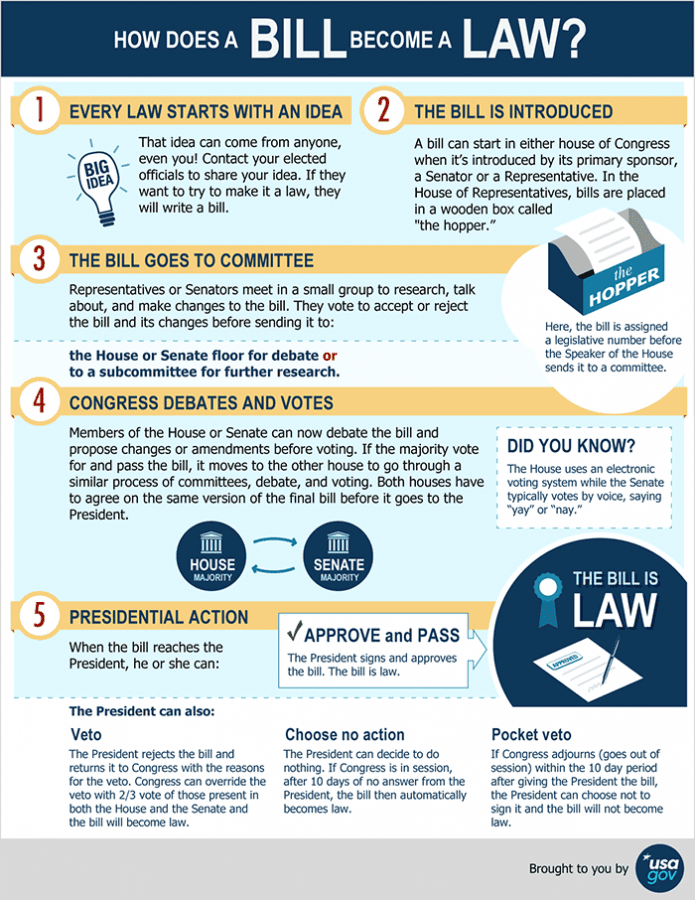
The federal legislative process begins with the introduction of a bill, a proposal for a new law or amendment to an existing law. Bills can originate in either the House of Representatives or the Senate and must pass both chambers before being sent to the President for approval. The process of creating and passing a bill involves several key steps, including committee review, debate, amendments, and final passage.
The Role of Committees in the Legislative Process
Committees play a crucial role in the legislative process by reviewing bills and conducting hearings to gather information, hear testimony from experts and stakeholders, and make recommendations to the full chamber. In the context of healthcare policy, committees such as the House Energy and Commerce Committee and the Senate Health, Education, Labor, and Pensions Committee are instrumental in shaping legislation related to healthcare.
Debate and Amendment Process
Once a bill has been reviewed by the appropriate committees, it is brought to the floor of the House or Senate for debate. During this debate, members have the opportunity to present their arguments for or against the bill, propose amendments, and engage in discussions to refine the legislation. The amendment process allows lawmakers to modify the bill to address concerns, improve its effectiveness, or make changes based on new information.
Final Passage and Presidential Approval
After the bill has been debated, amended, and voted on by both chambers of Congress, it is sent to the President for approval. The President has the power to sign the bill into law, veto it, or allow it to become law without his or her signature. If the President vetoes the bill, Congress can override the veto with a two-thirds majority vote in both chambers. Once signed into law, the bill becomes part of the United States Code and is enforceable as federal law.

Stakeholders in the Legislative Process
Numerous stakeholders are involved in the legislative process for healthcare policy, each with a unique role to play in shaping the outcome of proposed legislation. Understanding the perspectives and interests of these stakeholders can help you navigate the complexities of healthcare policy and advocate for changes that align with your priorities.
Policymakers
Policymakers, including members of Congress and state legislators, are elected officials who have the authority to propose, debate, and vote on healthcare policy legislation. These policymakers represent the interests of their constituents and work to address healthcare challenges through the creation of laws and regulations. By engaging with policymakers and providing input on healthcare policy proposals, you can help shape the decisions that impact the healthcare system.
Healthcare Providers
Healthcare providers, including physicians, nurses, and other healthcare professionals, play a critical role in the delivery of healthcare services and have firsthand experience with the challenges and opportunities in the healthcare system. Healthcare providers can advocate for policies that support high-quality, patient-centered care, address workforce shortages, and promote evidence-based practices. By sharing their expertise and insights with policymakers, healthcare providers can influence the development of healthcare policy that reflects the needs of patients and providers.
Patients and Advocacy Groups
Patients and advocacy groups represent the voices of individuals who rely on the healthcare system for their care and well-being. These stakeholders advocate for policies that protect patient rights, improve access to care, and address social determinants of health. Patients and advocacy groups can participate in public hearings, submit testimony, and engage in grassroots advocacy efforts to raise awareness of healthcare issues and mobilize support for policy changes. By amplifying the voices of patients and advocacy groups, you can ensure that the needs of vulnerable populations are considered in the development of healthcare policy.
Industry Stakeholders
Industry stakeholders, including health insurance companies, pharmaceutical companies, and medical device manufacturers, have a significant influence on healthcare policy due to their economic interests and market power. These stakeholders may lobby policymakers, contribute to political campaigns, and engage in advocacy efforts to shape legislation that affects their business operations and profitability. Industry stakeholders can have a substantial impact on the outcome of healthcare policy decisions, highlighting the importance of transparency and accountability in the legislative process.
Examples of Healthcare Policy Legislation
Healthcare policy legislation covers a wide range of topics that impact the delivery, financing, and regulation of healthcare services. From Medicare and Medicaid to the Affordable Care Act and public health initiatives, healthcare policy legislation shapes the way healthcare is provided and accessed in the United States. Here are some examples of landmark healthcare policy legislation that have had a significant impact on the healthcare system.
Medicare and Medicaid
Medicare and Medicaid are federal healthcare programs that provide coverage for eligible individuals, including seniors, low-income individuals, and individuals with disabilities. Medicare is an insurance program for individuals aged 65 and older, while Medicaid is a means-tested program for low-income individuals and families. These programs were created by the Social Security Amendments of 1965 and have since become cornerstone programs in the nation’s healthcare system, providing health insurance coverage to millions of Americans.
Affordable Care Act (ACA)
The Affordable Care Act, also known as Obamacare, was signed into law in 2010 with the goal of expanding access to healthcare coverage, improving quality of care, and controlling healthcare costs. The ACA introduced several key provisions, including the establishment of health insurance marketplaces, expansion of Medicaid eligibility, and protections for individuals with pre-existing conditions. While the ACA has faced political and legal challenges, it represents a significant effort to reform the healthcare system and address disparities in access to care.
Public Health Initiatives
Public health initiatives are programs and policies that promote population health, prevent disease, and improve the well-being of communities. Examples of public health initiatives include vaccination programs, tobacco control policies, and initiatives to reduce obesity and chronic disease. These initiatives are designed to address public health challenges and improve the overall health of the population through evidence-based interventions and policies.

Advocating for Healthcare Policy Change
Advocating for healthcare policy change requires engaging with policymakers, raising awareness of healthcare issues, and mobilizing support for legislative initiatives. Whether you are a healthcare professional, patient, or concerned citizen, there are several ways you can get involved in the legislative process and influence the development of healthcare policy that reflects your priorities.
Contacting Your Elected Officials
One of the most effective ways to advocate for healthcare policy change is to contact your elected officials and share your perspective on healthcare issues. You can write letters, make phone calls, or schedule meetings with your representatives to discuss your concerns, propose solutions, and urge them to support or oppose specific legislation. By engaging with policymakers directly, you can raise awareness of healthcare issues and make your voice heard in the legislative process.
Joining Advocacy Groups
Advocacy groups are organizations that work to promote specific policy goals, mobilize supporters, and advocate for legislative change. By joining advocacy groups focused on healthcare policy, you can amplify your voice, connect with like-minded individuals, and participate in advocacy campaigns that influence the development of healthcare policy. These groups often provide resources, training, and opportunities to engage with policymakers and make a difference in the healthcare system.
Educating Yourself and Others
Education is a powerful tool for advocating for healthcare policy change, as it equips you with knowledge, evidence, and arguments to support your position on healthcare issues. By staying informed about current events, research findings, and policy proposals related to healthcare, you can engage in informed discussions, challenge misinformation, and advocate for evidence-based policy solutions. Educating others about healthcare policy can also help raise awareness of key issues and mobilize support for positive change.
Conclusion
Understanding the legislative process for healthcare policy is essential for navigating the complexities of the healthcare system, advocating for change, and influencing policy decisions that impact the delivery and access to care. By familiarizing yourself with the steps involved in creating and passing healthcare legislation, as well as engaging with stakeholders, advocating for change, and staying informed about key issues, you can play a vital role in shaping the future of healthcare policy in the United States. Whether you are a healthcare professional, patient, policymaker, or concerned citizen, your involvement in the legislative process can make a difference and contribute to a healthcare system that meets the needs of all individuals.