Welcome to the world of Ayurveda, where the ancient practice of medicine meets modern holistic healing. In this article, you will gain insight into the important role that Ayurvedic practitioners play in promoting health and wellness. From personalized treatment plans to lifestyle recommendations, these experts use a combination of herbal remedies, diet modifications, and mindfulness practices to help you achieve balance and harmony in both your body and mind. Learn more about how Ayurvedic practitioners can support your journey to optimal health. Hey there! Have you ever wondered about the role of Ayurvedic practitioners in promoting health and wellness? If so, you’ve come to the right place! In this article, we will delve into the world of Ayurveda and discuss the vital role that Ayurvedic practitioners play in helping individuals maintain a balanced and healthy lifestyle. So sit back, relax, and let’s explore the fascinating world of Ayurvedic medicine together.
What is Ayurveda?
Ayurveda is an ancient holistic healing system that originated in India over 5,000 years ago. The word “Ayurveda” is a combination of two Sanskrit words – “Ayur,” which means life, and “Veda,” which means knowledge. Ayurveda focuses on promoting overall wellness by balancing the mind, body, and spirit. This natural healing system emphasizes the importance of maintaining a harmonious relationship between the individual and the environment.
Ayurvedic Principles
In Ayurveda, health is defined as a state of balance between the three doshas – Vata, Pitta, and Kapha. These doshas are unique combinations of the five elements – air, fire, water, earth, and space – and govern various functions within the body. When the doshas are in balance, an individual experiences optimal health and well-being. However, imbalances in the doshas can lead to illness and disease.
The Role of Ayurvedic Practitioners
Ayurvedic practitioners, also known as Ayurvedic doctors or Vaidyas, play a crucial role in helping individuals achieve and maintain balance in their doshas. These trained professionals are well-versed in the principles of Ayurveda and use a holistic approach to assess and address the root causes of health issues. Ayurvedic practitioners focus on identifying imbalances in the doshas and work with patients to develop personalized treatment plans that promote healing and vitality.
What Does an Ayurvedic Practitioner Do?
When you visit an Ayurvedic practitioner, they will conduct a comprehensive evaluation of your health by assessing your unique constitution, also known as Prakriti. This involves analyzing your physical, mental, and emotional characteristics to determine your dominant dosha or doshic combination. Based on this assessment, the Ayurvedic practitioner will recommend lifestyle modifications, dietary changes, herbal remedies, and therapeutic practices to restore balance and promote wellness.
Treatment Modalities Used by Ayurvedic Practitioners
Ayurvedic practitioners utilize a wide range of treatment modalities to address the underlying imbalances in the doshas. These may include:
- Diet and Nutrition: Ayurvedic practitioners emphasize the importance of eating foods that are in harmony with your dosha to maintain balance and support overall health.
- Herbal Medicine: Ayurvedic practitioners prescribe specific herbal formulations to address imbalances and promote healing.
- Yoga and Meditation: Ayurveda places a strong emphasis on the mind-body connection, and Ayurvedic practitioners often recommend yoga and meditation practices to reduce stress and promote relaxation.
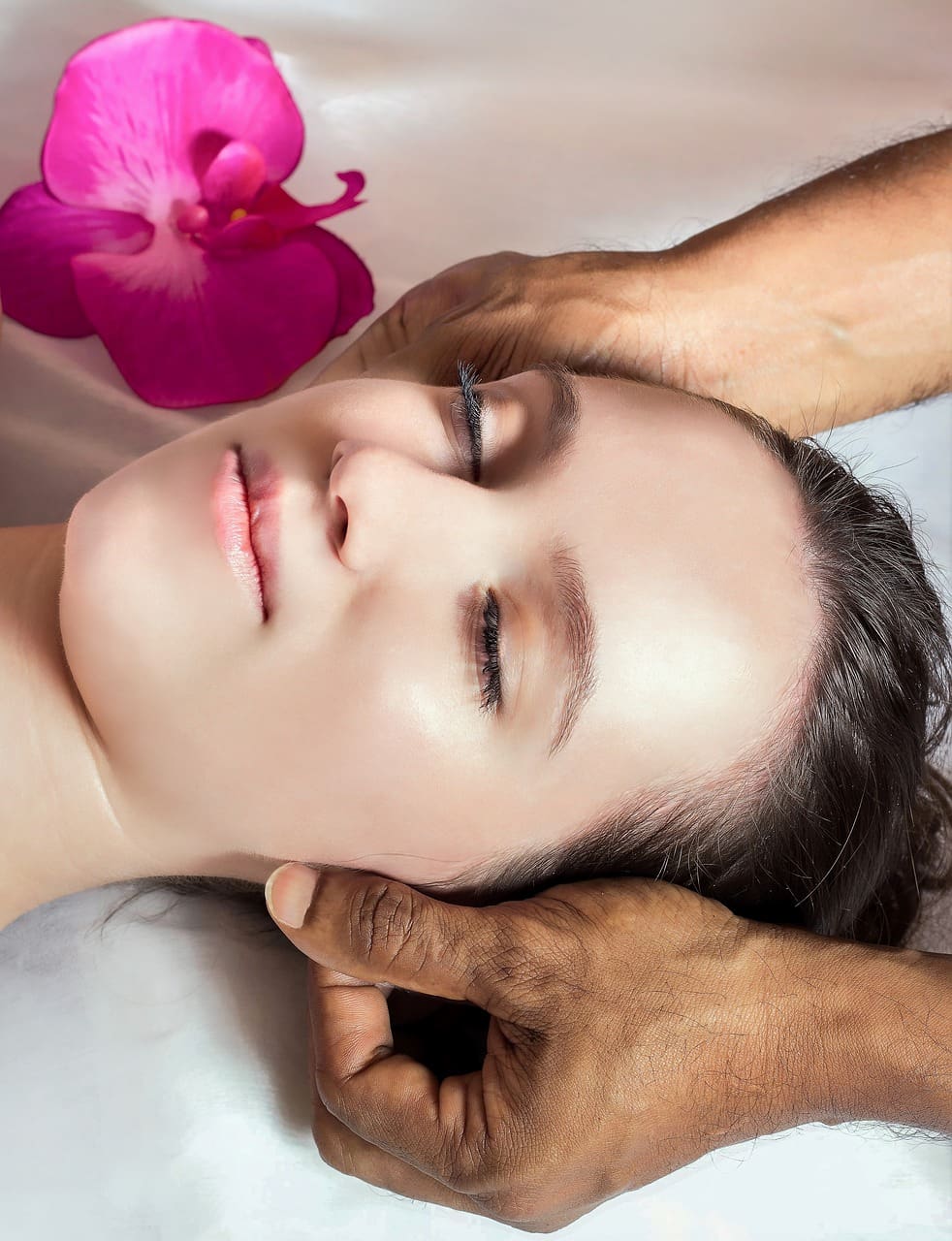
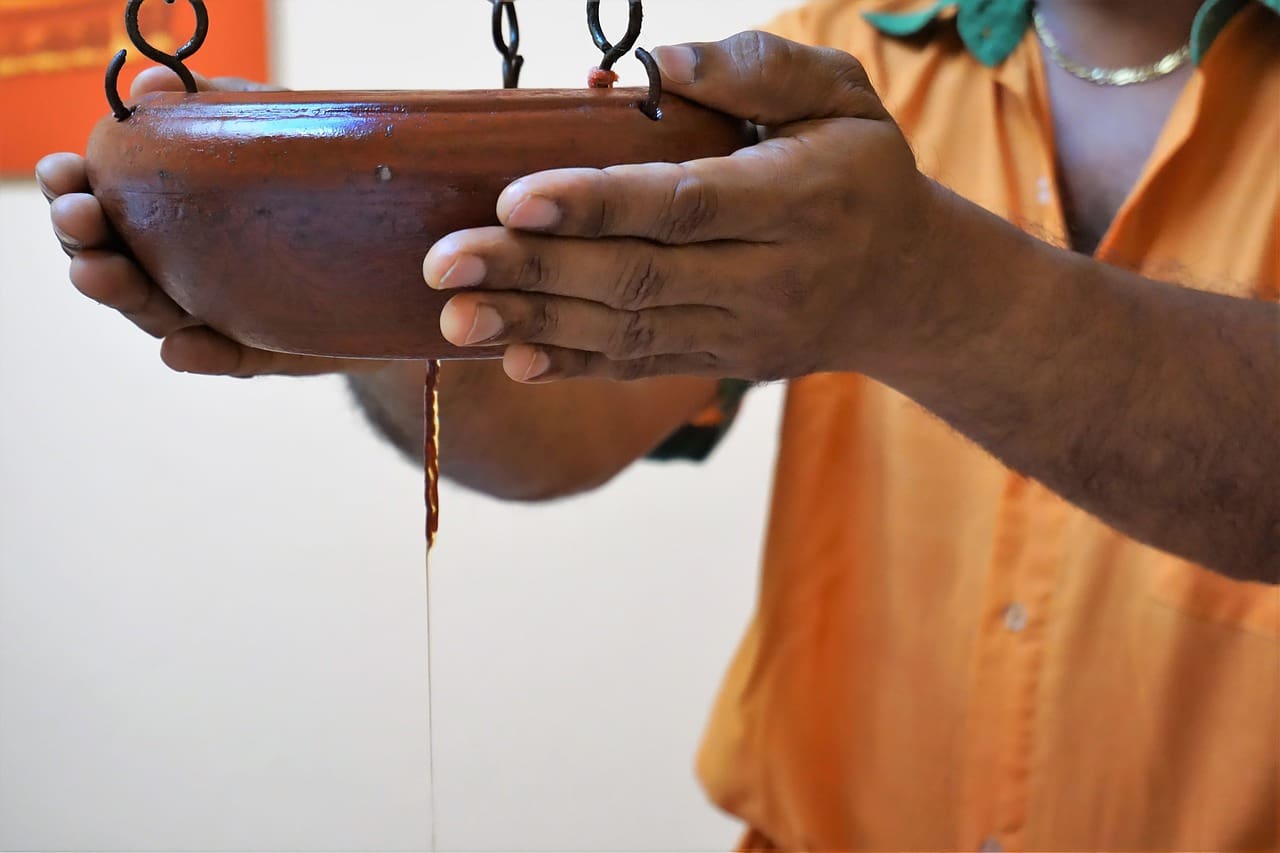
- Detoxification Therapies: Ayurvedic practitioners may recommend Panchakarma, a detoxification therapy that involves various cleansing procedures to eliminate toxins from the body.
How to Choose an Ayurvedic Practitioner
Choosing the right Ayurvedic practitioner is essential to ensure that you receive safe and effective treatment. Here are some tips to help you find a qualified Ayurvedic practitioner:
Qualifications and Training
When selecting an Ayurvedic practitioner, it is crucial to inquire about their qualifications and training. Look for practitioners who have completed a formal education in Ayurveda from a reputable institution and are licensed or certified to practice.
Experience and Specialization
Consider the practitioner’s experience and areas of specialization. Some Ayurvedic practitioners may focus on specific health conditions or treatment modalities, so it is essential to find a practitioner whose expertise aligns with your needs.
Personal Connection
It is essential to establish a strong rapport with your Ayurvedic practitioner, as this will enable open communication and collaboration throughout your healing journey. Choose a practitioner who listens attentively to your concerns, respects your individuality, and involves you in the decision-making process.
Integrating Ayurveda into Your Wellness Routine
Incorporating Ayurvedic principles into your daily routine can have profound benefits for your health and well-being. Here are some simple ways to integrate Ayurveda into your lifestyle:
Follow a Balanced Diet
Pay attention to your dietary choices and opt for fresh, whole foods that are in line with your dosha. Incorporate a variety of fruits, vegetables, whole grains, and legumes into your meals to support optimal digestion and nourishment.
Practice Mindfulness and Self-Care
Prioritize self-care practices such as meditation, yoga, breathwork, and mindful relaxation to reduce stress, enhance mental clarity, and cultivate emotional balance. These practices can help you connect with your inner self and promote overall wellness.
Establish a Daily Routine
Create a daily routine that aligns with your natural biorhythms and doshic constitution. Wake up and go to bed at consistent times, eat meals at regular intervals, and include time for relaxation, exercise, and self-care activities throughout the day.
The Future of Ayurveda
As interest in holistic healing approaches continues to grow, Ayurveda is gaining popularity worldwide as a natural alternative to conventional medicine. Ayurvedic practitioners are at the forefront of this movement, providing individuals with personalized care that addresses the root causes of illness and promotes long-term wellness.
Advancements in Ayurvedic Research
Recent advancements in Ayurvedic research have shed new light on the efficacy and safety of Ayurvedic practices and treatments. Clinical studies are being conducted to evaluate the therapeutic benefits of Ayurvedic interventions for various health conditions, further validating the effectiveness of this ancient healing system.
Integration of Ayurveda with Conventional Medicine
The integration of Ayurveda with conventional medicine is becoming increasingly recognized as a complementary approach to healthcare. Collaborative efforts between Ayurvedic practitioners and allopathic physicians are emerging to provide patients with comprehensive care that addresses both the physical and energetic aspects of health.
Global Recognition and Regulation
Ayurveda is gaining global recognition as a distinct system of medicine, and efforts are being made to standardize and regulate Ayurvedic practices across the world. Regulatory bodies are working to establish guidelines for the education, training, and practice of Ayurvedic medicine to ensure quality and safety for patients.
Conclusion
Ayurvedic practitioners play a vital role in promoting health and wellness by addressing the root causes of imbalance in the mind, body, and spirit. By incorporating Ayurvedic principles into your lifestyle and working with a qualified Ayurvedic practitioner, you can experience the profound benefits of this ancient healing system. Remember, your journey to optimal health begins with understanding and embracing the wisdom of Ayurveda. Stay balanced, stay well, and may you thrive in harmony with the natural rhythms of life.