
Welcome to a brief overview of the important role that Ayurvedic practitioners play in healthcare. Ayurvedic medicine, a holistic system that originated in India thousands of years ago, focuses on treating the root cause of illness rather than just the symptoms. Ayurvedic practitioners work with patients to create personalized wellness plans that incorporate dietary changes, herbal remedies, lifestyle modifications, and mind-body practices. By understanding the unique constitution of each individual, Ayurvedic practitioners help promote balance, harmony, and overall well-being through natural and holistic approaches. Have you ever wondered about the role of Ayurvedic practitioners in promoting health and wellness? Whether you are new to Ayurveda or looking to deepen your understanding, this article will guide you through the key responsibilities and practices of Ayurvedic practitioners. Let’s explore the fascinating world of Ayurveda together!
What is Ayurveda?
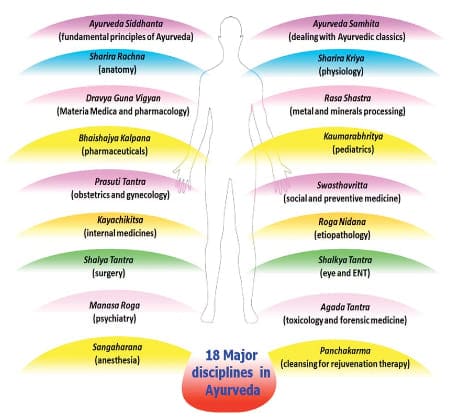
Ayurveda is an ancient system of medicine that originated in India over 5,000 years ago. The word “Ayurveda” is derived from Sanskrit, with “Ayur” meaning life and “Veda” meaning knowledge. Ayurveda is often referred to as the “science of life” and focuses on achieving holistic health through balancing the mind, body, and spirit.
Ayurvedic Principles
Ayurveda is based on the belief that everyone is made up of a unique combination of the three doshas – Vata, Pitta, and Kapha. These doshas govern different physiological functions in the body and determine a person’s physical, mental, and emotional characteristics. Ayurvedic practitioners use this knowledge to create personalized treatment plans for their clients.
The Role of Ayurvedic Practitioners
Ayurvedic practitioners, also known as Ayurvedic doctors or Vaidyas, play a crucial role in promoting health and wellness through Ayurvedic practices. They are highly trained professionals who specialize in the diagnosis, treatment, and prevention of health-related issues using traditional Ayurvedic principles.
Primary Responsibilities
As an Ayurvedic practitioner, your primary responsibilities include:
- Conducting thorough consultations to assess a client’s dosha imbalance
- Creating personalized treatment plans based on the individual’s unique constitution
- Providing dietary and lifestyle recommendations to support overall well-being
- Prescribing Ayurvedic herbs, therapies, and detoxification practices as needed
Building Relationships with Clients
One of the most important aspects of being an Ayurvedic practitioner is building strong relationships with your clients. By gaining a deep understanding of their unique health concerns, preferences, and lifestyle habits, you can tailor your treatment approach to meet their specific needs effectively.

Training and Education
Becoming an Ayurvedic practitioner requires a rigorous education and training program to develop the knowledge and skills needed to practice Ayurveda effectively. Training programs vary in length and depth, ranging from short courses to full-time degree programs.
Formal Education
Many Ayurvedic practitioners undergo formal training at recognized Ayurvedic institutions in India or abroad. These institutions offer comprehensive programs that cover various aspects of Ayurveda, including anatomy, physiology, herbal medicine, and diagnostic techniques.
Continuing Education
In addition to formal education, Ayurvedic practitioners are encouraged to pursue continuing education to stay updated on the latest research, trends, and developments in the field of Ayurveda. This may include attending workshops, conferences, seminars, and online courses to enhance their knowledge and skills.
Certification and Licensing
To practice as a qualified Ayurvedic practitioner, you may need to obtain certification or licensing from a reputable Ayurvedic organization or regulatory body. This ensures that you meet the required standards of competency and professionalism in the field of Ayurveda.
Treatment Modalities
Ayurvedic practitioners use a wide range of treatment modalities to address their clients’ health concerns and promote well-being. These modalities are tailored to individual needs and may include dietary changes, lifestyle modifications, herbal remedies, therapeutic treatments, and yoga practices.
Dietary Recommendations
Diet plays a crucial role in maintaining balance and harmony in the body according to Ayurvedic principles. Ayurvedic practitioners provide personalized dietary recommendations based on a client’s dosha imbalance, digestive strength, and overall health condition.
Herbal Remedies
Ayurveda relies heavily on the use of herbs and botanicals to support healing and wellness. Ayurvedic practitioners prescribe herbal remedies in various forms, such as powders, capsules, teas, and oils, to address specific health issues and restore balance to the body.
Therapeutic Treatments
Ayurvedic practitioners may recommend therapeutic treatments, such as Panchakarma (Ayurvedic detoxification), Abhyanga (Ayurvedic massage), Shirodhara (oil pouring therapy), and Swedana (herbal steam therapy), to address physical, mental, and emotional imbalances in the body.
Yoga and Mindfulness Practices
Yoga and mindfulness practices are integral components of Ayurvedic healing and wellness. Ayurvedic practitioners may incorporate yoga asanas, pranayama (breathwork), meditation, and relaxation techniques into their treatment plans to promote holistic well-being.

Collaborative Care Approach
Ayurvedic practitioners often collaborate with other healthcare professionals, such as conventional doctors, naturopaths, acupuncturists, and nutritionists, to provide comprehensive care for their clients. This collaborative approach allows for a more integrative and holistic treatment plan that addresses all aspects of a client’s health and well-being.
Interdisciplinary Communication
Effective communication and collaboration among healthcare providers are essential for ensuring that clients receive coordinated care that is tailored to their individual needs. By sharing information, insights, and treatment recommendations, Ayurvedic practitioners can work together with other professionals to enhance their clients’ health outcomes.
Referrals and Networking
Ayurvedic practitioners may refer clients to other healthcare providers for specialized care or services that fall outside their scope of practice. Building a network of trusted professionals allows Ayurvedic practitioners to ensure that their clients receive the best possible care and support for their health concerns.
Professional Ethics and Standards
Ethical practice is a cornerstone of Ayurveda, and Ayurvedic practitioners are expected to adhere to high standards of professionalism, integrity, and confidentiality in their interactions with clients. By upholding these ethical principles, Ayurvedic practitioners create a safe and trusting environment for their clients to receive care.
Confidentiality and Privacy
Respecting client confidentiality and privacy is paramount in the practice of Ayurveda. Ayurvedic practitioners must ensure that all client information is kept confidential and only shared with authorized individuals for the purpose of providing care and support.
Informed Consent
Obtaining informed consent from clients before initiating any treatment is essential for building trust and transparency in the client-practitioner relationship. Ayurvedic practitioners must clearly explain the proposed treatment plan, risks, benefits, and alternatives to ensure that clients are fully informed and empowered to make decisions about their health.
Professional Boundaries
Maintaining professional boundaries with clients is crucial for establishing a professional and respectful relationship based on trust and mutual respect. Ayurvedic practitioners should avoid dual relationships, conflicts of interest, and inappropriate behavior that may compromise the integrity of the therapeutic relationship.

Conclusion
In conclusion, Ayurvedic practitioners play a vital role in promoting health and wellness through personalized Ayurvedic practices that address the root causes of disease and imbalance in the body. By upholding high standards of professionalism, ethical practice, and collaboration, Ayurvedic practitioners strive to empower their clients to achieve optimal health and well-being. Whether you are considering a career in Ayurveda or seeking the services of an Ayurvedic practitioner, understanding their role and responsibilities is essential for navigating the world of holistic healing with confidence and clarity. Ayurveda offers a unique approach to health and wellness that honors the interconnectedness of mind, body, and spirit, making it an invaluable resource for anyone on a journey toward vibrant health and vitality.