
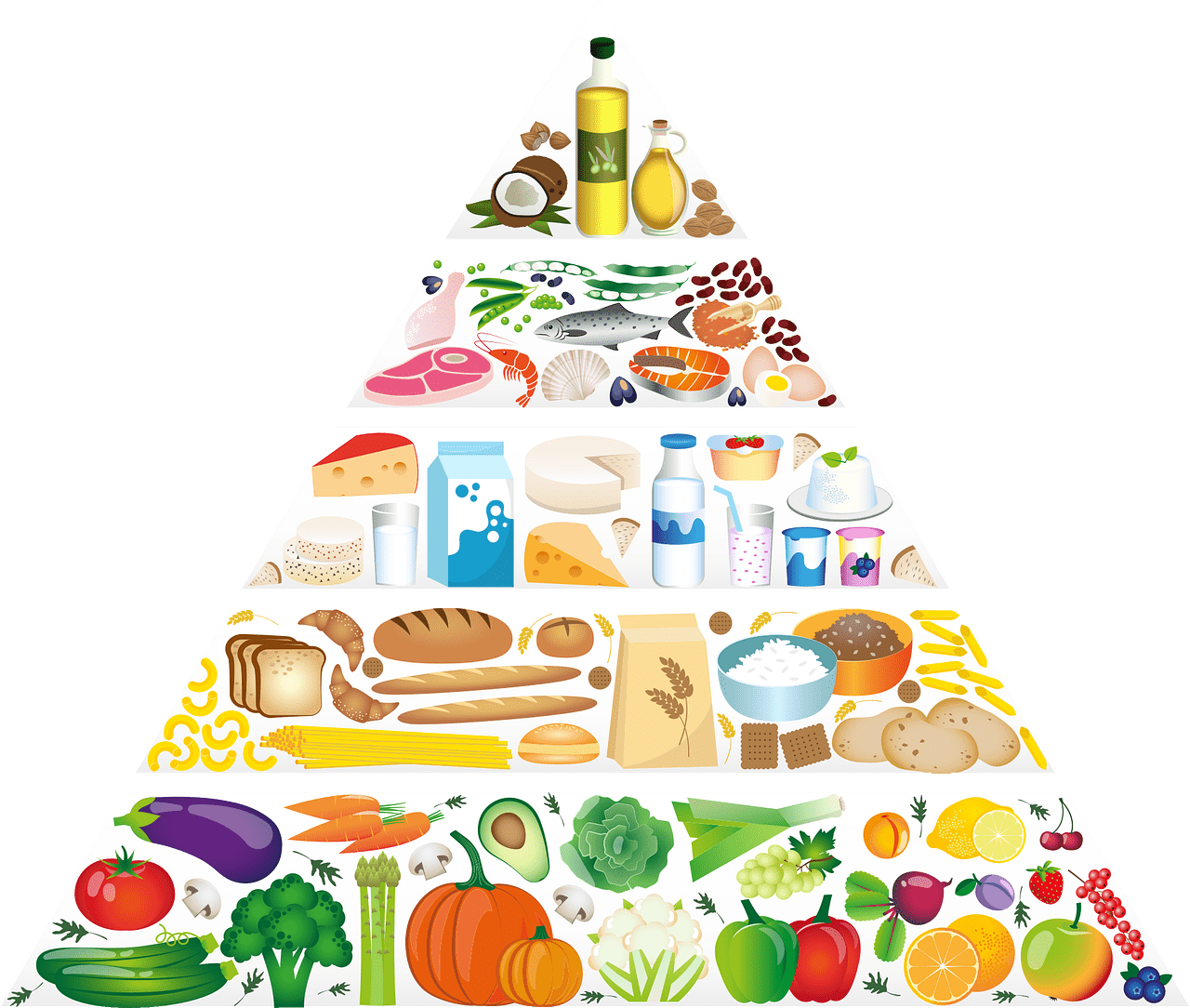
Are you confused about the role of carbohydrates in your diet? Look no further! In this article, we will explore the importance of carbohydrates for your overall health and well-being. Carbohydrates often get a bad reputation, but they play a crucial role in providing energy, supporting brain function, and promoting digestion. By understanding the role of carbohydrates in your diet, you can make informed choices to optimize your nutrition and achieve a balanced lifestyle. So, let’s dig in and unveil the truth behind these essential nutrients!
Overview of Carbohydrates
Definition of carbohydrates
Carbohydrates are one of the three main macronutrients, along with proteins and fats. They are compounds made up of carbon, hydrogen, and oxygen atoms. The primary function of carbohydrates is to provide the body with energy. Carbohydrates can be found in a wide range of foods, including grains, fruits, vegetables, dairy products, and sweets.
Types of carbohydrates
There are three main types of carbohydrates: simple carbohydrates, complex carbohydrates, and dietary fiber. Simple carbohydrates, also known as sugars, are composed of one or two sugar molecules. They are quickly digested and absorbed by the body, providing a rapid source of energy. Common examples of simple carbohydrates include table sugar, honey, and fruit juice.
Complex carbohydrates, on the other hand, consist of multiple sugar molecules joined together. They are found in foods such as whole grains, beans, and vegetables. Complex carbohydrates take longer to digest and provide a steady and sustained release of energy.
Dietary fiber, although technically a type of carbohydrate, cannot be digested by the body. Instead, it passes through the digestive system relatively intact. Fiber is essential for maintaining good digestive health, and it can be found in foods like whole grains, fruits, vegetables, and legumes.
Sources of carbohydrates
Carbohydrates can be found in a wide variety of foods. Some excellent sources of carbohydrates include:
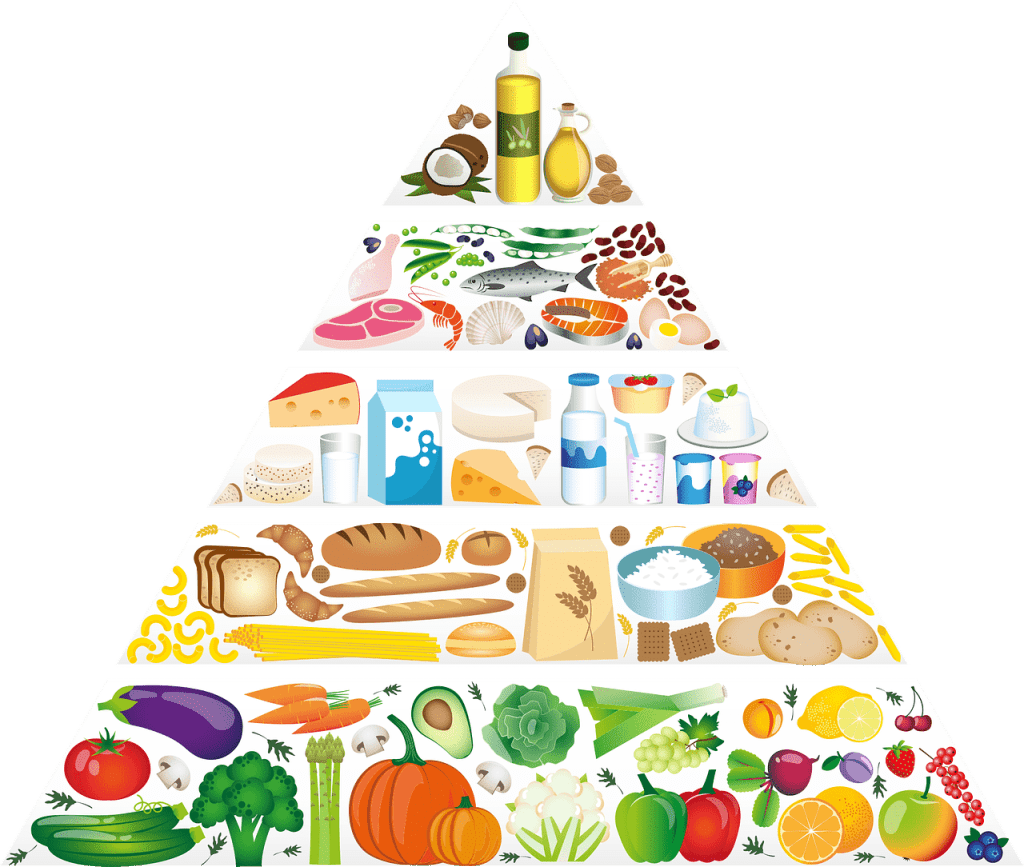
- Grains: such as rice, oats, quinoa, and wheat products like bread and pasta.
- Fruits: including apples, bananas, oranges, and berries.
- Vegetables: such as sweet potatoes, carrots, broccoli, and leafy greens.
- Legumes: including beans, lentils, chickpeas, and peas.
- Dairy products: such as milk, yogurt, and cheese.
- Sweets: including candies, cookies, cakes, and ice cream.
It is important to choose carbohydrates from wholesome sources that provide additional nutrients, rather than opting for overly processed and sugary foods.
Importance of Carbohydrates
Energy provider
Carbohydrates are the primary source of energy for the body. When consumed, they are broken down into glucose, which is the simplest form of sugar. Glucose is then transported to cells throughout the body, where it is used as fuel for various bodily functions. Whether you are running a marathon or simply going about your day-to-day activities, carbohydrates provide the energy needed to keep you going.
Brain function
The brain is a glucose-dependent organ, meaning it relies on glucose as its primary source of fuel. When carbohydrates are consumed, they are converted into glucose, which can cross the blood-brain barrier and be used by the brain for energy. Adequate carbohydrate intake is crucial for maintaining optimal brain function, including cognition, memory, and concentration.
Supports physical activity
Carbohydrates play a vital role in supporting physical activity and exercise performance. During exercise, the body relies on carbohydrates stored in the muscles and liver, known as glycogen, to provide energy. Consuming carbohydrates before and after exercise helps replenish glycogen stores, ensuring that you have enough energy for your workouts and facilitating muscle recovery.
Types of Carbohydrates
Simple carbohydrates
Simple carbohydrates, as mentioned earlier, are sugars composed of one or two sugar molecules. They are quickly digested and absorbed by the body, resulting in a rapid increase in blood sugar levels. While they can provide quick energy, it is important to consume simple carbohydrates in moderation, as excessive intake can lead to spikes and crashes in blood sugar levels. Examples of simple carbohydrates include table sugar, honey, soda, and candy.
Complex carbohydrates
Complex carbohydrates are made up of three or more sugar molecules joined together. They are found in foods like whole grains, legumes, and vegetables. Complex carbohydrates take longer to digest, resulting in a slower and more sustained release of glucose into the bloodstream. This steady supply of energy helps regulate blood sugar levels and provides a feeling of fullness and satiety. Examples of complex carbohydrates include brown rice, whole wheat bread, oats, and quinoa.
Fiber
Dietary fiber is a type of carbohydrate that cannot be digested by the body. Unlike other carbohydrates, fiber passes through the digestive system intact. Fiber has numerous health benefits, including promoting bowel regularity, preventing constipation, and reducing the risk of certain diseases, such as heart disease and diabetes. Good sources of fiber include fruits, vegetables, whole grains, legumes, and nuts.
Digestion and Absorption
Digestive process of carbohydrates
The digestion of carbohydrates begins in the mouth, where enzymes in saliva start breaking down complex carbohydrates into simpler sugars. Once in the stomach, the digestion of carbohydrates temporarily slows down, as the enzymes present in the stomach primarily focus on breaking down proteins.
The majority of carbohydrate digestion occurs in the small intestine. Enzymes secreted by the pancreas break down complex carbohydrates into individual sugar molecules, which can then be absorbed into the bloodstream.
Conversion of carbohydrates into glucose
Once carbohydrates are broken down and absorbed into the bloodstream, they are converted into glucose. Glucose is a crucial source of energy for all cells in the body, and it is easily transported across cell membranes.
Excess glucose is stored in the liver and muscles in the form of glycogen. When blood sugar levels drop, such as during periods of fasting or intense exercise, the body can break down glycogen and release glucose to maintain a steady supply of energy.
Absorption in the small intestine
Carbohydrate absorption primarily takes place in the small intestine. Individual sugar molecules, such as glucose, fructose, and galactose, are transported across the intestinal lining into the bloodstream.
Simple carbohydrates, such as monosaccharides and disaccharides, are rapidly absorbed, resulting in a quick increase in blood sugar levels. Complex carbohydrates, including starches, take longer to break down into individual sugar molecules, resulting in a slower and more sustained release of glucose into the bloodstream.

Carbohydrates and Blood Sugar
Impact of carbohydrates on blood sugar levels
Carbohydrates have a direct impact on blood sugar levels. When carbohydrates are broken down into glucose and absorbed into the bloodstream, blood sugar levels rise. The body releases insulin, a hormone produced by the pancreas, to help transport glucose from the bloodstream into cells, where it can be used for energy.
Consuming excessive amounts of carbohydrates, especially simple carbohydrates, can lead to a rapid increase in blood sugar levels. This can result in a spike in insulin production, followed by a drop in blood sugar levels, causing fatigue, hunger, and cravings for more carbohydrates.
Glycemic index and glycemic load
The glycemic index (GI) is a measure of how quickly carbohydrates are digested and absorbed into the bloodstream, leading to a rise in blood sugar levels. High GI foods, such as white bread and sugary cereals, cause a rapid increase in blood sugar levels, while low GI foods, such as whole grains and legumes, result in a slower and more gradual rise.
The glycemic load (GL) takes into account not only the speed at which carbohydrates are digested but also the quantity consumed. It is a more accurate measure of how a particular food affects blood sugar levels. Foods with a high GI but a small serving size may have a lower glycemic load than foods with a low GI but a large serving size.
It is recommended to choose carbohydrates with a low to moderate glycemic index and load to help maintain stable blood sugar levels throughout the day.
Recommended Carbohydrate Intake
Dietary guidelines for carbohydrates
The recommended daily intake of carbohydrates varies depending on factors such as age, sex, activity level, and overall health. However, for the average adult, it is recommended to consume 45-65% of total daily calories from carbohydrates.
For a 2,000 calorie diet, this translates into approximately 225-325 grams of carbohydrates per day. It is important to note that the quality of carbohydrates consumed is just as important as the quantity. Choosing carbohydrates from whole, unprocessed sources and incorporating a variety of fruits, vegetables, whole grains, and legumes is essential for a balanced and nutritious diet.
Factors affecting carbohydrate requirements
Individual carbohydrate requirements can vary based on several factors. These include:
- Activity level: Individuals who engage in regular physical activity or have higher energy expenditure may require more carbohydrates to fuel their workouts and support muscle recovery.
- Age: Children and adolescents have higher carbohydrate needs compared to adults because they are still growing and developing.
- Health conditions: Certain medical conditions, such as diabetes and metabolic disorders, may require individuals to manage their carbohydrate intake more carefully, working closely with healthcare professionals.
- Goals: Whether the goal is weight management, athletic performance, or improving overall health, individual carbohydrate needs may need to be adjusted accordingly.
It is always advisable to consult with a healthcare professional or registered dietitian to determine the appropriate carbohydrate intake based on individual needs and goals.
Carbohydrate distribution in the diet
Distributing carbohydrate intake evenly throughout the day can help maintain steady blood sugar levels and provide a constant source of energy. It is typically recommended to include carbohydrates in each meal and snack, as part of a balanced diet.
For example, a meal could consist of a lean protein source, such as chicken or fish, paired with a serving of whole grains like quinoa or brown rice, and a variety of vegetables. Snacks can include fruits, yogurt, or whole grain crackers. Balancing carbohydrates with protein, healthy fats, and fiber-rich foods ensures a well-rounded and nourishing diet.

Carbohydrates and Weight Management
Carbohydrates and weight gain
Carbohydrates themselves do not inherently cause weight gain. However, consuming excessive amounts of carbohydrates, especially in the form of refined sugars and processed foods, can contribute to weight gain. These types of carbohydrates are often high in calories and low in nutrients, leading to overconsumption and subsequent weight gain.
When it comes to managing weight, it is important to focus on the quality of carbohydrates consumed. Opting for whole grains, fruits, vegetables, and legumes provides essential nutrients, fiber, and a greater sense of satiety. Balancing carbohydrate intake with appropriate portions and incorporating regular physical activity are key components of achieving and maintaining a healthy weight.
Carbohydrates and weight loss
Carbohydrates play a crucial role in weight loss as they provide the energy needed to fuel physical activity and exercise. It is important to choose carbohydrates that are nutrient-dense and offer satiety, such as whole grains, fruits, and vegetables.
When trying to lose weight, it is advisable to reduce the overall calorie intake and focus on portion control. This can be achieved by choosing appropriate serving sizes and balancing carbohydrate intake with lean protein, healthy fats, and fiber-rich foods. Consistency and long-term commitment to healthy eating habits are more important than eliminating carbohydrates entirely.
Choosing the right carbohydrates
When it comes to carbohydrates, quality matters. Opting for whole, unprocessed sources of carbohydrates is essential for overall health and weight management. Some tips for choosing the right carbohydrates include:
- Choose whole grains: Opt for whole wheat bread, brown rice, quinoa, and oats instead of refined grains like white bread and white rice.
- Include a variety of fruits and vegetables: These provide essential vitamins, minerals, and fiber. Aim for colorful options and incorporate both fresh and frozen options.
- Try different legumes: Beans, lentils, and chickpeas are excellent sources of complex carbohydrates, protein, and fiber. They can be incorporated into soups, salads, and main dishes.
- Limit added sugars: Minimize the consumption of sugary beverages, candies, cookies, and other sweets. Choose naturally sweet foods like fruits to satisfy cravings.
By making these simple swaps and focusing on nutrient-dense options, you can enjoy carbohydrates while promoting overall health and weight management.
Carbohydrates and Exercise Performance
Carbohydrate loading
Carbohydrate loading, also known as glycogen loading, is a strategy used by athletes to maximize muscle glycogen stores before an endurance event. This technique involves increasing carbohydrate intake in the days leading up to the competition or race.
Carbohydrate loading aims to supercompensate muscle glycogen stores, allowing athletes to perform at their best for extended periods. It is important to note that carbohydrate loading is typically only necessary for endurance-type activities lasting longer than 90 minutes.
Carbohydrate intake before exercise
Consuming carbohydrates before exercise provides the necessary fuel to optimize performance. The timing and amount of carbohydrate intake may vary depending on the individual and the duration and intensity of the exercise.
Aim to consume a small meal or snack containing easily digestible carbohydrates, such as a banana or a granola bar, about 1-2 hours before exercising. This allows time for digestion and ensures a readily available source of energy.
Carbohydrate intake during and after exercise
During prolonged exercise or intense physical activity lasting more than 60-90 minutes, consuming additional carbohydrates during exercise may be beneficial. This helps replenish glycogen stores and maintains energy levels.
Carbohydrate-rich options, such as sports drinks, energy gels, or fruit, can provide a quick source of easily digestible carbohydrates to ensure optimal performance during extended workouts.
After exercise, it is important to replenish glycogen stores to support muscle recovery. Consuming a carbohydrate-rich snack or meal within 30-60 minutes of exercise is recommended. Pairing carbohydrates with a source of protein can further aid in muscle repair and rebuilding.
Carbohydrates and Health Conditions
Carbohydrates and diabetes
Carbohydrate intake has a direct impact on blood sugar levels, making it particularly important for individuals with diabetes. Managing carbohydrate consumption can help regulate blood sugar levels and prevent spikes and crashes.
For individuals with diabetes, it is crucial to monitor carbohydrate intake, practice portion control, and spread carbohydrate consumption throughout the day. Working closely with a registered dietitian can provide personalized guidance and support in managing carbohydrate intake while still enjoying a variety of foods.
Carbohydrates and heart health
The quality of carbohydrates consumed can have a significant impact on heart health. A diet high in refined carbohydrates, added sugars, and unhealthy fats is associated with an increased risk of heart disease.
Opting for whole grains, fruits, vegetables, and legumes as primary sources of carbohydrates provides important nutrients, dietary fiber, and antioxidants beneficial for heart health. These types of carbohydrates help control blood pressure, cholesterol levels, and maintain a healthy body weight.
Carbohydrates and gut health
Dietary fiber, a type of carbohydrate, plays a crucial role in maintaining a healthy gut. Fiber acts as a prebiotic, providing nourishment for beneficial gut bacteria. This helps promote a healthy balance of gut microbiota and supports overall digestive health.
By consuming a variety of fiber-rich foods, such as whole grains, fruits, vegetables, and legumes, you can enhance your gut health and reduce the risk of gastrointestinal disorders such as constipation, diverticulitis, and inflammatory bowel disease.
Balancing Carbohydrates with Other Nutrients
Balancing carbohydrates with protein and fat
While carbohydrates are an important macronutrient, it is essential to balance them with other nutrients, such as protein and fat, to maintain a well-rounded and nutritious diet.
Protein is necessary for the growth, repair, and maintenance of tissues in the body. Including protein-rich foods, such as lean meats, poultry, fish, eggs, dairy products, and plant-based sources like legumes and tofu, can help enhance overall nutritional intake.
Healthy fats, like those found in avocados, nuts, seeds, and olive oil, are crucial for supporting brain health, reducing inflammation, and providing long-lasting satiety. Balancing carbohydrates with healthy fats can help slow down digestion and promote stable blood sugar levels.
Importance of a balanced diet
A balanced diet that includes a variety of foods from different food groups provides all the essential nutrients needed for optimal health. Carbohydrates, along with proteins, fats, vitamins, and minerals, are essential for supporting various bodily functions and maintaining overall well-being.
By understanding the role of carbohydrates in your diet and making informed choices, you can enjoy the benefits they offer while maintaining a healthy and balanced lifestyle. Remember to consult with a healthcare professional or registered dietitian for personalized advice and guidance based on your individual needs. Embrace the power of carbohydrates and savor the variety of delicious and nourishing foods they have to offer!