
In this article, you will gain valuable insight into the fascinating world of traditional healing modalities. We will explore the significant role these ancient practices play in promoting overall well-being and harmony within individuals and communities. From herbal remedies to energy healing techniques, you will discover the diverse range of traditional healing methods and how they have stood the test of time. Embark on this enlightening journey as we delve into the profound effects of these healing modalities on mind, body, and soul.
Traditional Healing Modalities Explained
Traditional healing refers to a diverse range of practices and techniques that have been passed down through generations in different cultures around the world. These modalities are rooted in ancient wisdom and offer a holistic approach to health and wellness, addressing both the physical and spiritual aspects of an individual’s well-being. In this article, we will explore the definition of traditional healing and the various types of modalities that fall under its umbrella.
Definition of Traditional Healing
Traditional healing can be defined as a system of healthcare that is based on indigenous knowledge, cultural traditions, and historical practices. It encompasses a wide range of methods which aim to restore balance and harmony within an individual, by tapping into the body’s natural ability to heal itself. Traditional healing modalities often involve the use of natural remedies, rituals, ceremonies, and various energy-based practices.
Types of Traditional Healing Modalities
Traditional healing modalities can vary greatly from one culture to another, as they are deeply rooted in the beliefs and practices of specific indigenous communities. Some of the most common types of traditional healing modalities include herbal medicine, acupuncture and acupressure, massage and bodywork, energy healing, meditation and mindfulness, as well as ceremonies and rituals. Each of these modalities offers its own unique approach to healing, but they all share the common goal of restoring balance and promoting overall well-being.
Historical Significance of Traditional Healing
Ancient Origins of Traditional Healing
The origins of traditional healing can be traced back thousands of years, to ancient civilizations that recognized and revered the innate healing power of nature and the human body. In cultures such as the Native American tribes, African tribes, and Ayurvedic traditions of India, traditional healing practices were deeply intertwined with spirituality and considered an integral part of daily life. These ancient healing practices not only addressed physical ailments but also took into account the emotional, mental, and spiritual well-being of individuals.
Cultural Significance of Traditional Healing
Traditional healing has played a significant role in preserving the cultural heritage of indigenous communities around the world. It is often deeply rooted in the cultural and spiritual beliefs of these communities, and serves as a way to connect with their ancestors and traditions. Traditional healing modalities are not only passed down from one generation to the next, but they also hold immense cultural significance, offering a sense of identity, belonging, and pride to those who practice and uphold these healing traditions.

Principles and Beliefs
Holistic Approach to Health and Wellness
One of the core principles of traditional healing modalities is their holistic approach to health and wellness. Traditional healers believe that the body, mind, and spirit are interconnected, and that true healing can only be achieved by addressing all aspects of an individual’s being. This holistic perspective recognizes that a physical ailment is often a manifestation of an underlying imbalance or disharmony, and aims to restore equilibrium by treating the root cause rather than just the symptoms.
Balance and Harmony
Finding balance and harmony is another fundamental belief in traditional healing practices. Traditional healers view health as a state of equilibrium, where all aspects of an individual’s being are in harmonious alignment. Imbalances, whether physical, emotional, or spiritual, are seen as the cause of illness and dis-ease. Traditional healing modalities offer various techniques and rituals that help restore balance and promote harmony within the body, mind, and spirit.
Connection to Nature and Spirituality
Traditional healing modalities often emphasize the connection between humans and nature, recognizing the inherent wisdom and healing properties of the natural world. Many traditional healing practices involve the use of medicinal plants, herbs, and other natural remedies, which are believed to carry the healing energy of the earth. Additionally, spirituality plays a significant role in traditional healing, as it is believed that a strong spiritual connection is essential for overall well-being and healing.
Traditional Healing Methods
Herbal Medicine
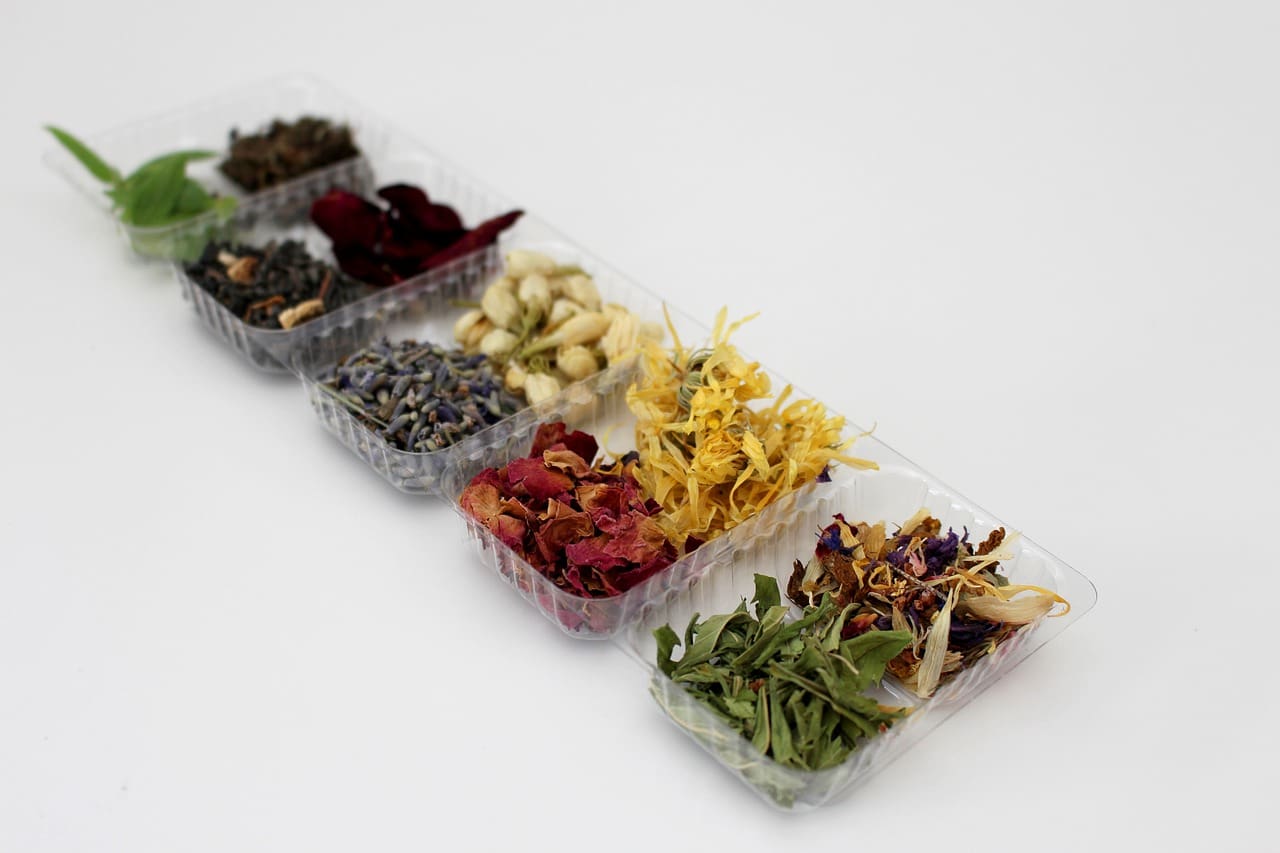
Herbal medicine is one of the most widely recognized and practiced forms of traditional healing worldwide. It involves the use of plants, herbs, and botanical remedies to promote healing and restore balance within the body. Traditional healers have extensive knowledge of the medicinal properties and uses of various plants, and often create custom formulations to address specific health concerns. Herbal medicine can be administered in the form of teas, tinctures, capsules, or topical applications.
Acupuncture and Acupressure
Acupuncture and acupressure are traditional healing modalities that originated in ancient Chinese medicine. These practices are based on the concept of energy flow within the body, known as Qi (pronounced “chee”). Acupuncture involves the insertion of fine needles into specific points along the body’s meridian pathways, while acupressure applies pressure to these points using the fingers or hands. Both techniques aim to restore the balance of Qi and promote overall well-being.
Massage and Bodywork
Massage and bodywork are integral parts of traditional healing practices in cultures around the world. These techniques involve the manipulation of soft tissues through various manual methods, such as kneading, rubbing, or pressing. Massage and bodywork not only promote relaxation and relieve muscle tension but also help improve circulation, stimulate the lymphatic system, and enhance the body’s natural healing mechanisms.
Energy Healing
Energy healing is a practice that involves working with the body’s subtle energy systems to promote healing and balance. Traditional healers believe that blockages or imbalances in the body’s energy flow can lead to illness and dis-ease. Energy healing modalities, such as Reiki, Qi Gong, and Pranic Healing, utilize different techniques to clear and balance the body’s energy centers, or chakras, allowing for the free flow of energy and supporting the body’s natural healing process.
Meditation and Mindfulness
Meditation and mindfulness are practices that have been integrated into traditional healing modalities for thousands of years. These techniques involve the cultivation of present-moment awareness, deep relaxation, and mental clarity. By quieting the mind and focusing on the breath, meditation and mindfulness help reduce stress, promote emotional well-being, and cultivate a sense of inner peace and balance.
Ceremonies and Rituals
Ceremonies and rituals hold deep cultural and spiritual significance in traditional healing practices. These rituals often involve the use of symbols, prayers, chants, and sacred objects, and are performed to invoke healing, protection, and blessings. Ceremonies and rituals provide a sacred space for individuals to connect with their ancestors, the natural world, and their own spiritual essence, offering a profound sense of healing and transformation.
Role of Traditional Healing in Indigenous Communities
Preservation and Promotion of Cultural Heritage
Traditional healing modalities play a vital role in preserving and promoting the cultural heritage of indigenous communities. These healing practices are passed down from generation to generation, ensuring the continuity of cultural traditions and knowledge. By actively engaging in and upholding traditional healing practices, indigenous communities maintain a strong connection to their cultural roots and ancestral wisdom, thereby preserving their unique identity and heritage.
Community Support and Empowerment
Traditional healing is deeply ingrained in the fabric of indigenous communities, serving as a source of community support and empowerment. Traditional healers play a crucial role in providing guidance, counsel, and healing to individuals and communities in need. The communal nature of traditional healing fosters a sense of belonging, unity, and mutual support, strengthening the social fabric of indigenous communities and promoting overall well-being.
Alternative Healthcare Access
Traditional healing modalities offer an alternative approach to healthcare that is accessible and affordable for many indigenous communities, particularly in remote or underserved areas. In places where modern medical facilities may be scarce or culturally inaccessible, traditional healing provides a valuable and effective means of healthcare. By utilizing local resources, traditional healing practices offer indigenous communities a sustainable and community-based approach to healthcare.
Complementary vs Alternative Medicine
Understanding the Difference
It is important to distinguish between complementary medicine and alternative medicine when discussing traditional healing modalities. Complementary medicine refers to the use of non-mainstream practices in conjunction with conventional medical treatments. In this context, traditional healing can be utilized as a complementary approach to enhance the effectiveness and well-being of individuals undergoing medical treatments. On the other hand, alternative medicine refers to non-mainstream practices used in place of conventional medical treatments. It is worth noting that while some traditional healing modalities may be considered alternative medicine, they are not mutually exclusive and can coexist with modern healthcare practices.
Integration of Traditional Healing with Modern Medicine
There is a growing recognition of the value and efficacy of traditional healing modalities within the field of modern medicine. Many healthcare systems are now embracing a more integrative approach, combining traditional healing practices with conventional medical treatments. This integration allows for a more comprehensive and individualized approach to healthcare, considering both the physical and spiritual aspects of a patient’s well-being. By bridging the gap between traditional healing and modern medicine, individuals can benefit from a wider range of treatment options and achieve optimal health outcomes.

Scientific Evidence and Research
Validating Traditional Healing Practices
Traditional healing practices have been passed down through generations based on empirical evidence and personal experiences. While scientific research in the field of traditional healing is relatively limited, there is a growing body of evidence that validates the effectiveness of certain traditional healing modalities. Studies have shown that practices such as acupuncture, herbal medicine, and meditation can have positive effects on various health conditions, including pain management, stress reduction, and immune system enhancement. However, it is important to note that traditional healing practices often operate under a different paradigm than conventional medical research, and more research is needed to further validate their efficacy.
Challenges and Limitations of Research
Research in the field of traditional healing faces several challenges and limitations. Traditional healing practices are often complex and multifaceted, making it difficult to isolate and study specific elements or interventions. Additionally, the cultural and spiritual aspects of traditional healing can be challenging to measure and quantify using Western scientific methods. Limited funding and resources for traditional healing research further contribute to the gaps in scientific knowledge. Despite these challenges, efforts are being made to bridge the gap between traditional healing and scientific research, in order to gain a deeper understanding of these ancient practices.
Contemporary Applications and Recognition
Integration into Mainstream Healthcare
There is a growing recognition of the value and importance of traditional healing modalities within mainstream healthcare systems. Many hospitals, clinics, and wellness centers are now incorporating traditional healing practices into their services, offering patients a more comprehensive and holistic approach to healthcare. By integrating traditional healing with modern medicine, individuals can benefit from the best of both worlds, receiving evidence-based medical treatments alongside complementary traditional healing modalities.
Recognition by World Health Organization (WHO)
The World Health Organization (WHO) has recognized the significance and potential of traditional healing practices in healthcare. WHO acknowledges that traditional healing modalities play a substantial role in meeting the healthcare needs of many communities, particularly in developing countries. They have advocated for the integration of traditional medicine into national healthcare systems, and have developed guidelines and standards to ensure the safety, efficacy, and quality of traditional healing practices. This recognition by WHO further highlights the importance of traditional healing in promoting global health and well-being.
Cultural Appropriation and Respect
Understanding Cultural Appropriation
When discussing traditional healing modalities, it is essential to address the issue of cultural appropriation. Cultural appropriation refers to the adoption or use of elements from one culture by members of another culture, often without understanding or respecting the cultural significance behind those elements. Traditional healing practices are deeply rooted in cultural and spiritual beliefs, and it is crucial to approach them with sensitivity, respect, and a genuine desire to learn and understand the cultural context in which they originate.
Respecting Traditional Healing Practices
Respecting traditional healing practices involves recognizing the cultural origins, value, and significance of these modalities. It means seeking permission, guidance, and collaboration with the indigenous communities and traditional healers who are the custodians of these practices. Respecting traditional healing also requires understanding that these practices are sacred and should not be commercialized, commodified, or appropriated for personal gain. By approaching traditional healing with humility, openness, and respect, individuals can honor and preserve these practices for future generations.
Future of Traditional Healing
Continued Relevance and Evolution
Traditional healing modalities have stood the test of time, adapting and evolving throughout history to meet the changing needs of individuals and communities. As the world becomes more interconnected and globalized, traditional healing practices will continue to be relevant in promoting health and wellness in diverse cultures. The principles and wisdom behind these ancient practices will remain valuable and applicable, offering individuals a holistic approach to healing and well-being.
Collaboration and Exchange of Knowledge
The future of traditional healing lies in collaboration and the exchange of knowledge between different healing modalities and cultural practices. By recognizing the commonalities and shared goals among various healing traditions, individuals can create synergistic approaches that integrate the best of multiple modalities. Collaboration allows for the pooling of resources, wisdom, and experiences, fostering innovation and growth within the field of traditional healing. This exchange of knowledge ensures the continued evolution and advancement of traditional healing practices for the benefit of all.