
If you’ve ever found yourself desperately seeking relief from the throbbing pain of a headache, you may be intrigued to learn about the potential power of acupressure. This ancient technique, derived from traditional Chinese medicine, involves applying pressure to specific points on your body to alleviate discomfort and promote overall well-being. In this article, we will explore how using acupressure for relieving headaches can provide effective and natural relief, allowing you to find comfort and clarity in the midst of your day. So, get ready to discover a simple and gentle way to bid adieu to those pesky headaches.
Introduction to Acupressure
Definition of acupressure
Acupressure is a traditional Chinese healing practice that involves applying pressure to specific points on the body to alleviate pain and promote healing. It is based on the same principles as acupuncture but without the use of needles. Instead, acupressure uses the fingers, hands, elbows, or feet to apply pressure to targeted points, known as acupoints, along the body’s energy channels, known as meridians.
Principles behind acupressure
Acupressure is based on the belief that the body has a vital flow of energy, known as Qi (pronounced “chee”), that travels along these meridians. When there is an imbalance or blockage in this flow of energy, it can lead to various physical and emotional ailments, such as headaches. By applying pressure to specific acupoints, acupressure aims to restore the flow of energy, promoting healing and relieving pain.
Benefits of using acupressure for headache relief
Acupressure has gained popularity as a natural and non-invasive alternative for managing headaches. One of the primary advantages of using acupressure for headache relief is that it does not involve the use of medication, which may have side effects. Acupressure can provide quick relief from headache symptoms, such as pain and tension, and also offers several long-term benefits, including reduced frequency and intensity of headaches. It is a safe and cost-effective method that can be practiced at home, making it accessible to anyone seeking relief from headaches.
Understanding Headaches
Types of headaches
Headaches can be classified into different types, each with its own characteristics. The most common types of headaches include tension headaches, migraines, cluster headaches, and sinus headaches. Tension headaches are often described as a dull, aching pain that affects both sides of the head. Migraines, on the other hand, are characterized by severe, throbbing pain, often accompanied by symptoms such as nausea and sensitivity to light and sound. Cluster headaches are recurring headaches that occur in clusters or groups over a period of weeks or months, while sinus headaches are caused by inflammation in the sinus passages.
Causes of headaches
There are various factors that can trigger headaches, including stress, poor posture, hormonal changes, certain foods or drinks, environmental factors, and underlying health conditions. Tension headaches, for example, are commonly triggered by stress, anxiety, or muscle tension in the head and neck region. Migraines can be influenced by factors such as hormonal changes, certain foods (such as chocolate or caffeine), lack of sleep, or strong odors. Identifying the underlying cause of headaches can help in managing and preventing them.
Common symptoms of headaches
Headaches can manifest in different ways, depending on the type and severity. Common symptoms associated with headaches include pain or pressure in the head, sensitivity to light and sound, dizziness, nausea, vomiting, and muscle tension in the head, neck, or shoulders. These symptoms can vary from mild to severe and may last for a few hours or several days. Understanding the symptoms can be helpful in determining the type of headache and choosing the most appropriate acupressure techniques for relief.
Acupressure Points for Headache Relief
Location of acupressure points for headaches
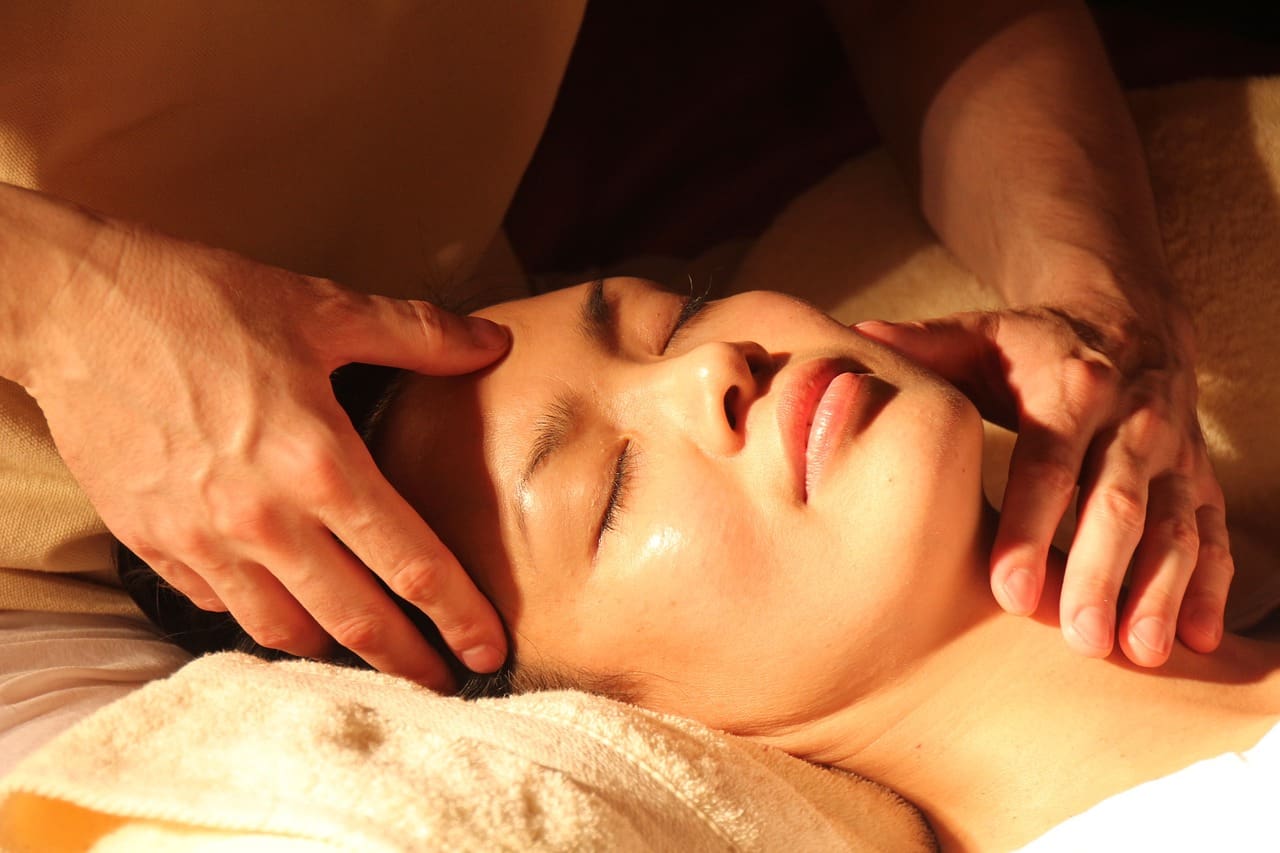
Acupressure points for headache relief are located along the meridians that correspond to the head, face, neck, and shoulders. These points can be easily accessed and stimulated with the fingers or other tools. Some of the commonly used acupressure points for relieving headaches include the third eye point (located between the eyebrows), the temple points (on the temples), the base of the skull points (at the back of the head), and the shoulder well points (in the depression between the shoulder and neck).
Specific points for different types of headaches
Different types of headaches require different acupressure points to be stimulated for optimal relief. For tension headaches, acupressure points such as the third eye point, the temple points, and the shoulder well points can provide effective relief. For migraines, the third eye point, the base of the skull points, and the shoulder well points are commonly targeted. Cluster headaches may benefit from stimulation of the temple points, while sinus headaches can be relieved by focusing on the sinus points around the nose and forehead.
Exploring the pressure points
When applying acupressure for headache relief, it is essential to explore and experiment with different pressure points to find what works best for you. Every individual may experience different levels of sensitivity in various points, so it is important to adjust the pressure and technique accordingly. It is recommended to start with gentle and steady pressure, gradually increasing the intensity if needed. The key is to locate the points that provide the most relief and target them consistently during acupressure sessions.
How to Apply Acupressure for Headache Relief
Preparing for acupressure
Before applying acupressure for headache relief, it is essential to create a calm and relaxing environment. Find a quiet space where you can sit or lie down comfortably. Take a few deep breaths to relax your body and mind. It can be helpful to dim the lights, play soothing music, or use aromatherapy to enhance the relaxation experience. Additionally, make sure your hands are clean and nails are trimmed to avoid any discomfort during the acupressure session.
Proper hand posture and techniques
When applying acupressure, it is important to maintain the proper hand posture and use the correct techniques to ensure effective stimulation of the acupressure points. The fingers or palm can be used to apply pressure to the points, and gentle circular motions or kneading motions can be employed. It is essential to listen to your body and adjust the pressure as needed. Some individuals may prefer deep, firm pressure, while others may find lighter pressure more comfortable. It is important to find a balance that works best for your individual needs.
Duration and frequency of applying pressure
The duration and frequency of acupressure sessions for headache relief can vary depending on individual preference and the severity of the headaches. It is generally recommended to apply pressure on each acupressure point for about 30 seconds to a minute. You can repeat the process multiple times throughout the day, ideally at regular intervals, to maintain consistent relief. Some individuals may find relief with shorter sessions, while others may benefit from longer sessions of 5 to 10 minutes per acupressure point. Experiment with different durations and frequencies to find what works best for you.
Self-Help Techniques
Thumb pressure technique
The thumb pressure technique is a simple and effective self-help technique for applying acupressure to relieve headaches. Start by locating the acupressure point that corresponds to your specific type of headache, such as the third eye point or the temple points. Place your thumb on the point and apply firm, steady pressure in a circular motion. You can adjust the intensity of the pressure based on your comfort level. Continue the circular motion for 30 seconds to a minute, or until you experience relief.
Finger pressure technique
The finger pressure technique is another self-help technique that can be used to apply acupressure for headache relief. Similar to the thumb pressure technique, start by locating the appropriate acupressure point. Instead of using your thumb, use one or two fingers to apply pressure to the point. The fingers can be positioned vertically or horizontally, depending on the location of the acupressure point. Use a firm, steady pressure and apply circular, kneading or pulsating motions. Continue the technique for the desired duration or until relief is experienced.
Wrist and forearm pressure technique
The wrist and forearm pressure technique is a self-help technique that targets acupressure points on the wrists and forearms, which can help relieve headaches. Begin by locating the pressure points on the inner side of the wrists, about two finger widths below the crease of the wrist. Apply firm, steady pressure using the thumb of the opposite hand and circular motions. Another acupressure point can be found on the forearm, about three finger widths below the wrist crease. Apply pressure to this point using the same thumb and circular motions. Continue the technique for the desired duration or until relief is experienced.
Additional Techniques and Tools
Using acupressure mats or pillows
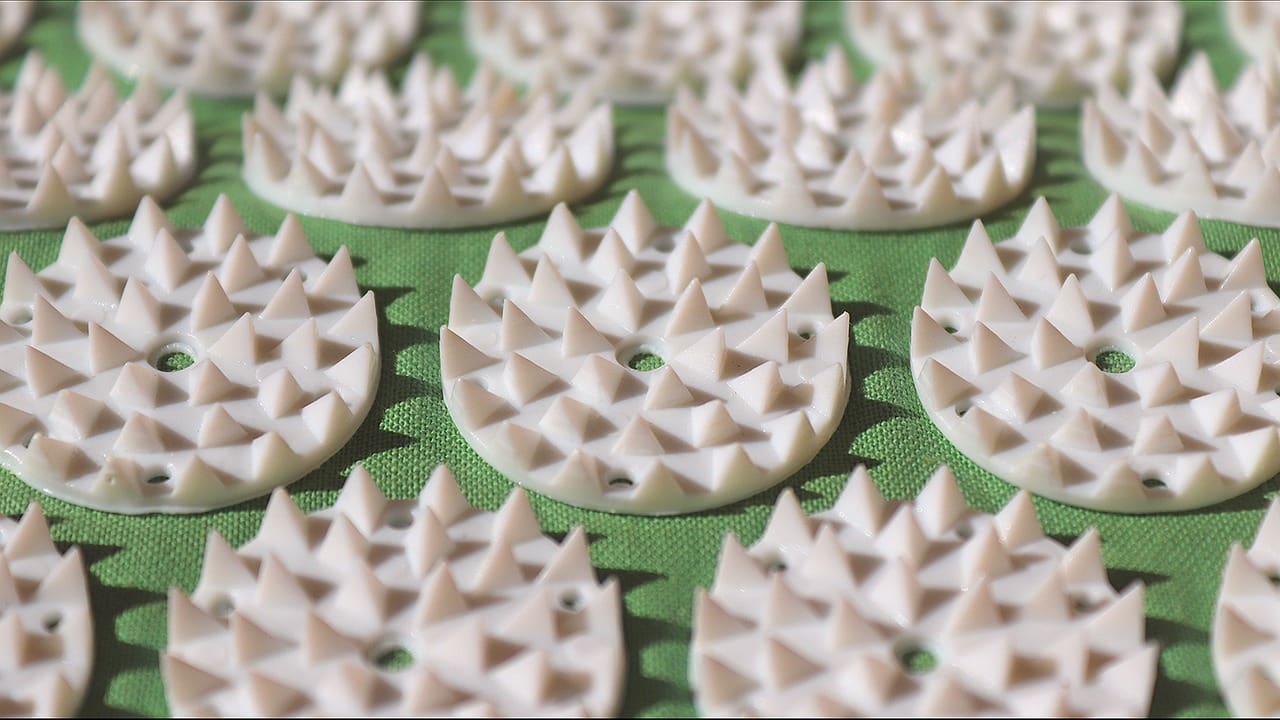
Acupressure mats or pillows are tools that can enhance the effectiveness of acupressure for headache relief. These mats or pillows have numerous small acupressure points that stimulate multiple acupoints simultaneously. When lying or sitting on the mat or pillow, the body weight applies pressure to these points, providing a wider coverage and deeper stimulation. This can be particularly beneficial for individuals experiencing frequent or chronic headaches. Using an acupressure mat or pillow for a few minutes each day can help relax the body, reduce muscle tension, and alleviate headaches.
Aromatherapy for enhancing acupressure
Aromatherapy is the practice of using essential oils to enhance healing and relaxation. When combined with acupressure, aromatherapy can further enhance the effects of headache relief. Certain essential oils, such as lavender, peppermint, and eucalyptus, are known for their soothing and headache-relieving properties. You can add a few drops of these oils to a diffuser or mix them with a carrier oil for massage. Inhaling the aroma or gently massaging the oils on your temples, neck, or acupressure points can provide an added sense of relaxation and promote headache relief.
Combining acupressure with other relaxation methods
Acupressure can be further strengthened by combining it with other relaxation methods. Techniques such as deep breathing exercises, meditation, or gentle stretches can help relax the body and mind before or during acupressure sessions. These relaxation methods can enhance the overall effectiveness of acupressure and promote a deeper sense of relaxation and headache relief. Experiment with different combinations of relaxation techniques to find what works best for you and your individual needs.
Precautions and Safety Tips
Consulting a healthcare professional
While acupressure is generally safe and can be practiced by most individuals, it is always a good idea to consult with a healthcare professional before starting any new treatment or self-help practice, especially if you have any underlying health conditions or are currently taking medication. Your healthcare professional can provide personalized advice and ensure that acupressure is suitable for your specific situation. This is particularly important if you experience severe or persistent headaches, as they may be a symptom of an underlying health issue that requires medical attention.
Avoiding sensitive pressure points
When practicing acupressure, it is important to avoid applying excessive pressure or stimulating sensitive areas that may lead to discomfort or injury. Some acupressure points, particularly those on the head and face, can be more sensitive than others. It is essential to listen to your body and adjust the pressure accordingly. If you experience any pain or discomfort during acupressure, it is recommended to reduce the pressure or seek guidance from a trained acupressure practitioner.
Recognizing any adverse reactions
Although rare, it is possible to experience adverse reactions to acupressure. These may include dizziness, lightheadedness, nausea, or increased pain. If you experience any unusual or severe reactions during or after acupressure sessions, it is important to discontinue the practice and seek medical attention if necessary. It is also important to note that acupressure may not be suitable for everyone, and individual responses can vary. If you have any concerns or doubts about acupressure, consulting with a healthcare professional can provide clarity and guidance.
Other Benefits of Acupressure
Promoting overall well-being
In addition to relieving headaches, acupressure has been found to promote overall well-being. By stimulating the body’s energy flow, acupressure can enhance the body’s natural healing mechanisms, boost the immune system, and improve overall physical and mental health. Regular acupressure sessions can help maintain balance in the body, prevent future imbalances or ailments, and promote a sense of vitality and well-being.
Stress reduction and relaxation
Stress is a common trigger for headaches, and acupressure can provide significant stress reduction and relaxation benefits. The gentle pressure applied during acupressure stimulates the release of endorphins, the body’s natural painkillers, and promotes a state of deep relaxation. It can help calm the mind, reduce anxiety and tension, and create a sense of inner peace and tranquility. Incorporating acupressure into a daily routine can be an effective way to manage stress and prevent headaches caused by tension.
Improving sleep quality
Headaches can significantly disrupt sleep, and poor sleep can exacerbate headaches. Acupressure can be an effective tool for improving sleep quality and reducing sleep disturbances related to headaches. By promoting relaxation and reducing tension, acupressure can help prepare the body and mind for a restful night’s sleep. Additionally, acupressure can alleviate any headache-related symptoms that may interfere with sleep, enabling a more peaceful and rejuvenating sleep experience.
Scientific Studies and Evidence
Research supporting acupressure for headaches
Several scientific studies have explored the effectiveness of acupressure for headache relief. Research has shown that acupressure can effectively reduce the intensity and frequency of headaches and relieve associated symptoms such as pain and tension. A study published in the journal Pain Management Nursing found that acupressure significantly reduced the severity and duration of tension headaches. Another study published in the journal Headache demonstrated that acupressure was effective in reducing the frequency and intensity of migraines. These studies highlight the potential benefits of acupressure as a safe and non-pharmacological approach to managing headaches.
Comparison with other headache relief methods
Acupressure has been compared with other headache relief methods to evaluate its effectiveness. One study published in the journal Headache compared acupressure with muscle relaxants and found that both approaches were equally effective in relieving tension headaches. Another study published in the journal Evidence-Based Complementary and Alternative Medicine compared acupressure with conventional drug therapies for migraines and found that acupressure provided similar benefits in reducing pain and improving quality of life. These findings indicate that acupressure can be a viable alternative or complement to traditional headache relief methods.
Understanding limitations of the evidence
While scientific studies support the effectiveness of acupressure for headache relief, it is important to acknowledge the limitations of the evidence. Some studies have small sample sizes or methodological limitations that may affect the generalizability of the results. Additionally, individual responses to acupressure may vary, and what works for one person may not work for another. Further research is needed to explore the mechanisms of acupressure and its long-term effects on headache management. It is also important to remember that acupressure should not replace medical treatment or professional advice and should be used as a complementary approach to headache relief.
Conclusion
Acupressure is a safe and accessible technique that can provide effective relief from headaches. By stimulating specific acupoints along the body’s energy channels, acupressure aims to restore the flow of energy, alleviate pain, and promote healing. Understanding the different types of headaches, their causes, and common symptoms can help in identifying the most suitable acupressure techniques and points for relief. Whether using thumb pressure, finger pressure, or wrist and forearm pressure techniques, acupressure can be easily practiced at home for self-help headache relief. Additional techniques such as using acupressure mats or combining acupressure with aromatherapy can enhance the overall experience. It is important to take precautions and seek guidance from healthcare professionals, especially for individuals with underlying health conditions. Alongside relieving headaches, acupressure offers several other benefits, including promoting overall well-being, reducing stress, and improving sleep quality. Scientific studies support the effectiveness of acupressure, but further research is needed to explore its mechanisms and long-term effects. In conclusion, acupressure is a natural and effective approach to headache relief, encouraging individuals to explore and experiment with this ancient healing practice. So why not try acupressure for relieving your headaches and experience the benefits for yourself? Happy acupressure journey!