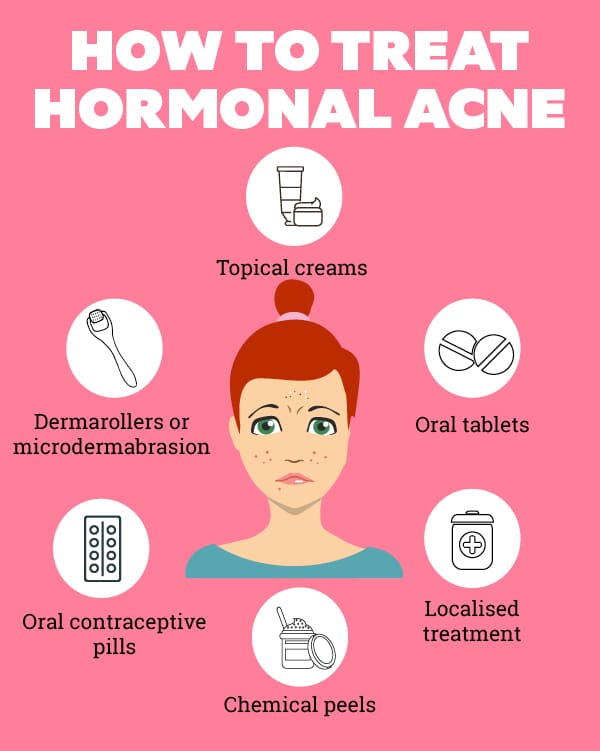
Welcome to a guide on the best practices for treating hormonal acne in women! Dealing with acne can be frustrating, especially when it seems like nothing is working. But fear not, as there are effective strategies specifically tailored for hormonal acne in women. By understanding the underlying causes and implementing targeted treatments, you can improve your skin and regain your confidence. Let’s explore some of the most recommended approaches to managing hormonal acne.
Hormonal Acne Treatment for Women
Welcome! If you’re a woman who struggles with hormonal acne, you’re not alone. Hormonal acne can be frustrating and challenging to manage, but there are effective treatment options available. In this article, we will discuss the best practices for hormonal acne treatment specifically tailored for women. Let’s dive in!
Understanding Hormonal Acne
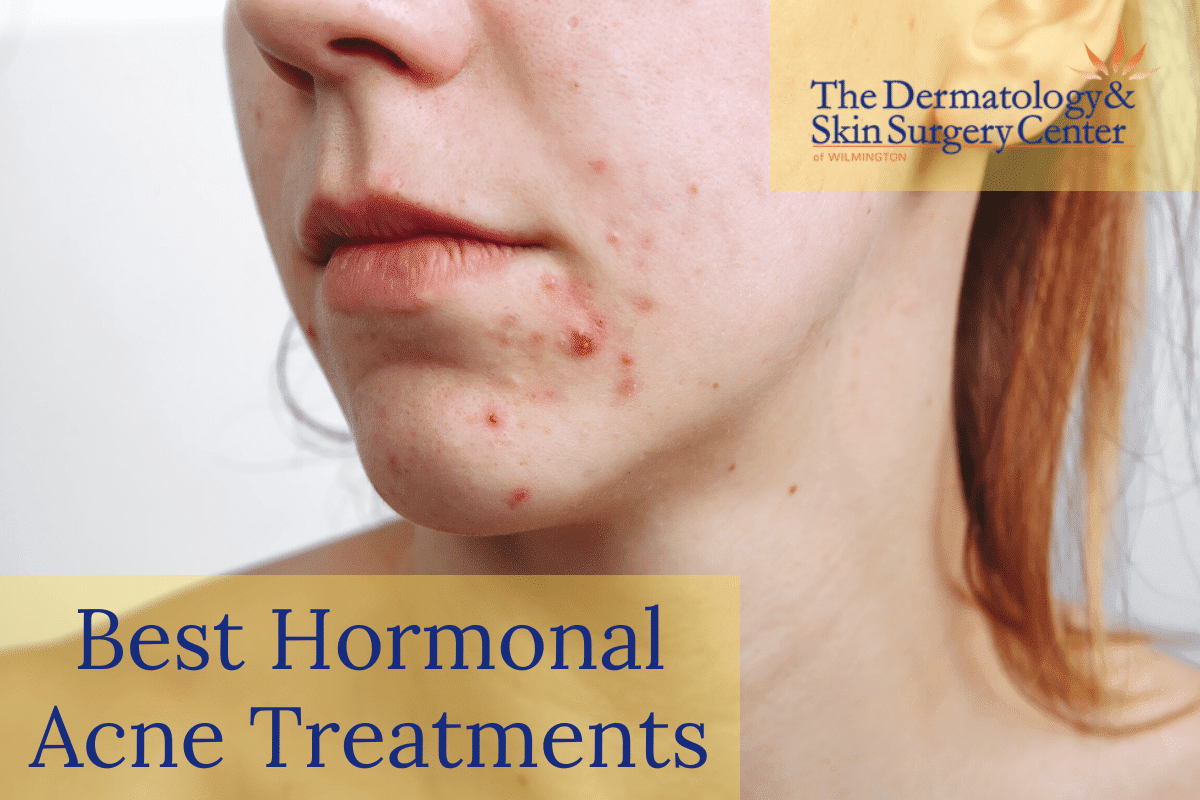
Before we discuss treatment options, it’s essential to understand what hormonal acne is and why it occurs. Hormonal acne is typically associated with hormonal fluctuations in the body, such as during puberty, menstruation, pregnancy, or menopause. These hormonal changes can trigger an increase in sebum production, leading to clogged pores and acne breakouts. Hormonal acne often appears on the lower part of the face, jawline, and chin.
Hormonal acne can be frustrating and challenging to manage, but understanding the root cause can help you better address your skin concerns.
Skincare Routine for Hormonal Acne
Having a consistent skincare routine is crucial for managing hormonal acne. A gentle yet effective skincare routine can help control oil production, unclog pores, and reduce inflammation. Here are some essential steps to include in your skincare routine:
-
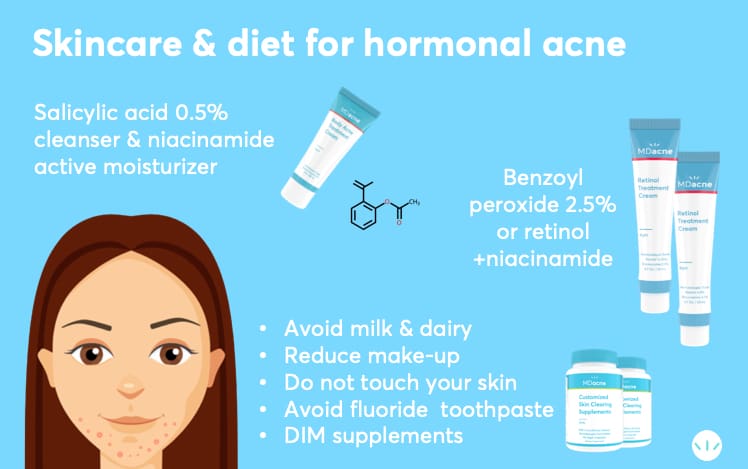
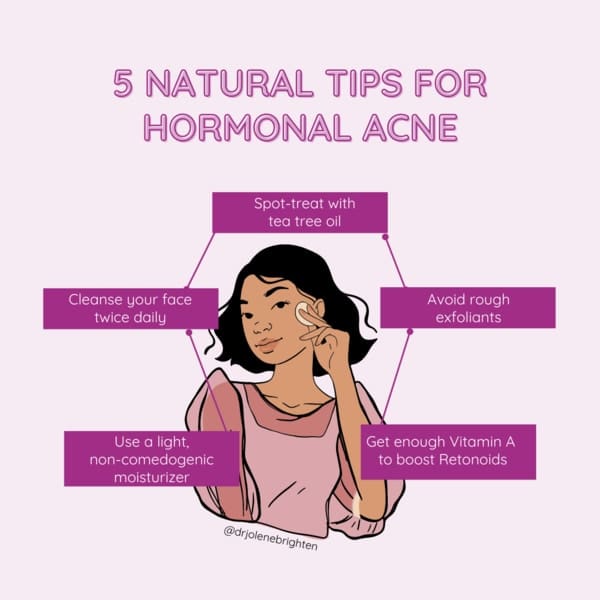
Cleansing: Use a gentle cleanser twice a day to remove dirt, oil, and makeup without stripping the skin’s natural oils.
-
Exfoliation: Incorporate exfoliation 1-2 times a week to remove dead skin cells and prevent clogged pores. Be cautious not to over-exfoliate, as it can irritate the skin.
-
Moisturizing: Use a lightweight, oil-free moisturizer to hydrate the skin without clogging pores. Keeping the skin hydrated is essential for maintaining a healthy skin barrier.
-
Sun Protection: Always apply sunscreen with at least SPF 30 daily, even on cloudy days. Sunscreen helps protect the skin from harmful UV rays and prevents post-inflammatory hyperpigmentation.
Over-the-Counter Treatments
For mild to moderate hormonal acne, over-the-counter treatments can be beneficial in managing breakouts. These products typically contain active ingredients that target acne-causing bacteria, unclog pores, and reduce inflammation. Here are some common over-the-counter treatments for hormonal acne:
-
Benzoyl Peroxide: Benzoyl peroxide is an effective ingredient that kills acne-causing bacteria and reduces inflammation. It is available in various strengths, so start with a lower concentration to prevent irritation.
-
Salicylic Acid: Salicylic acid is a beta-hydroxy acid that exfoliates the skin, unclogs pores, and reduces acne lesions. It is suitable for oily and acne-prone skin.
-
Sulfur: Sulfur has anti-inflammatory and antibacterial properties, making it an excellent ingredient for treating hormonal acne. It helps reduce redness and swelling associated with breakouts.
-
Retinoids: Retinoids are derivatives of vitamin A that promote cell turnover, unclog pores, and reduce acne lesions. They can improve skin texture and tone over time.
Prescription Treatments
If over-the-counter treatments are not providing the desired results, prescription treatments may be necessary for managing hormonal acne. A dermatologist can assess your skin condition and recommend suitable prescription medications. Here are some common prescription treatments for hormonal acne:
-
Topical Retinoids: Topical retinoids are stronger than over-the-counter retinol products and can help improve acne, reduce inflammation, and prevent new breakouts.
-
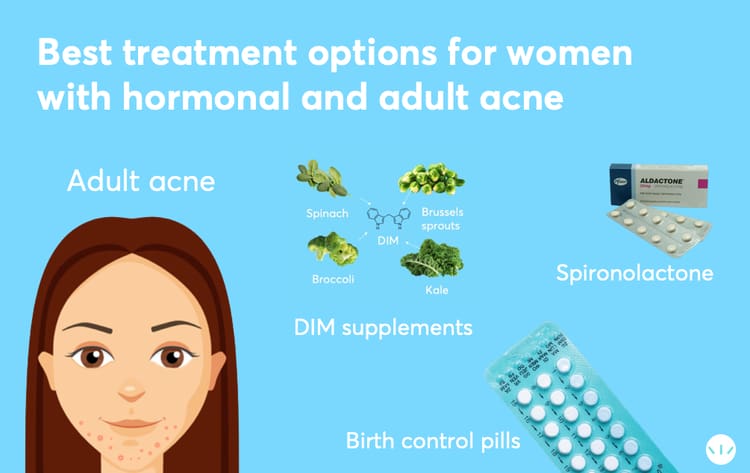
Oral Contraceptives: Birth control pills containing estrogen and progestin can help regulate hormones and reduce acne breakouts in women. It’s essential to consult with a healthcare provider to find the right birth control pill for your skin concerns.
-
Spironolactone: Spironolactone is an androgen receptor blocker that can be prescribed for women with hormonal acne. It helps regulate sebum production and reduce acne lesions.
-
Isotretinoin: Isotretinoin, also known as Accutane, is a potent oral medication prescribed for severe, cystic acne. It works by shrinking the sebaceous glands, reducing oil production, and preventing acne formation.
Hormone Testing
If you suspect that your acne is hormonally driven, consider getting hormone testing done to identify any underlying hormonal imbalances. Hormone testing can help pinpoint specific hormones that may be contributing to your acne, such as testosterone, estrogen, progesterone, DHEA-S, and cortisol. Once hormonal imbalances are identified, appropriate treatment options can be recommended to address the root cause of hormonal acne.
Lifestyle Changes for Hormonal Acne
In addition to skincare and medication, certain lifestyle changes can help manage hormonal acne and prevent breakouts. Here are some tips to incorporate into your daily routine:
-
Diet: Maintain a balanced diet rich in fruits, vegetables, whole grains, and lean proteins. Limit intake of high-glycemic foods, dairy, and processed sugars, as they can exacerbate hormonal acne.
-
Stress Management: Practice stress-reducing activities such as yoga, meditation, deep breathing, or exercise to lower cortisol levels and reduce acne flare-ups.
-
Sleep: Get an adequate amount of sleep each night (7-9 hours) to support skin regeneration and repair. Lack of sleep can increase stress hormones and worsen acne.
-
Exercise: Regular physical activity can improve circulation, reduce inflammation, and promote overall skin health. Remember to cleanse your skin after sweating to prevent pore congestion.
Professional Treatments
If you’re looking for more intensive treatment options for hormonal acne, consider professional treatments performed by a dermatologist or skincare professional. These treatments target deeper layers of the skin and can deliver faster and more visible results. Here are some professional treatments for hormonal acne:
-
Chemical Peels: Chemical peels exfoliate the skin, unclog pores, and reduce acne lesions. They can help improve skin texture, tone, and brightness.
-
Laser Therapy: Laser therapy targets acne-causing bacteria and reduces inflammation in the skin. It can also stimulate collagen production and improve acne scarring.
-
Microdermabrasion: Microdermabrasion exfoliates the outer layer of the skin, removing dead skin cells and promoting cell turnover. It can help reduce acne breakouts and improve skin texture.
Conclusion
Managing hormonal acne can be challenging, but with the right treatments and skincare routine, you can achieve clearer and healthier skin. It’s essential to be patient and consistent with your treatment plan, as hormonal acne may take time to improve. Remember to consult with a dermatologist or healthcare provider to determine the best course of action for your specific skin concerns. By incorporating a combination of skincare, medication, lifestyle changes, and professional treatments, you can effectively manage hormonal acne and restore your skin’s natural balance. You’ve got this!