In this article, we will explore the numerous effective ways in which you can support mental health. From simple actions that can make a big difference to more comprehensive strategies, we will uncover various techniques that can promote well-being and create a positive impact on individuals struggling with their mental health. So, whether you’re looking for tips to support a loved one or seeking ways to improve your own mental well-being, this article has got you covered.
Exercise and Physical Activity
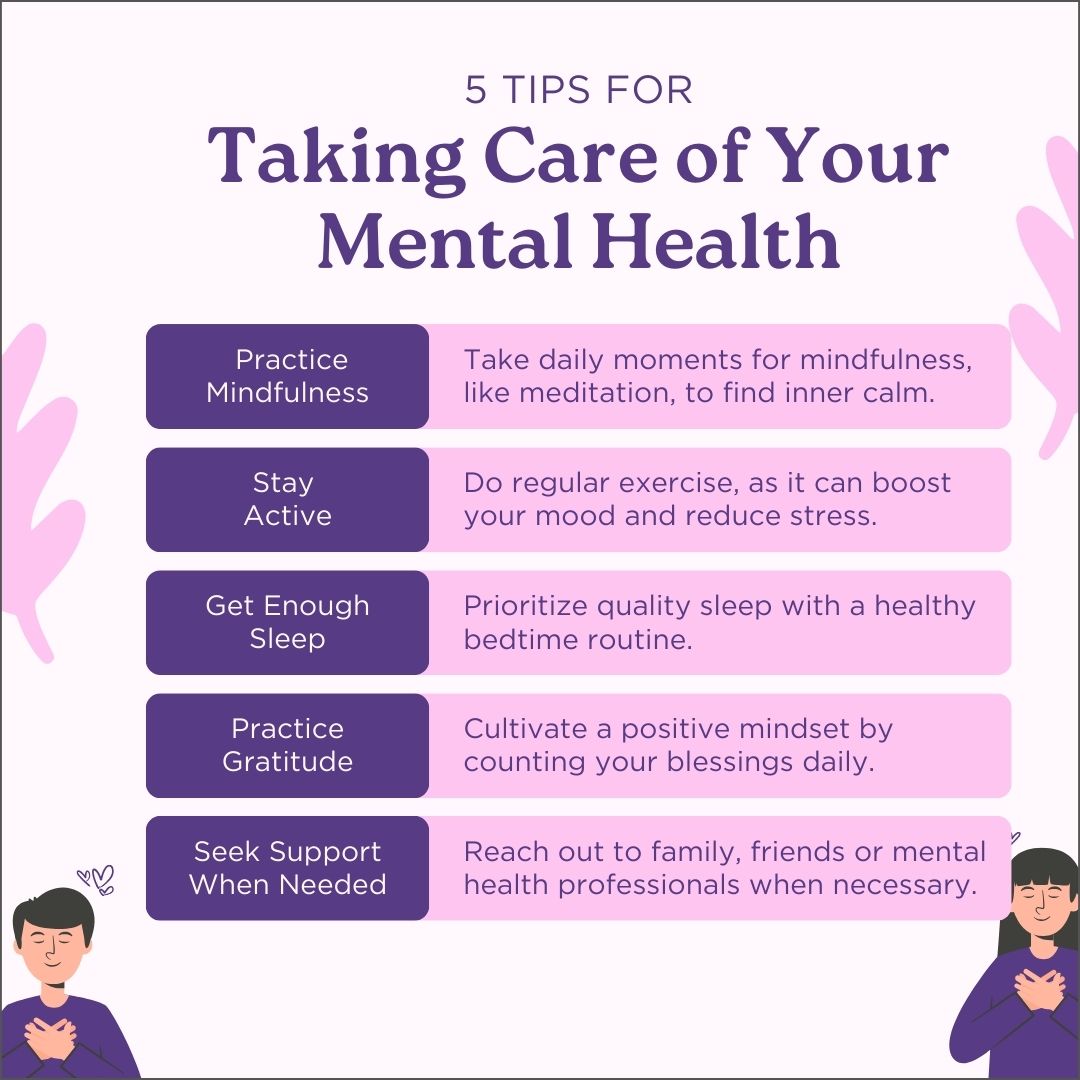
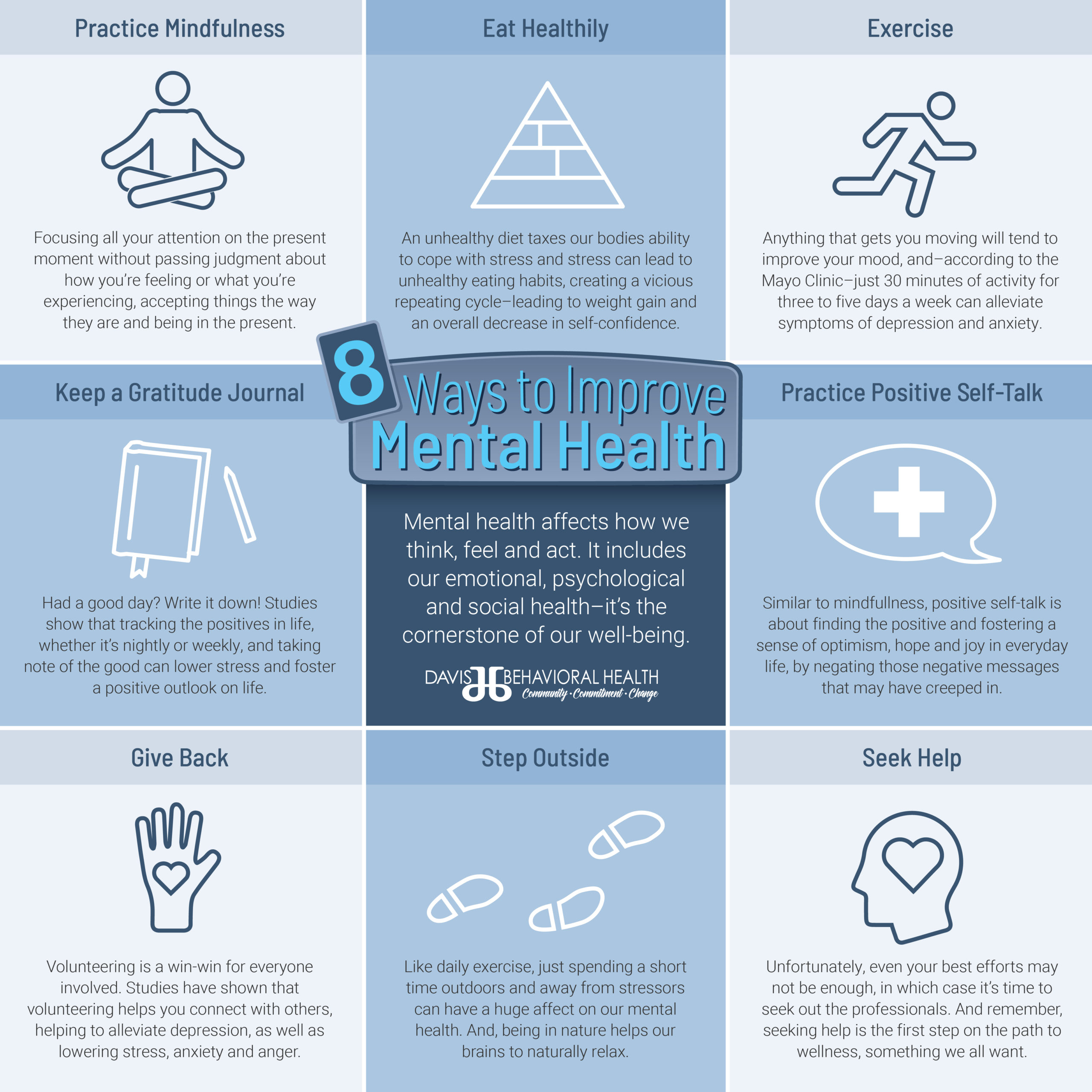
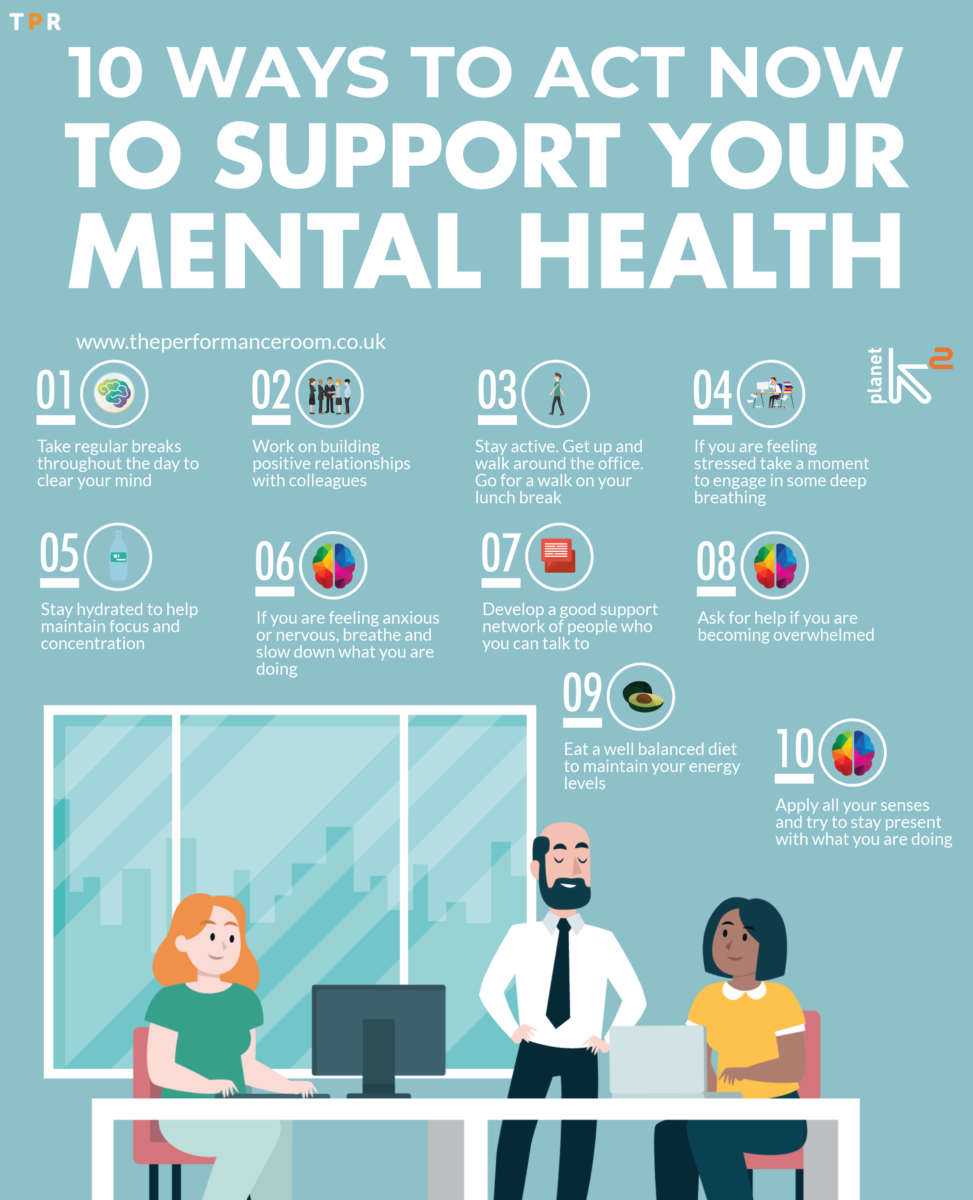
Regular exercise is not only beneficial for physical health, but it also plays a crucial role in supporting mental wellbeing. Engaging in activities such as jogging, swimming, or cycling helps increase the production of endorphins, which are natural mood boosters. Additionally, regular exercise can reduce symptoms of anxiety and depression, improve sleep quality, and enhance overall self-esteem. Make sure to find an exercise routine that you enjoy and stick to it consistently for maximum benefits.
Yoga and meditation are excellent practices for improving mental health. These activities not only help increase flexibility and physical strength but also promote relaxation and stress reduction. Yoga and meditation encourage mindfulness and provide an opportunity to connect with your body and mind. They can help calm racing thoughts, improve focus and concentration, and cultivate a sense of inner peace. Consider incorporating yoga and meditation into your routine to experience the tremendous mental health benefits they offer.
Outdoor activities offer a unique opportunity to support mental health. Spending time in nature has been proven to reduce stress, boost mood, and increase feelings of happiness. Whether it’s going for a hike, walking in the park, or simply sitting by a beach, immersing yourself in nature can have a profound impact on your mental wellbeing. Taking breaks from the concrete jungle and embracing the beauty of the natural world around you is a simple yet effective way to support your mental health.
Maintaining a Healthy Diet
Maintaining a healthy diet is crucial for both physical and mental health. A balanced and varied diet provides the essential nutrients your body and brain need to function optimally. Consuming a wide range of fruits, vegetables, whole grains, lean proteins, and healthy fats is key. These foods provide vitamins, minerals, and antioxidants that support brain health and regulate mood. Avoid excessive consumption of alcohol and caffeine, as both can disrupt sleep patterns and exacerbate feelings of anxiety and restlessness. Focus on incorporating brain-healthy foods such as fatty fish, nuts, seeds, berries, and leafy greens into your diet to nourish your body and mind.
Getting Enough Sleep
Getting enough quality sleep is vital for mental health. Establishing a bedtime routine can help signal to your body that it’s time to wind down and prepare for sleep. Engage in relaxing activities like reading a book, taking a warm bath, or practicing gentle stretching to promote a state of calm before bed. Creating a comfortable sleep environment is crucial. Ensure your bedroom is dark, quiet, and at a comfortable temperature. Invest in a supportive mattress and pillows that promote restful sleep. Avoid using electronic devices, such as smartphones or laptops, before bed, as the blue light emitted can interfere with your sleep cycle. Prioritize sleep and aim for 7-9 hours of quality sleep each night to rejuvenate your mind and support mental wellbeing.
Seeking Professional Help
Sometimes, seeking professional help is necessary to support mental health. Therapy and counseling provide a safe space to explore and address underlying emotional issues. A trained therapist can help you develop coping strategies, improve communication skills, and promote self-awareness. In some cases, medication and psychiatric treatment may be prescribed by a mental health professional. These interventions can help manage symptoms of mental health conditions and enable individuals to lead fulfilling lives. Support groups offer an invaluable sense of community, allowing individuals to connect with others who may be facing similar challenges. These groups provide a supportive environment where experiences can be shared and valuable insights can be gained.
Building and Maintaining Relationships
Building and maintaining healthy relationships is crucial for supporting mental health. Surrounding yourself with supportive friends and family members who uplift and encourage you can make a significant difference in your overall wellbeing. Regularly connect and communicate with loved ones, both in person and through phone calls or video chats. Joining social clubs or groups centered around your interests can provide opportunities to meet new people and foster meaningful connections. Volunteering and helping others not only benefits the recipients but also brings a sense of fulfillment and purpose to your own life. Nurturing positive relationships is an essential aspect of supporting mental health.
Practicing Self-Care
Practicing self-care is a vital component of maintaining good mental health. Taking regular breaks and carving out time for yourself is crucial in managing stress and preventing burnout. Engage in activities that you enjoy and that promote relaxation and self-reflection. Whether it’s reading a book, taking a leisurely walk, or indulging in a hobby, make sure to prioritize activities that bring you joy and help you recharge. Take a step back and evaluate how you’re feeling emotionally, mentally, and physically. Incorporate relaxation techniques such as deep breathing exercises, mindfulness, or yoga to promote a sense of calm and centeredness in your daily life. Remember, it’s not selfish to prioritize your own needs – taking care of yourself enables you to better support others.
.png "What Are The Best Ways To Support Mental Health?")
Managing Stress
Stress is an inevitable part of life, but it’s important to manage it effectively to support mental health. Start by identifying your personal stress triggers. Recognize situations or circumstances that consistently cause stress and try to find strategies to mitigate them. Then, develop a toolbox of stress management techniques. These can include exercise, deep breathing exercises, journaling, or engaging in creative activities. Time management skills can also play a significant role in stress reduction. Prioritize tasks, set realistic goals, and allocate time for relaxation and self-care. Managing stress effectively lowers the risk of developing mental health issues and supports overall wellbeing.
Limiting Social Media and Digital Devices
In today’s digital age, it’s essential to set boundaries with technology to support mental health. Constant exposure to social media can impact self-esteem, increase feelings of loneliness, and contribute to anxiety and depression. Set specific time limits for using social media and digital devices, and unplug regularly. Engage in offline activities that bring you joy and allow you to be fully present in the moment. Whether it’s spending time with loved ones, pursuing hobbies, or exploring nature, disconnect from the digital world to reconnect with yourself and your surroundings. By limiting your exposure to social media and digital devices, you can protect your mental wellbeing and foster a healthier relationship with technology.

Educating Yourself and Others
Education is a powerful tool for supporting mental health. Read books and articles on mental health to gain a deeper understanding of the subject. Stay up to date with the latest research and developments in the field. Additionally, attending workshops and seminars can provide valuable insights and practical knowledge on maintaining good mental health. Share your newfound knowledge with others and engage in open conversations about mental health to reduce stigma and promote understanding. By educating yourself and others, you contribute to creating a supportive and informed society that values and prioritizes mental health.
Supporting Mental Health Initiatives
Supporting mental health initiatives goes beyond personal actions – it involves advocating for change at a broader level. Consider donating to mental health organizations that provide support, resources, and education to individuals affected by mental health conditions. Get involved in advocacy efforts by supporting campaigns for policy changes that improve access to mental health services and reduce discrimination. Participate in fundraising events that raise awareness and funds for mental health initiatives. By actively supporting mental health initiatives, you contribute to creating a more inclusive and compassionate society that prioritizes the wellbeing of all its members.
In conclusion, there are numerous ways to support mental health, and it’s essential to prioritize self-care and seek help when needed. By incorporating regular exercise, maintaining a healthy diet, getting enough sleep, and engaging in activities that promote relaxation, you can enhance your overall mental wellbeing. Building and maintaining relationships, managing stress, setting boundaries with technology, and educating yourself and others are also crucial steps in supporting mental health. Remember, supporting mental health is a collective effort that requires individual actions and societal change. Let’s work together to create a world where mental health is prioritized, stigma is eliminated, and everyone can thrive.