As you age, it becomes increasingly important to prioritize your health and well-being. In this article, we will explore the key nutrients and supplements that can support healthy aging. By understanding the specific nutrients your body needs as you get older, you can make informed choices to optimize your overall quality of life. From vitamins and minerals to omega-3 fatty acids and antioxidants, this article will provide you with valuable insights on how to nourish your body and promote healthy aging. Discover the essential elements that can help you age gracefully and maintain a vibrant lifestyle.
Antioxidants
As you age, it becomes increasingly important to incorporate antioxidants into your diet to promote healthy aging. Antioxidants are substances that help protect your cells from damage caused by free radicals, which are unstable molecules that can lead to oxidative stress and chronic diseases. There are several key antioxidants that you should include in your diet, such as Vitamin C, Vitamin E, and Selenium.
Vitamin C
Vitamin C is a powerful antioxidant that helps boost your immune system and promotes the production of collagen, which is essential for maintaining healthy skin, bones, and cartilage. It also helps repair and regenerate tissues, prevents damage to DNA, and aids in the absorption of iron. You can find Vitamin C in various fruits and vegetables, such as citrus fruits, strawberries, kiwi, bell peppers, and broccoli.
Vitamin E
Vitamin E is another important antioxidant that helps protect your cells from damage and supports a healthy immune system. It also plays a role in maintaining healthy skin, eyes, and the cardiovascular system. You can find Vitamin E in foods like nuts, seeds, spinach, and fortified cereals. It is worth noting that Vitamin E is a fat-soluble vitamin, so consuming it with a source of fat can help with its absorption.
Selenium
Selenium is a trace mineral that acts as an antioxidant in the body and plays a crucial role in thyroid function, immune system health, and DNA synthesis. It also helps protect against oxidative stress and inflammation. Good dietary sources of selenium include Brazil nuts, seafood, eggs, and whole grains. However, it is important to note that excessive intake of selenium can be harmful, so it is best to obtain it from a balanced diet rather than supplements unless advised by a healthcare professional.
Omega-3 Fatty Acids
Omega-3 fatty acids are essential fats that play a vital role in maintaining heart health, brain function, and reducing inflammation. These fats are not produced by the body, so it is important to include them in your diet. There are several sources of omega-3 fatty acids, such as fish oil, flaxseed, and chia seeds.
Fish Oil
Fish oil is one of the most popular sources of omega-3 fatty acids, particularly EPA (eicosapentaenoic acid) and DHA (docosahexaenoic acid). These fatty acids have been shown to reduce inflammation, lower blood triglyceride levels, and support brain health. Fatty fish like salmon, mackerel, and sardines are excellent sources of fish oil. If you don’t consume fish regularly, you may consider taking fish oil supplements, but consult with your healthcare provider before doing so.
Flaxseed
Flaxseed is a plant-based source of omega-3 fatty acids, specifically ALA (alpha-linolenic acid). ALA is converted into EPA and DHA in the body, but the conversion process is not very efficient. Nevertheless, flaxseeds still provide many health benefits, including reducing inflammation, improving heart health, and supporting digestive health. You can add ground flaxseeds to oatmeal, smoothies, or baked goods to incorporate this nutritious ingredient into your diet.
Chia Seeds
Chia seeds are another plant-based source of omega-3 fatty acids, similar to flaxseeds. They are also rich in fiber, protein, and various minerals. Chia seeds have been shown to reduce inflammation, improve digestion, and support heart health. You can sprinkle chia seeds on top of yogurt, add them to smoothies or use them as an egg substitute in baking recipes. Just remember to soak them first to allow them to absorb liquid and form a gel-like consistency.
Calcium
Calcium is a mineral that plays a vital role in building and maintaining strong bones and teeth. As you age, your bone density tends to decrease, which can increase the risk of osteoporosis and fractures. Consuming adequate amounts of calcium can help prevent these issues. There are various dietary sources of calcium, including dairy products, leafy greens, and fortified foods.
Dairy Products
Dairy products like milk, cheese, and yogurt are well-known sources of calcium. They also provide other essential nutrients like protein, vitamins, and minerals. Opt for low-fat or non-fat versions of these dairy products to keep your saturated fat intake in check. If you’re lactose intolerant or avoid dairy for other reasons, there are many non-dairy alternatives fortified with calcium, such as almond milk, soy milk, and tofu.
Leafy Greens
Leafy greens, such as spinach, kale, and collard greens, are excellent plant-based sources of calcium. They are also rich in other nutrients like vitamin K, which is important for bone health, and fiber, which aids in digestion. Including a variety of leafy greens in your diet can help ensure you’re getting enough calcium. Remember to cook them properly to increase calcium absorption or try adding them raw to salads or smoothies.
Fortified Foods
Fortified foods are products that have nutrients added to them that are not naturally present. Many cereals, plant-based milk alternatives, and orange juice are fortified with calcium. These fortified products can be a convenient way to increase your calcium intake, especially if you have dietary restrictions or prefer non-dairy options. Check the labels to ensure you’re choosing products with added calcium.
Vitamin D
Vitamin D is crucial for maintaining healthy bones, as it helps your body absorb calcium and phosphorus. It also plays a role in immune function and cell growth. Unlike other vitamins, there are limited dietary sources of vitamin D. However, there are some ways to ensure you’re getting enough of this essential nutrient.
Sun Exposure
Sunlight is a natural source of vitamin D, as your body can produce it when your skin is exposed to sunlight. Spending time outdoors and getting adequate sun exposure, particularly during the summer months, can help boost your vitamin D levels. However, it is essential to balance sun exposure with skin protection to minimize the risk of sunburn and skin damage. Additionally, during the winter months or if you live in a location with limited sun exposure, it may be necessary to supplement with vitamin D.
Fatty Fish
Fatty fish like salmon, mackerel, and trout are excellent dietary sources of vitamin D. Consuming these types of fish regularly can help increase your vitamin D levels naturally. However, keep in mind that it is recommended to moderate your fish intake due to potential heavy metal contamination and environmental concerns. If fish is not a part of your regular diet, including other dietary sources or considering supplements may be necessary.
Fortified Foods
Similar to calcium, many food products, including milk, cereals, and bread, are fortified with vitamin D. Check the labels on these products to ensure they are enriched with vitamin D. Fortified foods can be an accessible way to increase your vitamin D intake, especially if you have limited sun exposure or dietary restrictions. However, it is important to note that fortified foods are not a sufficient source of vitamin D alone, and combining them with other sources is recommended.

Magnesium
Magnesium is a mineral that plays a role in many bodily functions, such as muscle function, nerve signaling, and protein synthesis. It is also involved in maintaining a healthy heart rhythm, regulating blood sugar levels, and supporting bone health. Including magnesium-rich foods in your diet can help ensure you’re consuming adequate amounts of this essential mineral.
Nuts and Seeds
Nuts and seeds, such as almonds, cashews, pumpkin seeds, and sunflower seeds, are excellent sources of magnesium. They are also packed with other beneficial nutrients, including healthy fats, fiber, and antioxidants. Snacking on a handful of nuts or incorporating them into meals can help boost your magnesium intake. You can also enjoy nut and seed butters as a delicious and nutritious spread.
Legumes
Legumes, including beans, lentils, and chickpeas, are not only a great source of plant-based protein but also provide a significant amount of magnesium. Including legumes in your diet can help increase your magnesium intake while benefiting from their high fiber content. Legumes can be added to soups, stews, salads, or used as a base for plant-based patties or spreads.
Whole Grains
Whole grains like brown rice, quinoa, and whole wheat products are not only a good source of dietary fiber but also contain magnesium. Choosing whole grain options over refined grains can help increase your magnesium intake while also providing other essential nutrients. Start by replacing white rice with brown rice or incorporating whole wheat flour in your baking recipes to make the most out of these nutritious grains.
B Vitamins
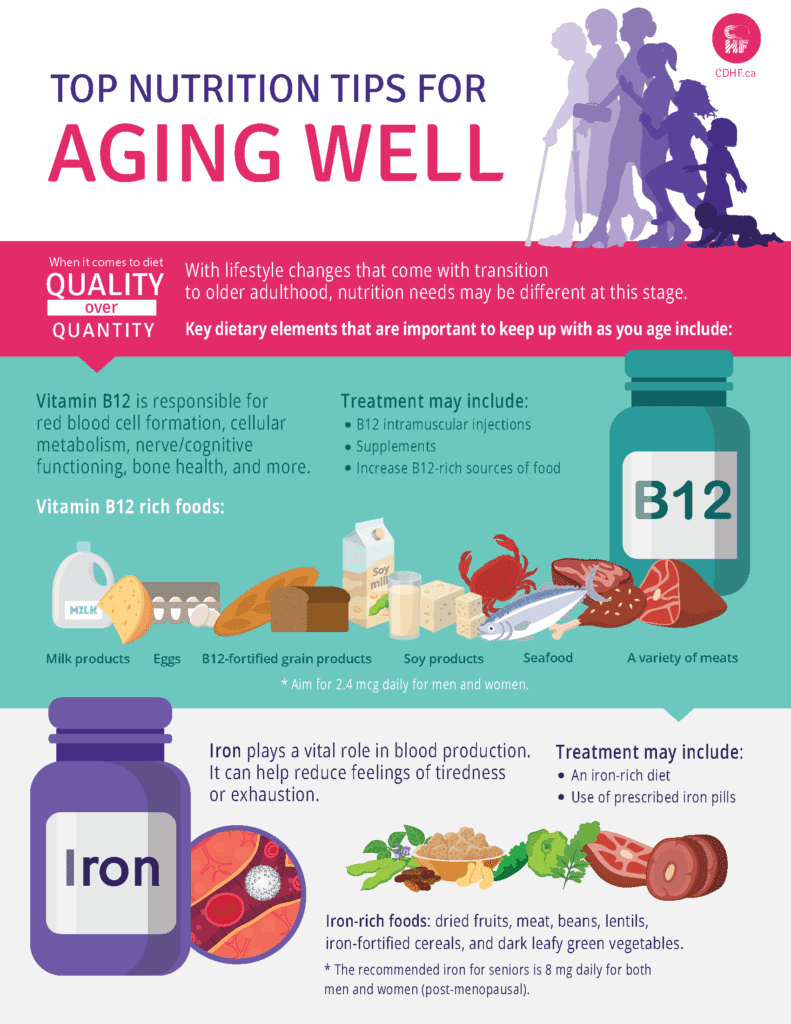
B vitamins are a group of eight water-soluble vitamins that play a crucial role in your body’s metabolism, energy production, and nerve function. They are also important for brain health, maintaining a healthy digestive system, and promoting the production of red blood cells. Each B vitamin has its specific functions and dietary sources.
B6 – Pyridoxine
Vitamin B6, also known as pyridoxine, is involved in many processes in the body, including the metabolism of proteins, carbohydrates, and fats. It is also necessary for brain development and function, immune system health, and the production of hemoglobin, which carries oxygen in red blood cells. Good dietary sources of vitamin B6 include poultry, fish, bananas, potatoes, and nuts.
B9 – Folate
Folate, also known as vitamin B9, is essential for DNA formation, red blood cell production, and healthy fetal development during pregnancy. It is particularly important for women of childbearing age to ensure adequate folate intake to prevent birth defects. Dietary sources of folate include leafy greens, citrus fruits, beans, and fortified grains. Folic acid, the synthetic form of folate, is commonly found in supplements and fortified foods.
B12 – Cobalamin
Vitamin B12, also known as cobalamin, is crucial for nerve function, the production of red blood cells, and DNA synthesis. It is mostly found in animal-based foods, making it a common nutrient of concern for vegans and vegetarians. Good dietary sources of vitamin B12 include meat, fish, dairy products, and eggs. If you follow a plant-based diet, consider taking a vitamin B12 supplement or consuming foods fortified with this essential vitamin.
Coenzyme Q10
Coenzyme Q10, also known as CoQ10, is a natural antioxidant that is found in every cell in the body. It plays a key role in energy production and acts as an antioxidant to protect cells from oxidative damage. As you age, your body’s natural production of CoQ10 decreases, making it important to obtain it through your diet.
Meat and Fish
Meat and fish, particularly organ meats like liver and heart, are excellent dietary sources of CoQ10. They also provide essential nutrients like protein, iron, and various vitamins. If you consume a balanced diet that includes meat and fish regularly, you are likely obtaining adequate amounts of CoQ10 naturally. However, if you follow a vegetarian or vegan diet, other sources of CoQ10 may be necessary.
Organ Meats
Organ meats, such as liver, heart, and kidneys, are highly concentrated sources of CoQ10. They also provide other essential nutrients like vitamins A, D, and E, as well as minerals like iron and zinc. In some cultures, organ meats are considered delicacies and are commonly used in traditional dishes. If you enjoy the taste of organ meats and they are a part of your culinary traditions, they can be a great source of CoQ10.
Nuts and Seeds
Nuts and seeds, such as peanuts, pistachios, and sesame seeds, also contain CoQ10, although in smaller amounts compared to meat and organ meats. They are still a valuable source of this antioxidant and provide other nutrient benefits as well. Incorporating a variety of nuts and seeds into your diet can help increase your CoQ10 intake while enjoying their taste and texture. Consider adding them to salads, baking recipes, or enjoying them as a snack.
Probiotics
Probiotics are beneficial bacteria that can help maintain a healthy balance in your gut microbiome. They support digestion, improve nutrient absorption, strengthen the immune system, and contribute to overall health. Consuming foods rich in probiotics can help ensure a diverse and healthy gut bacteria population.
Yogurt
Yogurt is one of the most well-known sources of probiotics. It is made through the fermentation of milk by specific strains of bacteria, which help convert lactose into lactic acid. When choosing yogurt, look for varieties that contain live and active cultures. Greek yogurt and other plain, unsweetened versions are typically better choices, as flavored yogurts may contain added sugars.
Kefir
Kefir is a fermented milk drink that contains a higher concentration of probiotics compared to yogurt. It is made using kefir grains, which are a combination of bacteria and yeast. Kefir has a tangy taste and a texture similar to yogurt, and it can be consumed plain or used as an ingredient in smoothies, dressings, or baking recipes.
Sauerkraut
Sauerkraut is fermented cabbage that is often used as a condiment or side dish. It is made by fermenting cabbage with salt, which encourages the growth of beneficial bacteria. Sauerkraut provides probiotics as well as vitamin C and fiber. However, it is important to choose unpasteurized sauerkraut, as pasteurization kills the beneficial bacteria.
Curcumin
Curcumin is the active compound found in turmeric, a spice commonly used in Indian cuisine. It has powerful anti-inflammatory and antioxidant properties. Research suggests that curcumin may help with the prevention and treatment of chronic diseases, such as heart disease, cancer, and neurodegenerative conditions.
Turmeric
Turmeric is a bright yellow spice commonly used in curry dishes. It has a warm, earthy flavor and is a key ingredient in traditional Ayurvedic medicine. Incorporating turmeric into your diet can be as simple as adding it to soups, stews, vegetables, or smoothies. However, it’s important to note that the absorption of curcumin in the body is enhanced when consumed with black pepper or fat.
Curry Powder
Curry powder is a blend of several spices, including turmeric, cumin, coriander, fenugreek, and ginger. It is commonly used in Indian, Thai, and other Asian cuisines. Curry powder provides a delicious way to enjoy the benefits of curcumin while adding flavor and depth to your dishes. Experiment with different curry powder blends to find your preferred flavor profile.
Golden Milk
Golden milk, also known as turmeric latte, is a warm beverage made with milk, turmeric, and other spices. It is often sweetened with honey or maple syrup and can be enjoyed as a soothing and nourishing drink before bed. Golden milk provides a tasty and comforting way to incorporate curcumin into your daily routine, particularly during colder months or when you need a relaxing beverage.
Resveratrol
Resveratrol is a natural compound found in certain plants, particularly in the skin of red grapes. It has gained attention for its potential anti-aging and disease-fighting properties. Research suggests that resveratrol may help reduce inflammation, protect against heart disease, and support brain health.
Red Grapes
Red grapes are a delicious and nutritious fruit that provides a natural source of resveratrol. They are not only rich in this beneficial compound but also high in antioxidants and vitamins. Including red grapes in your diet can provide a range of health benefits while satisfying your sweet cravings. Enjoy them as a snack, add them to salads, or use them to make fresh grape juice or smoothies.
Blueberries
Blueberries are another fruit known for their high antioxidant content, including resveratrol. They are packed with vitamins, minerals, and fiber, making them a nutritious and tasty addition to your diet. Snack on fresh blueberries, add them to cereals or yogurt, or use them in baked goods for a burst of flavor and health benefits.
Dark Chocolate
Dark chocolate, particularly those with a high percentage of cocoa, is a surprising source of resveratrol. Cocoa beans, the main ingredient in chocolate, naturally contain this beneficial compound. However, it is important to choose dark chocolate with a high cocoa content and minimal added sugars to reap the health benefits. Enjoy a small piece of dark chocolate as an occasional treat and savor both the flavor and potential health benefits.
Incorporating these key nutrients into your diet can support healthy aging and provide numerous health benefits. Remember to prioritize a balanced and varied diet, including a wide range of fruits, vegetables, whole grains, lean proteins, and healthy fats. You may also consider consulting with a healthcare professional or registered dietitian to ensure you’re meeting your specific nutrient needs for healthy aging. Cheers to a happy and vibrant life!