
Welcome to a helpful guide on understanding the key symptoms of Parkinson’s disease and how to effectively manage them. Parkinson’s disease can present a variety of symptoms such as tremors, stiffness, and balance problems, but with the right strategies and support, you can improve your quality of life and maintain independence. By implementing a combination of medication, physical therapy, and lifestyle changes, you can effectively manage your symptoms and continue living a fulfilling life. Let’s explore how you can take control of your Parkinson’s disease symptoms and enhance your overall well-being. What Are the Key Symptoms of Parkinson’s Disease and How to Manage Them
Have you or a loved one recently been diagnosed with Parkinson’s disease? It can be overwhelming to navigate through the various symptoms and challenges that come with this condition. In this article, we will discuss the key symptoms of Parkinson’s disease and provide tips on how to manage them effectively. From tremors to mobility issues, we will cover it all to help you better understand and cope with this neurodegenerative disorder.
Understanding Parkinson’s Disease
Parkinson’s disease is a progressive neurological disorder that affects movement. It occurs when there is a decrease in dopamine levels in the brain, leading to symptoms such as tremors, stiffness, and difficulty with balance and coordination. While there is no cure for Parkinson’s disease, there are treatment options available to help manage symptoms and improve quality of life.
What Causes Parkinson’s Disease?
The exact cause of Parkinson’s disease is still not fully understood. However, researchers believe that a combination of genetic and environmental factors may play a role in the development of the condition. Factors such as exposure to toxins, head injuries, and aging may increase the risk of developing Parkinson’s disease.
Who Is at Risk for Parkinson’s Disease?
Parkinson’s disease typically affects people over the age of 60, but it can also occur in younger individuals. Men are more likely to develop the condition than women. Additionally, having a family history of Parkinson’s disease or certain genetic mutations may increase the risk of developing the disorder.
Common Symptoms of Parkinson’s Disease
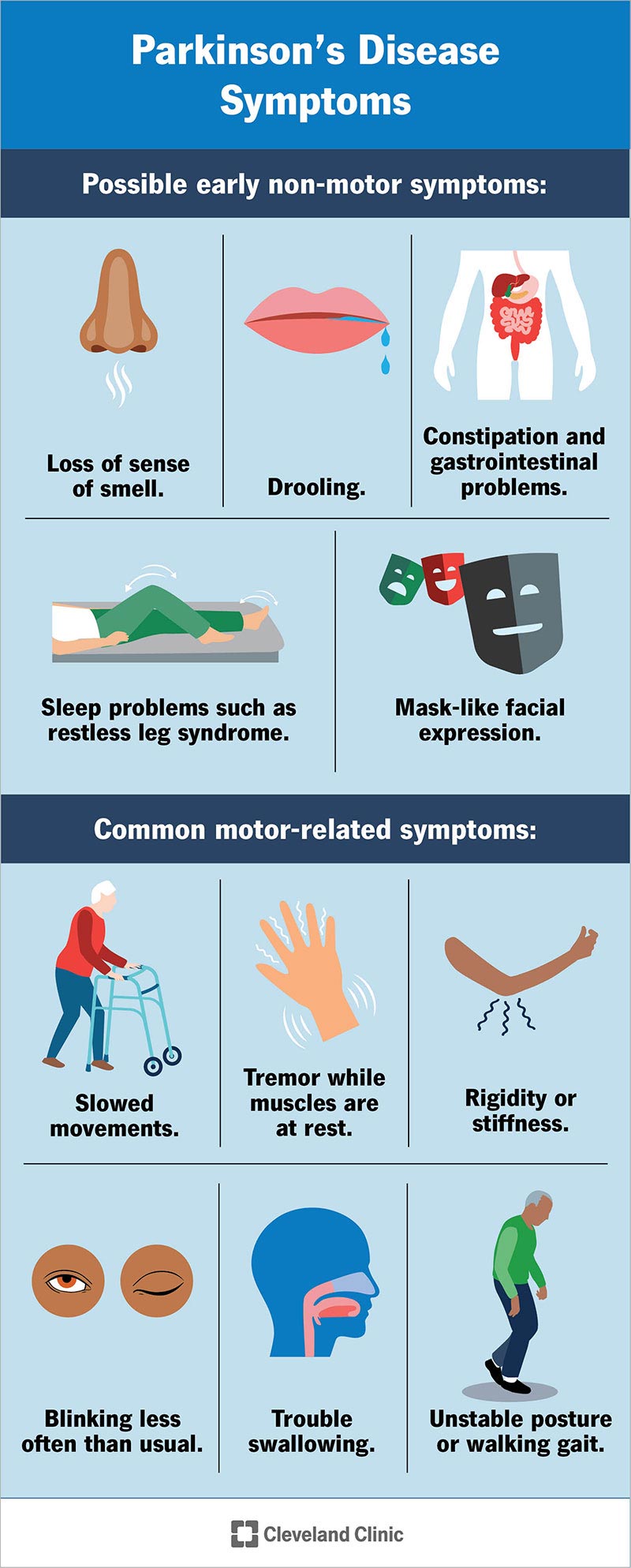
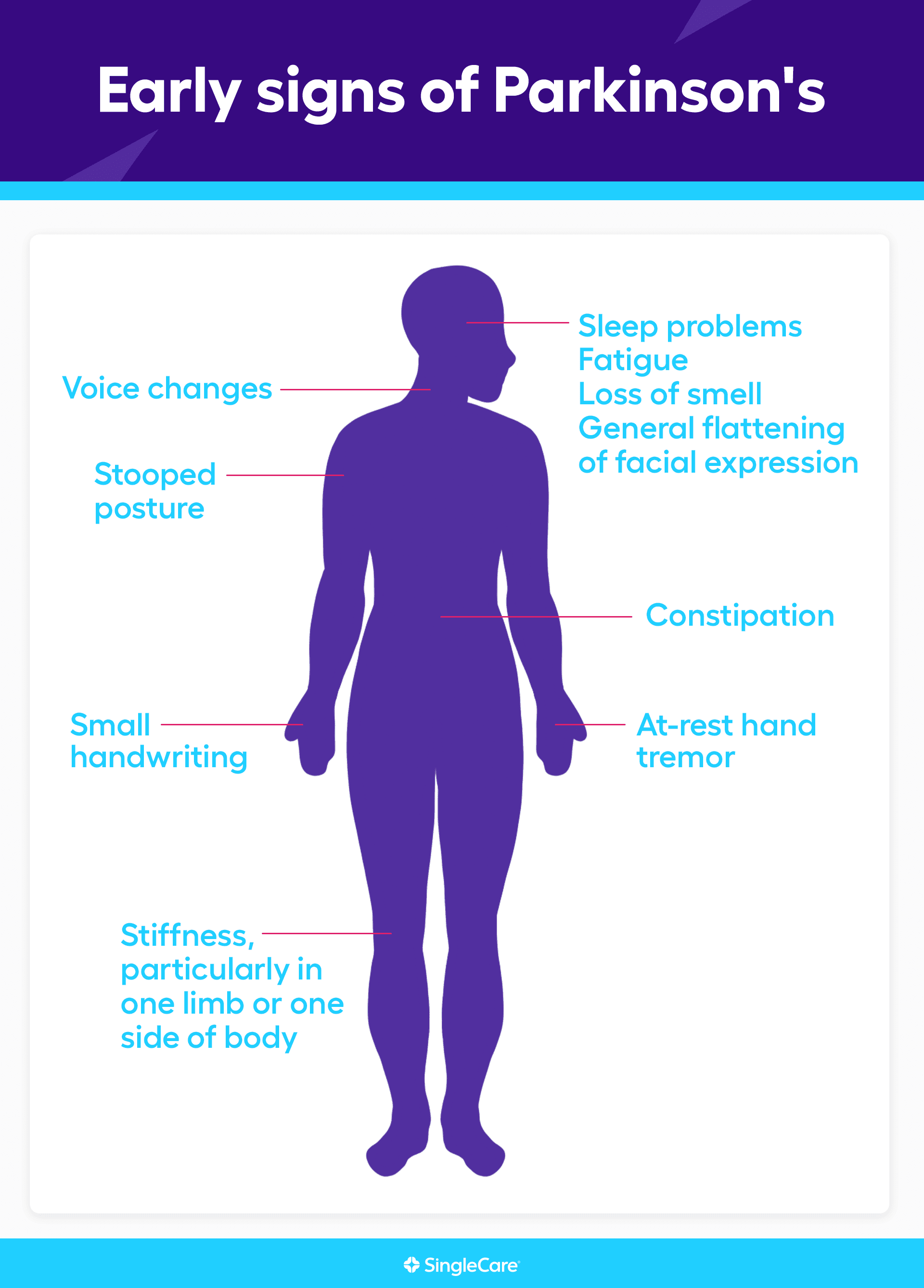
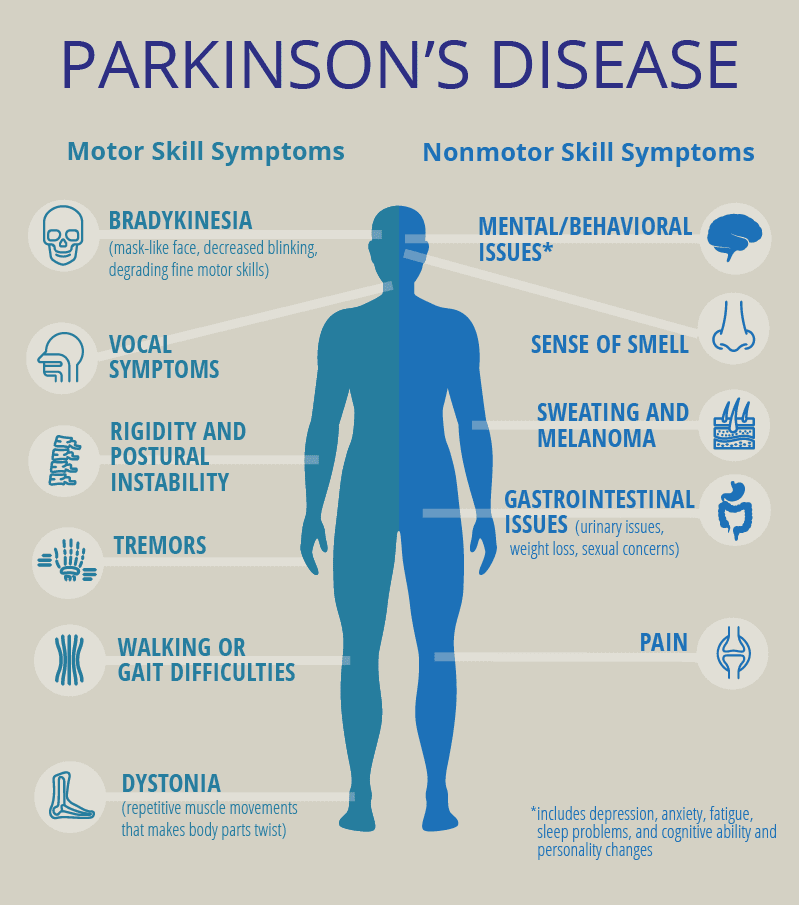
Now that we have a better understanding of what Parkinson’s disease is, let’s dive into the common symptoms associated with this condition. It is important to note that not everyone with Parkinson’s disease will experience the same symptoms, and the severity of symptoms can vary from person to person.
Tremors
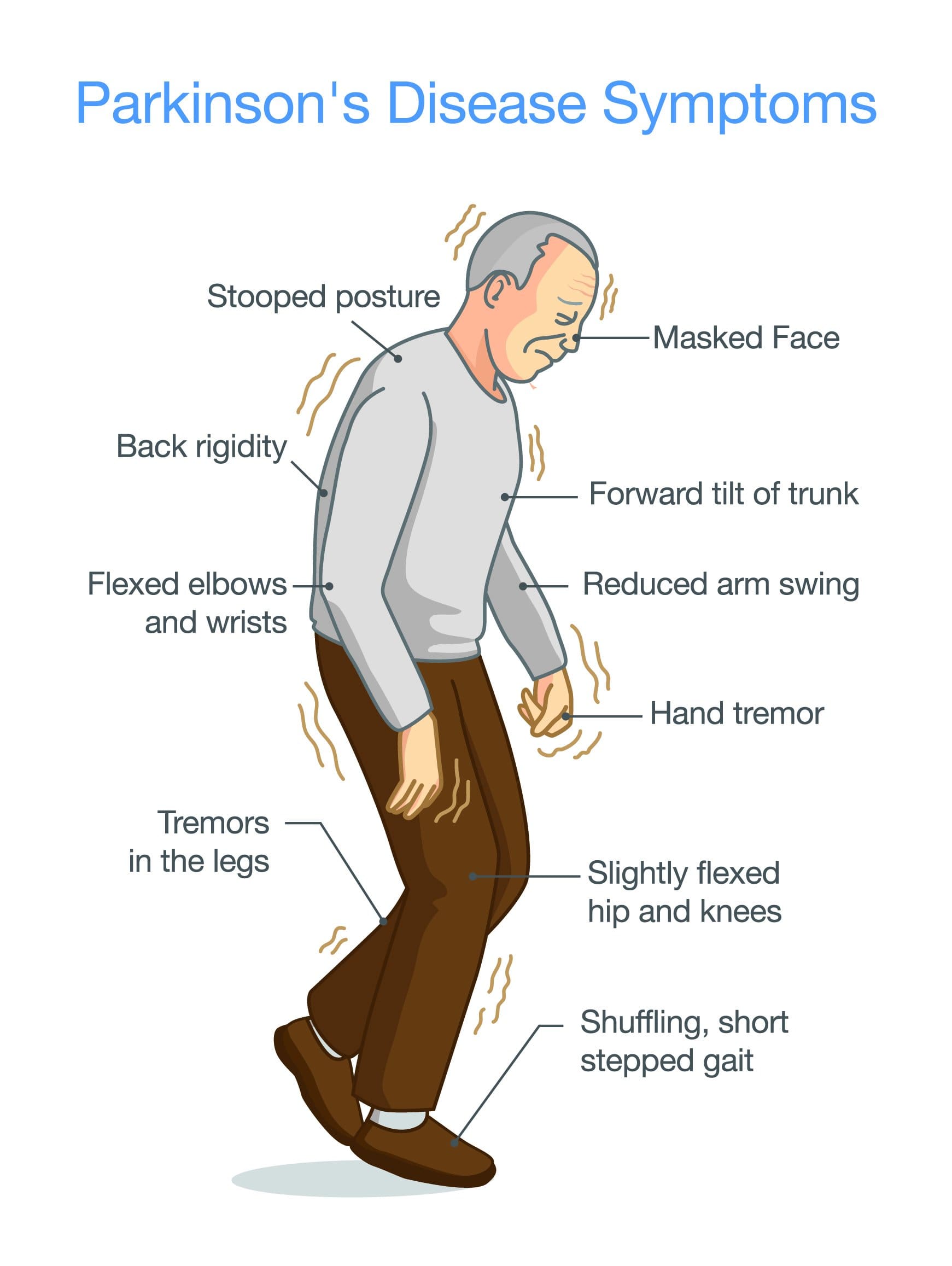
Tremors are one of the most well-known symptoms of Parkinson’s disease. These involuntary shaking movements usually occur in the hands, arms, legs, jaw, or face. Tremors may be more prominent when the affected limb is at rest and tend to decrease with purposeful movement.
Rigidity
Rigidity or stiffness in the muscles is another common symptom of Parkinson’s disease. This stiffness can make it difficult to move and can cause pain and discomfort. Rigidity often affects the arms, legs, and neck, making everyday tasks such as dressing, eating, and walking challenging.
Bradykinesia
Bradykinesia refers to slowness of movement and is a hallmark symptom of Parkinson’s disease. People with bradykinesia may have difficulty initiating movement, performing simple tasks, and walking at a normal pace. This can significantly impact daily activities and lead to a loss of independence.
Postural Instability
Postural instability is the difficulty maintaining balance and stability while standing or walking. This symptom can increase the risk of falls and injuries, especially in advanced stages of Parkinson’s disease. Postural instability often requires adaptations such as assistive devices or physical therapy to help improve balance.
Freezing of Gait
Freezing of gait is a sudden inability to start or continue walking, often feeling like your feet are glued to the floor. It can be triggered by stress, distractions, or tight spaces. Freezing of gait can significantly impact mobility and increase the risk of falls, making it important to address this symptom promptly.
Strategies for Managing Parkinson’s Disease Symptoms
While there is no cure for Parkinson’s disease, there are several strategies and interventions that can help manage symptoms and improve quality of life. From medications to exercise, it is essential to work closely with healthcare professionals to develop a comprehensive treatment plan tailored to your individual needs.
Medications
Medications are often prescribed to help manage the motor symptoms of Parkinson’s disease. Dopamine agonists, levodopa, and anticholinergics are common medications used to increase dopamine levels in the brain, improve movement, and reduce tremors and rigidity. It is crucial to work closely with your doctor to find the right medication and dosage that works best for you.
Physical Therapy
Physical therapy can be beneficial in improving mobility, balance, and overall physical function for people with Parkinson’s disease. A physical therapist can design a personalized exercise program to help strengthen muscles, improve flexibility, and enhance coordination. Regular physical therapy sessions can help maintain independence and prevent falls.
Occupational Therapy
Occupational therapy focuses on improving daily living skills and enhancing independence for individuals with Parkinson’s disease. An occupational therapist can assess your home environment, recommend assistive devices, and provide strategies to simplify tasks such as dressing, cooking, and grooming. Occupational therapy can help you maintain a high quality of life and continue to engage in meaningful activities.
Speech Therapy
Speech therapy can be beneficial for people with Parkinson’s disease who experience speech and swallowing difficulties. A speech-language pathologist can provide exercises to improve speech clarity, volume, and swallowing function. Speech therapy can help enhance communication skills and prevent complications related to swallowing difficulties.
Lifestyle Modifications for Parkinson’s Disease Management
In addition to medical interventions, making lifestyle modifications can also help manage symptoms of Parkinson’s disease and improve overall well-being. Simple changes in diet, exercise, and daily routines can have a significant impact on quality of life for individuals with Parkinson’s disease.
Healthy Diet
Maintaining a healthy diet rich in fruits, vegetables, whole grains, and lean protein is essential for overall health and well-being. Some research suggests that a Mediterranean-style diet high in antioxidants and omega-3 fatty acids may have neuroprotective effects and help reduce inflammation in the brain. Avoiding processed foods, excessive sugar, and saturated fats can also benefit brain health.
Regular Exercise
Engaging in regular physical activity is crucial for managing motor symptoms and improving mobility in Parkinson’s disease. Exercise can help strengthen muscles, improve balance, and enhance coordination. Activities such as walking, swimming, yoga, and tai chi can be beneficial for people with Parkinson’s disease. It is important to consult with healthcare professionals before starting an exercise program to ensure safety and effectiveness.
Adequate Sleep
Getting an adequate amount of sleep is important for overall health and well-being, especially for individuals with Parkinson’s disease. Sleep disturbances are common in Parkinson’s disease and can worsen symptoms such as fatigue, muscle stiffness, and cognitive impairment. Creating a relaxing bedtime routine, establishing a consistent sleep schedule, and avoiding stimulants like caffeine can help improve sleep quality.
Stress Management
Managing stress and anxiety is crucial for overall well-being in Parkinson’s disease. Stress can worsen motor symptoms and impact mood and cognition. Relaxation techniques such as deep breathing, meditation, and mindfulness can help reduce stress levels and improve emotional health. Engaging in activities you enjoy, spending time with loved ones, and seeking support from counselors or support groups can also help manage stress.
Supportive Resources for Parkinson’s Disease Management
Living with Parkinson’s disease can be challenging, but you don’t have to face it alone. There are numerous resources available to support individuals with Parkinson’s disease and their caregivers. From support groups to online forums, it is important to connect with others who understand what you are going through and can provide valuable insight and support.
Parkinson’s Disease Foundation
The Parkinson’s Disease Foundation is a nonprofit organization dedicated to improving the lives of people affected by Parkinson’s disease. They offer educational resources, advocacy efforts, and support services for individuals living with Parkinson’s disease and their families. Visiting their website can provide valuable information and resources to help you navigate through your journey with Parkinson’s disease.
Michael J. Fox Foundation for Parkinson’s Research
The Michael J. Fox Foundation is a leading organization focused on accelerating research toward a cure for Parkinson’s disease. They fund research initiatives, clinical trials, and educational programs to advance understanding of the disease and develop new treatment options. Exploring their website can help you stay informed about the latest advancements in Parkinson’s disease research and find opportunities to get involved.
Local Support Groups
Joining a local support group for Parkinson’s disease can provide a sense of community, connection, and emotional support. Meeting others who are facing similar challenges can help reduce feelings of isolation and provide valuable insights and coping strategies. Support groups often host educational events, social activities, and guest speakers to help you learn more about Parkinson’s disease and connect with others in your community.
Conclusion
Parkinson’s disease is a complex neurodegenerative disorder that can present a wide range of symptoms and challenges. By understanding the key symptoms of Parkinson’s disease and learning how to manage them effectively, you can improve your quality of life and maintain independence. From medication management to lifestyle modifications, there are numerous strategies available to help you cope with Parkinson’s disease and live well with the condition. Remember that you are not alone on this journey, and there are resources and support available to help you every step of the way. Stay informed, stay positive, and don’t hesitate to reach out for help when you need it.