

Holistic health is a concept that has gained significant traction in recent years, as more and more people are seeking a well-rounded approach to their overall well-being. It encompasses not just physical health, but also mental, emotional, and spiritual aspects. By taking a holistic approach to health, you are able to achieve a sense of balance and harmony in your life, leading to better overall health and happiness. In this article, we will explore the key principles of holistic health and how you can incorporate them into your daily life to achieve optimal well-being.
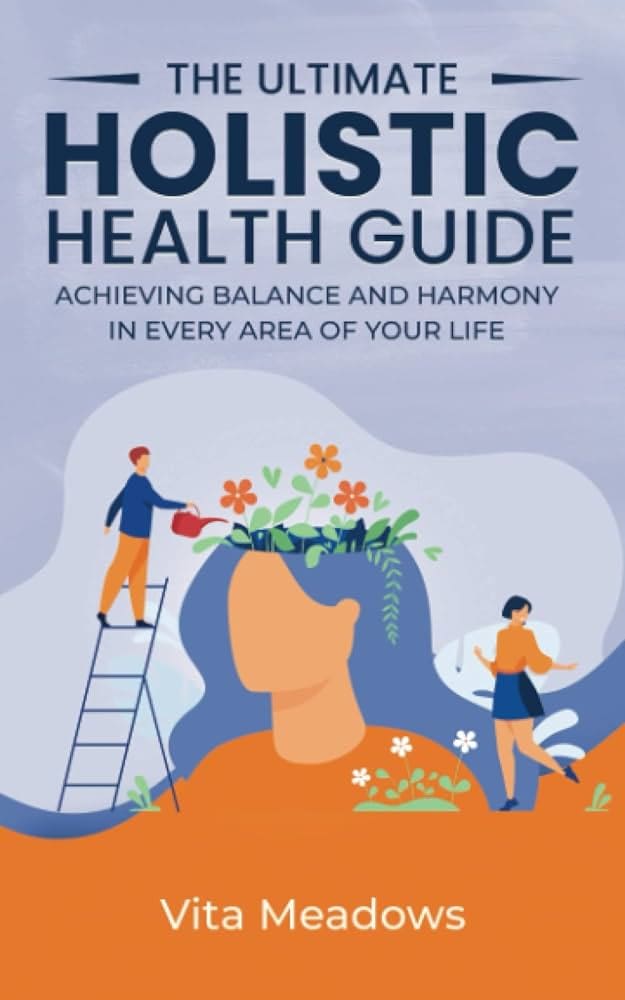
Understanding Holistic Health
Holistic health is an approach to well-being that takes into account the whole person – mind, body, and spirit. It recognizes that all aspects of our being are interconnected and influence our overall health and happiness. Rather than focusing on treating symptoms or addressing specific illnesses, holistic health aims to achieve balance and harmony in all areas of our lives. By nourishing ourselves holistically, we can experience optimal wellness and live a fulfilling life.
Definition of Holistic Health
Holistic health, also known as holistic medicine or complementary and alternative medicine, encompasses a wide range of practices and therapies that prioritize the individual as a whole. It emphasizes the importance of looking beyond surface-level symptoms and addressing underlying imbalances or root causes. Holistic health recognizes that each person is unique and therefore requires personalized care that considers their physical, mental, emotional, social, and spiritual well-being.
The Importance of Holistic Health
Taking a holistic approach to health is crucial because it acknowledges the interconnectedness of all aspects of our being. When one area of our life is out of balance, it can negatively impact other areas, leading to physical and emotional distress. By focusing on all dimensions of health, we can create harmony and achieve optimal well-being. Holistic health also promotes prevention rather than just treatment, helping to minimize the risk of illness and disease.
Physical Well-being
Physical well-being is an essential aspect of holistic health. It involves taking care of our bodies through regular exercise, healthy eating, and sufficient rest and sleep.
Exercise and Fitness
Engaging in regular exercise and physical activity is vital for maintaining physical fitness and promoting overall health. It not only helps to keep our bodies strong and flexible but also improves cardiovascular health, boosts mood, and reduces the risk of chronic conditions such as heart disease and diabetes. Find an exercise routine that you enjoy, whether it’s jogging, dancing, yoga, or swimming, and make it a regular part of your lifestyle.
Healthy Eating
Nourishing our bodies with nutritious foods is essential for maintaining optimal physical health. A balanced diet rich in fruits, vegetables, whole grains, and lean proteins provides the necessary nutrients our bodies need to function at their best. Avoid processed foods, excessive sugar, and unhealthy fats, and opt for whole, natural foods that provide sustenance and energy. Remember to listen to your body’s hunger and fullness cues and practice mindful eating for a more holistic approach to nourishment.
Rest and Sleep
Adequate rest and quality sleep are essential for the body’s recovery and repair processes. Aim to establish a regular sleep routine that allows for at least 7-8 hours of uninterrupted sleep each night. Create a relaxing bedtime routine to signal to your body that it’s time to unwind, such as reading a book, taking a warm bath, or practicing relaxation techniques. Prioritize rest as well by incorporating periods of relaxation throughout your day, whether through meditation, deep breathing exercises, or simply taking breaks to rejuvenate.
Mental and Emotional Well-being
Holistic health recognizes the importance of prioritizing mental and emotional well-being. By nurturing our minds and being aware of our emotions, we can develop resilience, cope with stress effectively, and cultivate a positive outlook on life.
Stress Management
Effective stress management is crucial for maintaining our mental and emotional well-being. Identify sources of stress in your life and develop coping strategies to alleviate them. This could include practicing relaxation techniques like deep breathing, engaging in activities that bring you joy and relaxation, such as hobbies or spending time in nature, and seeking support from loved ones or a mental health professional when needed. Remember that everyone’s response to stress is different, so find strategies that work best for you.
Emotional Awareness
Increasing our emotional awareness allows us to understand and express our feelings in healthy ways. Take the time to check in with yourself regularly and acknowledge your emotions without judgment. This can be done through journaling, talking to a trusted friend or therapist, or practicing mindfulness. Being aware of our emotions helps us identify patterns, address any unhealthy thought patterns or beliefs, and make choices that support our overall well-being.
Meditation and Mindfulness
Meditation and mindfulness practices can significantly contribute to our mental and emotional well-being. By cultivating a present moment awareness, we can better manage stress, reduce anxiety and depression, enhance focus and clarity, and foster a sense of peace and inner calm. Incorporate meditation and mindfulness into your daily routine, even if it’s just for a few minutes a day. There are various techniques and techniques available, such as guided meditation, breathwork, or body scanning, so explore and find what resonates with you.
Social Well-being
Social well-being involves nurturing healthy relationships, fostering connections, and engaging in effective communication with others. It plays a crucial role in our overall happiness and contributes to our mental, emotional, and even physical health.
Building Supportive Relationships
Cultivating supportive and meaningful relationships is essential for our social well-being. Surround yourself with people who uplift and support you, and reciprocate the same positivity to others. Engage in activities that allow you to connect with like-minded individuals, join clubs, teams, or communities. Share your experiences, seek advice, and offer support to strengthen your bonds.
Connection and Communication
Effective communication is vital for maintaining healthy relationships and fostering a sense of connection. Practice active listening, be present, and express yourself honestly and openly. Seek to understand others’ perspectives and work towards resolving conflicts constructively. Communication skills can be developed through practice and self-awareness, so make an effort to improve your communication skills and build strong connections with those around you.
Spiritual Well-being
Spiritual well-being involves finding meaning and purpose in life, exploring belief systems, and connecting with something greater than ourselves. It is a deeply personal aspect of holistic health that provides a sense of fulfillment and inner peace.
Finding Meaning and Purpose
Seeking out and embracing meaning and purpose in life is a crucial aspect of spiritual well-being. Reflect on your values, passions, and what brings you joy and fulfillment. Consider how you can align your everyday actions and choices with your core beliefs and values. Engage in activities or practices that bring a sense of purpose, whether it’s volunteering, helping others, or pursuing a career that aligns with your values.
Practicing Gratitude
Practicing gratitude cultivates a positive mindset and enhances spiritual well-being. Take time each day to acknowledge and express gratitude for the blessings in your life, whether big or small. This can be done through journaling, creating gratitude lists, or simply reflecting on the positive aspects of your day. Regularly acknowledging what you are grateful for can shift your perspective and help you appreciate the present moment.
Exploring Belief Systems
Exploring different belief systems can deepen your spiritual well-being by expanding your understanding of the world and your place in it. Whether through engaging in religious practices, exploring philosophical teachings, or connecting to nature, find avenues that resonate with you and allow you to explore your spirituality. Remain open-minded and embrace the journey of self-discovery and spiritual growth.
Preventing Illness and Disease
Taking a proactive approach to health is an integral part of holistic health. By prioritizing preventive measures and regular health screenings, we can identify potential health risks and address them before they escalate.
Health Screenings and Check-ups
Regular health screenings and check-ups play a crucial role in identifying potential health risks and detecting illnesses early on. Schedule routine appointments with healthcare professionals, including your primary care physician, dentist, and optometrist. By monitoring your health status regularly, you can take necessary steps to prevent or manage potential illnesses effectively.
Preventive Measures and Actions
In addition to regular health screenings, taking preventive measures can significantly reduce the risk of developing illnesses and diseases. Practice good hygiene by washing your hands frequently, maintaining a healthy diet and weight, staying physically active, and avoiding harmful substances such as tobacco and excessive alcohol consumption. Additionally, ensure you are up to date on vaccinations and follow recommended guidelines for immunizations.
Natural Remedies and Alternative Therapies
Holistic health often embraces natural remedies and alternative therapies that work in harmony with the body’s natural healing processes. Integrating these practices into your wellness routine can support overall health and well-being.
Herbal Medicine
Herbal medicine, also known as herbalism, uses plants and plant extracts for their medicinal properties. Herbs can be consumed in various forms, such as teas, tinctures, or capsules, to support different aspects of health. Examples of commonly used herbs include chamomile for relaxation, ginger for digestion, and echinacea for immune support. However, it’s important to consult with a qualified herbalist or healthcare professional before incorporating herbal remedies into your routine, as herbs can interact with medications or have contraindications.
Acupuncture
Acupuncture is an ancient Chinese practice that involves inserting thin needles into specific points of the body to restore the flow of energy, known as Qi. It is believed to rebalance the body and promote healing. Acupuncture has been shown to be effective in treating various physical and emotional conditions, such as chronic pain, stress, anxiety, and insomnia. When seeking acupuncture, ensure you consult a licensed acupuncturist for safe and effective treatment.
Energy Healing
Energy healing encompasses a variety of practices that work with the body’s subtle energy systems to promote balance and well-being. These practices, such as Reiki, Qi gong, and Healing Touch, involve channeling healing energy into the body to remove blockages and restore harmony. Energy healing can facilitate relaxation, reduce stress, and support the body’s natural healing abilities. If interested in energy healing, seek trained and certified energy healers to ensure safe and effective treatment.
Holistic Approaches to Illness and Healing
In holistic health, the focus shifts from solely treating symptoms to treating the whole person. This approach acknowledges that physical ailments are often intertwined with mental, emotional, and spiritual imbalances. By addressing all aspects of a person’s being, holistic approaches to illness and healing aim to restore harmony and promote well-being.
Treating the Whole Person
When faced with illness, holistic approaches consider all dimensions of health – physical, mental, emotional, social, and spiritual. Healthcare professionals who specialize in holistic medicine take into account the unique needs and circumstances of each person, providing personalized treatment plans that address the underlying causes of the illness, as well as the symptoms. This comprehensive approach may include a combination of conventional medical treatments, alternative therapies, lifestyle modifications, and emotional support.
Integrating Conventional and Holistic Medicine
Holistic health does not advocate for abandoning conventional medicine but instead encourages integration with complementary and alternative therapies. This integrated approach combines the best of both worlds, utilizing evidence-based medical treatments while also considering the benefits of holistic practices. By working collaboratively with healthcare professionals from different disciplines, individuals can benefit from a range of treatment options that cater to their specific needs and preferences.

Environment and Holistic Health
The environment we live in plays a significant role in our holistic health and well-being. Creating a healthy living space and connecting with nature can contribute to a more balanced and harmonious life.
Creating a Healthy Living Space
Our living environment can impact our physical, mental, and emotional well-being. Make conscious choices to create a clean, clutter-free, and organized living space. Use natural, non-toxic cleaning products, ensure proper ventilation, and incorporate elements that promote relaxation and comfort. Consider the impact of natural lighting, indoor plants, and soothing colors or scents on your overall well-being. Your living space should be a sanctuary that supports your health and happiness.
Connection with Nature
Connecting with nature is an essential part of holistic health. Spending time outdoors, whether it’s in a park, garden, or natural setting, can provide numerous benefits to our well-being. Engage in activities such as hiking, gardening, or simply taking a walk in nature to reduce stress, boost mood, enhance creativity, and foster a sense of awe and appreciation for the natural world. Find ways to incorporate nature into your daily life, such as bringing plants indoors, opening windows for fresh air, or creating a small outdoor space, if possible.
Holistic Health and Self-Care
Self-care is a fundamental aspect of holistic health and involves taking time for yourself and prioritizing activities that nourish and replenish your mind, body, and spirit.
Making Time for Yourself
In our fast-paced, busy lives, making time for yourself is crucial. Schedule regular moments of solitude and self-reflection to recharge and reconnect with yourself. This can be as simple as enjoying a quiet cup of tea, reading a book, taking a bath, or engaging in a hobby you love. Remember that self-care is not selfish but necessary for your overall well-being.
Prioritizing Self-Care Activities
Self-care is not a luxury but a necessity. Identify activities that promote relaxation, joy, and rejuvenation for you. This could include engaging in regular exercise, practicing mindfulness, pursuing creative outlets, spending time with loved ones, or seeking professional help when needed. Prioritize self-care activities in your daily or weekly routine to ensure you are consistently nourishing all aspects of your being.
Achieving balance and harmony with holistic health is a lifelong journey. It requires an ongoing commitment to self-care, self-reflection, and self-awareness. By embracing the principles of holistic health and incorporating them into our daily lives, we can experience improved overall well-being and live a life filled with vitality, purpose, and joy.