
Men’s health is of utmost importance, and ensuring a balanced intake of essential vitamins and minerals is key to maintaining overall well-being. This article explores the vital nutrients that every man should include in their diet, highlighting their benefits and the foods that are rich sources of these nutrients. From Vitamin D for strong bones to Zinc for boosting immune function, discover the power of these essential vitamins and minerals that play a crucial role in promoting optimal health for men.
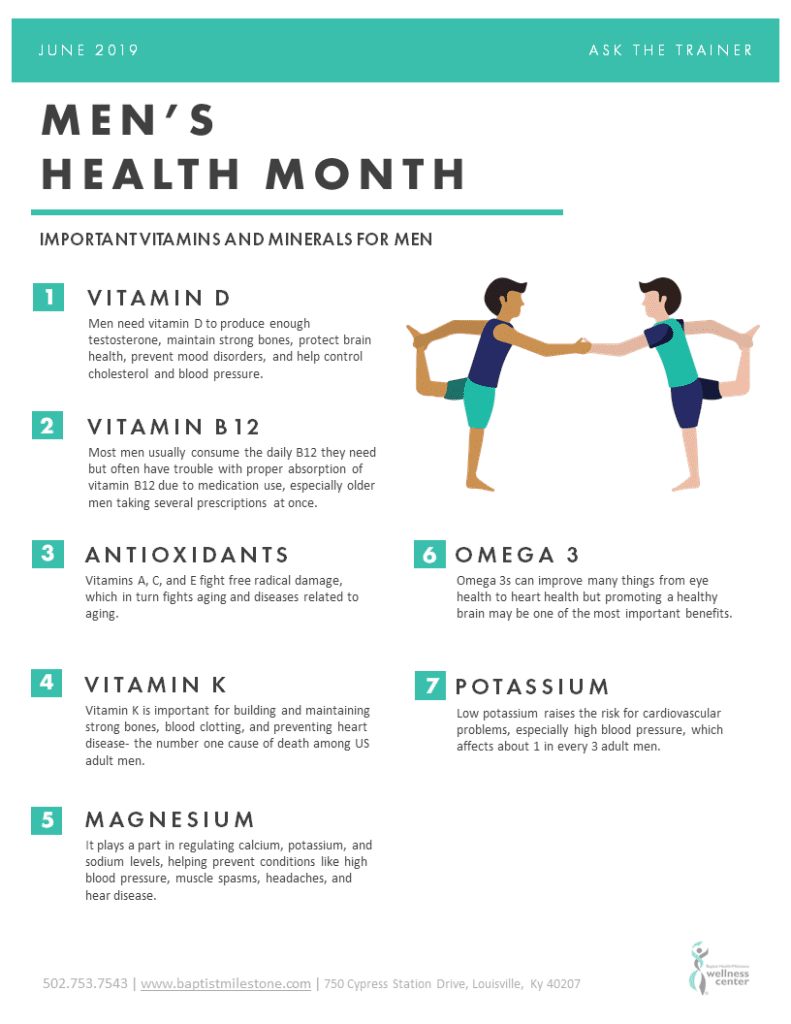
Vitamin D
Importance of Vitamin D for men’s health
Vitamin D is an essential nutrient that plays a crucial role in men’s health. It is important for maintaining strong and healthy bones, as it helps the body absorb calcium and phosphorus. Vitamin D also plays a role in supporting the immune system, muscle function, and cardiovascular health. It has also been found to have a positive impact on testosterone levels in men, which is important for overall well-being and sexual health.
Sources of Vitamin D
To ensure you are getting enough vitamin D, it is important to include sources of this nutrient in your diet. The best natural source of vitamin D is sunlight. Spending some time outdoors, especially during the early morning or late afternoon, allows your body to produce vitamin D naturally. Other sources include fatty fish such as salmon, mackerel, and sardines, fortified dairy products, eggs, and mushrooms. If you find it challenging to get enough vitamin D through your diet or sunlight exposure, supplementation may be considered under the guidance of a healthcare professional.
Recommended daily intake of Vitamin D
The recommended daily intake of vitamin D varies based on age, health status, and geographical location. The National Institutes of Health (NIH) recommend a daily intake of 600-800 IU (International Units) for most adults. However, individuals with certain health conditions or those residing in areas with limited sunlight exposure may require higher doses. It is recommended to consult with a healthcare professional to determine the appropriate vitamin D intake for your specific needs.
Vitamin C
Importance of Vitamin C for men’s health
Vitamin C is well-known for its immune-boosting properties, but its benefits for men’s health extend beyond that. As a powerful antioxidant, vitamin C helps protect cells from damage caused by harmful free radicals. It also plays a crucial role in collagen synthesis, which is essential for maintaining the health of various tissues, including blood vessels, skin, and bones. Additionally, vitamin C enhances the absorption of iron from plant-based sources, supporting overall energy levels and preventing iron deficiency anemia.
Sources of Vitamin C
Fortunately, vitamin C can be found in a wide variety of fruits and vegetables. Citrus fruits such as oranges, grapefruits, and lemons are well-known sources of vitamin C. Other excellent sources include strawberries, kiwi, papaya, pineapple, bell peppers, broccoli, and leafy greens such as spinach and kale. It is important to consume these foods in their fresh or lightly cooked form to preserve the vitamin C content, as it can be easily destroyed by heat and prolonged storage.
Recommended daily intake of Vitamin C
The recommended daily intake of vitamin C for men is around 90 mg per day. However, certain factors such as smoking, chronic illnesses, or periods of high physical or emotional stress may increase the need for vitamin C. If you are unable to meet your daily requirement through diet alone, supplementation may be considered. It is advisable to consult with a healthcare professional for personalized recommendations.
Vitamin B12
Importance of Vitamin B12 for men’s health
Vitamin B12 is essential for numerous bodily functions and is particularly important for men’s health. It plays a key role in the production of DNA and red blood cells, as well as supporting nerve function. Adequate levels of vitamin B12 are crucial for maintaining overall energy levels, cognitive function, and a healthy nervous system. It is also involved in the metabolism of fatty acids and proteins, which is important for muscle growth and repair.
Sources of Vitamin B12
Vitamin B12 is primarily found in animal-based foods. Excellent sources include meat, fish, poultry, eggs, and dairy products. For individuals following a vegetarian or vegan diet, plant-based options such as fortified cereals, nutritional yeast, and certain types of algae are available. However, it is important to note that plant-based sources may not provide sufficient amounts of vitamin B12, and supplementation or regular monitoring of blood levels may be necessary.
Recommended daily intake of Vitamin B12
The recommended daily intake of vitamin B12 for men is approximately 2.4 mcg (micrograms). It is important to note that the body’s ability to absorb vitamin B12 decreases with age, so older men may require higher doses or supplementation. If you have any concerns about your vitamin B12 levels, it is best to consult with a healthcare professional for personalized advice and testing.
Calcium
Importance of Calcium for men’s health
Calcium is a vital mineral for men’s health, as it plays a crucial role in maintaining strong bones and teeth. It is essential for bone formation and the prevention of conditions such as osteoporosis. Calcium also supports proper muscle function, including the contraction and relaxation of muscles, and contributes to the transmission of nerve signals. In addition, calcium is involved in blood clotting and plays a role in maintaining a healthy cardiovascular system.
Sources of Calcium
Dairy products are well-known sources of calcium. Milk, cheese, and yogurt are rich in this mineral. However, if you follow a dairy-free or vegan diet, there are plenty of alternative sources available. Calcium can also be found in fortified plant-based milk, tofu, almonds, sesame seeds, leafy greens like kale and bok choy, and certain types of fish such as canned salmon with bones. It is important to note that the body requires an adequate intake of vitamin D for optimal absorption of calcium.
Recommended daily intake of Calcium
The recommended daily intake of calcium for men varies with age. For most adults, including those between the ages of 19-50, the recommended intake is around 1000 mg per day. Men over the age of 50 may require slightly higher amounts, around 1200 mg per day. It is important to note that excessive intake of calcium through supplementation can have adverse effects, so it is advisable to consult with a healthcare professional to determine the appropriate intake for your individual needs.
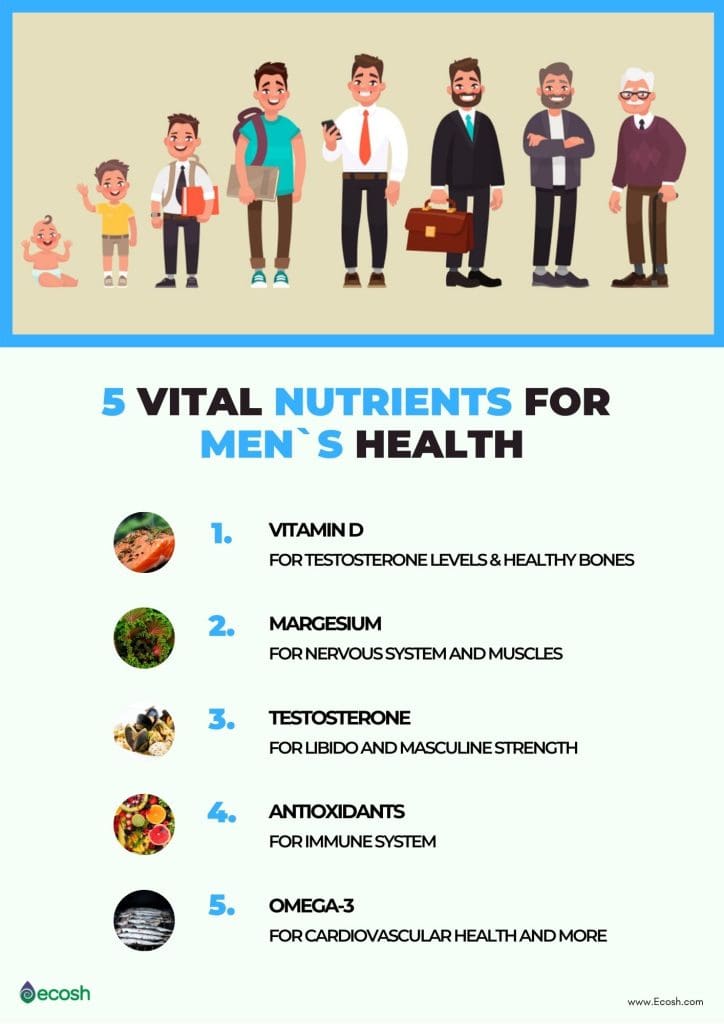
Magnesium
Importance of Magnesium for men’s health
Magnesium is an essential mineral that plays a crucial role in various aspects of men’s health. It is involved in over 300 biochemical reactions in the body and is necessary for energy production, muscle and nerve function, and maintaining a healthy immune system. Magnesium also contributes to heart health, as it helps regulate blood pressure and supports proper rhythm and contraction of the heart muscle. Additionally, magnesium is involved in testosterone synthesis and may help improve sleep quality and reduce stress levels.
Sources of Magnesium
Magnesium can be found in a wide variety of foods. Excellent sources include nuts and seeds, such as almonds, cashews, and pumpkin seeds. Whole grains, legumes, dark chocolate, leafy greens like spinach and Swiss chard, and certain types of fish like salmon and mackerel also contain significant amounts of magnesium. However, it is important to note that refining and processing foods can deplete their magnesium content, so opting for whole, unprocessed foods is recommended.
Recommended daily intake of Magnesium
The recommended daily intake of magnesium for men is around 400-420 mg for most adults. However, individual needs may vary depending on age, health status, and lifestyle factors such as physical activity and stress levels. If you are concerned about your magnesium intake or suspect a deficiency, it is advisable to consult with a healthcare professional who can assess your specific needs and provide appropriate recommendations.
Zinc
Importance of Zinc for men’s health
Zinc is an essential mineral that plays a crucial role in men’s health. It is involved in numerous physiological processes, including immune function, DNA synthesis, cell division, and wound healing. Zinc is also important for optimal testosterone production and maintaining reproductive health. It supports prostate health, sperm production, and overall sexual function. Furthermore, zinc acts as an antioxidant and helps protect cells from oxidative damage.
Sources of Zinc
Zinc can be obtained from a variety of food sources. Oysters are particularly rich in zinc, but other seafood such as crab, lobster, and mussels also contain significant amounts. Meat, poultry, whole grains, nuts, seeds, beans, and dairy products are also good sources. For individuals following vegetarian or vegan diets, it may be necessary to pay extra attention to ensure adequate zinc intake, as plant-based sources may be less bioavailable. Supplementation may be considered under the guidance of a healthcare professional if needed.
Recommended daily intake of Zinc
The recommended daily intake of zinc for men is around 11 mg for most adults. However, men with specific health conditions or lifestyle factors such as heavy exercise, stress, or alcohol consumption may require higher amounts. Excessive zinc supplementation can have adverse effects, so it is important to consult with a healthcare professional to determine the appropriate intake and monitor levels if needed.

Vitamin A
Importance of Vitamin A for men’s health
Vitamin A is an essential vitamin that plays a vital role in men’s health. It is involved in maintaining healthy vision, supporting the immune system, and promoting proper cell growth and development. Vitamin A also plays a role in the production and function of testosterone, the primary male sex hormone. Additionally, this vitamin is important for the health and maintenance of the skin, as it helps regulate oil production and supports the healing process.
Sources of Vitamin A
Vitamin A can be obtained from both animal-based and plant-based sources. Animal-based sources include liver, fish oil, and dairy products. These sources provide the active form of vitamin A, known as retinol. Plant-based sources, on the other hand, provide carotenoids, which the body can convert into vitamin A. Excellent plant-based sources of vitamin A include orange and yellow fruits and vegetables such as carrots, sweet potatoes, mangoes, and apricots, as well as leafy greens like spinach and kale.
Recommended daily intake of Vitamin A
The recommended daily intake of vitamin A for men is approximately 900-1000 micrograms of retinol activity equivalents (RAE). It is important to note that excessive intake of vitamin A, particularly in the form of supplements, can be toxic. Therefore, it is advisable to focus on obtaining vitamin A from natural food sources and consult with a healthcare professional to ensure you are meeting your specific needs.
Vitamin E
Importance of Vitamin E for men’s health
Vitamin E is a powerful antioxidant that is important for men’s health. It helps protect cells from oxidative damage caused by free radicals and contributes to the overall health of various organs and systems in the body. Vitamin E also supports immune function, acts as an anti-inflammatory agent, and plays a role in maintaining healthy skin. Furthermore, vitamin E has been associated with improved sperm quality and fertility in men.
Sources of Vitamin E
Vitamin E can be found in a variety of foods. Nuts and seeds, such as almonds, sunflower seeds, and peanuts, are excellent sources of vitamin E. Vegetable oils, including sunflower, safflower, and wheat germ oil, are also rich in this nutrient. Other sources include leafy greens, avocado, whole grains, and fortified cereals. It is important to note that cooking and processing foods can destroy some of the vitamin E content, so consuming these foods in their raw or minimally processed form is recommended.
Recommended daily intake of Vitamin E
The recommended daily intake of vitamin E for men is approximately 15 mg (22.4 IU) of alpha-tocopherol. However, individual needs may vary based on age, health status, and other factors. It is important to note that excessive vitamin E supplementation can have adverse effects and may interfere with certain medications. It is advisable to consult with a healthcare professional to determine the appropriate intake for your specific needs and to ensure proper monitoring.

Omega-3 Fatty Acids
Importance of Omega-3 Fatty Acids for men’s health
Omega-3 fatty acids are a type of polyunsaturated fat that is essential for men’s health. They are important for maintaining heart health, as they help reduce inflammation, lower triglyceride levels, and improve overall cardiovascular function. Omega-3 fatty acids also play a role in brain health, supporting cognitive function, memory, and mood regulation. Additionally, these fatty acids have been associated with improved sperm quality, fertility, and reduced risk of prostate cancer.
Sources of Omega-3 Fatty Acids
Fatty fish are the best natural sources of omega-3 fatty acids. Cold-water fish such as salmon, mackerel, tuna, and sardines are particularly rich in these beneficial fats. For individuals who do not consume fish or prefer plant-based options, flaxseeds, chia seeds, hemp seeds, walnuts, and algae-derived supplements are available. However, it is important to note that the conversion of plant-based omega-3 fatty acids into active forms in the body may be limited.
Recommended daily intake of Omega-3 Fatty Acids
The recommended daily intake of omega-3 fatty acids for men varies depending on age and health status. The American Heart Association suggests consuming at least two servings of fatty fish per week or including other omega-3-rich foods in the diet. The adequate intake of omega-3 fatty acids for total combined eicosapentaenoic acid (EPA) and docosahexaenoic acid (DHA) is approximately 250-500 mg per day. If supplementation is needed, it is advisable to consult with a healthcare professional to determine the appropriate dose and source.
Selenium
Importance of Selenium for men’s health
Selenium is an essential mineral that is important for maintaining men’s health. It acts as an antioxidant, protecting cells from oxidative damage. Selenium also plays a crucial role in supporting immune function and thyroid health. Additionally, selenium is involved in sperm production and contributes to proper reproductive system function in men. It has also been linked to reduced risk of certain cancers, including prostate cancer.
Sources of Selenium
Selenium can be found in a variety of food sources. Brazil nuts are an excellent source of selenium, providing more than the recommended daily intake in just a few nuts. Other sources include seafood, such as tuna, shrimp, and sardines, as well as poultry, beef, eggs, and dairy products. Plant-based sources of selenium include whole grains, legumes, and certain nuts and seeds. The selenium content of food can vary depending on the soil content in which the food is grown.
Recommended daily intake of Selenium
The recommended daily intake of selenium for men is approximately 55 mcg (micrograms). However, individual needs may vary depending on age, health status, and other factors. It is important to note that excessive selenium intake can be toxic, so it is advisable to focus on obtaining selenium from natural food sources and consult with a healthcare professional for personalized recommendations.
In conclusion, essential vitamins and minerals play a crucial role in men’s health, supporting various physiological processes and overall well-being. It is important to ensure a balanced and varied diet that includes sources of vitamins D, C, B12, A, E, and minerals such as calcium, magnesium, zinc, selenium, and omega-3 fatty acids. However, individual needs may vary, and it is advisable to consult with a healthcare professional to determine the appropriate daily intake based on age, health status, and specific dietary requirements. By prioritizing these essential nutrients, men can optimize their health and well-being for years to come.