Are you looking for ways to keep your mind sharp and maintain mental agility? Look no further! In this article, we will explore some key tips specifically tailored for men to enhance their cognitive abilities and keep their minds razor-sharp. Whether you’re seeking to boost your memory, improve concentration, or sharpen your problem-solving skills, these practical tips will provide you with the tools you need to stay mentally sharp and thrive in all aspects of your life. So, let’s dive right in and uncover these essential strategies for maintaining peak mental performance as a man.
Engage in Regular Physical Exercise
Exercise stimulates brain health and improves cognitive function.
Physical exercise is not only beneficial for maintaining physical health but also plays a crucial role in promoting brain health and improving cognitive function. Engaging in regular physical activity can stimulate the production of certain chemicals in the brain that enhance mood, attention, and memory. Additionally, exercise increases blood flow to the brain, facilitating the delivery of oxygen and nutrients that are vital for its optimal functioning. Research has consistently shown that individuals who engage in regular exercise have better cognitive abilities, including improved memory, faster thinking, and enhanced problem-solving skills.
Engaging in physical activity reduces the risk of developing dementia and Alzheimer’s disease.
One of the most compelling reasons to incorporate regular exercise into your routine is its potential to reduce the risk of developing dementia and Alzheimer’s disease. Studies have indicated that physically active individuals have a lower risk of cognitive decline and are less likely to develop these neurodegenerative conditions. Exercise promotes the growth and survival of new brain cells, which are crucial for maintaining brain health and preventing cognitive decline. By engaging in physical activity, you can significantly reduce the risk of cognitive impairment and ensure a healthy brain as you age.
Aim for at least 150 minutes of moderate-intensity aerobic exercise per week.
To reap the full benefits of physical exercise for your brain health, it is recommended to aim for at least 150 minutes of moderate-intensity aerobic exercise per week. This can include activities such as brisk walking, jogging, cycling, swimming, or participating in sports. Breaking it down, this translates to approximately 30 minutes of exercise on most days of the week. However, if you find it challenging to allocate a continuous block of time for exercise, it is equally effective to divide the duration into shorter sessions of 10-15 minutes throughout the day. Remember, any exercise is better than none, so finding an activity you enjoy and can sustain in the long run is key.
Maintain a Healthy Diet
Include fruits, vegetables, whole grains, lean proteins, and healthy fats in your diet.
A balanced and nutritious diet is essential for not only your physical health but also your brain health. Including a variety of fruits, vegetables, whole grains, lean proteins, and healthy fats in your diet provides your brain with essential nutrients and antioxidants that promote its optimal function. Fruits and vegetables, especially those rich in vibrant colors, are packed with antioxidants that protect brain cells from damage caused by free radicals. Whole grains provide a steady supply of energy to the brain, while lean proteins and healthy fats support the growth and repair of brain tissue.
Consume foods rich in antioxidants, omega-3 fatty acids, and vitamins B12 and D.
To further enhance your brain health, it is beneficial to focus on consuming foods that are specifically rich in certain nutrients. Antioxidants, found in berries, grapes, nuts, and dark chocolate, help reduce inflammation and protect brain cells from damage. Omega-3 fatty acids, abundant in fish, walnuts, and flaxseeds, are essential for brain health and have been linked to a reduced risk of cognitive decline. Vitamins B12 and D are also crucial for brain function, and incorporating sources like eggs, dairy products, fortified cereals, and sunlight exposure can help ensure you have adequate levels.
Limit your intake of processed foods, sugar, and unhealthy fats.
While emphasizing the importance of including nutritious foods, it is equally important to be mindful of limiting the consumption of processed foods, added sugars, and unhealthy fats. These types of foods, often found in fast food, sugary beverages, and packaged snacks, can lead to inflammation in the body and have an adverse effect on brain health. By reducing the intake of these unhealthy food choices, you can help protect your brain from oxidative stress and inflammation, lowering the risk of cognitive decline.

Get Sufficient Sleep
Aim for 7-9 hours of quality sleep per night.
Getting adequate and quality sleep is vital for overall health and well-being, including your brain function. Aim for 7-9 hours of uninterrupted sleep per night to give your brain the opportunity to rest, repair, and consolidate memories. During sleep, the brain clears out toxins, strengthens neural connections, and enhances learning and memory. By consistently prioritizing sufficient sleep, you can improve your focus, concentration, and problem-solving abilities throughout the day.
Adequate sleep enhances memory, concentration, and problem-solving skills.
Studies have consistently shown that sleep plays a crucial role in memory consolidation, learning, and cognitive performance. During the deep sleep stage, the brain consolidates and strengthens newly acquired information, thus enhancing memory retention. Sufficient sleep also improves concentration and attention span, allowing you to stay focused and perform tasks more effectively. Lack of sleep, on the other hand, can result in cognitive impairment, poor decision-making, and reduced overall cognitive function.
Establish a consistent sleep schedule and create a sleep-friendly environment.
To optimize your sleep quality and ensure a restful night’s sleep, it is essential to establish a consistent sleep schedule and create a sleep-friendly environment. Going to bed and waking up at the same time every day helps regulate your body’s internal clock, promoting better sleep patterns. Creating a comfortable sleep environment involves keeping the room cool, dark, and quiet. Avoiding electronic devices, caffeine, and stimulating activities close to bedtime can also facilitate falling asleep faster and enjoying a deeper sleep.
Challenge Your Brain
Engage in mentally stimulating activities such as puzzles, reading, or learning a new skill.
Just like physical exercise, mental exercise is crucial for maintaining cognitive vitality and preventing cognitive decline. Engaging in mentally stimulating activities keeps your brain active, improves neural connections, and helps build cognitive reserve. Puzzles, such as crosswords or Sudoku, reading books, and learning a new skill or language are excellent ways to challenge your brain. These activities promote cognitive flexibility, memory recall, and problem-solving skills, contributing to overall brain health.
Participate in social activities that involve intellectual discussions.
In addition to individual mental exercises, participating in social activities that involve intellectual discussions can provide an additional boost to your brain health. Engaging in conversations with others, debating various topics, and sharing different perspectives stimulate critical thinking and enhance cognitive abilities. Joining discussion groups, book clubs, or attending intellectual events in your community are great ways to stay mentally active while enjoying social interactions.
Continuous brain challenges help improve cognitive reserve and reduce the risk of mental decline.
The concept of cognitive reserve suggests that individuals who actively engage their brains in challenging activities build resilience against age-related cognitive decline. By continuously challenging your brain through various activities, you can develop a robust cognitive reserve, allowing you to better withstand changes and age-related declines in brain function. Embracing new experiences, pursuing intellectual interests, and maintaining an open and curious mind are essential in building cognitive reserve and reducing the risk of mental decline.

Manage Stress Effectively
Practice relaxation techniques like deep breathing, meditation, or yoga.
Stress can have detrimental effects on both your mental and physical health, negatively impacting brain function and cognition. To effectively manage stress, incorporating relaxation techniques into your daily routine can be highly beneficial. Deep breathing exercises, meditation practices, and yoga have been proven to reduce stress levels, lower blood pressure, and calm the mind. By devoting just a few minutes each day to these practices, you can promote a sense of calmness and reduce the harmful effects of chronic stress on your brain.
Engage in hobbies or activities that bring you joy and relaxation.
In addition to specific relaxation techniques, engaging in hobbies or activities that bring you joy and relaxation can also help manage stress effectively. Whether it’s painting, gardening, playing a musical instrument, or pursuing any other interest, dedicating time to activities that you enjoy can provide a sense of fulfillment and help alleviate stress. These activities create a state of flow, where you are fully immersed and absorbed in the present moment, leading to reduced stress and improved mental well-being.
Seek support from friends, family, or professionals when needed.
While practicing self-care strategies is important, it is equally essential to seek support from friends, family, or professionals when needed. Building a strong support network and having individuals you can rely on for emotional support can significantly alleviate stress and promote overall mental well-being. Talking to someone you trust, seeking guidance from a therapist or counselor, or joining support groups can provide you with the tools and resources to effectively manage stress and maintain optimal brain health.
Stay Socially Active
Maintain connections with friends, family, and your community.
Social interaction plays a vital role in maintaining cognitive function and overall mental well-being. By staying socially active and maintaining connections with friends, family, and your community, you can stimulate your brain and foster positive emotional experiences. Regular social engagement provides opportunities for intellectual discussions, sharing experiences, and building relationships, all of which contribute to a healthy and vibrant brain.
Engage in social activities and join clubs or organizations.
To stay socially active, it is beneficial to engage in social activities and join clubs or organizations that align with your interests. Participating in group activities, volunteering, or attending community events provide ample opportunities for social interaction and mental stimulation. Joining clubs or organizations that focus on hobbies, sports, or intellectual pursuits can connect you with like-minded individuals and enrich your social interactions.
Social interaction helps prevent loneliness and keeps the mind stimulated.
Loneliness and social isolation can have detrimental effects on overall well-being, including mental health and cognitive function. By actively seeking social interaction, you not only prevent loneliness but also keep your mind stimulated and engaged. Socializing promotes positive emotions, reduces stress levels, and boosts cognitive function. By maintaining strong connections, fostering meaningful relationships, and actively participating in social activities, you can safeguard your brain health and enhance your quality of life.
Stay Mentally Active
Keep learning and expanding your knowledge through books, courses, or online resources.
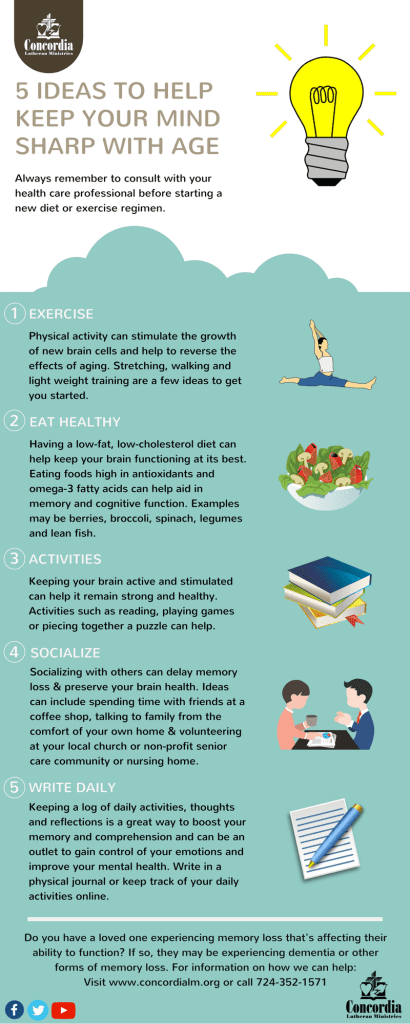
Learning should never cease, regardless of your age. Engaging in lifelong learning and continuously expanding your knowledge is a powerful way to keep your brain active and agile. Reading books on a wide range of subjects, enrolling in courses or workshops, or exploring online resources and educational platforms are great ways to challenge your mind and foster intellectual growth. By embracing a growth mindset and seeking opportunities to learn new things, you can enhance cognitive function and keep your brain sharp.
Participate in intellectual discussions and debates.
Actively participating in intellectual discussions and debates is an excellent way to exercise your critical thinking skills, broaden your perspective, and engage in stimulating conversations. Joining or initiating discussions on various topics, attending lectures or seminars, or even participating in book clubs or debate groups can provide opportunities for intellectual stimulation. These activities expose you to different viewpoints, sharpen your analytical thinking, and foster ongoing mental growth.
Seek out new experiences and embrace challenges.
To stay mentally active, it is essential to seek out new experiences and embrace challenges. Trying new activities, exploring unfamiliar territories, and stepping out of your comfort zone provide opportunities for personal growth and cognitive stimulation. Engaging in unfamiliar tasks or hobbies encourages the brain to adapt and learn, stimulating neural pathways and promoting cognitive plasticity. By continuously pushing yourself to embrace challenges and seek novelty, you can preserve and enhance your cognitive abilities.
Manage Chronic Conditions
Keep chronic conditions such as diabetes and hypertension under control.
Chronic conditions, such as diabetes and hypertension, can have a significant impact on brain health and cognitive function if left uncontrolled. Diabetes, for instance, can lead to blood vessel damage and increase the risk of cognitive decline and dementia. Similarly, high blood pressure (hypertension) can disrupt blood flow to the brain, impair cognitive function, and contribute to the development of neurodegenerative diseases. Therefore, it is crucial to manage any chronic conditions effectively through proper medical care, lifestyle modifications, and medication if necessary.
Follow your healthcare provider’s recommendations and take prescribed medications.
To effectively manage chronic conditions and promote brain health, it is essential to follow your healthcare provider’s recommendations and take prescribed medications as instructed. Regular medical check-ups, monitoring your condition, and adhering to medication schedules can help maintain optimal control of chronic conditions. Additionally, implementing lifestyle modifications, such as adopting a healthier diet, engaging in regular exercise, and managing stress, can further support the management of chronic conditions and reduce their impact on cognitive function.
Uncontrolled chronic conditions can increase the risk of cognitive decline.
By effectively managing chronic conditions, you can significantly reduce the risk of cognitive decline and related complications. Chronic conditions that are left uncontrolled can damage blood vessels, increase inflammation, and impair brain function. Consequently, the risk of cognitive decline, vascular dementia, or Alzheimer’s disease may be elevated. By prioritizing the management of chronic conditions and seeking appropriate medical care, you can safeguard your brain health and minimize the impact of these conditions on your cognitive abilities.

Limit Alcohol Consumption
Moderate alcohol consumption is defined as up to one drink per day for men.
While moderate alcohol consumption may have some health benefits, excess alcohol intake can be detrimental to brain health and cognitive function. It is important to understand the distinction between moderate and excessive alcohol consumption. Moderate alcohol consumption is defined as consuming up to one drink per day for men. This moderation is associated with a lower risk of certain cardiovascular conditions, which indirectly benefits brain health. However, it is crucial to stay within the recommended limits and not exceed moderate alcohol consumption.
Excessive alcohol consumption can lead to brain damage and cognitive impairment.
Exceeding the recommended limits of alcohol consumption can have severe negative effects on brain health and cognitive function. Heavy or excessive drinking can lead to brain damage, impair neural connections, and contribute to cognitive impairment. Chronic alcohol abuse is associated with cognitive decline, memory problems, and an increased risk of developing alcohol-related brain disorders. To maintain optimal brain health and cognitive function, it is important to drink alcohol in moderation and be aware of your limits.
If you choose to drink, do so in moderation.
If you choose to consume alcohol, it is essential to do so in moderation and be aware of the potential risks associated with excessive alcohol consumption. Respecting the recommended limits, such as up to one drink per day for men, can minimize the potential harmful effects on brain health. It is also important to be mindful of individual factors such as body weight, tolerance, and any underlying health conditions that may interact with alcohol. Practicing moderation and making informed choices about alcohol consumption is crucial for maintaining a healthy brain.
Don’t Smoke or Quit Smoking
Smoking increases the risk of cognitive decline and vascular conditions.
Smoking is not only harmful to your respiratory and cardiovascular health but also poses a significant risk to your brain health. Smoking cigarettes increases the risk of cognitive decline and vascular conditions that can impair brain function. The harmful chemicals present in tobacco smoke can lead to inflammation, oxidative stress, and damage to blood vessels, all of which can contribute to cognitive impairment and an increased vulnerability to neurodegenerative diseases.
Seek professional help or resources to quit smoking.
If you currently smoke, it is strongly recommended to seek professional help or utilize available resources to quit smoking. Quitting smoking is not easy, but it is a significant step towards improving your brain health and overall well-being. There are various methods and resources available to support smoking cessation, including nicotine replacement therapies, medications, counseling, and support groups. By reaching out for assistance, you increase your chances of successfully quitting smoking and reap the numerous benefits for your brain health.
Quitting smoking can improve brain health and overall well-being.
The decision to quit smoking can have profound positive effects on your brain health and overall well-being. Research has shown that quitting smoking can improve cognitive function, memory, and attention span. The brain, being remarkably resilient, starts to repair some of the damage caused by smoking soon after quitting. Additionally, quitting smoking significantly reduces the risk of developing vascular conditions that can impair brain function. By making the commitment to quit smoking, you are taking a proactive step towards better brain health and a healthier life.
Incorporating these key tips into your daily routine can significantly contribute to maintaining your cognitive sharpness as a man. Remember, a healthy brain is crucial for quality of life and overall well-being. Engage in regular physical exercise, maintain a healthy diet, get sufficient sleep, challenge your brain, manage stress effectively, stay socially and mentally active, manage chronic conditions, limit alcohol consumption, and don’t smoke or quit smoking. By making these positive lifestyle choices, you can promote brain health, reduce the risk of cognitive decline, and enjoy a sharp and vibrant mind throughout your life.