
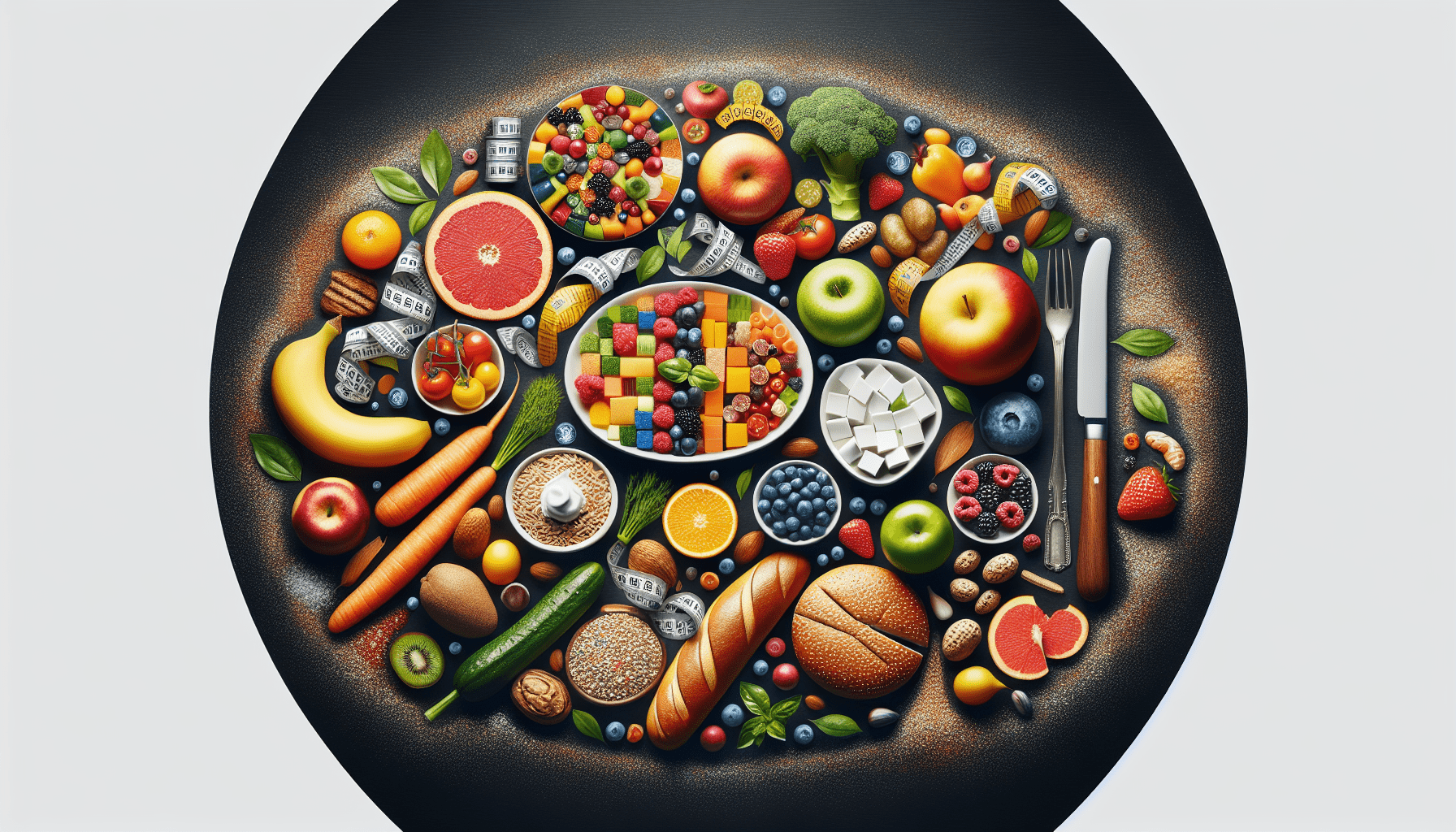
In this article, you will discover practical tips and valuable insights on how to create balanced and nutritious menus for diabetes meal planning. Whether you have recently been diagnosed with diabetes or are looking for ways to manage your blood sugar levels more effectively, understanding the importance of a well-balanced diet is key. We will explore the fundamentals of creating nutritious meals that are not only delicious but also help regulate your blood sugar levels, ensuring you feel energized and maintain good overall health. So, let’s embark on this journey together and learn how to plan meals that are diabetes-friendly and satisfying to both your taste buds and your body.
Understanding Diabetes Meal Planning
What is diabetes?
Diabetes is a chronic medical condition that occurs when the body is unable to properly regulate blood sugar levels. There are two main types of diabetes: type 1 and type 2. In type 1 diabetes, the body does not produce enough insulin, a hormone that helps regulate blood sugar. In type 2 diabetes, the body either does not produce enough insulin or becomes resistant to its effects. Meal planning is crucial in managing diabetes because it helps regulate blood sugar levels and maintain overall health.
Why is meal planning important?
Meal planning is essential for individuals with diabetes because it allows for better blood sugar control and helps prevent complications. By carefully selecting the foods you eat and considering their impact on blood sugar levels, you can achieve and maintain a healthy balance. Additionally, meal planning helps ensure you meet your nutritional needs, such as consuming adequate amounts of vitamins, minerals, and fiber. It also helps prevent overeating and promotes weight management, which is important for diabetes management.
What is a balanced and nutritious menu?
A balanced and nutritious menu for individuals with diabetes should include a variety of foods from different food groups. It should be rich in vegetables, fruits, whole grains, lean proteins, healthy fats, and low-fat dairy products. This combination of foods provides essential nutrients while minimizing the consumption of unhealthy ingredients like added sugars, unhealthy fats, and excessive sodium.
Key Considerations for Diabetes Meal Planning
Consult with a healthcare professional
Before embarking on a diabetes meal plan, it is crucial to consult with a healthcare professional, such as a registered dietitian or diabetes educator. They will take into account your individual needs, preferences, and goals, as well as any medical conditions or medications that may impact your meal planning. A healthcare professional can provide personalized guidance and support to ensure your meal plan is safe and effective for your specific situation.
Monitor blood sugar levels
Regular monitoring of blood sugar levels is important for diabetes management and meal planning. By measuring your blood sugar levels before and after meals, you can observe how different foods and portion sizes affect your blood sugar. This information can guide your meal planning decisions and help you make adjustments as needed. Monitoring blood sugar levels allows you to track your progress and make informed choices for maintaining optimal blood sugar control.
Manage carbohydrate intake
Carbohydrates have the most significant impact on blood sugar levels, so managing carbohydrate intake is essential for diabetes meal planning. Carbohydrates include sugars, starches, and fibers found in foods like bread, rice, pasta, fruits, and vegetables. Balancing your carbohydrate intake throughout the day can help keep blood sugar levels stable. It is important to choose high-quality carbohydrates that are rich in fiber and nutrients, such as whole grains, legumes, and non-starchy vegetables.
Choose nutrient-dense foods
Nutrient-dense foods provide a high amount of nutrients relative to their calorie content. When planning meals for diabetes, it is important to choose foods that are nutrient-dense to ensure you are meeting your body’s needs without excessive calories. This includes foods like fruits, vegetables, whole grains, lean proteins, and sources of healthy fats. By prioritizing nutrient-dense foods, you can optimize your overall health and well-being.
Components of a Balanced and Nutritious Menu
Vegetables and fruits
Vegetables and fruits are essential components of a balanced and nutritious menu for individuals with diabetes. They are rich in vitamins, minerals, and fiber, while being relatively low in calories and carbohydrates. Aim to include a variety of colors and types of vegetables and fruits in your meals. Non-starchy vegetables, such as leafy greens, broccoli, peppers, and tomatoes, are particularly beneficial due to their low carbohydrate content.
Whole grains
Whole grains are an important source of carbohydrates in a diabetes meal plan. They provide fiber, vitamins, and minerals, while also promoting healthy digestion and preventing spikes in blood sugar levels. Examples of whole grains include whole wheat, brown rice, quinoa, oats, and barley. When selecting grains, aim for those that are minimally processed and have a lower glycemic index to better regulate blood sugar levels.
Lean proteins
Including lean proteins in your diabetes meal plan is essential for maintaining healthy blood sugar levels and promoting satiety. Lean proteins include options like skinless poultry, fish, tofu, legumes, and low-fat dairy products. These protein sources provide important nutrients like minerals, vitamins, and amino acids without excessive amounts of unhealthy fats. Be mindful of portion sizes for proteins and opt for healthier cooking methods, such as grilling, baking, or steaming, instead of frying.
Healthy fats
While fats should be consumed in moderation, incorporating healthy fats into your diabetes meal plan is crucial for overall health. Healthy fats provide important nutrients, promote satiety, and can help improve blood sugar control. Examples of healthy fats include avocados, nuts and seeds, olive oil, and fatty fish like salmon or mackerel. When consuming fats, be mindful of portion sizes to avoid excess calorie intake.
Low-fat dairy products
Low-fat dairy products, such as skim milk, low-fat yogurt, and reduced-fat cheese, are valuable sources of protein, calcium, and other essential nutrients. When selecting dairy products, choose options that are lower in fat and added sugars. If you have lactose intolerance or prefer non-dairy alternatives, there are various dairy-free products available, such as almond milk or soy yogurt.
Sample Diabetes Meal Plans
Breakfast ideas
- A bowl of oatmeal topped with berries and a sprinkle of nuts.
- Whole wheat toast with avocado and a side of scrambled eggs.
- Greek yogurt with sliced bananas and a drizzle of honey.
Lunch ideas
- Grilled chicken salad with mixed greens, cherry tomatoes, cucumbers, and a light vinaigrette dressing.
- Vegetable stir-fry with tofu, served over brown rice.
- Whole grain wrap with lean turkey, lettuce, tomato, and mustard.
Dinner ideas
- Baked salmon with roasted asparagus and quinoa.
- Zucchini noodles with lean ground turkey and tomato sauce.
- Grilled chicken breast with steamed broccoli and sweet potato.
Snack ideas
- Apple slices with a tablespoon of almond butter.
- Carrot sticks with hummus.
- Greek yogurt with a handful of mixed nuts.
Tips for Meal Prepping and Portion Control
Plan meals in advance
Take some time each week to plan your meals in advance. This will help you stay organized, ensure you have the necessary ingredients, and prevent last-minute unhealthy food choices. Consider creating a meal plan for the entire week, including snacks, and make a grocery list accordingly. By planning ahead, you can save time and ensure you are following your diabetes meal plan.
Use portion control techniques
Portion control is critical for managing blood sugar levels and maintaining a healthy weight. Use techniques such as measuring cups, food scales, or visual cues to guide your portion sizes. Learn to recognize appropriate serving sizes for different foods, and practice mindful eating to help prevent overeating. If you need further guidance on portion control, consult with a healthcare professional or registered dietitian.
Prep meals and snacks ahead of time
Preparing meals and snacks ahead of time can save you time and ensure you have healthy options readily available. Consider batch cooking or meal prepping on weekends so that you have pre-portioned meals for the week. Additionally, chop fruits and vegetables in advance, portion out snacks into containers, and keep healthy options easily accessible. This will make it easier to stick to your diabetes meal plan, even when you’re busy or on the go.
Managing Special Dietary Preferences or Restrictions
Vegetarian or vegan meal planning
For individuals following a vegetarian or vegan lifestyle, meal planning can still be tailored to meet their dietary needs and manage diabetes. Plant-based protein sources like legumes, tofu, tempeh, and seitan can be used in place of meat or dairy products. Focus on consuming a variety of vegetables, whole grains, healthy fats, and plant-based protein sources to ensure balanced nutrition.
Gluten-free or lactose-free options
Individuals with celiac disease or gluten intolerance may need to follow a gluten-free diet, while those with lactose intolerance may need to avoid products containing lactose. Fortunately, there are many gluten-free and lactose-free options available in the market today. Whole grains like quinoa, rice, and buckwheat can be used as substitutes for gluten-containing grains, and there are various non-dairy milk alternatives available, such as almond milk or oat milk.
Low-sodium or heart-healthy meal planning
For individuals with high blood pressure or heart conditions, managing sodium intake is essential. A heart-healthy meal plan for diabetes should focus on reducing sodium and unhealthy fats, while promoting the consumption of fruits, vegetables, whole grains, lean proteins, and healthy fats. Choosing fresh, unprocessed foods, using herbs and spices for flavor instead of salt, and reading food labels for sodium content can help you achieve a low-sodium, heart-healthy meal plan.
Incorporating Exercise into Diabetes Meal Planning
Benefits of exercise for diabetes management
Including regular exercise as part of your diabetes meal plan offers numerous benefits. Physical activity helps improve insulin sensitivity, which allows for better blood sugar control. It also aids in weight management, promotes cardiovascular health, reduces stress, and improves overall well-being. Aim for a combination of aerobic exercise, strength training, and flexibility exercises to reap the full benefits.
Timing meals and exercise
The timing of meals in relation to exercise is an important consideration. It is generally recommended to eat a balanced meal or snack containing carbohydrates and protein about 1 to 3 hours before exercise to provide adequate energy. Additionally, consuming a small snack after exercise can help replenish glycogen stores and support muscle recovery. Be mindful of your blood sugar levels during and after exercise and make adjustments as necessary.
Pre- and post-exercise nutrition
Prior to exercise, consider a snack that provides a balance of carbohydrates and protein. This can include a banana with a tablespoon of nut butter or a small handful of nuts and dried fruits. After exercise, opt for a snack or meal that contains a combination of carbohydrates and protein to aid in muscle recovery. Greek yogurt with berries, a protein shake, or a balanced meal featuring lean protein and whole grains are all good choices.
Seeking Support and Resources for Diabetes Meal Planning
Registered dietitians or nutritionists
Registered dietitians or nutritionists specializing in diabetes care can provide personalized guidance and support for meal planning. They have the knowledge and expertise to help create a meal plan tailored to your specific needs, preferences, and health goals. They can also assist in monitoring your progress, adjusting your plan as needed, and providing ongoing education and support.
Diabetes support groups
Joining a diabetes support group can provide valuable emotional support and practical tips for managing diabetes. Interacting with others who share similar experiences can help you feel understood and less alone. Support groups often offer educational resources, guest speakers, and opportunities to share strategies for successful meal planning and diabetes management.
Online resources and mobile apps
The internet and mobile apps can be excellent sources of information and tools for diabetes meal planning. There are numerous websites, blogs, and apps that provide meal ideas, recipes, grocery shopping lists, and even electronic food diaries. Look for reputable sources that provide evidence-based information and always consult with a healthcare professional if you have any concerns or questions.
Making Diabetes Meal Planning a Sustainable Lifestyle
Long-term strategies for success
To make diabetes meal planning a sustainable lifestyle, it is important to focus on long-term strategies. Create a meal plan that includes a variety of foods you enjoy, so you are more likely to stick with it. Gradually incorporate changes into your routine, and celebrate small victories along the way. Over time, this will become second nature, and maintaining a healthy eating pattern will be easier.
Creating a supportive environment
Surrounding yourself with a supportive environment can greatly enhance your success in managing diabetes and meal planning. Inform your family, friends, and coworkers about your dietary needs and goals, and ask for their support. Encourage household members to join you in healthy eating and meal planning, and make your home environment conducive to healthy choices by having nutritious options readily available.
Mindful eating and enjoying meals
Engaging in mindful eating can help you fully enjoy your meals and develop a healthy relationship with food. Pay attention to your body’s hunger and fullness cues, eat mindfully without distractions, savor the flavors and textures of your food, and take time to truly enjoy your meals. By being present and mindful during mealtime, you are more likely to make conscious, healthful choices that align with your diabetes meal plan.
Conclusion
Diabetes meal planning is a vital component of managing diabetes and maintaining overall health. By understanding the principles of diabetes meal planning, consulting with healthcare professionals, and incorporating nutritious and balanced meals into your routine, you can effectively control your blood sugar levels and prevent complications. With the support of resources and by making sustainable lifestyle changes, you can empower yourself to live a healthy and fulfilling life with diabetes.