In this article, you will discover effective strategies for setting boundaries to enhance your mental well-being. By establishing clear limits and communicating them assertively, you can create a sense of control and protect your emotional health. With these techniques, you can prioritize self-care, manage stress, and foster healthier relationships. Whether it’s establishing boundaries in your personal or professional life, this article will provide you with practical tips to maintain a healthy balance and protect your mental well-being.
Recognizing the Importance of Boundaries
Understanding the concept of boundaries
Boundaries are the invisible lines that we draw in our lives to separate ourselves from others and protect our well-being. These boundaries determine what is acceptable and what is not in our relationships, interactions, and environments. They help us establish a sense of control and maintain a healthy balance between our own needs and the needs of others.
Recognizing the impact of boundaries on mental well-being
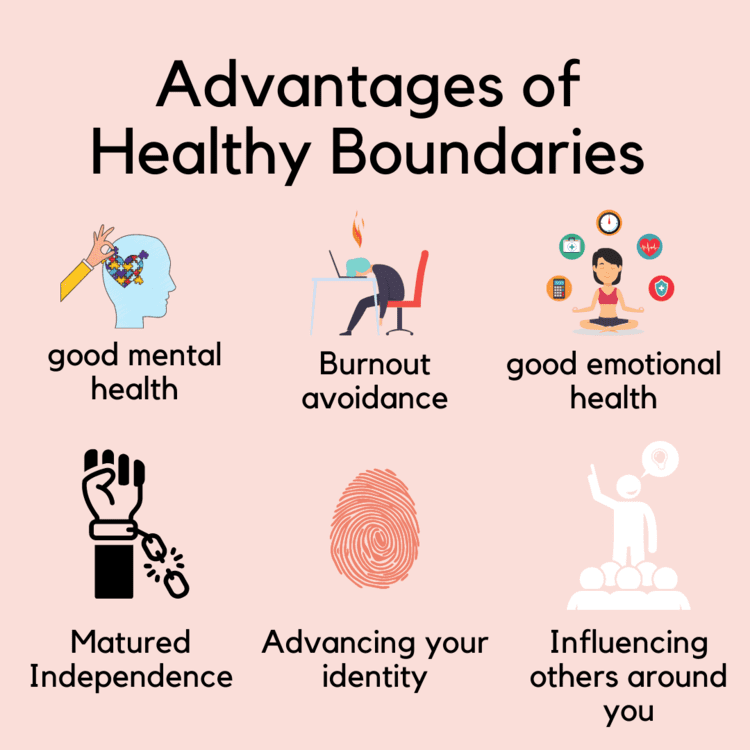
Boundaries play a crucial role in maintaining our mental well-being. When we have clear boundaries, we are better equipped to manage our emotions, set priorities, and protect our personal time and energy. Without them, we may experience overwhelm, resentment, and a constant feeling of being drained.
Why setting boundaries is crucial for mental health
Setting boundaries is essential for our mental health because it allows us to establish a sense of self-worth, maintain healthy relationships, and avoid unnecessary stress. When we set boundaries, we communicate our needs, values, and limitations to others, enabling them to understand and respect our boundaries. This promotes a healthier and more fulfilling life.
Identifying Personal Needs and Triggers
Reflecting on personal needs and desires
To set effective boundaries, it is important to reflect on our personal needs and desires. What do you value? What makes you happy? What are your priorities in life? By gaining clarity on these aspects, you will have a better understanding of what boundaries are necessary to fulfill your needs and protect your well-being.
Understanding emotional triggers
Emotional triggers are events or situations that cause a strong negative emotional response within us. They can be related to past experiences, insecurities, or vulnerabilities. Understanding your emotional triggers helps you recognize when you need to set boundaries to protect yourself from experiencing unnecessary emotional distress.
Recognizing situations that deplete mental energy
Certain situations or people can drain our mental energy, leaving us overwhelmed and exhausted. It is important to recognize these situations and identify the boundaries that will help preserve your mental energy. Whether it’s saying no to additional commitments or setting limits on the time spent with draining individuals, recognizing and acknowledging these situations is vital for your mental well-being.
Understanding Limits and Priorities
Defining personal limits and boundaries
Each person has different limits and boundaries based on their unique needs and values. It is essential to define these limits for yourself to maintain a healthy balance in your life. This may involve setting boundaries around work hours, personal space, or the amount of emotional support you provide to others. By clearly defining your limits, you can ensure that your mental well-being is not compromised.
Identifying priorities and values
Knowing your priorities and values is key to setting boundaries in line with your personal growth and happiness. Take the time to reflect on what matters most to you – whether it’s relationships, career, personal development, or health. Once you have identified your priorities and values, you can set boundaries that align with them and protect what is truly important for your well-being.
Recognizing what is important for mental well-being
Mental well-being is a top priority in life, and recognizing what is important for it allows you to establish effective boundaries. This may involve setting aside time for self-care activities, creating space for relaxation, or ensuring a healthy work-life balance. By recognizing the elements that contribute to your mental well-being, you can set clear boundaries that protect and nurture it.
Communicating Boundaries Effectively
Using assertive communication
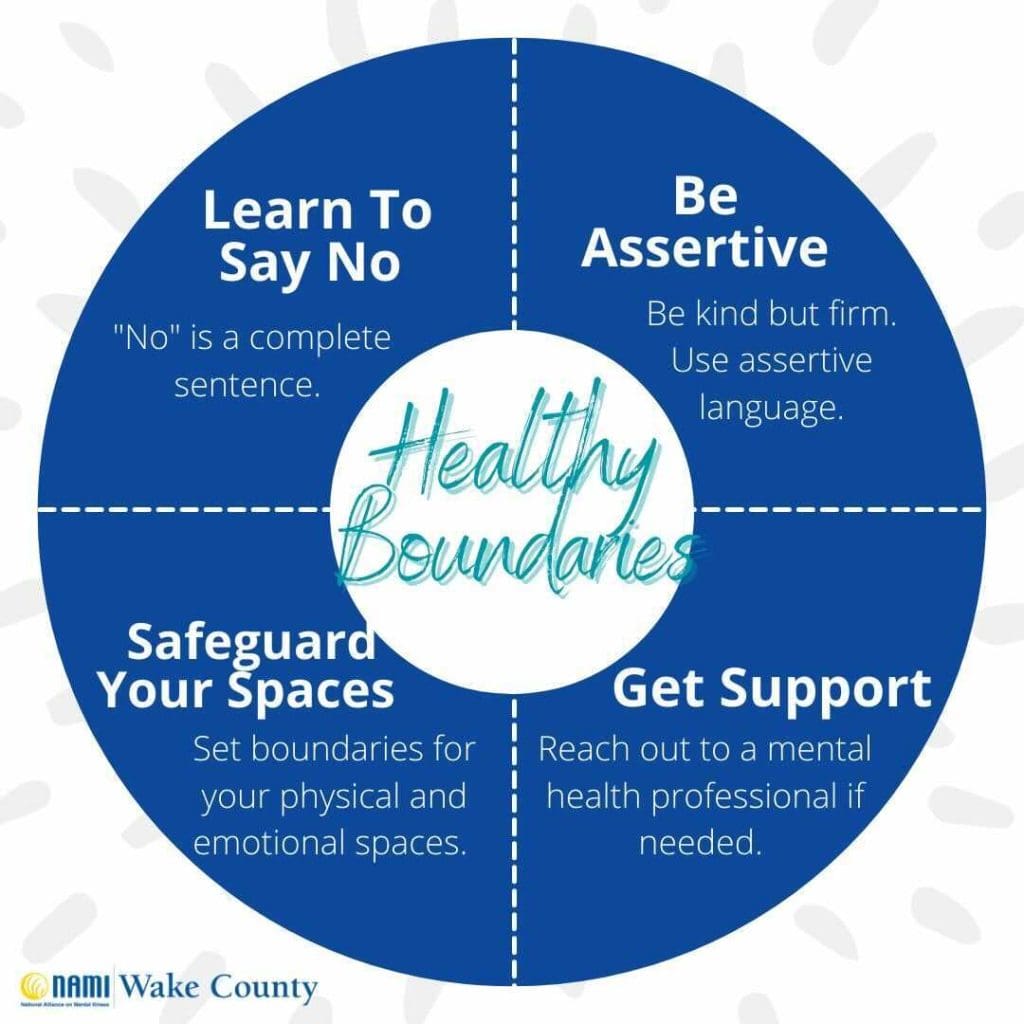
Assertive communication is essential when expressing your boundaries to others. It involves being clear, direct, and respectful while effectively communicating your needs and limitations. Practice using “I” statements, expressing your feelings, and being firm yet tactful when communicating your boundaries. This enables others to understand and respect your boundaries.
Being clear and direct about personal boundaries
To effectively establish boundaries, it is crucial to be clear and direct when communicating them to others. Avoid ambiguity or passive-aggressive behavior. Clearly state what you are comfortable with and what you are not, ensuring that you express your boundaries with confidence and assertiveness. This allows others to have a clear understanding of your needs and expectations.
Respecting others while setting boundaries
While setting boundaries is crucial for your well-being, it is equally important to be respectful of others’ boundaries as well. Remember that boundaries are a two-way street, and maintaining healthy relationships depends on mutual respect and understanding. Ensure that you are considerate and empathetic towards others’ boundaries, just as you expect them to be towards yours.
Building Self-Awareness and Self-Care Practices
Practicing mindfulness and introspection
Self-awareness is the foundation of setting and maintaining boundaries. Mindfulness and introspection help you develop a deeper understanding of your emotions, thoughts, and needs. Practice mindfulness techniques such as meditation or journaling to become more attuned to your internal states, allowing you to identify when boundaries need to be set.
Being attuned to emotional and mental states
Being in tune with your emotional and mental states enables you to recognize when your boundaries are being crossed. Pay attention to signs of stress, resentment, or emotional exhaustion. By noticing these indicators, you can take proactive steps to set the necessary boundaries and protect your mental well-being.
Implementing self-care activities
Self-care is an essential aspect of boundary-setting. Engage in activities that promote relaxation, rejuvenation, and self-nurturance. This may include hobbies, exercise, spending quality time with loved ones, or seeking professional help when needed. By prioritizing self-care, you reinforce the importance of boundaries and prioritize your mental well-being.
Recognizing and Addressing Guilt or Fear
Identifying guilt or fear associated with setting boundaries
It is common to experience guilt or fear when setting boundaries, especially if it feels unfamiliar or conflicts with societal expectations. Recognize and acknowledge these emotions when they arise. Understand that setting boundaries is necessary for your well-being and that it is not selfish or wrong to prioritize yourself.
Understanding the reasons behind guilt or fear
Guilt or fear associated with setting boundaries often stems from a fear of rejection, abandonment, or conflict. Understand that these concerns are valid, but allowing others to disregard your boundaries can have detrimental effects on your mental health. Recognize that setting boundaries is a sign of self-respect and self-preservation.
Addressing and overcoming these emotions
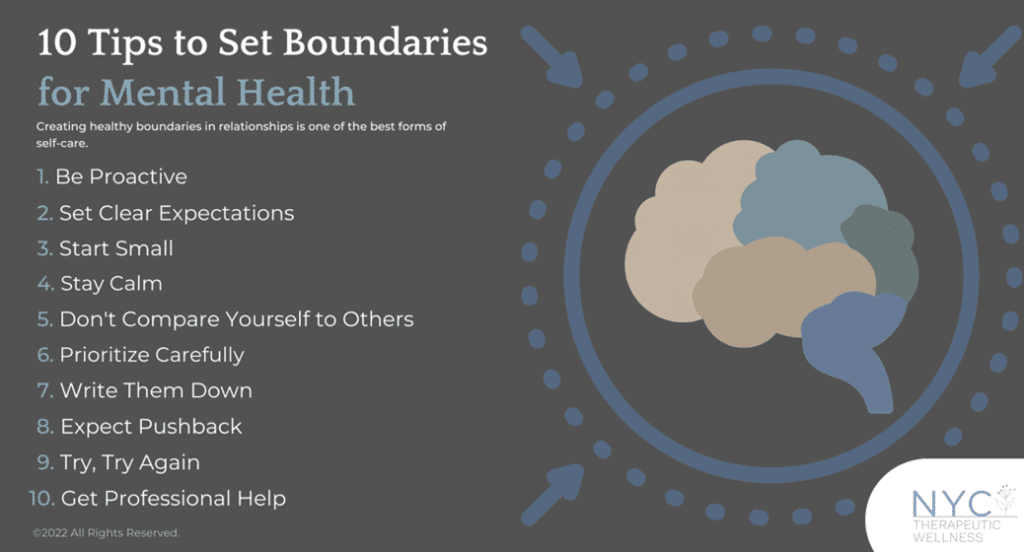
To address and overcome guilt or fear, remind yourself of the importance of boundaries for your well-being. Surround yourself with supportive individuals who validate your boundaries and provide encouragement. If necessary, seek therapy or counseling to work through these emotions and build the confidence to set and maintain healthy boundaries.
Establishing Boundaries in Relationships
Communicating boundaries with family and loved ones
Setting boundaries with family and loved ones can be challenging but necessary for maintaining healthy relationships. Clearly express your needs, limitations, and expectations to your loved ones. Keep in mind that they may require time to adjust to the new boundaries, but open and honest communication will help foster understanding and respect.
Negotiating boundaries in romantic relationships
In romantic relationships, it is crucial to establish and negotiate boundaries that respect the needs and desires of both partners. Have open and honest conversations about your expectations and limitations. Find common ground and create mutually agreed-upon boundaries that strengthen the relationship while promoting each individual’s mental well-being.
Setting boundaries with friends and acquaintances
Even in friendships and casual acquaintanceships, setting boundaries is important. Communicate your needs, limitations, and personal values to your friends and acquaintances. Be assertive in expressing what you are comfortable with and what you are not. True friends will respect and appreciate your boundaries, while others may reveal themselves as incompatible with your well-being.
Creating Physical and Digital Boundaries
Establishing boundaries in physical spaces
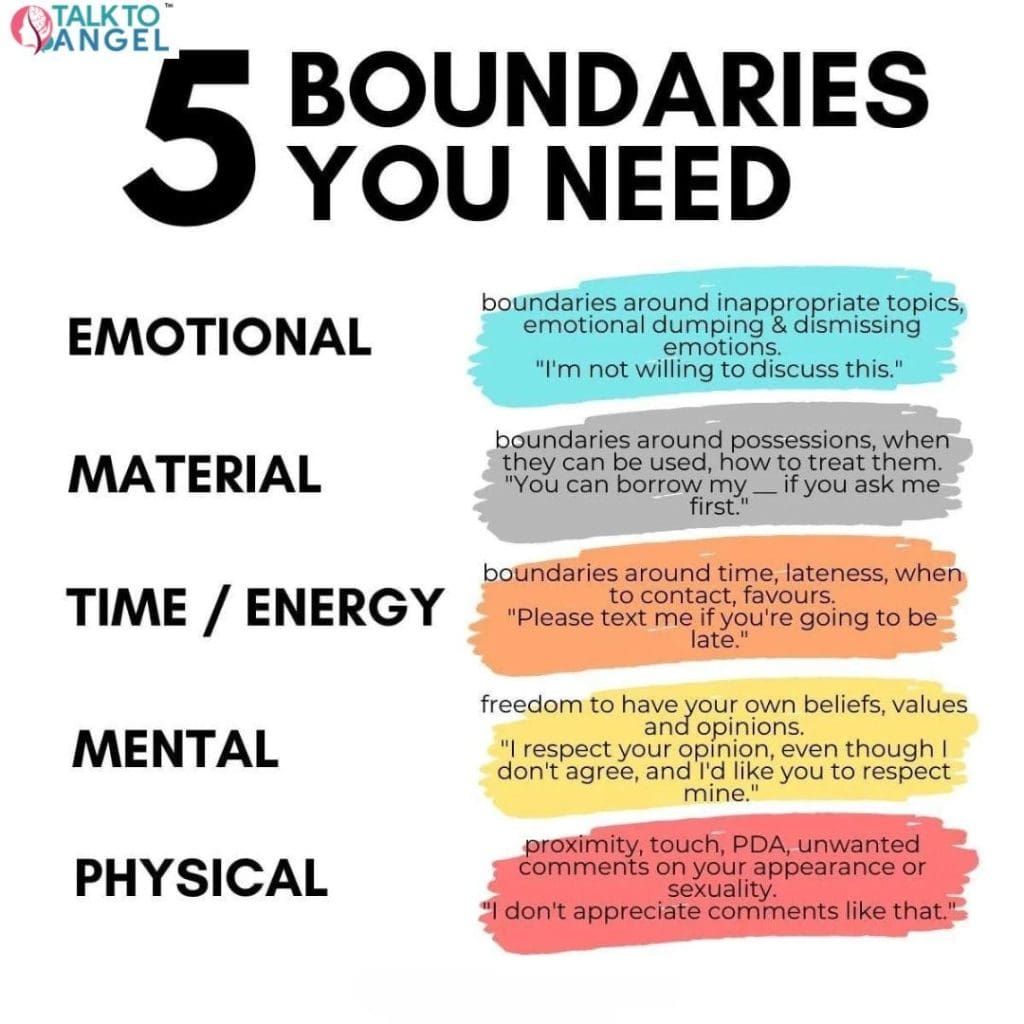
Boundaries in physical spaces are essential for creating a sense of safety, privacy, and comfort. Clearly communicate your needs for personal space, quiet time, or certain physical boundaries to those around you. Whether it’s at work or at home, setting physical boundaries allows you to have a space where you can recharge and feel at ease.
Maintaining a healthy balance with technology and social media
Technology and social media can significantly impact our mental well-being if not used mindfully. Establish boundaries around your usage of technology and social media platforms. Set limits on screen time, establish digital-free zones or hours, and practice mindfulness when engaging with technology. By doing so, you can prevent it from becoming overwhelming or addicting.
Implementing digital detox and boundary-setting
Occasionally, it may be necessary to take a break from technology and practice a digital detox. Set periods of time where you disconnect from devices completely. Use this time to engage in other activities, connect with nature, or simply relax and recharge. By implementing digital detox and boundary-setting, you can regain control over your time and mental energy.
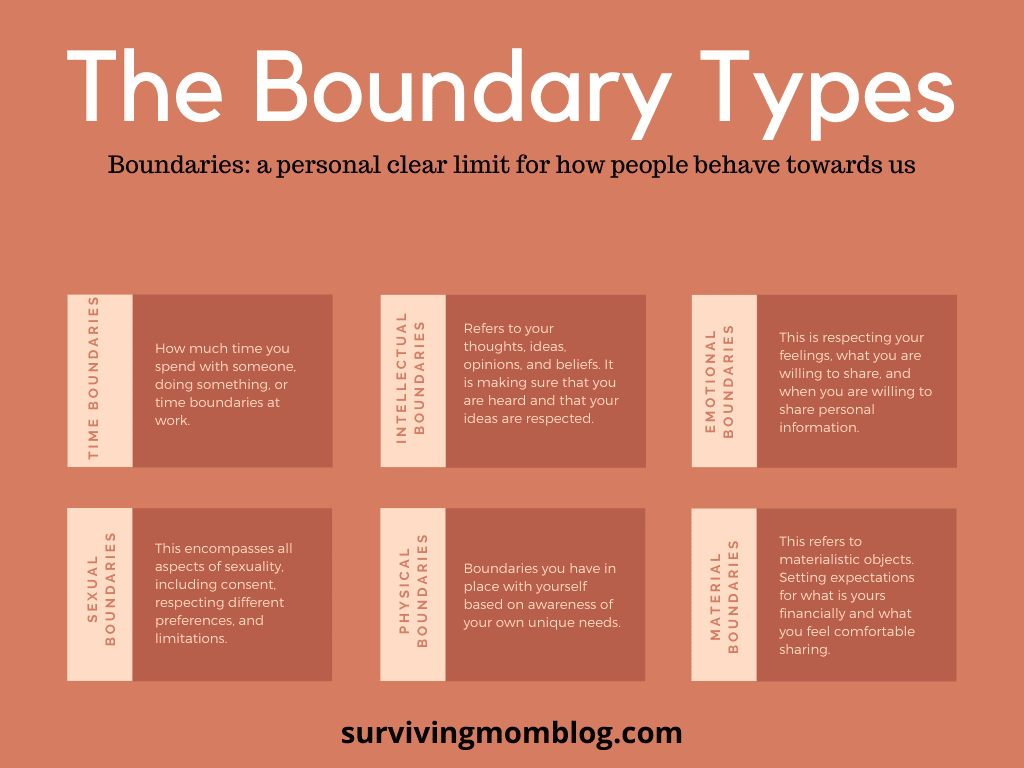
Respecting Personal Time and Energy
Setting aside dedicated personal time
Personal time is essential for recharging, pursuing hobbies, or engaging in activities that bring you joy. Set aside dedicated personal time regularly and treat it as a non-negotiable appointment with yourself. Use this time to relax, reflect, or engage in activities that nourish your mind, body, and soul.
Prioritizing rest and relaxation
Rest and relaxation are fundamental components of maintaining good mental health. Prioritize getting sufficient sleep, incorporating relaxation techniques such as deep breathing or meditation, and allowing yourself guilt-free downtime. By valuing rest and relaxation, you create a foundation for improved mental well-being and overall life satisfaction.
Managing energy levels and avoiding burnout
Understanding and managing your energy levels is crucial to avoid burnout and maintain your mental well-being. Pace yourself, know when to take breaks, and learn to delegate tasks. Prioritize self-care activities that replenish your energy, whether it’s engaging in physical exercise, practicing mindfulness, or spending time in nature. By managing your energy levels effectively, you can protect yourself from burnout.
Practicing Self-Compassion and Flexibility
Being kind to oneself when boundaries are challenged
When your boundaries are challenged, it is important to practice self-compassion. Remind yourself that setting boundaries is an act of self-care and self-respect, and that it is okay to assert your needs and limitations. Treat yourself with kindness and understanding; acknowledge the progress you have made and the strength it takes to uphold your boundaries.
Adjusting boundaries when necessary
Boundaries are not set in stone; they can be adjusted as circumstances change. Recognize when your boundaries need to be modified to better align with your evolving needs and growth. Be flexible and open to adjusting your boundaries while maintaining your mental well-being as the guiding principle.
Recognizing the need for flexibility
Life is full of unexpected changes and challenges, and sometimes, being flexible with your boundaries is necessary. Recognize when it is appropriate to bend or temporarily adjust your boundaries to accommodate certain situations. However, ensure that you revert to your established boundaries once the situation has passed to maintain your mental well-being.
In conclusion, setting boundaries is crucial for our mental well-being. By understanding the concept of boundaries, identifying personal needs and triggers, and recognizing the importance of limits and priorities, we can establish effective boundaries that protect our mental health. Utilizing assertive communication, practicing self-awareness and self-care, and addressing guilt or fear associated with setting boundaries further strengthen our ability to maintain boundaries. Whether in relationships, physical or digital spaces, or personal time and energy, establishing and respecting boundaries is essential for a healthy and fulfilling life. By practicing self-compassion, flexibility, and adjusting boundaries when necessary, we can ensure our mental well-being remains a priority. Remember, setting boundaries is an act of self-love and empowerment. Start recognizing the importance of boundaries today and take the necessary steps towards a healthier and happier life.