

Living with Rheumatoid Arthritis can be challenging, but there are coping mechanisms and treatment options available to help you manage this condition. From lifestyle changes to medical interventions, there are various strategies that can improve your quality of life and alleviate symptoms. In this article, we will explore some effective coping mechanisms and treatment options that can empower you to live a fulfilling and comfortable life despite the challenges posed by Rheumatoid Arthritis.
1. Understanding Rheumatoid Arthritis
What is Rheumatoid Arthritis?
Rheumatoid Arthritis (RA) is a chronic autoimmune disease that primarily affects the joints. When you have RA, your immune system mistakenly attacks the healthy tissues in your body, leading to inflammation in the joints. This results in pain, stiffness, and swelling. RA commonly affects the small joints in the hands and feet, and the symptoms can vary in severity from person to person.
Causes and Risk Factors
The exact cause of Rheumatoid Arthritis is unknown, but it is believed to be a combination of genetic and environmental factors. Certain genes are associated with an increased risk of developing RA, but not everyone with these genes will develop the disease. Environmental factors, such as smoking, may also play a role in triggering RA in individuals who are genetically predisposed. Women are more commonly affected by RA than men, and the disease often starts between the ages of 30 and 60.
Symptoms and Diagnosis
The symptoms of Rheumatoid Arthritis can vary from mild to severe, and they can come and go in flares. Common symptoms include joint pain, stiffness, and swelling, especially in the morning or after periods of inactivity. Fatigue, loss of appetite, and a general feeling of being unwell may also occur. To diagnose RA, a doctor will evaluate your symptoms, perform a physical examination, and may order blood tests and imaging studies. Early diagnosis is important to prevent further joint damage and disability.
2. Coping with Rheumatoid Arthritis
Importance of Self-Care
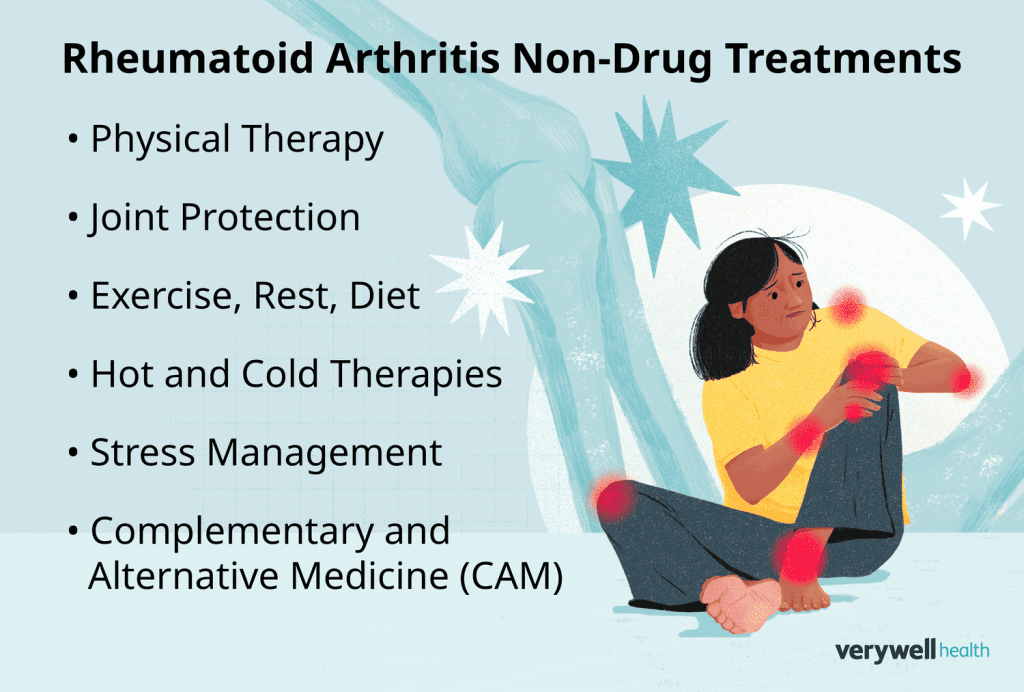
Managing Rheumatoid Arthritis begins with taking care of yourself. This involves getting enough rest, eating a balanced diet, and avoiding triggers that may worsen your symptoms. It is crucial to prioritize self-care and listen to your body’s needs. Additionally, finding healthy ways to cope with stress can help to reduce inflammation and improve overall well-being.
Managing Pain and Fatigue
Living with Rheumatoid Arthritis often involves managing chronic pain and fatigue. A combination of medication, physical therapy, and lifestyle modifications can help alleviate these symptoms. Pain management techniques such as heat or cold therapy, gentle exercises, and relaxation techniques can also provide relief. It is important to communicate openly with your healthcare team about your pain levels and fatigue, as they can tailor a treatment plan to suit your needs.
Exercise and Physical Therapy
While exercise may seem challenging with Rheumatoid Arthritis, it is actually beneficial for reducing joint pain, improving mobility, and maintaining overall health. Low-impact exercises such as swimming, Tai Chi, and yoga can help to strengthen muscles, increase flexibility, and improve balance. Physical therapy may also be recommended to learn exercises and techniques that specifically target joint pain and function.
Mental Health and Emotional Well-being
Living with a chronic condition like Rheumatoid Arthritis can take a toll on your mental health and emotional well-being. It is important to prioritize your mental well-being and seek support when needed. Engaging in activities you enjoy, practicing relaxation techniques, and connecting with support groups or counselors can help you cope with the emotional challenges of RA. Taking care of your mental health is just as important as taking care of your physical health.
3. Medications for Rheumatoid Arthritis
Disease-Modifying Antirheumatic Drugs (DMARDs)
DMARDs are a group of medications that work to suppress the underlying inflammation and immune response in Rheumatoid Arthritis. They help to slow down the progression of the disease, reduce pain, and prevent joint damage. Methotrexate is a commonly prescribed DMARD and is often the first line of treatment for RA. Other DMARDs such as sulfasalazine and leflunomide may be prescribed if methotrexate is not effective.
Biologic Response Modifiers
Biologic medications are a newer class of drugs that target specific components of the immune system involved in Rheumatoid Arthritis. They work by inhibiting the proteins that contribute to inflammation. Biologics, such as tumor necrosis factor (TNF) inhibitors, can be highly effective in reducing RA symptoms and preventing joint damage. However, they are typically more expensive and may have potential side effects, so careful monitoring is required.
Nonsteroidal Anti-Inflammatory Drugs (NSAIDs)
NSAIDs are a group of medications commonly used to relieve pain and reduce inflammation in Rheumatoid Arthritis. They can help to alleviate joint pain and stiffness, but they do not slow down the progression of the disease or prevent joint damage. NSAIDs are available over-the-counter or by prescription, and they should be used under the guidance of a healthcare professional.
Corticosteroids
Corticosteroids, such as prednisone, are powerful anti-inflammatory medications that can provide rapid relief for acute Rheumatoid Arthritis symptoms. They are typically used for short-term management during RA flares or when other medications are not effective. Long-term use of corticosteroids can have side effects, so they are generally prescribed at the lowest effective dose for the shortest duration possible.
4. Surgical Options for Rheumatoid Arthritis
Synovectomy
Synovectomy is a surgical procedure that involves the removal of the inflamed synovial lining in the joints affected by Rheumatoid Arthritis. This procedure can help to reduce pain and swelling and improve joint function. Synovectomy is typically performed when nonsurgical treatments have not been effective in managing RA symptoms.
Joint Replacement Surgery
Joint replacement surgery, also known as arthroplasty, may be recommended for severe cases of Rheumatoid Arthritis where joint damage is significant. During this procedure, the damaged joint surfaces are removed and replaced with artificial prostheses. Joint replacement surgery can alleviate pain, restore joint function, and improve quality of life.
Tendon Repair
Rheumatoid Arthritis can also affect the tendons in the hands and feet, leading to deformities and loss of function. Tendon repair surgery aims to correct these deformities and restore tendon function. This procedure can improve grip strength, dexterity, and overall hand or foot function.
5. Complementary and Alternative Therapies
Acupuncture
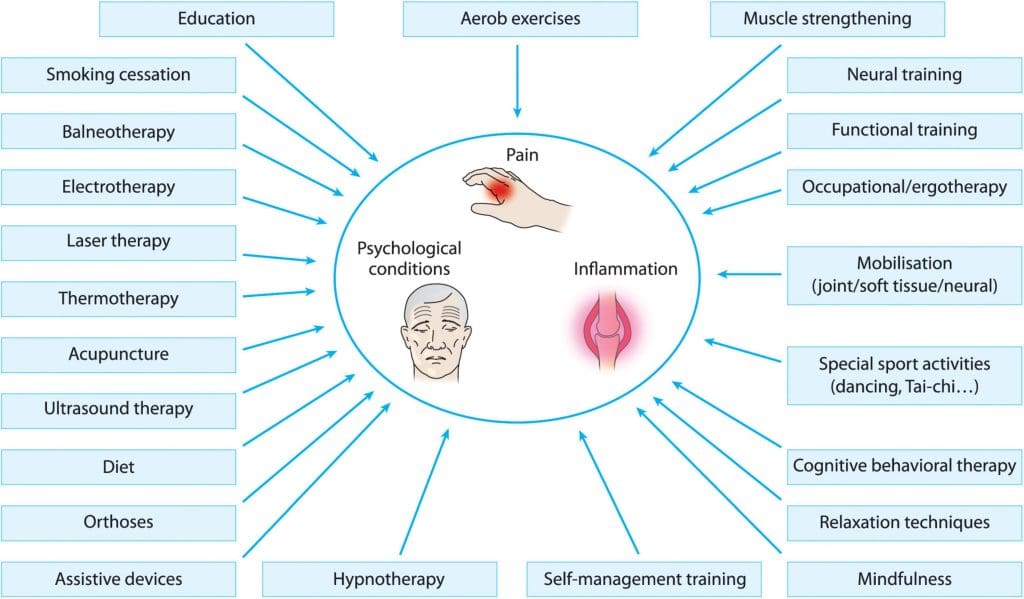
Acupuncture, an ancient Chinese practice, involves the insertion of fine needles into specific points on the body. This therapy is thought to help balance the body’s energy flow and promote healing. Some people with Rheumatoid Arthritis find acupuncture helpful for reducing pain and improving joint mobility. However, it is important to consult with a qualified acupuncturist and inform your healthcare provider before starting this therapy.
Massage Therapy
Massage therapy can provide pain relief, reduce muscle tension, and improve circulation in individuals with Rheumatoid Arthritis. The gentle manipulation of soft tissues can help to alleviate pain and stiffness in the affected joints. It is important to find a massage therapist who is experienced in working with individuals with RA, as they can tailor the session to suit your specific needs.
Herbal Remedies and Supplements
Some herbal remedies and dietary supplements have been traditionally used to manage Rheumatoid Arthritis symptoms. However, it is important to consult with your healthcare provider before using any herbal remedies or supplements, as they can interact with medications or have potential side effects. Supplements such as fish oil, turmeric, and ginger may have anti-inflammatory properties that can be beneficial, but their efficacy varies from person to person.
Mind-Body Techniques
Mind-body techniques, such as meditation, deep breathing exercises, and guided imagery, can help manage the pain, stress, and fatigue associated with Rheumatoid Arthritis. These techniques promote relaxation and have been shown to reduce inflammation and improve overall well-being. It is important to find a practice that resonates with you and incorporate it into your daily routine for maximum benefit.
6. Lifestyle Modifications
Balanced Diet and Nutrition
Eating a balanced diet is important for overall health and can also play a role in managing Rheumatoid Arthritis. Incorporating anti-inflammatory foods, such as fruits, vegetables, whole grains, and healthy fats, can help to reduce inflammation in the body. Avoiding processed foods, sugary drinks, and excessive alcohol consumption can also contribute to better symptom management.
Joint Protection Techniques
Joint protection techniques aim to minimize stress on the joints and reduce the risk of further damage. Simple strategies such as using assistive devices for daily activities, maintaining good posture, and avoiding repetitive or excessive joint movements can help to protect your joints and prevent pain and stiffness.
Assistive Devices and Adaptive Aids
Using assistive devices and adaptive aids can help individuals with Rheumatoid Arthritis to maintain independence and perform daily activities with less pain and fatigue. Devices such as jar openers, reacher grabbers, and ergonomic tools can make tasks easier and reduce joint stress. Working with an occupational therapist can help determine which assistive devices are best suited to your specific needs.
7. Support Systems and Resources
Family and Friends
The support of family and friends can be invaluable when living with Rheumatoid Arthritis. Having a strong support system can provide emotional support, assistance with daily tasks, and the motivation to stay positive and proactive in managing this chronic condition. Openly communicating your needs and feelings with your loved ones can foster a supportive and understanding environment.
Support Groups and Online Communities
Joining a support group or connecting with others who have Rheumatoid Arthritis can provide a sense of community and understanding. Sharing experiences, tips, and coping strategies with others who are going through similar challenges can be empowering. Online communities and forums also offer a platform for connecting with others and accessing valuable resources.
Professional Counseling
Living with Rheumatoid Arthritis can sometimes be overwhelming, and seeking professional counseling or therapy can be beneficial. A counselor or therapist can provide emotional support, help you navigate the emotional aspects of this chronic condition, and offer coping strategies for managing stress and anxiety.
8. Dealing with Rheumatoid Arthritis at Work
Managing Workload and Schedule
When living with Rheumatoid Arthritis, it is important to manage your workload and schedule to prevent overexertion and minimize stress on your joints. Communicate with your employer about any necessary accommodations or adjustments that may be needed, such as flexible work hours or ergonomic workstations. Planning and prioritizing tasks can also help to manage your energy levels effectively.
Ergonomics in the Workplace
Creating an ergonomic work environment can help to minimize joint stress and prevent pain and discomfort. Ergonomic principles involve adjusting the workstation setup, such as chair height, desk height, and keyboard placement, to support proper posture and reduce strain on the joints. Discussing ergonomic needs with your employer or consulting with an occupational therapist can ensure that your workplace is conducive to your needs.
Communicating with Employers and Colleagues
Open and honest communication with your employers and colleagues is key to managing Rheumatoid Arthritis in the workplace. Educate them about the nature of the disease, its impact on your daily functioning, and any necessary accommodations you may require. By fostering a supportive and understanding work environment, you can better manage your condition while maintaining productivity.

9. Rheumatoid Arthritis in Pregnancy
Planning for Pregnancy
If you have Rheumatoid Arthritis and are planning to become pregnant, it is important to discuss your plans with your healthcare provider. Proper management of your RA before and during pregnancy is crucial to optimize your health and the health of your baby. Your healthcare team can guide you on medication adjustments, lifestyle modifications, and any potential risks associated with pregnancy and RA.
Medication Safety during Pregnancy
Certain medications used to manage Rheumatoid Arthritis may not be safe to use during pregnancy. It is important to review your medication regimen with your healthcare provider to ensure that all medications are safe for use during pregnancy. In some cases, adjustments may need to be made to your treatment plan to protect the developing baby.
Managing Symptoms during Pregnancy
Pregnancy can affect Rheumatoid Arthritis symptoms differently for each individual. Some women may experience an improvement in symptoms during pregnancy, while others may experience flare-ups. Close monitoring by your healthcare provider is important to ensure that any changes in symptoms are properly managed and that both you and your baby remain healthy.
10. Future Research and Advances
Emerging Treatment Options
Ongoing research and advances in the field of Rheumatoid Arthritis continue to explore new treatment options. These include novel medications, targeted therapies, and approaches that aim to modify the immune system’s response. The development of personalized medicine, where treatments are tailored to an individual’s specific disease characteristics, is also an area of focus.
Genetic and Immunological Studies
Research into the genetic and immunological aspects of Rheumatoid Arthritis is expanding our understanding of the disease. Genetic studies are identifying specific genes and genetic variants that may increase the risk of developing RA or influence disease progression. Immunological studies are further elucidating the complex interactions between the immune system and the joints in RA.
Clinical Trials and Experimental Therapies
Participating in clinical trials and experimental therapies is an opportunity for individuals with Rheumatoid Arthritis to contribute to the advancement of medical knowledge and potentially access new treatments. Clinical trials evaluate the safety and effectiveness of new medications or treatment approaches before they are approved for widespread use. Discussing the possibility of participating in clinical trials with your healthcare provider can help you explore these options.
Living with Rheumatoid Arthritis can be challenging, but with the right knowledge, support, and treatment, it is possible to lead a fulfilling life. Understanding the disease, adopting self-care practices, managing symptoms, and exploring available treatment options can help individuals with Rheumatoid Arthritis effectively cope with their condition. With ongoing research and advances, the future holds the promise of even more effective treatments and improved outcomes for those living with Rheumatoid Arthritis.
