
In today’s fast-paced world, it is easy to feel overwhelmed and stressed. Finding effective ways to promote emotional wellbeing has become a priority for many individuals. Alternative medicine offers a unique approach to cultivating emotional balance and overall wellness. By incorporating practices such as acupuncture, herbal medicine, and meditation, individuals can explore holistic methods that focus on both the body and mind. This article delves into the benefits of alternative medicine in promoting emotional wellbeing and provides insights into how incorporating these practices into your daily routine can lead to a happier, more balanced life.
Understanding Emotional Wellbeing
Emotional wellbeing refers to the state of being mentally and emotionally balanced and healthy. It entails having the ability to manage and cope with the challenges and stressors of daily life, as well as having a positive outlook and a sense of purpose. Emotional wellbeing is crucial for overall wellness, as it directly impacts our thoughts, behaviors, and relationships.
Importance of Emotional Wellbeing
Emotional wellbeing is essential for leading a fulfilling and happy life. When we prioritize our emotional health, we are better equipped to handle adversity, maintain healthy relationships, and experience greater satisfaction in our personal and professional lives. It also contributes to improved overall physical health, as stress and negative emotions can have detrimental effects on our physical well-being.
Introduction to Alternative Medicine
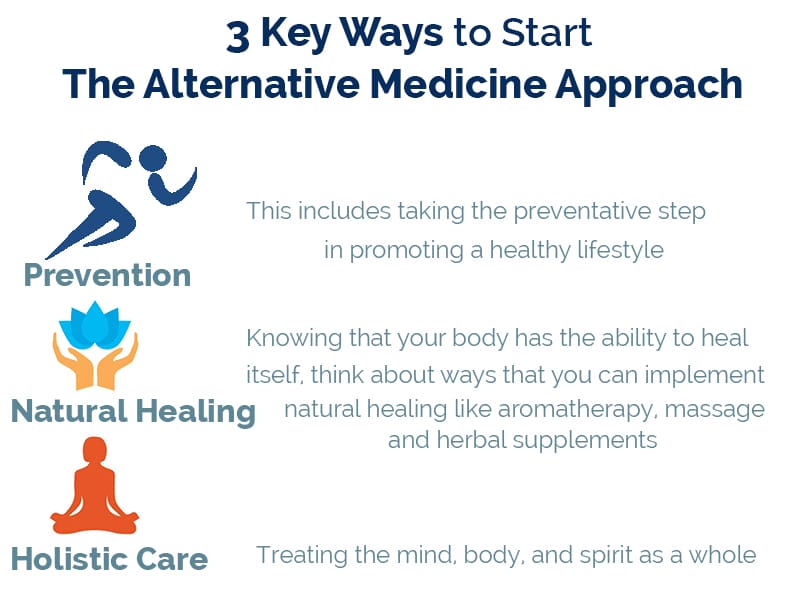
Alternative medicine, also known as complementary or integrative medicine, is a holistic approach to healthcare that focuses on treating the whole person – mind, body, and spirit. It encompasses various practices and therapies that are not typically part of conventional mainstream medicine.
Definition and Principles of Alternative Medicine
Alternative medicine is based on the belief that the body has an inherent ability to heal itself. It emphasizes the importance of addressing the root causes of illness rather than solely focusing on symptom relief. The principles of alternative medicine include treating the individual as a whole, promoting self-care and prevention, and using natural and non-invasive methods whenever possible.
Types of Alternative Medicine
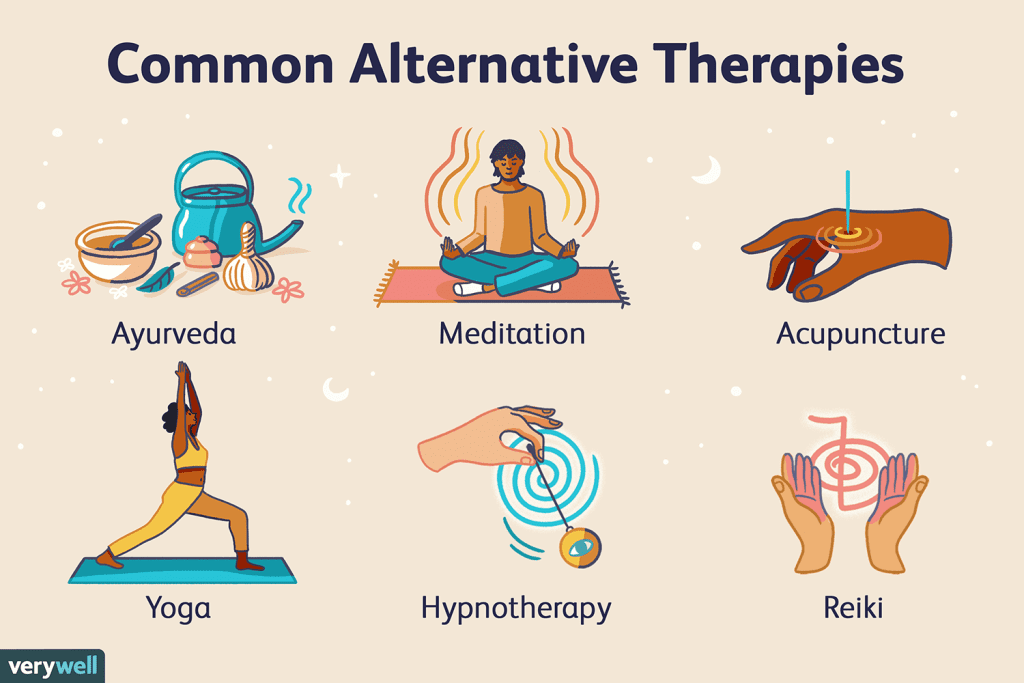
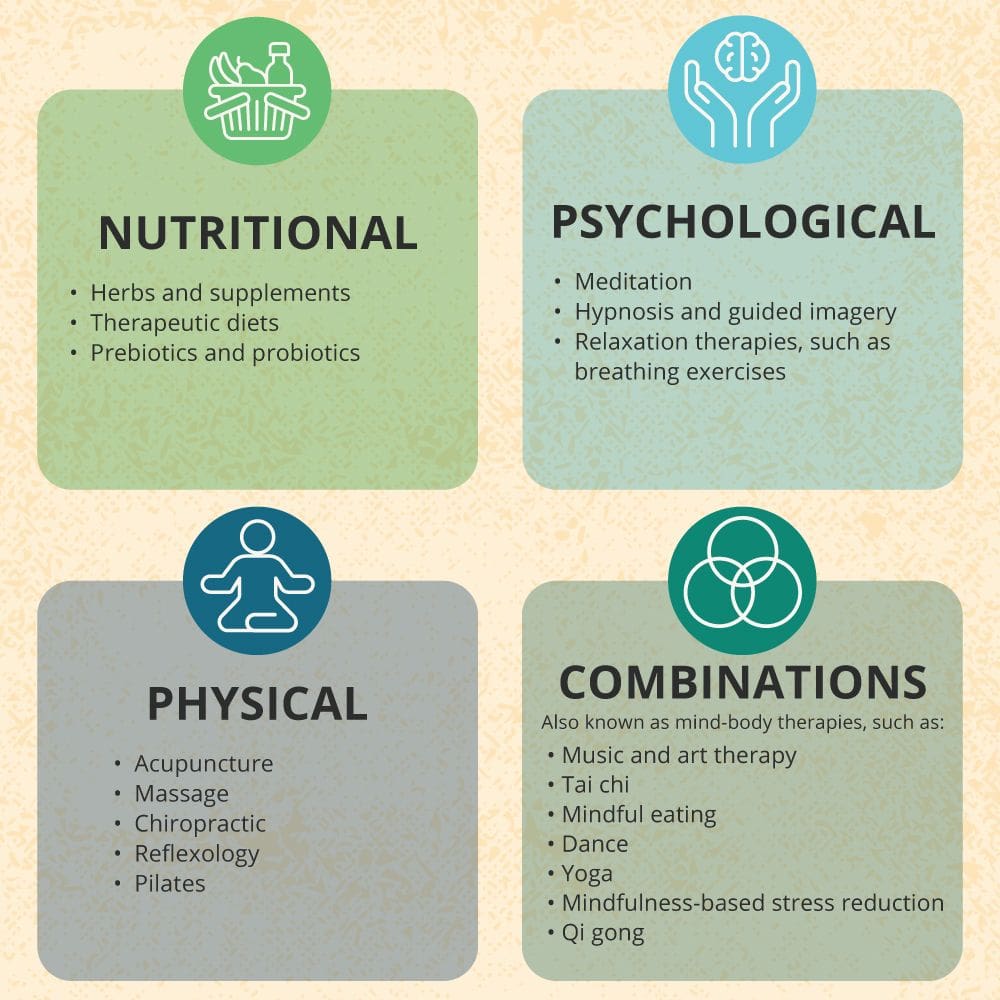
There are numerous types of alternative medicine practices that can support emotional wellbeing. Some examples include acupuncture, herbal medicine, aromatherapy, meditation, yoga, mindfulness, reiki, art therapy, music therapy, and massage therapy. Each of these approaches has its own unique benefits and can be used in combination or individually to promote emotional balance and overall wellness.
Utilizing Acupuncture for Emotional Wellbeing
Acupuncture is an ancient practice originating from Chinese medicine. It involves the insertion of thin needles into specific points on the body to stimulate energy flow and restore balance. Acupuncture can be highly effective in addressing emotional imbalances, such as anxiety and depression, by promoting the release of endorphins and improving overall energy flow in the body.
Explanation of Acupuncture
Acupuncture is based on the concept of Qi (pronounced “chee”), which refers to the vital energy that flows through our bodies. According to traditional Chinese medicine, imbalances or blockages in the flow of Qi can lead to physical and emotional ailments. By stimulating specific acupuncture points, the flow of Qi is restored, promoting emotional wellbeing and overall health.
How Acupuncture Supports Emotional Wellbeing
Acupuncture can support emotional wellbeing by reducing stress, anxiety, and depression. It can help regulate the production of stress hormones, such as cortisol, and promote the release of endorphins, which are natural mood-enhancing chemicals. Acupuncture sessions can also provide a sense of relaxation and calmness, helping individuals to cope with emotional challenges more effectively.
Exploring Herbal Medicine for Emotional Wellbeing
Herbal medicine, also known as herbalism, involves the use of plants and plant extracts for therapeutic purposes. It has been used for centuries in different cultures and is well-known for its ability to promote emotional balance and overall wellness.
Overview of Herbal Medicine
Herbal medicine utilizes the healing properties of various plants to address emotional imbalances. Different herbs possess unique properties that can support emotional wellbeing. They can be consumed in various forms, such as teas, tinctures, capsules, or essential oils.
Specific Herbs for Emotional Wellbeing
Some commonly used herbs for emotional wellbeing include lavender, chamomile, St. John’s Wort, passionflower, and valerian root. Lavender is known for its calming properties and can help alleviate stress and anxiety. Chamomile has a soothing effect on the nervous system and can promote relaxation. St. John’s Wort is often used to alleviate symptoms of mild to moderate depression. Passionflower and valerian root are known for their ability to promote relaxation and improve sleep quality.
The Power of Aromatherapy in Emotional Wellbeing
Aromatherapy is a holistic practice that involves the use of essential oils from plants to enhance physical, emotional, and mental well-being. It is a simple and effective way to promote emotional balance and relaxation.
Explanation of Aromatherapy
Aromatherapy harnesses the power of scent to influence our emotions and mood. When essential oils are inhaled, the molecules stimulate the olfactory system, which is directly connected to the brain’s limbic system – the region responsible for emotions and memories.
Popular Essential Oils for Emotional Wellbeing
Certain essential oils have specific effects on emotional wellbeing. Lavender essential oil is widely used for its calming and relaxing properties. It is helpful for reducing anxiety and promoting better sleep quality. Citrus essential oils, such as orange and lemon, have uplifting and energizing effects, making them beneficial for combating stress and low mood. Frankincense and sandalwood essential oils are known for their grounding and centering properties, making them ideal for enhancing meditation and promoting emotional balance.
Understanding the Benefits of Meditation
Meditation is a practice that involves focusing the mind and achieving a state of deep relaxation and inner peace. It has been used for centuries as a tool for promoting emotional wellbeing and reducing stress.
Benefits of Meditation for Emotional Wellbeing
Regular meditation practice can have a profound impact on emotional wellbeing. It helps reduce the production of stress hormones, promotes a sense of calmness, and improves overall emotional resilience. Meditation can also enhance self-awareness, increase mental clarity, and cultivate a more positive outlook on life.
Different Meditation Techniques
There are various meditation techniques that can support emotional wellbeing. Mindfulness meditation involves focusing on the present moment and observing thoughts and feelings without judgment. Loving-kindness meditation involves generating feelings of love, compassion, and well-wishes towards oneself and others. Transcendental meditation involves the use of a mantra or sound to achieve deep relaxation. Each technique offers unique benefits and can be practiced based on individual preferences and needs.
Using Yoga as a Tool for Emotional Balance
Yoga is a mind-body practice that combines physical postures, breath control, and meditation to promote overall well-being. It can be a powerful tool for managing and balancing emotions.
Role of Yoga in Emotional Wellbeing
Yoga helps cultivate physical and mental strength, flexibility, and balance. This translates into emotional strength, resilience, and stability. It promotes self-awareness, deepens the mind-body connection, and encourages the release of emotional tension and stress.
Specific Yoga Poses for Different Emotions
Different yoga poses can target specific emotions and help bring about emotional balance. For example, gentle forward bends, such as Child’s Pose or Standing Forward Bend, can help release feelings of anxiety and promote relaxation. Heart-opening poses, such as Camel Pose or Bridge Pose, can open up the chest and promote feelings of love and compassion. Poses that focus on grounding, such as Mountain Pose or Tree Pose, can help instill a sense of stability and calmness.
The Impact of Mindfulness on Emotional Wellness
Mindfulness is the practice of intentionally paying attention to the present moment without judgment. It is about being fully present and aware of our thoughts, feelings, and sensations.
Explanation of Mindfulness
Mindfulness involves bringing our attention to the present moment and accepting it as it is, without getting caught up in judgments or attachments. It is a way of training the mind to be more aware and focused, which can have a profound impact on emotional wellness.
Practicing Mindfulness for Emotional Wellbeing
Regular mindfulness practice can help reduce stress, anxiety, and depression. By cultivating non-judgmental awareness, individuals can better manage their thoughts and emotions. Mindfulness also enhances self-compassion and promotes a sense of inner peace and acceptance.
Promoting Emotional Wellbeing with Reiki
Reiki is a Japanese healing technique that involves the gentle laying on of hands to channel healing energy into the body. It is based on the concept that energy flows through us and can become blocked or imbalanced, resulting in physical or emotional ailments.
Understanding Reiki
Reiki practitioners serve as conduits for Universal Life Force energy, which is believed to flow through their hands into the recipient’s body. The energy works to rebalance and restore the natural flow of energy, promoting emotional and physical healing.
How Reiki Enhances Emotional Wellbeing
Reiki can enhance emotional wellbeing by promoting deep relaxation and stress reduction. It helps release emotional blockages and promote the free flow of energy throughout the body. Reiki sessions can create a sense of peace, tranquility, and emotional harmony.
Exploring Other Alternative Therapies
In addition to the practices mentioned above, there are other alternative therapies that can support emotional wellbeing.
Art Therapy
Art therapy involves the use of artistic expression, such as painting, drawing, or sculpting, as a means of exploring and processing emotions. It can be a powerful tool for self-discovery, healing, and emotional release.
Music Therapy
Music therapy utilizes the power of music to promote emotional healing and stress reduction. Listening to or creating music can evoke feelings of joy, relaxation, and connection, making it an effective therapeutic modality.
Massage Therapy
Massage therapy involves the manipulation of soft tissues in the body to promote relaxation, relieve muscle tension, and improve overall well-being. It can be an excellent tool for reducing stress and promoting emotional balance.
In conclusion, alternative medicine offers a wide range of practices and therapies that can support emotional wellbeing. From acupuncture and herbal medicine to aromatherapy and mindfulness, each modality has its unique benefits in promoting emotional balance and overall wellness. By incorporating these alternative approaches into our lives, we can cultivate greater self-awareness, reduce stress, and enhance our emotional resilience, leading to a more fulfilling and balanced existence.