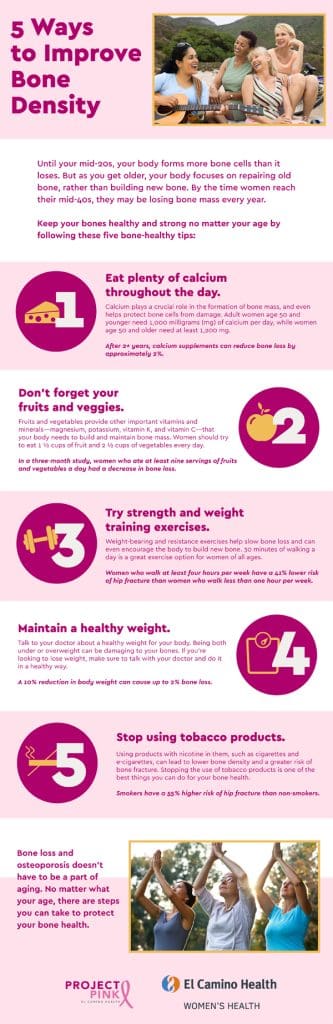
Are you looking for ways to enhance your bone health and strength? Look no further! In this article, we will explore some effective strategies that will help you maintain healthy bones and improve their strength. Whether you are a fitness enthusiast, an athlete, or simply someone who wants to take better care of their body, these tips will provide you with valuable insights on how to optimize your bone health. From incorporating a nutritious diet to embracing weight-bearing exercises, we have got you covered. So, let’s dive right in and discover the key steps to boosting your bone health and strength.
Maintain a Balanced Diet
A balanced diet plays a crucial role in maintaining healthy bones. It is important to include various nutrients in your everyday meals to support bone health. Here are some key nutrients to focus on:
Consume Calcium-Rich Foods
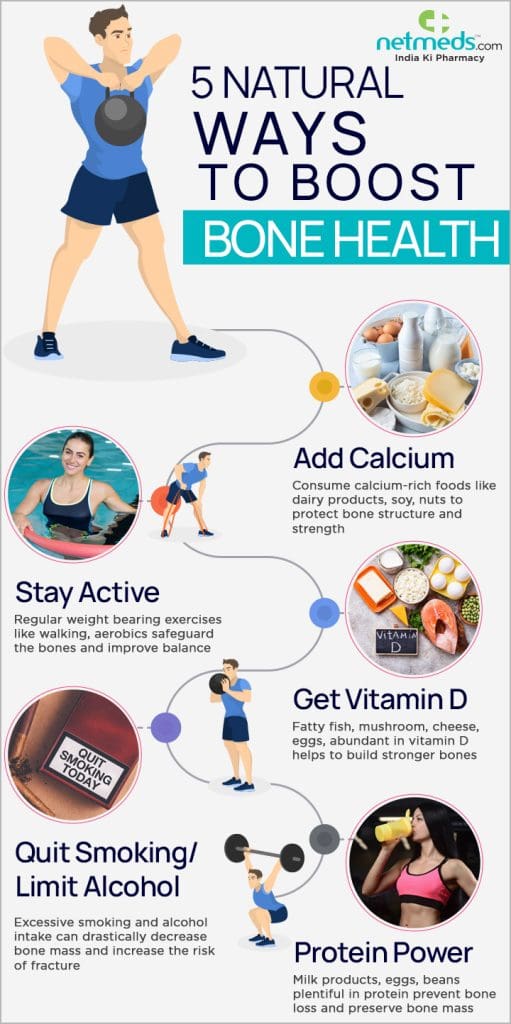
Calcium is essential for building and maintaining strong bones. It is important to include calcium-rich foods in your diet to ensure an adequate intake. Some excellent sources of calcium include dairy products like milk, cheese, and yogurt. If you are lactose intolerant or follow a vegan diet, you can explore alternatives like fortified plant-based milk, leafy green vegetables, tofu, and almonds.
Include Vitamin D in Your Diet
Vitamin D is necessary for the absorption and utilization of calcium in the body. Sunlight is a natural source of vitamin D, so spending some time outdoors can be beneficial. Additionally, you can include foods that are high in vitamin D in your diet, such as fatty fish like salmon and tuna, fortified dairy products, and egg yolks.
Eat Foods Rich in Magnesium
Magnesium is another mineral that plays a vital role in bone health. It helps with the absorption of calcium and contributes to the structural development of bones. Including magnesium-rich foods in your diet, such as leafy green vegetables, nuts, seeds, and whole grains, can be beneficial for your bone health.
Get Enough Protein
Protein is not just important for muscle growth; it also plays a role in maintaining bone density. Including lean sources of protein in your diet, such as poultry, fish, lean meat, beans, and legumes, can help support bone health.
Limit Sodium Intake
A high intake of sodium can lead to increased calcium excretion from the body, which can weaken bones over time. It is important to limit your sodium intake by avoiding processed and packaged foods, as they often contain high levels of sodium. Instead, opt for fresh foods and season your meals with herbs and spices to enhance flavor without the need for excessive sodium.
Engage in Weight-Bearing Exercises
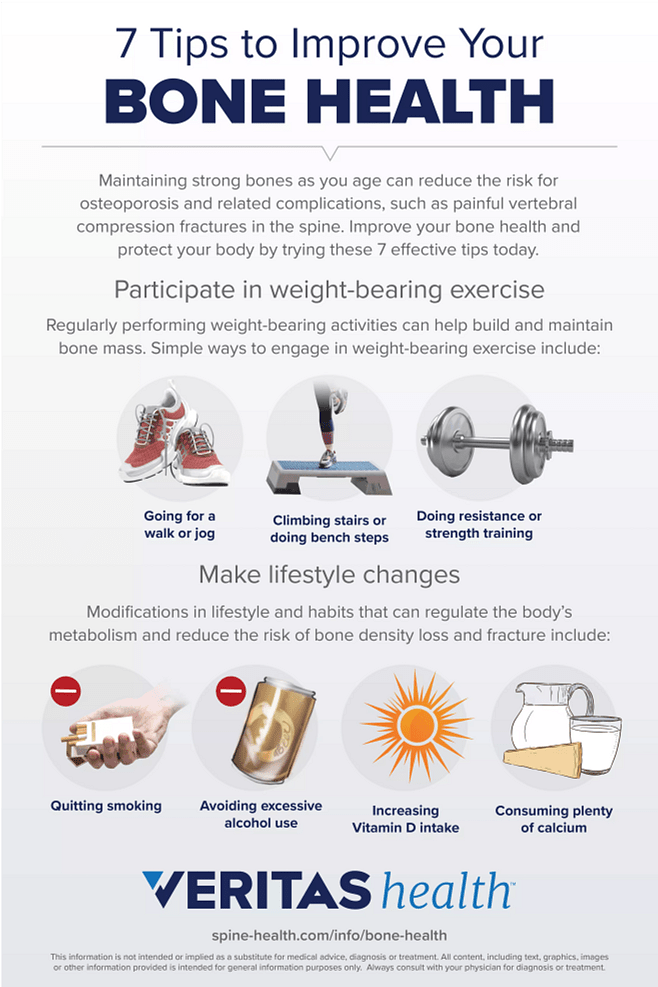
Physical activity is not only important for overall health but also for maintaining strong bones. Engaging in weight-bearing exercises can help stimulate bone growth and improve bone density. Here are some exercises to include in your routine:
Choose High-Impact Exercises
High-impact exercises involve movements where both feet leave the ground simultaneously, putting stress on your bones. Examples of high-impact exercises include running, jumping rope, and high-intensity interval training. These exercises can help strengthen your bones and improve overall bone health.
Try Weightlifting or Resistance Training
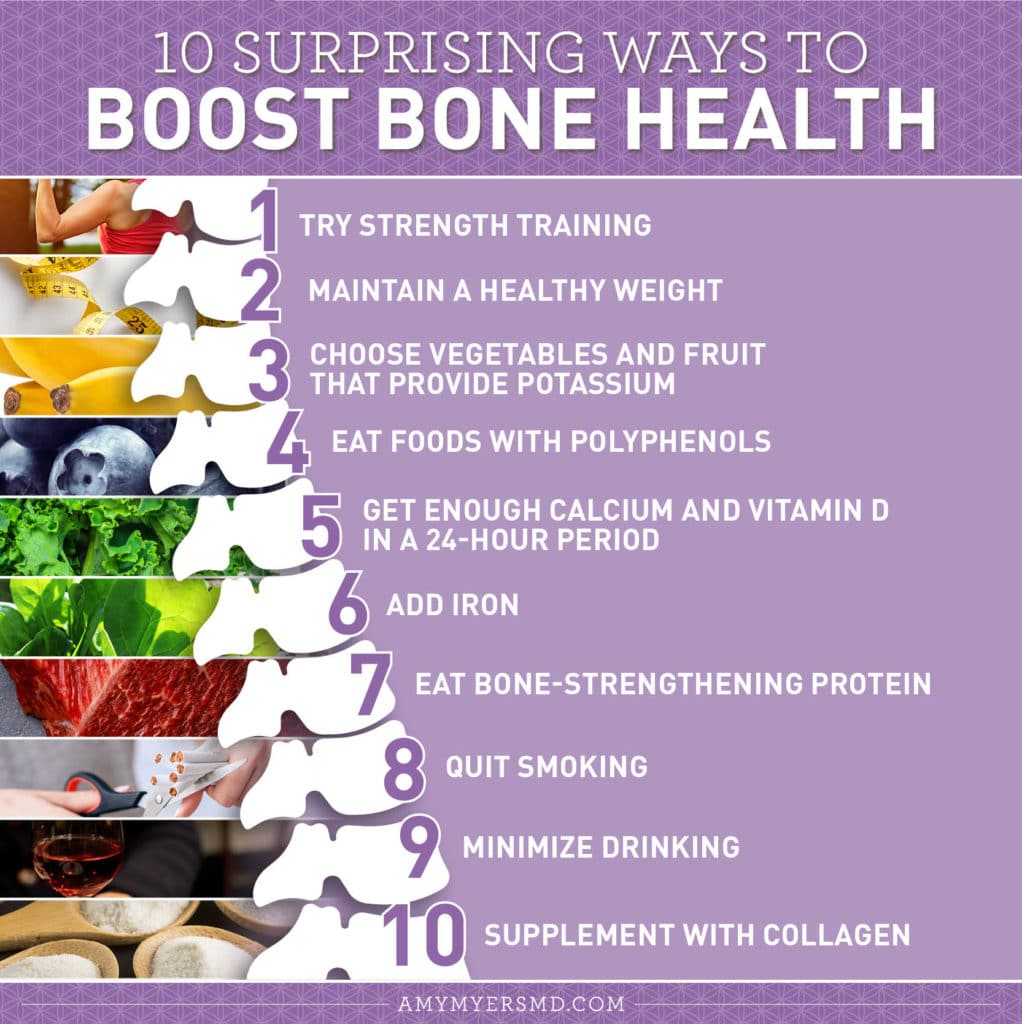
Weightlifting and resistance training exercises are excellent for building muscle strength, but they also provide benefits for your bones. The stress placed on your bones during weightlifting sessions stimulates the formation of new bone tissue, helping to improve bone density. Start with light weights and gradually increase as you build strength.
Do Weight-Bearing Aerobic Exercises
Weight-bearing aerobic exercises combine cardiovascular benefits with the impact on bones. Activities like brisk walking, dancing, and stair climbing are great choices. Aim for at least 150 minutes of moderate-intensity aerobic exercise every week to reap the full benefits for your bones.
Incorporate Balance and Flexibility Exercises
Maintaining good balance and flexibility can lower the risk of falls and injuries. Including exercises like yoga, tai chi, and Pilates in your routine can improve balance, stability, and flexibility. These activities also promote body awareness and coordination, which are essential for preserving bone health.
Get Sufficient Vitamin K
Vitamin K is a key nutrient that is involved in bone mineralization and the regulation of bone density. Including vitamin K-rich foods in your diet can contribute to your overall bone health. Here’s what you can do:
Include Leafy Green Vegetables in Your Diet
Leafy green vegetables like kale, spinach, and broccoli are excellent sources of vitamin K. Incorporating these vegetables into your meals or having them as part of salads can provide you with the necessary amount of vitamin K for optimal bone health.
Consider Taking Vitamin K Supplements
If you have difficulty including enough vitamin K-rich foods in your diet, you may consider taking vitamin K supplements. However, it is always best to consult with your healthcare provider before starting any new supplement to ensure it is suitable for your specific needs.
Boost Vitamin C Intake
Vitamin C is not only essential for a healthy immune system, but it also plays a role in promoting bone health. Here’s how you can increase your vitamin C intake:
Consume Foods High in Vitamin C
Include foods rich in vitamin C in your diet such as citrus fruits (oranges, lemons, and grapefruits), berries (strawberries, blueberries), kiwi, tomatoes, and bell peppers. These fruits and vegetables not only provide ample vitamin C but also offer a wide range of other beneficial nutrients.
Consider Taking Vitamin C Supplements
If you struggle to meet your vitamin C requirements through your diet alone, dietary supplements can be an option. However, it is always best to consult with your healthcare provider before adding any supplements to your routine.
Maintain a Healthy Lifestyle
Leading a healthy lifestyle goes beyond diet and exercise alone. Here are a few additional factors to consider for optimal bone health:
Quit Smoking
Smoking has been linked to decreased bone density and an increased risk of fractures. If you smoke, quitting is one of the best things you can do for your bone health, as well as your overall well-being. Seek support from healthcare professionals, friends, and family to help you on your quitting journey.
Limit Alcohol Consumption
Excessive alcohol consumption can have detrimental effects on bone health. It interferes with the absorption of certain nutrients essential for bone health, such as calcium and vitamin D. Limiting alcohol intake to moderate levels (up to one drink per day for women and up to two drinks per day for men) can help protect your bones.
Manage Stress Levels
Chronic stress can negatively impact bone health. Practice stress management techniques such as meditation, deep breathing exercises, or engaging in hobbies that bring you joy and relaxation. Finding healthy ways to cope with stress can contribute to overall well-being, including bone health.
Get Enough Sleep
Sleep is crucial for various aspects of health, including bone health. Aim for 7-8 hours of quality sleep every night to support optimal bone repair and regeneration. Establish a bedtime routine and create a sleep-friendly environment to enhance your sleep quality.
Ensure Sufficient Intake of Bone-Healthy Nutrients
In addition to calcium, vitamin D, and vitamin K, there are other nutrients that play a role in maintaining bone health. Here are a few to consider:
Include Phosphorus in Your Diet
Phosphorus is the second most abundant mineral in the body and is essential for bone formation. It is found in foods such as dairy products, meat, fish, whole grains, and nuts. Including these foods in your diet can help ensure an adequate intake of phosphorus.
Consume Foods Rich in Potassium
Potassium is an electrolyte that supports bone health by neutralizing acid in the body, reducing calcium loss through urine. Good sources of potassium include bananas, sweet potatoes, avocadoes, and leafy greens.
Take Omega-3 Fatty Acids
Omega-3 fatty acids have been associated with a reduced risk of osteoporosis and improved bone mineral density. Include foods rich in omega-3 fatty acids in your diet, such as fatty fish (salmon, mackerel, sardines), flaxseeds, chia seeds, and walnuts.
Consider Taking Calcium Supplements
If you struggle to meet your recommended calcium intake through diet alone, calcium supplements can be an option. However, it is important to consult with your healthcare provider before starting any new supplement, as they can provide guidance based on your individual needs.
Monitor Vitamin B12 Levels
Vitamin B12 is involved in the production of bone-building cells. It is predominantly found in animal-based foods such as meat, fish, eggs, and dairy products. If you follow a vegetarian or vegan diet, it is important to ensure you are getting adequate vitamin B12 through fortified plant-based foods or supplements.
Reduce the Risk of Falls and Injuries
Preventing falls and injuries is essential for maintaining bone health, especially as you age. Here are some steps you can take:
Ensure Proper Lighting
Make sure your living space is well-lit, especially in areas prone to falls, such as staircases and hallways. Adequate lighting reduces the risk of tripping or slipping and helps you identify potential hazards.
Remove Hazards in Your Environment
Regularly inspect your living space for potential hazards such as loose rugs, cluttered walkways, or uneven surfaces. Removing these hazards can significantly reduce the risk of falls and injuries.
Use Assistive Devices if Necessary
If you have mobility issues or are at a higher risk of falls, consider using assistive devices such as canes, walkers, or grab bars in the bathroom. These devices provide additional support and stability, minimizing the risk of accidents.
Wear Proper Footwear
Choose footwear that provides good support and has non-slip soles. Avoid shoes with high heels or worn-out soles, as they increase the risk of falls. Invest in comfortable and well-fitting shoes that promote stability and proper foot alignment.
Practice Good Posture
Maintaining good posture helps distribute your body’s weight evenly, reducing strain on your bones and joints. Engage your core muscles, keep your shoulders back, and stand or sit up straight. Practicing good posture can improve your balance and prevent falls.
Avoid Excessive Alcohol and Caffeine Consumption
While moderate alcohol consumption is fine, excessive alcohol intake and high caffeine consumption can negatively impact bone health. Here’s what you should know:
Limit Alcohol Intake
Excessive alcohol consumption can weaken bones and increase the risk of osteoporosis. Limit your alcohol intake to moderate levels, as mentioned earlier, to protect your bone health.
Moderate Caffeine Consumption
High caffeine intake has been associated with a higher risk of decreased bone density. While moderate consumption of caffeine is generally safe, be aware of your overall intake and consider alternative beverages, such as herbal tea or decaffeinated coffee, to reduce your caffeine intake.

Manage Medications and Medical Conditions
Certain medications and medical conditions can affect bone health. Here are some steps you can take:
Discuss Medications with Your Doctor
If you are taking medications that may have an impact on bone health, such as corticosteroids or certain anticonvulsants, talk to your healthcare provider. They may suggest alternative medications or recommend additional measures to support your bone health.
Monitor Medical Conditions
Conditions like osteoporosis, osteoarthritis, and hormonal imbalances can affect bone health. Regular check-ups with your healthcare provider and appropriate management of these conditions can help maintain optimal bone health.
Manage Hormonal Imbalances
Hormonal imbalances, such as those associated with menopause, can affect bone density. If you are experiencing hormonal changes or have concerns, consult with your healthcare provider to discuss potential management strategies, including hormonal therapy or lifestyle modifications.
Stay Hydrated
Proper hydration is important for overall health, and it is no exception when it comes to bone health. Here’s what you can do:
Drink Enough Water
Staying hydrated helps maintain the health and function of cells throughout your body, including bone cells. Aim to drink an adequate amount of water each day, approximately 8 cups (64 ounces), or more if needed, depending on your activity level and climate.
Limit Soda and Sugary Drink Consumption
Sodas and sugary drinks can displace nutrient-rich beverages like milk or water in your diet. Additionally, excessive consumption of soda has been associated with lower bone mineral density. Limit your intake of these beverages and opt for healthier alternatives like herbal tea, infused water, or low-fat milk.
By following these tips and making lifestyle changes, you can improve your bone health and strengthen your bones for a healthy and active life. Remember, it’s never too early or too late to start taking care of your bones!