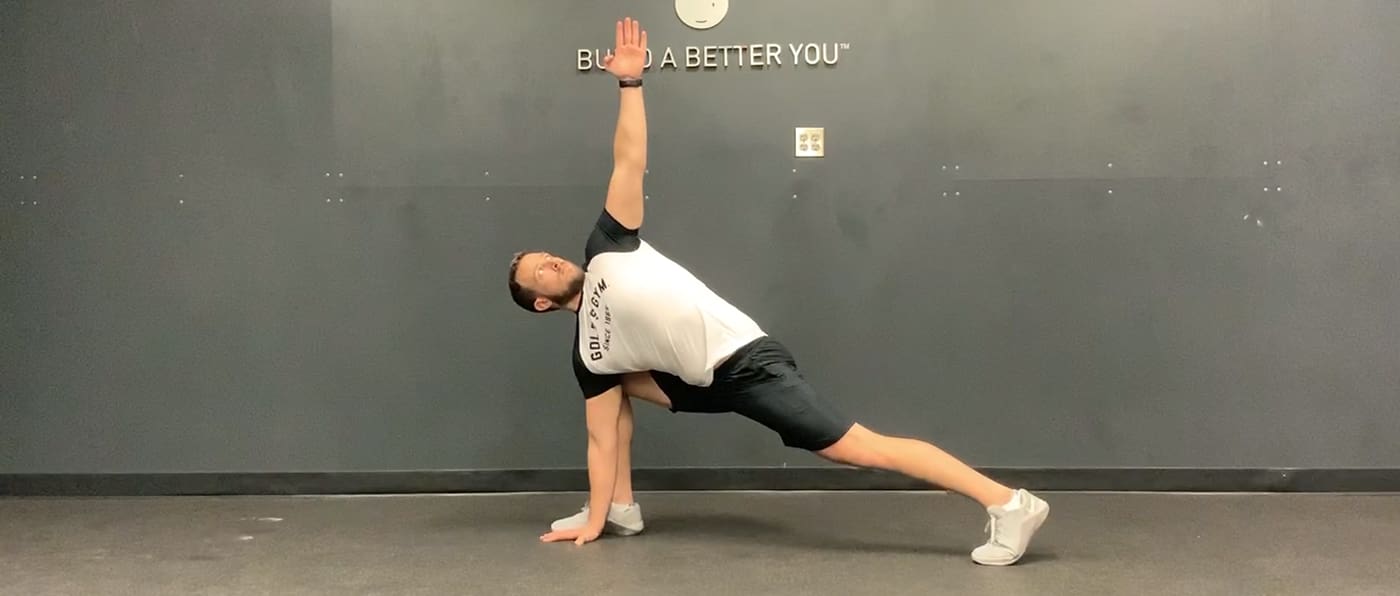
Are you looking to increase your flexibility and improve your range of motion? Look no further! We have compiled a list of the best exercises that will help you achieve your goals. Whether you’re a beginner or an experienced fitness enthusiast, these exercises are suitable for all levels. From dynamic stretches to yoga poses, we’ve got you covered. Say goodbye to stiffness and hello to a more flexible body. Let’s get started!
Stretching Exercises
Stretching exercises are an essential component of any fitness routine, as they help improve flexibility and increase the range of motion in your joints. By incorporating stretching into your workout regimen, you can enhance your athletic performance, prevent injuries, and promote better posture.
Dynamic stretching
Dynamic stretching involves active movements that mimic the motions of your workout or sport. These exercises help warm up your muscles and prepare them for more intense physical activity. Examples of dynamic stretches include leg swings, arm circles, and shoulder dislocations.
When performing dynamic stretches, it’s important to maintain a controlled and fluid motion. Start with smaller movements and gradually increase the range of motion. This type of stretching is best done before your workout, as it helps to increase blood flow to the muscles and enhance overall performance.
Static stretching
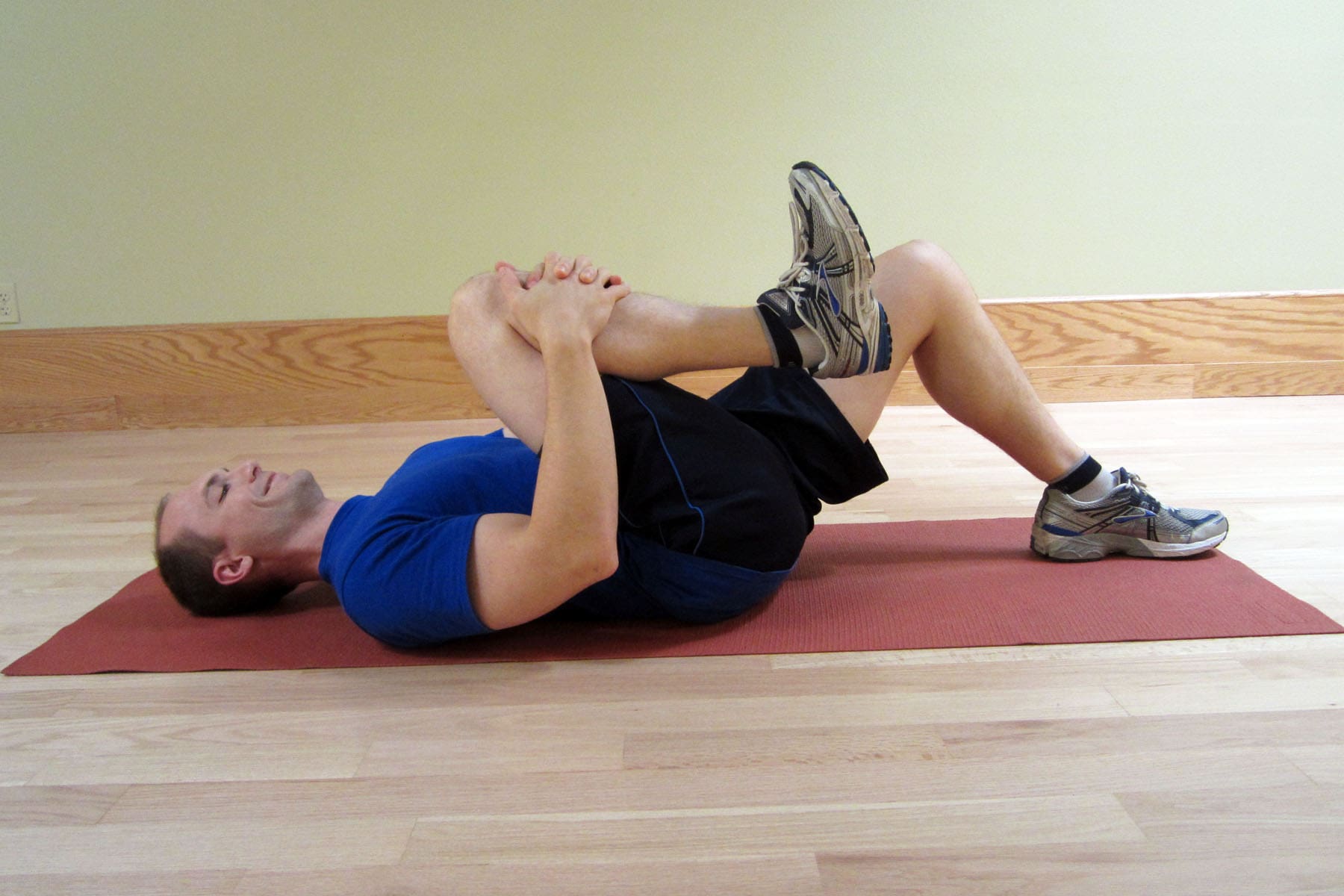
Static stretching involves holding a stretch in a fixed position for an extended period of time. This type of stretching helps relax the muscles, increase flexibility, and improve muscle elasticity. Examples of static stretches include toe touches, butterfly stretches, and hamstring stretches.
When performing static stretches, it’s important to hold the stretch for at least 20-30 seconds without bouncing or pushing yourself too far. Focus on deep breathing and relax into the stretch. Static stretches are best performed after your workout, as they help cool down the muscles and promote muscle recovery.
PNF stretching
PNF (Proprioceptive Neuromuscular Facilitation) stretching is a technique that combines passive stretching and isometric contractions to improve flexibility. This type of stretching involves alternating between contracting and relaxing the muscles being stretched. PNF stretching is often done with a partner or using a strap or resistance band.
When performing PNF stretching, start by stretching the target muscle to its maximum length and hold for a few seconds. Next, apply resistance by contracting the muscle against the resistance for about 6-10 seconds. Finally, relax the muscle and move it further into the stretch. PNF stretching is highly effective in increasing flexibility and is commonly used in rehabilitation settings.
Yoga and Pilates
Yoga and Pilates are both excellent forms of exercise that focus on strength, flexibility, and balance. Incorporating these practices into your fitness routine can help improve overall body awareness and promote a sense of calm and relaxation.
Sun Salutation
The Sun Salutation, also known as Surya Namaskar, is a dynamic sequence of yoga poses that stretches and strengthens the entire body. This flow involves a series of poses, including mountain pose, forward fold, plank pose, upward-facing dog, and downward-facing dog. The Sun Salutation is an excellent warm-up exercise and can be modified to suit any fitness level.
Standing forward bend
The standing forward bend, also known as Uttanasana, is a yoga pose that stretches the hamstrings, calves, and back. To perform this pose, stand with your feet hip-width apart and slowly fold forward, reaching for your toes or resting your hands on your shins or thighs. This pose promotes flexibility in the hamstrings and can help relieve tension in the lower back.
Child’s pose
Child’s pose, also known as Balasana, is a restful yoga pose that stretches the hips, thighs, and back. To perform this pose, start by kneeling on the floor, then lower your hips toward your heels and extend your arms forward. Rest your forehead on the mat and breathe deeply into the back of your body. Child’s pose is a great way to release tension and relax the mind.
Bridge pose
Bridge pose, also known as Setu Bandhasana, is a yoga pose that stretches the chest, shoulders, and hip flexors. To perform this pose, lie on your back with your knees bent and your feet hip-width apart. Lift your hips off the ground while pressing your hands into the mat for support. Bridge pose can help improve spine mobility and strengthen the glutes and hamstrings.
Pilates reformer exercises
The Pilates reformer is a versatile piece of equipment that offers a wide range of exercises to improve flexibility and strength. Some common reformer exercises include footwork, long stretch, short box series, and swan. These exercises engage multiple muscle groups and can be adjusted to suit your individual fitness level and goals.
Foam Rolling
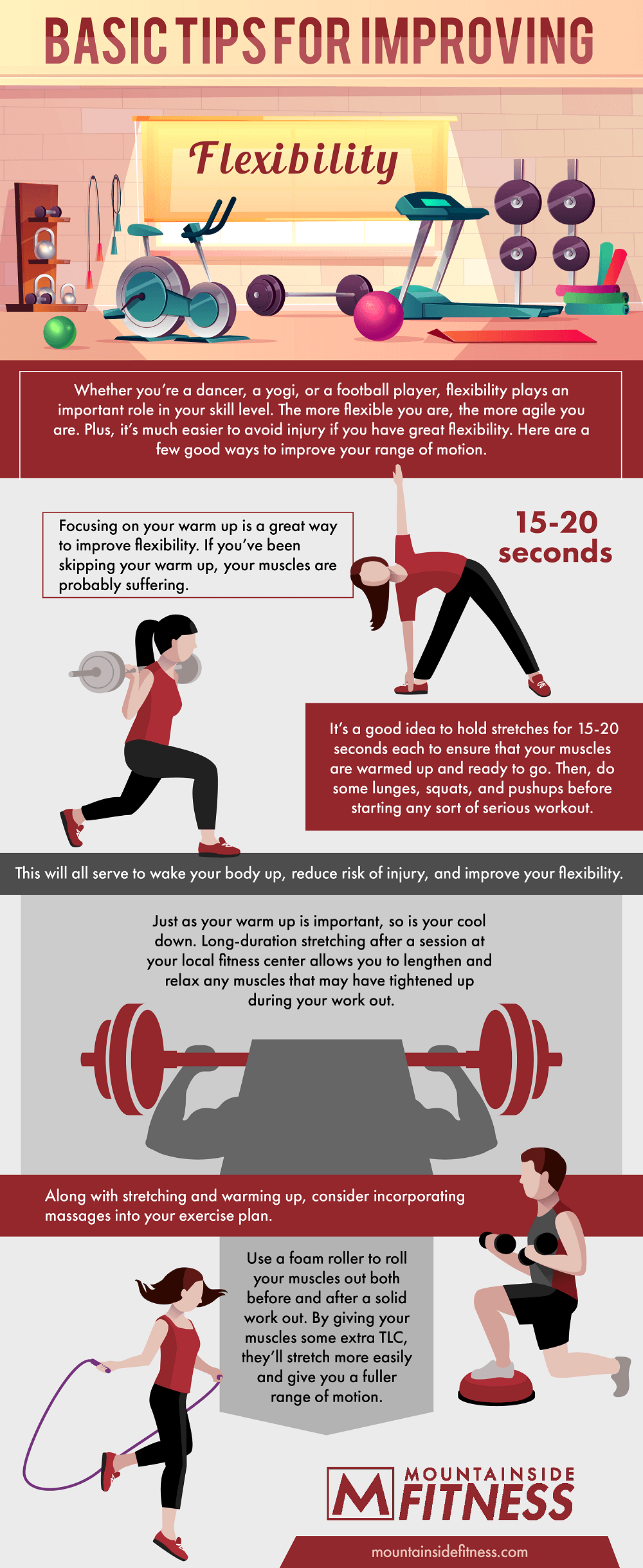
Foam rolling, also known as self-myofascial release, is a self-massage technique that helps release muscle tension and improve flexibility. By using a foam roller, you can target specific muscle groups and alleviate tightness and knots.
Quadriceps foam roll
The quadriceps foam roll targets the muscles at the front of your thighs. To perform this roll, start by lying face down with the foam roller placed under your thighs. Slowly roll back and forth, ensuring that you apply enough pressure to feel a deep stretch. This exercise can help relieve tightness in the quads and improve flexibility in the hips and knees.
Hamstring foam roll
The hamstring foam roll targets the muscles at the back of your thighs. To perform this roll, sit on the foam roller with your legs extended. Slowly roll back and forth, focusing on areas of tension. This exercise can help release tightness in the hamstrings and improve flexibility in the hips and knees.
IT band foam roll
The IT band foam roll targets the iliotibial (IT) band, which runs along the outside of your thigh. To perform this roll, lie on your side with the foam roller positioned beneath your hip. Roll from your hip to your knee, pausing on any tender spots. This exercise can help alleviate tightness in the IT band and improve overall leg flexibility.
Calf foam roll
The calf foam roll targets the muscles in your lower legs. To perform this roll, sit on the floor with your legs extended and place the foam roller beneath your calves. Slowly roll back and forth, focusing on any tight or tender areas. This exercise can help release tension in the calves and improve ankle flexibility.
Upper back foam roll
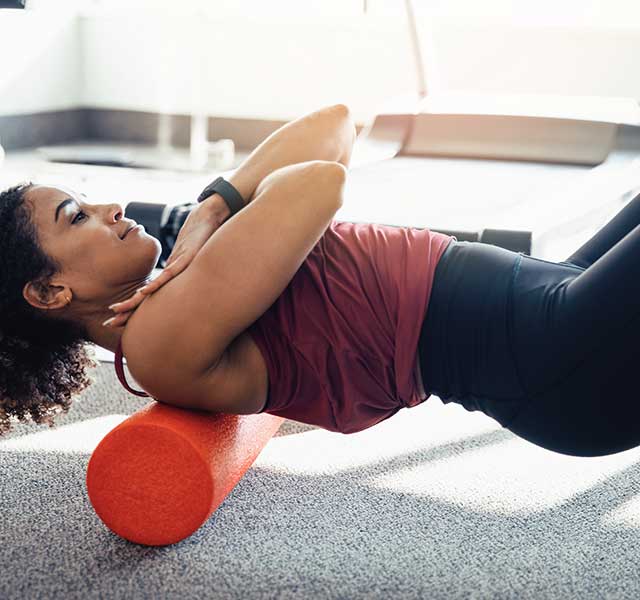
The upper back foam roll targets the muscles along your spine and shoulders. To perform this roll, lie on your back with the foam roller positioned horizontally beneath your upper back. Support your head with your hands and slowly roll up and down, pausing on any areas of tension. This exercise can help relieve tightness in the upper back and improve overall posture.
Resistance Training
Resistance training is an excellent way to improve strength, increase lean muscle mass, and enhance overall flexibility. By incorporating resistance exercises into your workout routine, you can target specific muscle groups and improve joint stability.
Full range of motion squats
Full range of motion squats target the muscles in your legs, hips, and glutes. To perform this exercise, stand with your feet shoulder-width apart and slowly lower your body into a squat position, keeping your back straight and your knees aligned with your toes. Push through your heels and return to the starting position. Full range of motion squats promote flexibility in the hips and improve lower body strength.
Deep lunges
Deep lunges target the muscles in your legs, hips, and glutes. To perform this exercise, step forward with one foot and lower your body into a lunge position, keeping your front knee aligned with your toes. Push through your front heel and return to the starting position. Deep lunges can help increase hip flexibility and improve balance and stability.
Overhead presses
Overhead presses target the muscles in your shoulders, arms, and core. To perform this exercise, stand with your feet shoulder-width apart and hold a dumbbell or barbell at shoulder level. Press the weight upward until your arms are fully extended overhead, then lower the weight back to the starting position. Overhead presses improve shoulder mobility and strengthen the muscles of the upper body.
Sumo deadlifts
Sumo deadlifts target the muscles in your legs, hips, and glutes. To perform this exercise, stand with your feet wider than shoulder-width apart and your toes turned out at an angle. Squat down and grasp a barbell or dumbbells with an overhand grip. Engage your core and lift the weight off the ground by pushing through your heels. Sumo deadlifts promote hip flexibility and strengthen the posterior chain.
Push-ups
Push-ups target the muscles in your chest, arms, and core. To perform this exercise, start in a high plank position with your hands slightly wider than shoulder-width apart. Lower your body toward the ground while keeping your elbows close to your sides, then push back up to the starting position. Push-ups are a great compound exercise that improves upper body strength and core stability.
Flexibility Training Tools
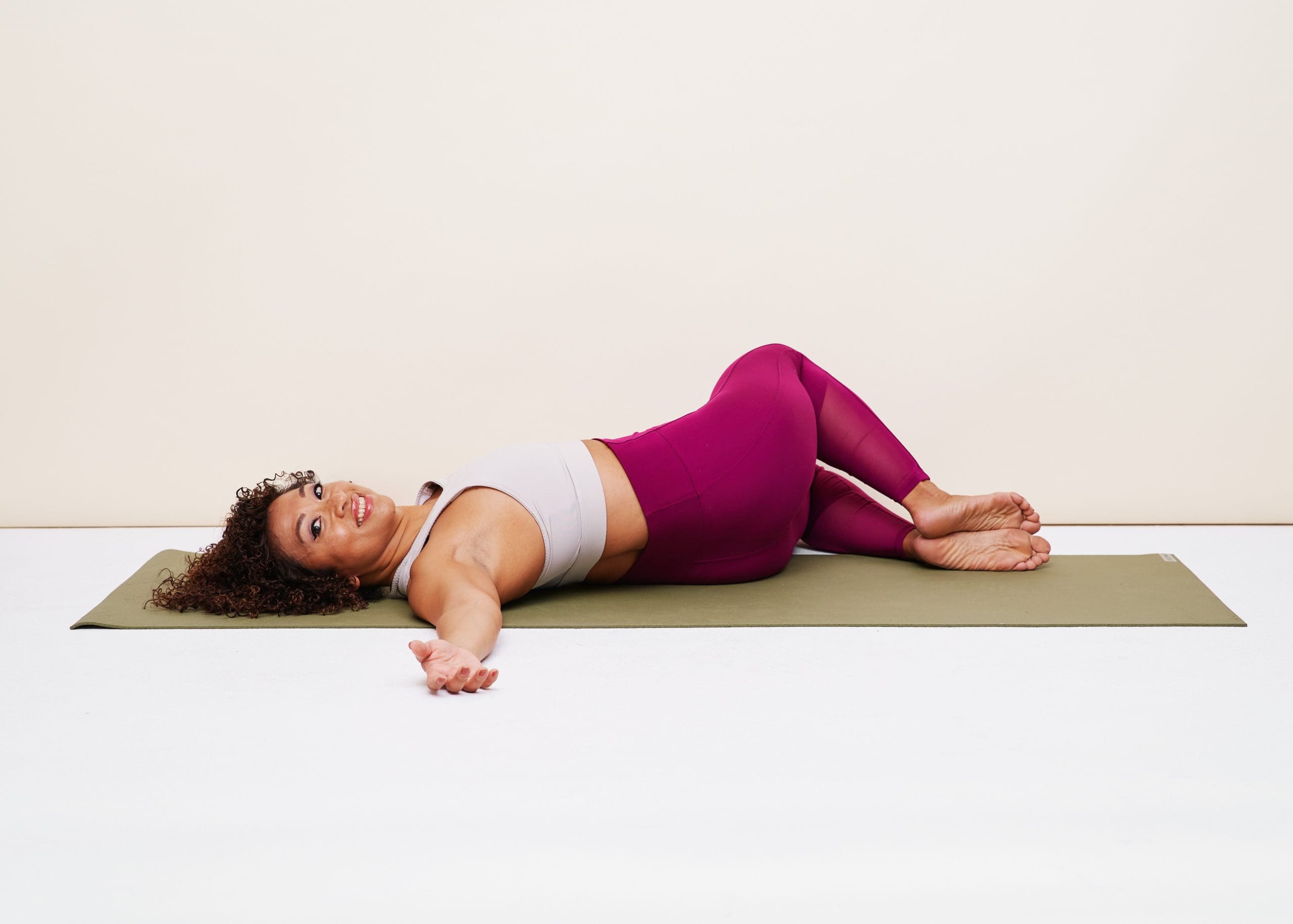
Using flexibility training tools can enhance your stretching routine and help improve overall flexibility. These tools provide additional support, assistance, and resistance, allowing you to safely and effectively deepen your stretches.
Stretch bands
Stretch bands, also known as resistance bands or exercise bands, are versatile tools that can be used to improve flexibility and strengthen your muscles. These bands come in various resistance levels and can be used to add difficulty to your exercises or assist with stretching movements. Stretch bands are especially useful for targeting the arms, shoulders, and legs.
Flexibility balls
Flexibility balls, also known as exercise balls or stability balls, are large inflatable balls that can be used to improve balance, stability, and flexibility. These balls provide an unstable surface, which engages your core muscles and challenges your balance while performing exercises or stretches. Flexibility balls are particularly effective for targeting the core, hips, and lower body.
Yoga blocks
Yoga blocks are foam blocks that provide support during yoga poses and stretches. These blocks can be used to modify poses and help you maintain proper alignment while increasing flexibility. Yoga blocks are particularly beneficial for individuals with tight muscles or limited flexibility, as they allow you to gradually deepen your stretches without straining or overexerting.
Resistance bands
Resistance bands, also known as exercise bands or strength bands, are elastic bands that provide resistance for muscle strengthening and flexibility exercises. These bands come in various resistance levels and can be used to target specific muscle groups, increase range of motion, and enhance overall flexibility. Resistance bands are an effective tool for both beginners and advanced individuals looking to improve flexibility and strength.
Tai Chi
Tai Chi is a Chinese martial art that combines gentle flowing movements, deep breathing, and meditation. This ancient practice promotes balance, flexibility, and overall well-being. Incorporating Tai Chi into your fitness routine can help improve joint mobility, reduce stress, and increase body awareness.
Cloud hands
Cloud hands is a fundamental movement in Tai Chi that helps improve flexibility in the arms, shoulders, and torso. To perform this movement, stand with your feet shoulder-width apart and your knees slightly bent. Extend your arms in front of you and move them in a circular motion, as if you were gently scooping water from a cloud. Cloud hands can help release tension in the upper body and promote a sense of calm and relaxation.
Wave hands like clouds
Wave hands like clouds is another fluid movement in Tai Chi that stretches the arms, shoulders, and back. To perform this movement, stand with your feet shoulder-width apart and your knees slightly bent. Extend your arms to the sides and move them in a flowing motion, as if you were gently parting clouds. Wave hands like clouds can help improve shoulder mobility and increase flexibility in the upper body.
Brush knee and push
Brush knee and push is a Tai Chi movement that focuses on the legs, hips, and core. To perform this movement, stand with your feet shoulder-width apart and your knees slightly bent. Step forward with one foot and bend your knee, while simultaneously extending your opposite hand forward. Push through your front heel and return to the starting position. Brush knee and push can help improve lower body flexibility and strengthen the legs and core.
Lotus kick
Lotus kick is a dynamic movement in Tai Chi that stretches the legs, hips, and lower back. To perform this movement, stand with your feet hip-width apart and your knees slightly bent. Lift one leg and extend it forward, then swing it out to the side in a gentle kicking motion. Return to the starting position and repeat on the other leg. Lotus kick can help increase flexibility in the legs and improve balance and coordination.
Dancing
Dancing is a fun and expressive way to improve flexibility and range of motion. Whether you prefer ballet, contemporary, hip hop, or salsa, dancing offers numerous benefits for both the body and mind. By incorporating dance into your fitness routine, you can improve coordination, increase flexibility, and boost cardiovascular fitness.
Ballet
Ballet is a classical form of dance that focuses on grace, precision, and strength. Ballet exercises and movements, such as pliés, tendus, and grand battements, help improve flexibility in the legs, hips, and back. Ballet classes often include stretching exercises and barre work to enhance overall range of motion and muscle flexibility.
Contemporary
Contemporary dance is a modern form of dance that incorporates elements from ballet, jazz, and lyrical dance. Contemporary dance movements are often fluid and organic, allowing for greater freedom of expression and creativity. This form of dance promotes flexibility in the entire body, as it involves a combination of floor work, leaps, and controlled movements.
Hip hop
Hip hop dance is a popular urban dance style characterized by its energetic and rhythmic movements. Hip hop routines typically involve a combination of popping, locking, and breaking, which require flexibility and agility in the joints and muscles. By practicing hip hop dance, you can improve lower body flexibility, strengthen core muscles, and enhance coordination and rhythm.
Salsa
Salsa dancing is a vibrant and lively dance style that originated in Latin America. Salsa routines involve intricate footwork, partner work, and body isolations, which require a high level of flexibility and coordination. By learning salsa dance, you can improve flexibility in the hips, knees, and ankles, enhance posture, and strengthen the cardiovascular system.
Dynamic Exercise Techniques
Dynamic exercise techniques involve a series of movements that are performed in a rhythmic and repetitive manner. These techniques are commonly used to warm up the body, increase blood flow to the muscles, and enhance overall flexibility and range of motion.
Leg swings
Leg swings are a dynamic exercise that targets the hip flexors, hamstrings, and glutes. To perform leg swings, stand beside a wall or support and swing one leg forward and backward, keeping your torso upright and your core engaged. This exercise helps increase flexibility in the hip joints and improves overall leg mobility.
Arm circles
Arm circles are a dynamic exercise that targets the muscles in the shoulders, arms, and upper back. To perform arm circles, stand with your feet shoulder-width apart and extend your arms out to the sides. Make small circles with your arms, gradually increasing the size of the circles. This exercise helps warm up the shoulder joints and enhance upper body flexibility.
Shoulder dislocations
Shoulder dislocations are a dynamic exercise that stretches the muscles and ligaments in the shoulders and upper back. To perform shoulder dislocations, hold a resistance band or towel with a wide grip and raise it overhead. Slowly lower the band behind your body and then return it to the starting position. This exercise improves shoulder mobility and increases flexibility in the chest and upper back.
Chest openers
Chest openers are a dynamic exercise that stretches the muscles in the chest and shoulders. To perform chest openers, stand with your feet shoulder-width apart and interlace your fingers behind your back. Gently lift your arms away from your body while squeezing your shoulder blades together. This exercise helps open up the chest and improve overall posture.
Swimming
Swimming is a low-impact, full-body exercise that improves cardiovascular fitness, builds strength, and enhances flexibility. By incorporating different swimming strokes into your workout routine, you can target various muscle groups and increase your range of motion.
Front crawl
Front crawl, also known as freestyle, is the fastest and most efficient swimming stroke. By extending your arms forward and pulling them back in a continuous motion, you can target the muscles in your back, shoulders, and arms. Front crawl helps improve upper body flexibility and enhances overall cardiovascular fitness.
Backstroke
Backstroke involves lying on your back and kicking your legs while alternating your arm movements. This swimming stroke targets the muscles in your back, shoulders, and legs. Backstroke helps improve shoulder flexibility, strengthens the muscles along the spine, and promotes relaxation.
Butterfly stroke
Butterfly stroke, also known as fly, is a challenging swimming stroke that requires strong arm and leg coordination. By performing a dolphin kick and simultaneously bringing your arms forward, then pulling them back in a powerful sweeping motion, you can target the muscles in your chest, shoulders, back, and legs. Butterfly stroke helps improve upper body strength and enhances overall flexibility.
Breaststroke
Breaststroke involves a whip kick and a simultaneous arm pull, resulting in a frog-like motion. This swimming stroke targets the muscles in your chest, shoulders, and legs. Breaststroke helps improve hip flexibility, strengthens the muscles in the chest and shoulders, and increases overall stamina.
Pilates Reformer
The Pilates reformer is a specialized piece of equipment that offers a wide range of exercises to improve flexibility, strength, and stability. It consists of a sliding carriage, springs, and various attachments that allow for different levels of resistance and movement.
Footwork
Footwork on the Pilates reformer involves sliding the carriage back and forth with your feet while lying on your back. This exercise targets the muscles in the legs, hips, and core. By adding resistance and adjusting the spring tension, you can increase the challenge and enhance lower body flexibility.
Long stretch
Long stretch on the Pilates reformer involves performing a series of exercises that engage the core muscles and promote flexibility in the shoulders, chest, and hips. By pushing the carriage away with your arms and maintaining stability through your core, you can enhance upper body strength and increase overall range of motion.
Short box series
Short box series on the Pilates reformer is a sequence of exercises that target the muscles in the core, back, and legs. This series includes movements such as spine stretch forward, side stretches, and twist, which help improve spinal mobility, strengthen the abdominal muscles, and increase overall flexibility.
Swan
Swan on the Pilates reformer is a movement that focuses on back extension and strengthening the muscles of the upper and lower back. By lying face down on the carriage and pressing through your hands, you can lift your upper body off the carriage and lengthen the spine. Swan helps promote better posture, increase back flexibility, and strengthen the muscles along the spine.
Incorporating stretching exercises, yoga and Pilates, foam rolling, resistance training, flexibility training tools, Tai Chi, dancing, dynamic exercise techniques, swimming, and Pilates reformer exercises into your fitness routine can have a profound impact on your overall flexibility and range of motion. With consistency and proper form, these exercises and techniques can help you achieve greater mobility, prevent injuries, and enhance your athletic performance. Remember to always warm up before exercising, listen to your body’s limitations, and gradually increase intensity and duration as your flexibility improves. Get ready to stretch, move, and strengthen your way to better flexibility and range of motion!