
Welcome to an insightful article about the impact of stress on women’s hormonal balance. As a woman, you may have experienced the negative effects of stress on your body and emotions. Stress can disrupt your hormonal balance, leading to various health issues such as irregular periods, weight gain, and mood swings. This article will explore the ways in which stress affects your hormones and provide helpful tips on how to manage stress for better hormonal health. Stay tuned to learn more about taking control of your well-being. Have you ever wondered how stress can impact your hormonal balance, especially as a woman? Let’s explore the various ways stress can affect your hormones and what you can do to maintain a healthy balance.
Understanding the Hormonal System
The hormonal system in your body plays a crucial role in regulating various processes, such as metabolism, growth, and reproduction. Hormones are chemical messengers that are produced by glands in the endocrine system and are released into the bloodstream to target specific organs and tissues.
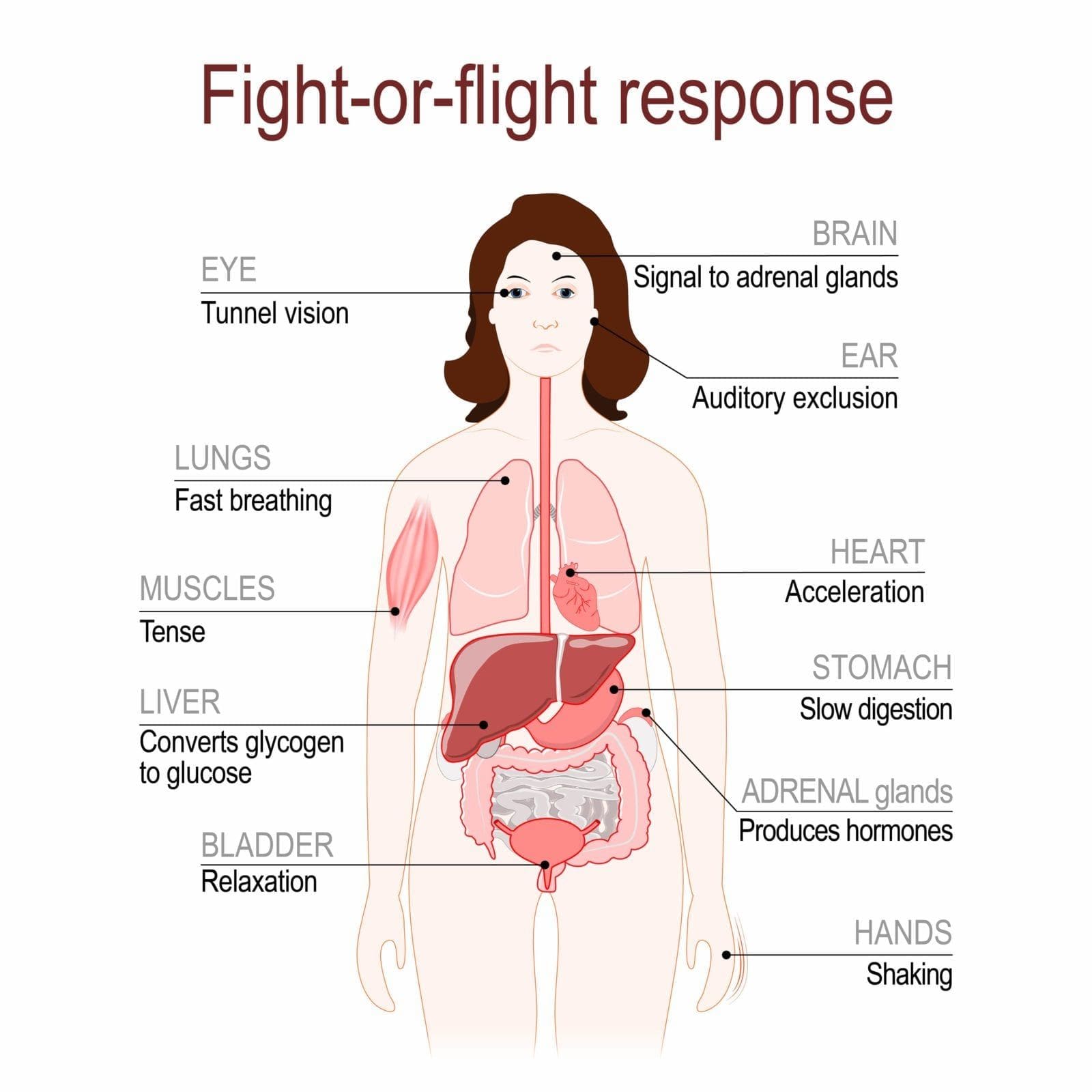
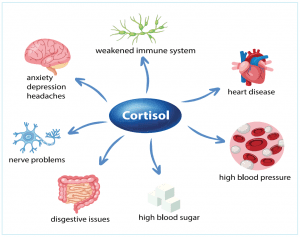
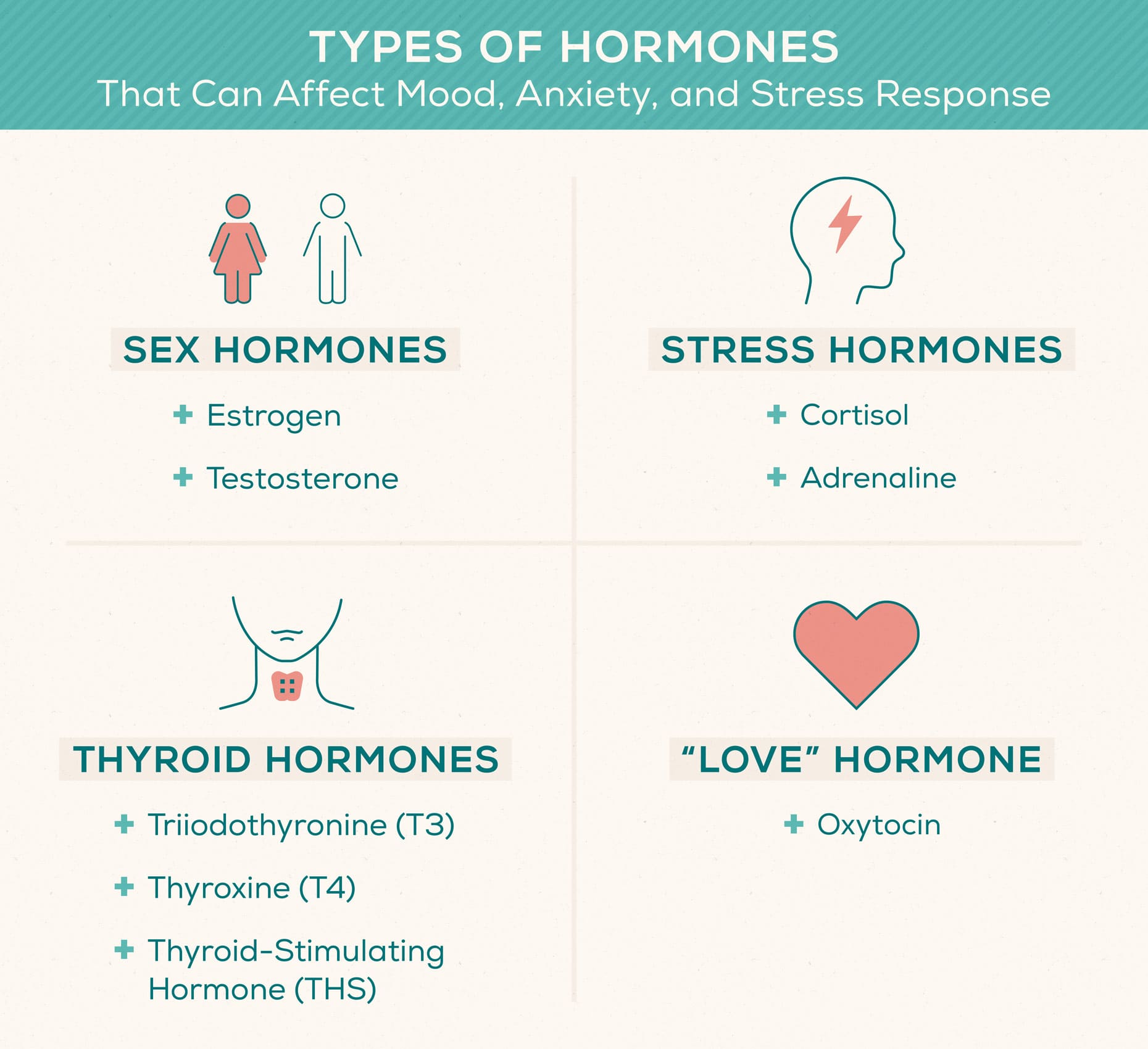
As a woman, your hormonal balance can be influenced by a variety of factors, including stress. When you experience stress, your body releases the hormone cortisol, which is often referred to as the “stress hormone.” Cortisol helps your body respond to stressful situations by increasing your heart rate, blood pressure, and energy levels.
The Role of Cortisol
Cortisol is essential for your body’s fight or flight response, which is a natural survival mechanism. However, chronically high levels of cortisol due to persistent stress can disrupt your hormonal balance and lead to a variety of health issues.
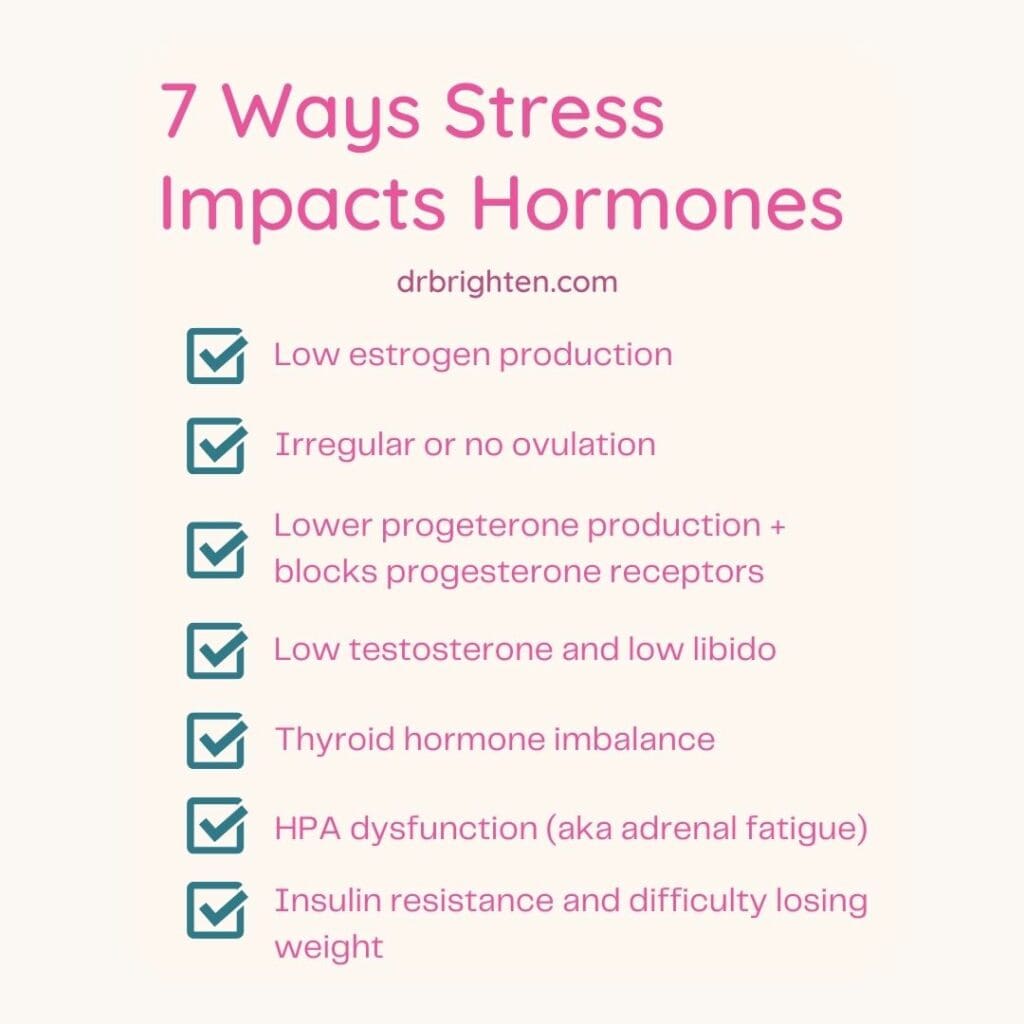
When cortisol levels remain elevated for extended periods, it can interfere with the production and function of other hormones in your body, such as estrogen, progesterone, and testosterone. This disruption can result in irregular menstrual cycles, fertility issues, weight gain, mood swings, and other hormonal imbalances.
Symptoms of Hormonal Imbalance
Recognizing the symptoms of hormonal imbalance is crucial for addressing the underlying causes and restoring equilibrium in your hormonal system. Here are some common symptoms that may indicate a hormonal imbalance:
- Irregular menstrual cycles
- Mood swings
- Weight fluctuations
- Fatigue
- Hair loss
- Acne
- Changes in libido
If you are experiencing any of these symptoms, it’s essential to consult with a healthcare provider to determine the root cause of your hormonal imbalance and develop a treatment plan.
Managing Stress to Restore Hormonal Balance
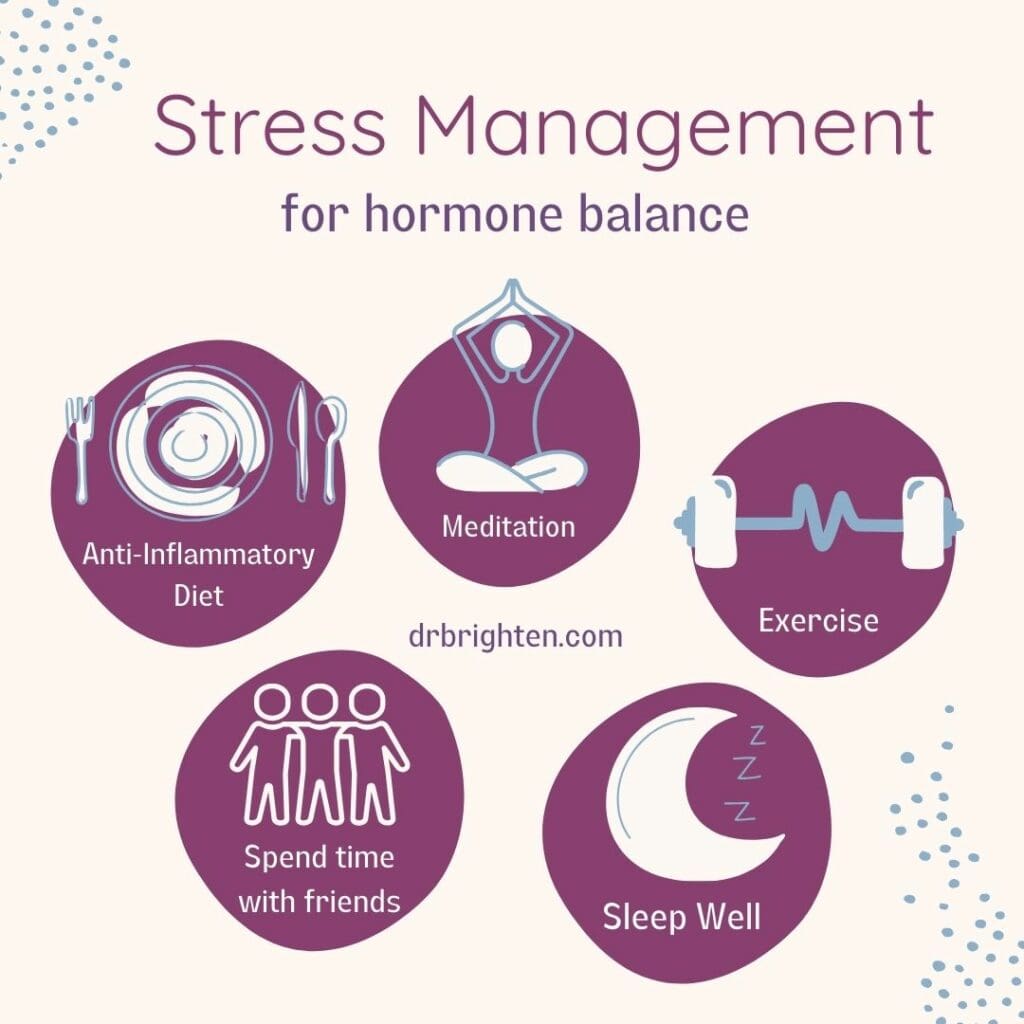
Managing stress is key to restoring hormonal balance and promoting overall health and well-being. Here are some strategies to help you effectively manage stress and support your hormonal system:
| Stress Management Strategies |
|---|
| Practice relaxation techniques, such as deep breathing, meditation, or yoga |
| Engage in regular physical activity to reduce stress levels |
| Prioritize sleep and establish a consistent sleep routine |
| Maintain a healthy diet rich in nutrient-dense foods |
By implementing these stress management strategies into your daily routine, you can help reduce cortisol levels, support your hormonal balance, and improve your overall quality of life.
The Impact of Stress on Menstrual Health
Stress can have a significant impact on your menstrual health, leading to irregular periods, menstrual cramps, and other menstrual disorders. The menstrual cycle is regulated by a delicate balance of hormones, including estrogen and progesterone.
Menstrual Irregularities
When you experience stress, your body’s production of cortisol increases, which can disrupt the delicate balance of hormone levels necessary for a regular menstrual cycle. High levels of cortisol can interfere with the production of estrogen and progesterone, leading to irregular periods, missed periods, or even amenorrhea (absence of menstruation).
If you are experiencing irregular periods or other menstrual health issues, it’s essential to address the underlying stressors and work towards restoring hormonal balance. Practicing stress management techniques and seeking support from a healthcare provider can help you regain control of your menstrual health.
Coping with Menstrual Cramps
Menstrual cramps are a common symptom of menstruation that can be exacerbated by stress. Stress can intensify the sensation of pain and discomfort associated with menstrual cramps, making it challenging to manage during your period.
To cope with menstrual cramps and reduce stress-related pain, consider trying the following methods:
- Apply a heating pad or hot water bottle to the lower abdomen
- Engage in gentle exercise, such as walking or yoga, to alleviate cramping
- Practice relaxation techniques, such as progressive muscle relaxation or guided imagery
- Take over-the-counter pain relief medication, if necessary
By managing stress and implementing coping strategies, you can reduce the intensity of menstrual cramps and improve your overall menstrual health.
Fertility Issues and Stress
Stress can also impact your fertility by disrupting hormone production and function, affecting ovulation, and reducing your chances of conceiving. Achieving and maintaining a healthy hormonal balance is essential for optimal fertility and reproductive health.
Effects of stress on Ovulation
Ovulation is a critical process in the menstrual cycle, where an egg is released from the ovary for potential fertilization. Stress can disrupt ovulation by affecting the production of luteinizing hormone (LH) and follicle-stimulating hormone (FSH), both of which are essential for successful ovulation.
When cortisol levels are elevated due to stress, it can interfere with the normal release of LH and FSH, leading to irregular ovulation or anovulation (lack of ovulation). This disruption can significantly impact your fertility and make it challenging to conceive.
Tips for Enhancing Fertility
If you are experiencing fertility issues due to stress, there are steps you can take to support your reproductive health and improve your chances of conceiving:
| Fertility-Enhancing Strategies |
|---|
| Reduce stress levels through relaxation techniques and stress management |
| Maintain a healthy diet and engage in regular physical activity |
| Track your menstrual cycle and ovulation to identify fertile days |
| Seek support from a fertility specialist or healthcare provider |
By addressing stress and supporting your hormonal balance, you can enhance your fertility and increase your chances of successfully conceiving.
Hormonal Imbalance and Weight Gain
Stress-induced hormonal imbalances can also contribute to weight gain, particularly around the abdomen, due to the impact of cortisol on metabolism and appetite regulation. Understanding the connection between stress, hormones, and weight gain is essential for managing your weight effectively.
Cortisol and Weight Gain
When cortisol levels are elevated due to stress, it can influence your body’s metabolism, causing an increase in appetite, particularly for high-calorie and sugary foods. Excess cortisol can also promote the storage of fat, especially in the abdominal area, leading to weight gain.
Chronic stress can contribute to the development of visceral fat, which surrounds internal organs and increases the risk of metabolic disorders, such as diabetes and cardiovascular disease. Managing stress and maintaining a healthy hormonal balance are crucial for achieving and maintaining a healthy weight.
Strategies for Managing Weight with Hormonal Balance
To effectively manage weight gain associated with hormonal imbalance and stress, consider implementing the following strategies:
- Prioritize stress management and relaxation techniques to reduce cortisol levels
- Maintain a balanced and nutritious diet to support optimal hormonal function
- Engage in regular physical activity to promote metabolism and weight loss
- Practice mindful eating and portion control to prevent emotional eating
By combining these strategies with a focus on stress management and hormonal balance, you can effectively manage your weight and support your overall health and well-being.
Managing Stress and Supporting Hormonal Balance
Incorporating stress management techniques and practices to support your hormonal balance is essential for promoting overall health and well-being as a woman. By prioritizing self-care, implementing healthy lifestyle habits, and seeking support when needed, you can effectively manage stress and maintain a healthy hormonal balance.
Self-Care Practices for Stress Management
Self-care is a crucial component of stress management and hormonal balance, as it allows you to prioritize your well-being and mental health. Consider incorporating the following self-care practices into your daily routine:
| Self-Care Practices |
|---|
| Engage in activities that bring you joy and relaxation, such as reading, painting, or gardening |
| Practice mindfulness and meditation to reduce stress and promote relaxation |
| Spend time outdoors and connect with nature to improve your mood and mental well-being |
| Maintain social connections and build a support network to help you cope with stress |
By prioritizing self-care and creating space for relaxation and rejuvenation, you can effectively manage stress and support your hormonal balance.
Healthy Lifestyle Habits for Hormonal Health
Maintaining healthy lifestyle habits is essential for preserving hormonal balance and promoting overall health. Consider adopting the following habits to support your hormonal system:
| Healthy Lifestyle Habits |
|---|
| Eat a balanced diet rich in fruits, vegetables, whole grains, and lean proteins |
| Stay hydrated by drinking an adequate amount of water throughout the day |
| Engage in regular physical activity, such as cardio, strength training, or yoga |
| Get an adequate amount of sleep each night to support hormone regulation |
By prioritizing healthy lifestyle habits and incorporating them into your daily routine, you can support your hormonal balance and enhance your overall well-being.
Seeking Support for Hormonal Imbalance
If you are experiencing persistent symptoms of hormonal imbalance despite implementing stress management techniques and healthy lifestyle habits, it’s essential to seek support from a healthcare provider. A healthcare provider can help you identify the underlying causes of your hormonal imbalance, recommend appropriate treatment options, and guide you towards restoring equilibrium in your hormonal system.
By being proactive about your hormonal health and seeking support when needed, you can address hormonal imbalances effectively and work towards achieving optimal health and wellness.
In conclusion, the impact of stress on women’s hormonal balance is significant and can manifest in various ways, affecting menstrual health, fertility, weight gain, and overall well-being. By understanding the relationship between stress and hormones, implementing stress management strategies, and prioritizing self-care and healthy lifestyle habits, you can support your hormonal balance and promote optimal health as a woman. Remember, your hormonal health is essential for your overall well-being, so take care of yourself and seek support when needed.