
In this article, you will learn about the common risks associated with male pattern baldness. From genetics to age to lifestyle factors, understanding these risks can help you take proactive steps to prevent or slow down hair loss. By gaining insight into the causes and potential treatments for male pattern baldness, you can make informed decisions about your hair health and overall well-being. Stay informed and empower yourself in the journey to maintain a healthy head of hair. Have you noticed thinning hair or a receding hairline? Male pattern baldness affects millions of men worldwide, but do you truly understand the risks associated with this common condition? Let’s explore the intricacies of male pattern baldness together.
Male Pattern Baldness: What Is It?
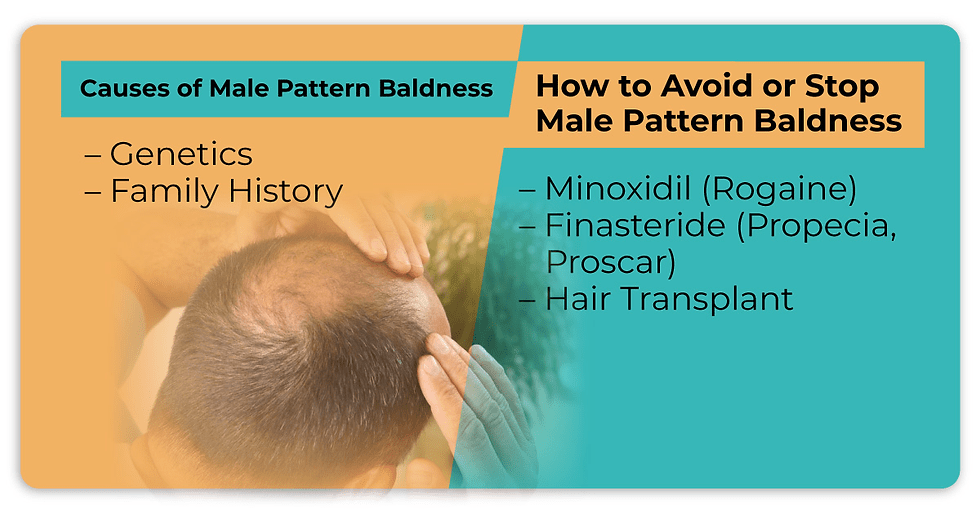
Male pattern baldness, also known as androgenetic alopecia, is the most common type of hair loss in men. It typically follows a specific pattern, starting with a receding hairline and thinning at the crown. Understanding the underlying causes of male pattern baldness is crucial in addressing the condition effectively.

Genetic Predisposition
One of the primary risk factors for male pattern baldness is genetics. If you have a family history of baldness, especially on your mother or father’s side, you are more likely to experience hair loss yourself. The condition is believed to be inherited from your parents, particularly through genes related to hair follicle sensitivity to dihydrotestosterone (DHT), a hormone that plays a significant role in hair thinning.
Hormonal Imbalance
Hormones also play a crucial role in male pattern baldness. Testosterone, the primary male sex hormone, gets converted into DHT by an enzyme called 5-alpha reductase. An excess of DHT can shrink hair follicles, leading to shorter growth cycles and finer hair. Understanding how hormonal imbalance contributes to male pattern baldness is essential in developing effective treatment strategies.
The Stages of Male Pattern Baldness
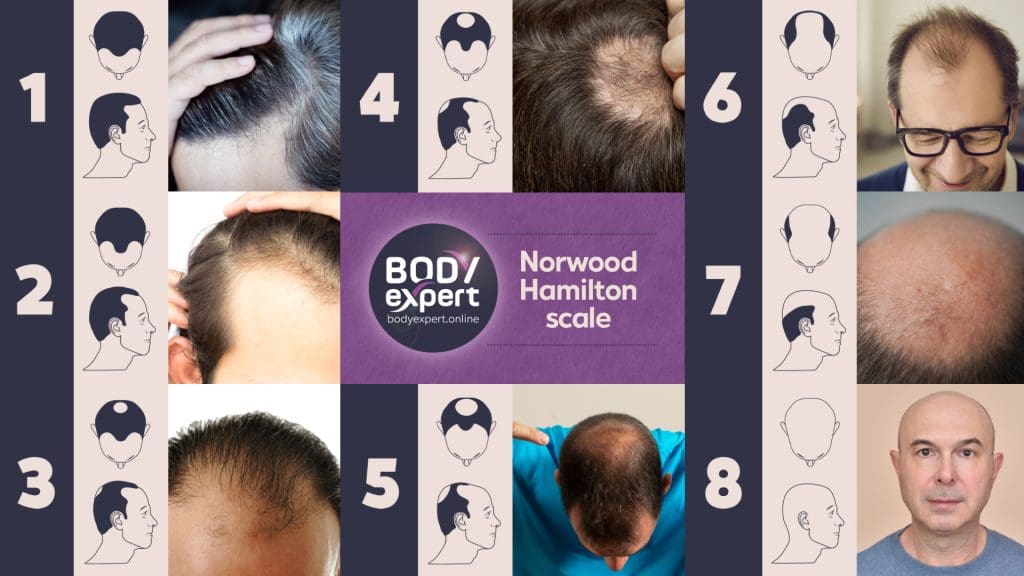
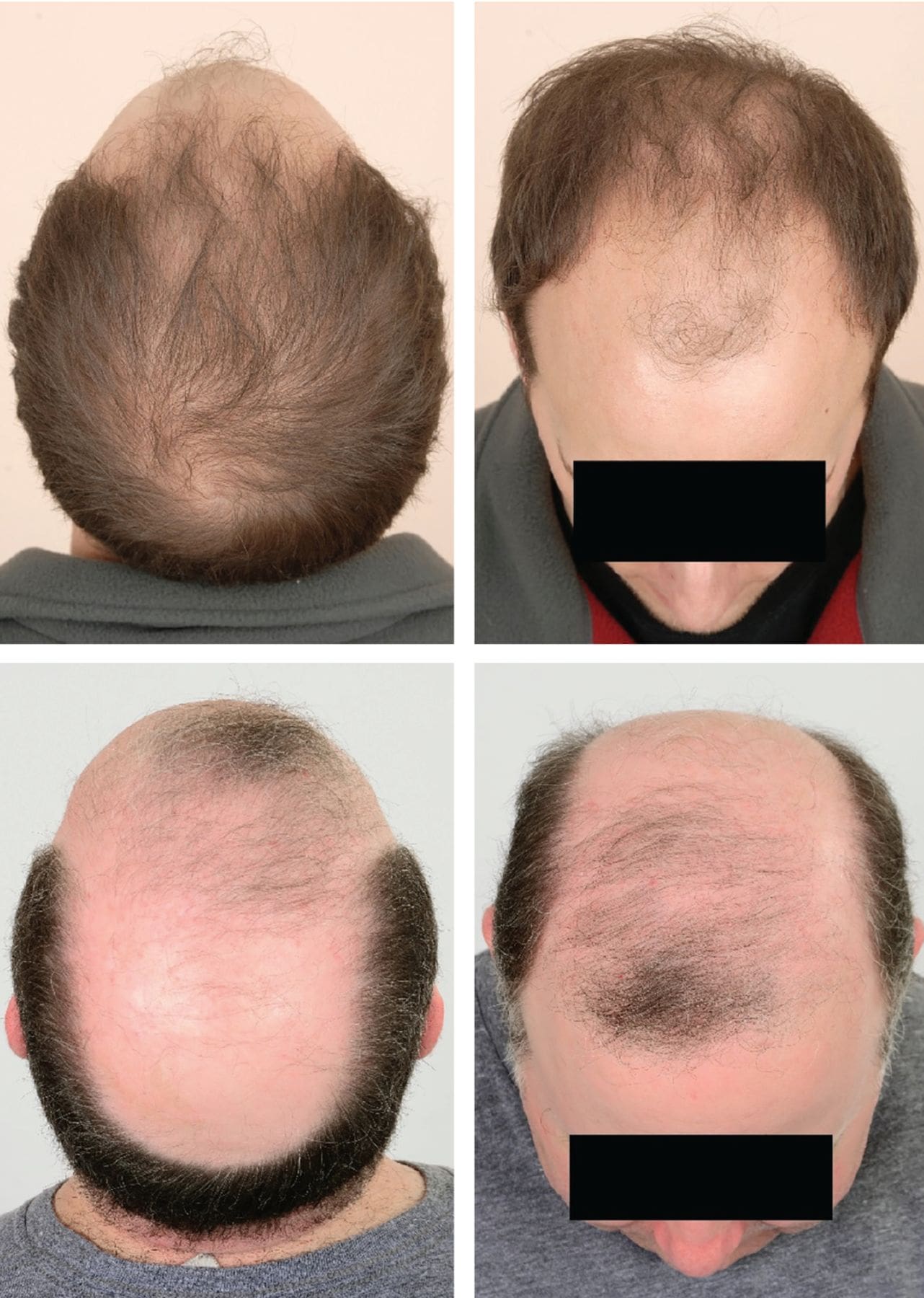
Male pattern baldness typically progresses through recognizable stages, known as the Norwood scale. Understanding these stages can help you determine where you currently stand in the hair loss process and what to expect in the future.
Norwood Scale
The Norwood scale is a classification system that categorizes male pattern baldness based on its severity. It ranges from stages I to VII, with each stage representing a different level of hair loss progression. Identifying your stage on the Norwood scale can assist you in selecting appropriate treatment options and setting realistic expectations for hair restoration.
| Norwood Stage | Description |
|---|---|
| I | Minimal to no hair loss, considered normal |
| II | Receding hairline at the temples |
| III | Deepening recession at the temples |
| IV | Widening of the central part of the scalp |
| V | Thinning at the crown with more pronounced receding hairline |
| VI | Continued loss at the crown, connecting the front and back |
| VII | Only a band of hair around the sides and back |
Hair Growth Cycle
Understanding the hair growth cycle is essential in comprehending male pattern baldness. Hair follicles go through three main phases: anagen (growth), catagen (transition), and telogen (rest). In male pattern baldness, the anagen phase shortens while the telogen phase lengthens, resulting in finer and shorter hair growth. Knowing how the hair growth cycle is affected by male pattern baldness can help you choose effective hair loss treatments.
The Psychological Impact of Male Pattern Baldness
The emotional toll of male pattern baldness should not be overlooked. Beyond its physical manifestations, hair loss can have a significant impact on your self-esteem and confidence. It’s vital to address the psychological aspects of male pattern baldness along with its physical effects.
Self-Esteem and Body Image
Hair is often closely tied to self-image and body confidence. Experiencing hair loss can lead to feelings of low self-esteem, insecurity, and social anxiety. Understanding how male pattern baldness affects your self-esteem is essential in maintaining a positive body image and mental well-being.
Social Perception
Society’s perception of male pattern baldness can also influence how you view yourself. Hair is often associated with youthfulness, vitality, and attractiveness, making balding men feel less desirable or less competitive in social situations. Recognizing how societal norms impact your perception of male pattern baldness can help you navigate these challenges with confidence and resilience.
Treatment Options for Male Pattern Baldness
Fortunately, several treatment options are available for male pattern baldness, ranging from medications to surgical procedures. Understanding these treatment options and their effectiveness is crucial in managing and potentially reversing hair loss.

Medications
Medications such as minoxidil (Rogaine) and finasteride (Propecia) are commonly used to treat male pattern baldness. Minoxidil is a topical solution that promotes hair growth, while finasteride is an oral medication that inhibits the production of DHT. Understanding how these medications work, their potential side effects, and their success rates is essential in making informed decisions about your hair loss treatment.
Platelet-Rich Plasma (PRP) Therapy
Platelet-rich plasma therapy involves injecting a concentrated form of platelets from your blood into the scalp to stimulate hair growth. This non-invasive treatment has gained popularity for its potential to boost hair growth and improve hair density. Understanding how PRP therapy works and its benefits can help you decide if it’s the right option for your male pattern baldness.
Hair Transplant Surgery
Hair transplant surgery is a more permanent solution for male pattern baldness. It involves transplanting hair follicles from donor areas to balding or thinning areas on the scalp. Understanding the different types of hair transplant procedures, such as follicular unit extraction (FUE) and follicular unit transplantation (FUT), is essential in determining the most suitable approach for your hair restoration goals.
Preventing Male Pattern Baldness
While genetic factors play a significant role in male pattern baldness, certain lifestyle changes can help prevent or slow down hair loss progression. Understanding these preventive measures and incorporating them into your daily routine can support healthy hair growth and overall scalp health.
Healthy Diet and Nutrition
A balanced diet rich in essential nutrients, vitamins, and minerals is vital for maintaining healthy hair. Foods high in protein, iron, vitamin D, and omega-3 fatty acids can promote hair growth and reduce hair loss. Understanding how nutrition impacts your hair health can guide you in making healthy food choices to support your hair growth goals.
Stress Management
Chronic stress and anxiety can contribute to hair loss and exacerbate male pattern baldness. Implementing stress management techniques, such as meditation, yoga, or relaxation exercises, can help reduce cortisol levels and support healthy hair growth. Understanding the role of stress in male pattern baldness is crucial in maintaining a balanced lifestyle for optimal hair health.
In Conclusion
Male pattern baldness is a common condition that affects many men, but understanding its risks and treatment options can help you address hair loss effectively. By exploring the causes of male pattern baldness, recognizing its stages, and considering treatment and prevention strategies, you can take proactive steps to manage your hair loss and restore your confidence. Remember, seeking professional advice from dermatologists or hair loss specialists is essential in developing a personalized treatment plan tailored to your specific needs. Don’t let male pattern baldness define you – take control of your hair health and embrace your journey towards a fuller, healthier mane.