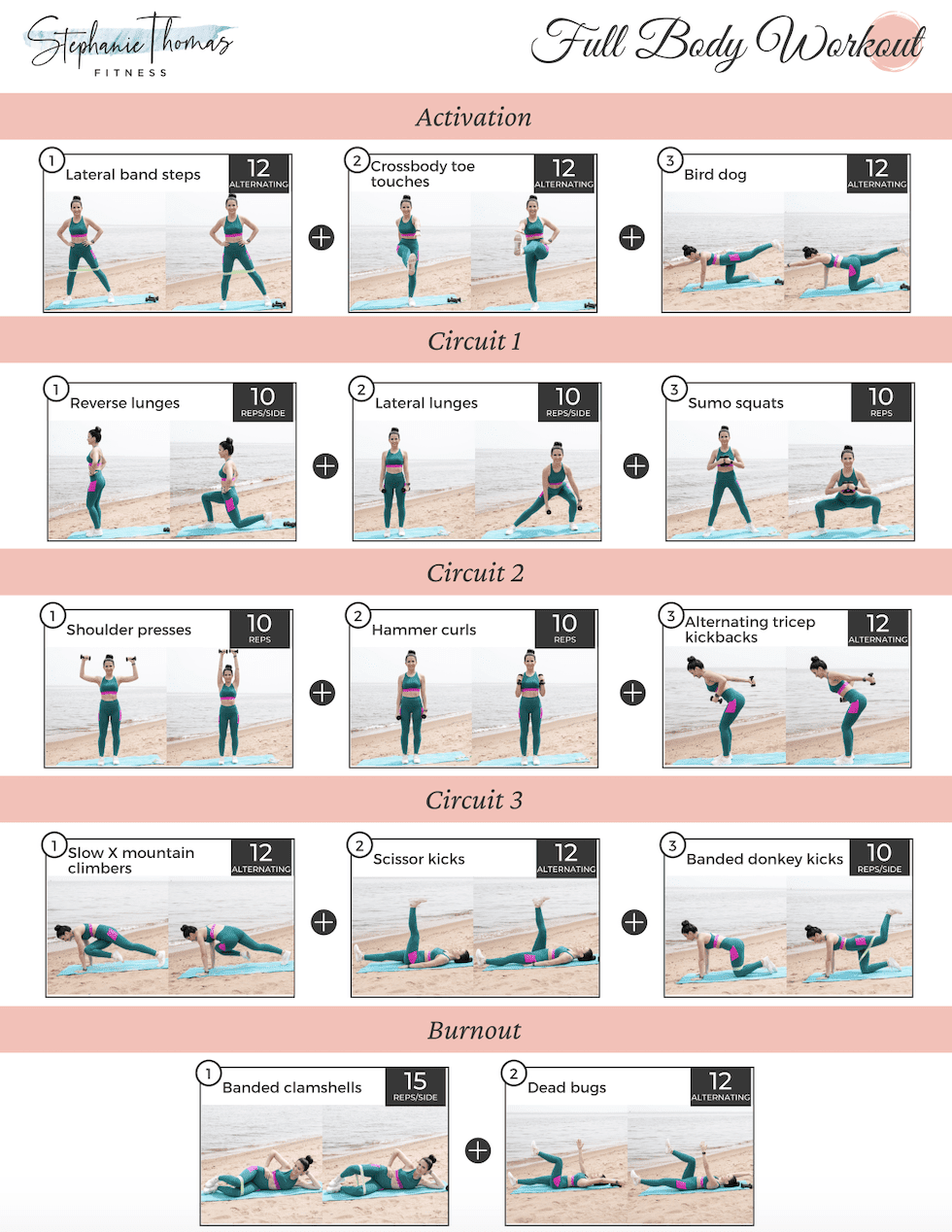
If you’re looking to establish a successful home workout routine, these 10 essential tips will guide you in the right direction. Whether you’re a beginner or a seasoned fitness enthusiast, these tips will help you maximize your results and stay motivated in the comfort of your own home. From setting specific goals to creating a dedicated workout space, incorporating these tips into your routine will ensure that you achieve your fitness aspirations and maintain a healthy lifestyle.
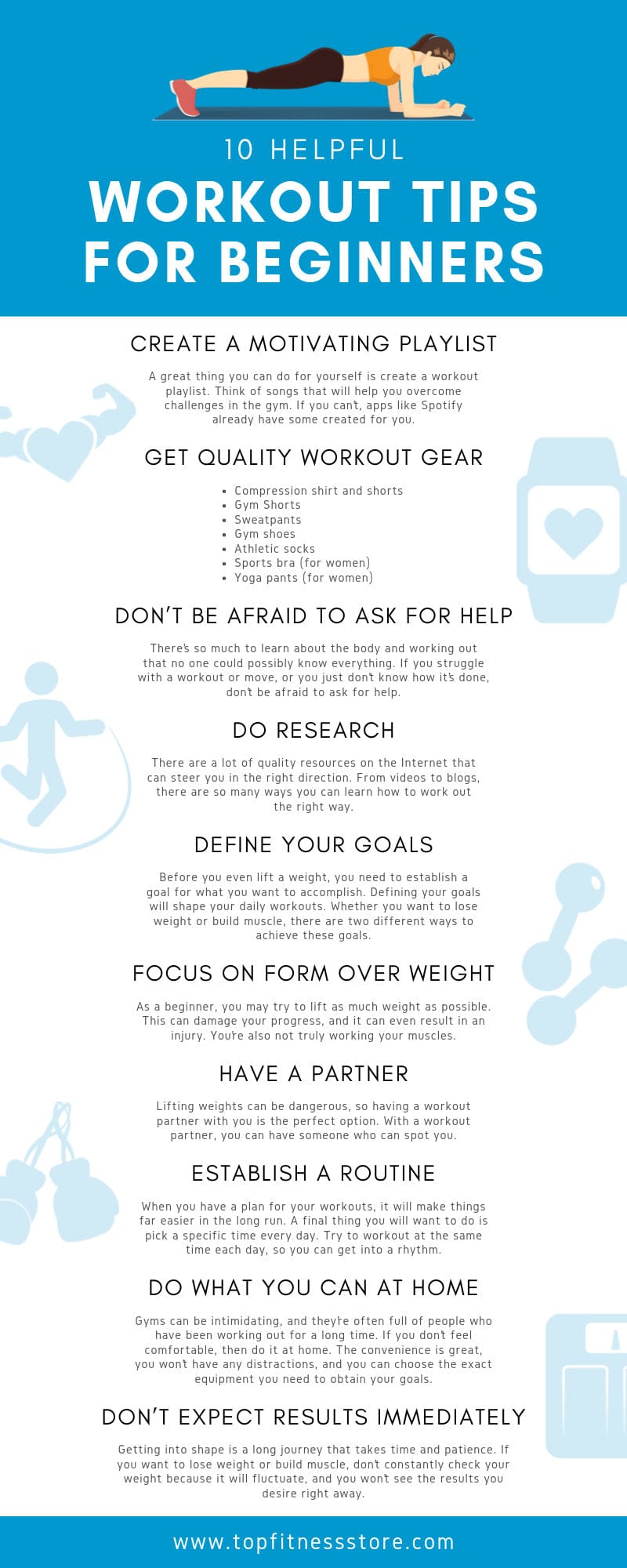
Setting Up Your Space
Designate a dedicated workout area
To start your home workout routine off right, it’s important to designate a dedicated workout area in your home. This could be a spare room, a corner of your living room, or even just a cleared-out space in your garage. Having a designated area will help you focus and get into the right mindset for your workouts.
Clear the space of any obstacles
Once you have chosen your workout area, make sure to clear it of any obstacles. Remove any furniture or items that could get in the way and potentially cause accidents or injuries during your workout. Creating a clear and open space will allow you to move freely and safely.
Provide proper ventilation and lighting
Ventilation and lighting are two key factors to consider when setting up your workout space. Good ventilation will ensure that you have fresh air circulating throughout your workout, preventing you from overheating and feeling uncomfortable. Additionally, adequate lighting will help you see your surroundings and maintain proper form during exercises. Natural lighting is ideal, but if that’s not possible, consider investing in bright and adjustable artificial lighting.
Choosing the Right Equipment
Assess your fitness goals
Before purchasing any equipment, take the time to assess your fitness goals. Are you looking to build strength, improve flexibility, or increase cardiovascular fitness? Understanding your goals will help you determine which types of equipment will be most beneficial for your workouts.
Invest in versatile and compact equipment
When it comes to home workouts, it’s important to choose equipment that is versatile and compact. This will allow you to perform a wide range of exercises without taking up too much space in your home. Some examples of versatile equipment include dumbbells, resistance bands, and stability balls.
Consider budget-friendly options
Working out at home doesn’t have to break the bank. Consider budget-friendly options when choosing equipment. Look for sales or second-hand items, or even consider using household items as makeshift equipment. For example, canned goods can be used as weights, and a towel can be used for stretching exercises.
Creating a Schedule
Set aside dedicated workout time
To ensure consistency with your home workouts, set aside dedicated workout time in your daily or weekly schedule. Treat these workout sessions like any other important appointment and make them non-negotiable. Consistency is key to achieving your fitness goals.
Balance different types of exercises
When creating a workout schedule, aim to balance different types of exercises. Include a mix of strength training, cardiovascular exercises, and flexibility training. This will help you work different muscle groups, improve overall fitness, and prevent boredom with your routine.
Consider your energy levels throughout the day
Take your energy levels into consideration when scheduling your workouts. Some people have more energy and motivation in the morning, while others prefer to exercise in the afternoons or evenings. Choose a time that works best for you and aligns with your natural energy patterns.
Warming Up and Cooling Down
Engage in dynamic stretching before workouts
Before starting any workout, it’s important to engage in dynamic stretching. Dynamic stretching involves active movements that warm up your muscles and increase your range of motion. Examples include arm circles, leg swings, and torso twists. Dynamic stretching prepares your body for the upcoming exercises and helps prevent injuries.
Include a short cardio session
Incorporating a short cardio session at the beginning of your workout can further warm up your body and get your heart rate up. This can be as simple as jumping jacks, jogging in place, or using a skipping rope. A short burst of cardio will help increase blood flow and prepare your body for the upcoming exercises.
Conclude with static stretching and deep breathing
After your workout, take the time to cool down and stretch your muscles. Static stretching involves holding stretches for a longer period, targeting the muscles you worked during your workout. This helps improve flexibility and reduce post-workout muscle soreness. Deep breathing exercises can also aid in relaxation and recovery.
Variety is Key
Incorporate different types of exercises
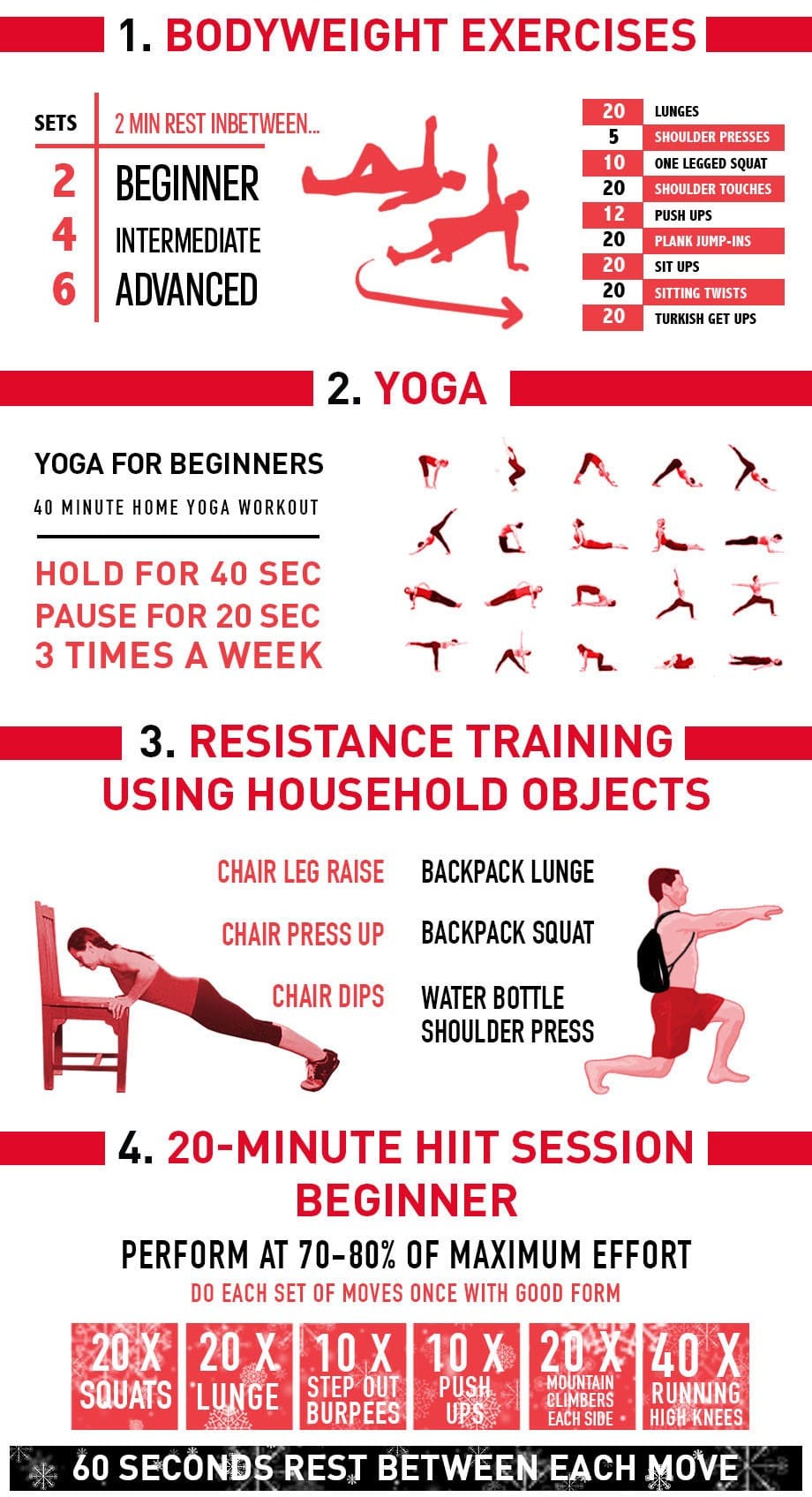
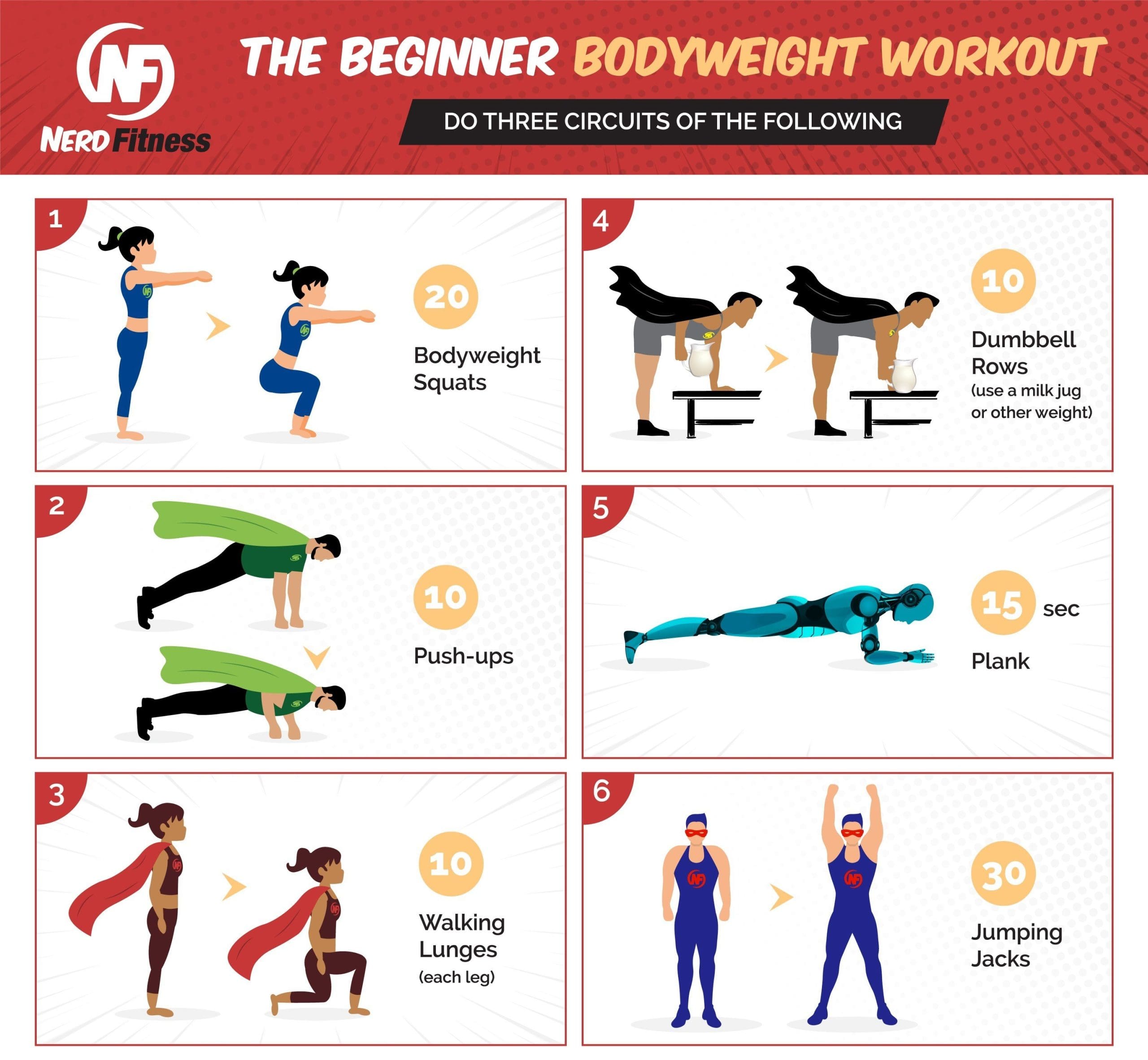
To keep your home workouts interesting and prevent boredom, incorporate different types of exercises. Mix up your routine with bodyweight exercises, resistance training, yoga, Pilates, and cardio workouts. Adding variety will not only keep you engaged but also challenge your body in different ways.
Alternate between strength training and cardio
To achieve a well-rounded fitness routine, alternate between strength training and cardio workouts. Strength training exercises help build muscle and increase metabolism, while cardio exercises improve cardiovascular fitness and burn calories. Balancing both will maximize the benefits of your workouts.
Try new workout routines or classes
Don’t be afraid to try new workout routines or online classes. There is a wide variety of free and paid workout content available online, ranging from dance workouts to kickboxing. Trying new workouts not only keeps things interesting but also exposes you to different exercise styles and techniques.
Setting Realistic Goals
Choose achievable targets
When setting fitness goals, it’s important to choose targets that are realistic and achievable. Setting unrealistic goals can lead to frustration and disappointment. Take into consideration your current fitness level, time constraints, and any physical limitations you may have. Start with smaller, attainable goals, and gradually increase the difficulty as you progress.
Track your progress
Tracking your progress is an excellent way to stay motivated and see how far you’ve come. Keep a workout journal or use fitness tracking apps to record your exercises, sets, reps, and other relevant information. This can help you identify areas of improvement and celebrate milestones along the way.
Celebrate milestones
Speaking of milestones, don’t forget to celebrate your achievements. Whether it’s reaching a certain weightlifting goal, completing a challenging workout, or seeing improvements in your overall fitness, take the time to acknowledge and celebrate your hard work. This positive reinforcement will keep you motivated to continue pursuing your fitness goals.
Staying Motivated
Find a workout buddy or join online communities
Working out alone can sometimes get lonely, so consider finding a workout buddy or joining online communities to stay motivated. Exercising with a partner can provide accountability and make workouts more enjoyable. If an in-person workout buddy is not feasible, numerous online communities offer support, encouragement, and sharing of workout tips and success stories.
Reward yourself for consistency
Rewarding yourself for consistency can be a great way to stay motivated. Set achievable milestones, and when you reach them, treat yourself to something you enjoy. It can be as simple as buying yourself a new workout outfit or indulging in a relaxing massage. Recognize and appreciate your dedication to your home workout routine.
Mix up your playlist or listen to podcasts during workouts
Music can be a powerful motivator during workouts. Create a playlist that energizes and inspires you, and switch it up regularly to keep things fresh. Alternatively, listen to podcasts or audiobooks during your workouts. This can help distract your mind from any fatigue or discomfort and make the time pass more quickly.
Proper Form and Technique
Focus on proper form to prevent injuries
When working out at home, it’s crucial to focus on proper form and technique to prevent injuries. Perform exercises with the correct posture, alignment, and range of motion. If you’re unsure about the proper form, consider consulting online tutorials or seeking professional guidance. It’s better to start with lighter weights and master the correct technique before progressing to heavier loads.
Seek professional guidance if needed
If you’re new to working out, have specific fitness goals, or need guidance on proper form, consider seeking professional help. Fitness trainers or online coaches can provide personalized workouts, instruction on form, and advice on progressing safely. They can also help you create a customized workout routine based on your goals and abilities.
Start with lighter weights and gradually increase
When performing strength training exercises, it’s important to start with lighter weights and gradually increase the resistance as you build strength. Starting with weights that are too heavy can lead to poor form and potential injuries. Focus on mastering the exercise with proper technique before challenging yourself with heavier weights.
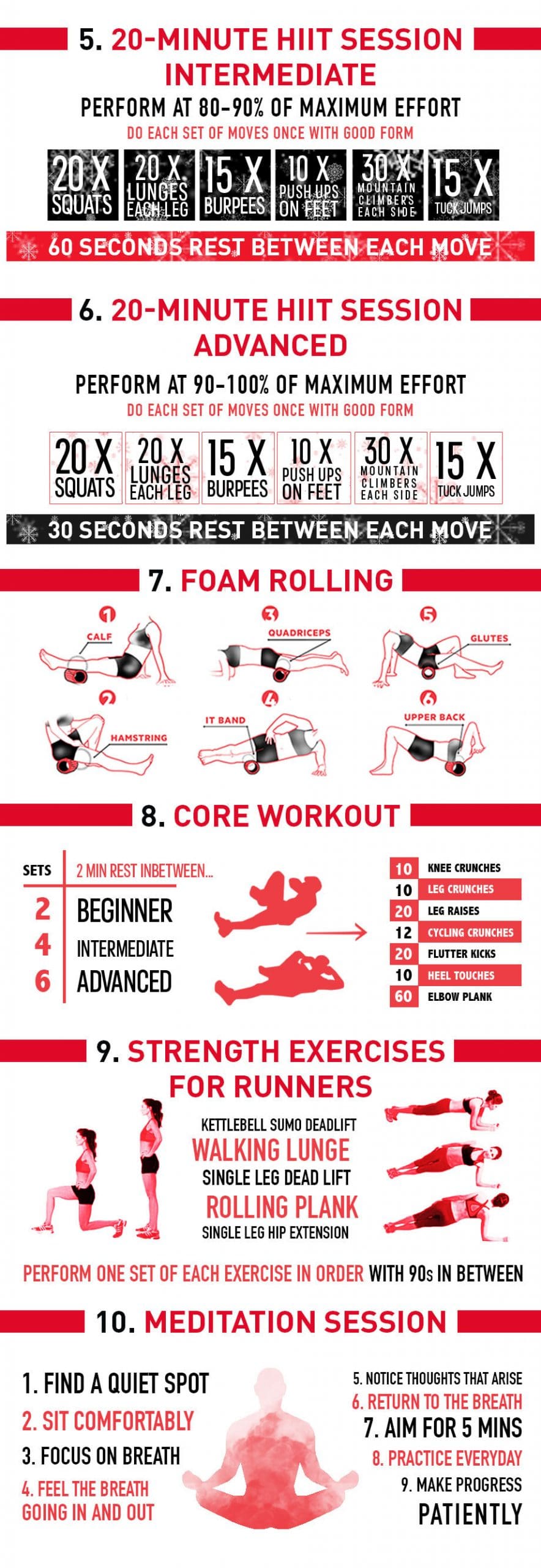
Taking Rest Days
Allow your muscles time to recover
Rest days are just as important as workout days. They allow your muscles time to recover and repair, which is essential for building strength and preventing overuse injuries. Schedule at least one or two rest days per week, depending on your fitness level and intensity of your workouts. Use these days to relax, engage in light activities, or practice active recovery exercises such as yoga or swimming.
Engage in active recovery activities
On your rest days, consider engaging in active recovery activities. Light exercises, such as swimming, cycling, or yoga, can promote blood flow to your muscles and help alleviate any muscle soreness. Active recovery will aid in the recovery process and prepare your body for future workouts.
Listen to your body and avoid overtraining
It’s important to listen to your body and recognize the signs of overtraining. Pushing yourself too hard without enough rest and recovery can lead to burnout, decreased performance, and increased risk of injury. If you’re feeling excessively fatigued, experiencing persistent muscle soreness, or your performance is declining, it may be a sign that you need to take a step back and allow your body more time to recover.
Maintaining a Healthy Lifestyle
Eat a balanced diet
Maintaining a healthy lifestyle goes beyond just working out. It’s important to fuel your body with a balanced diet that includes a variety of fruits, vegetables, lean proteins, whole grains, and healthy fats. Proper nutrition will provide you with the energy you need to perform your workouts and aid in muscle recovery and growth.
Stay hydrated
Hydration is key to overall health and fitness. Make sure to drink enough water before, during, and after your workouts to prevent dehydration. The amount of water you need will vary based on factors such as intensity of exercise, temperature, and your individual needs. Listen to your body and drink when you feel thirsty.
Get enough sleep
Adequate sleep is essential for recovery, muscle growth, and overall well-being. Aim for 7-9 hours of quality sleep each night. Create a relaxing evening routine, avoid electronics before bed, and create a comfortable sleep environment to ensure you get the restorative sleep your body needs.
In conclusion, setting up a successful home workout routine requires careful consideration of your space, equipment, schedule, warm-up and cool-down exercises, variety in workouts, realistic goals, motivation strategies, proper form, rest days, and maintaining a healthy lifestyle. By following these essential tips, you can create a home workout routine that is effective, enjoyable, and sustainable. Get started today and embrace the benefits of exercising in the comfort of your own home. Happy working out!