
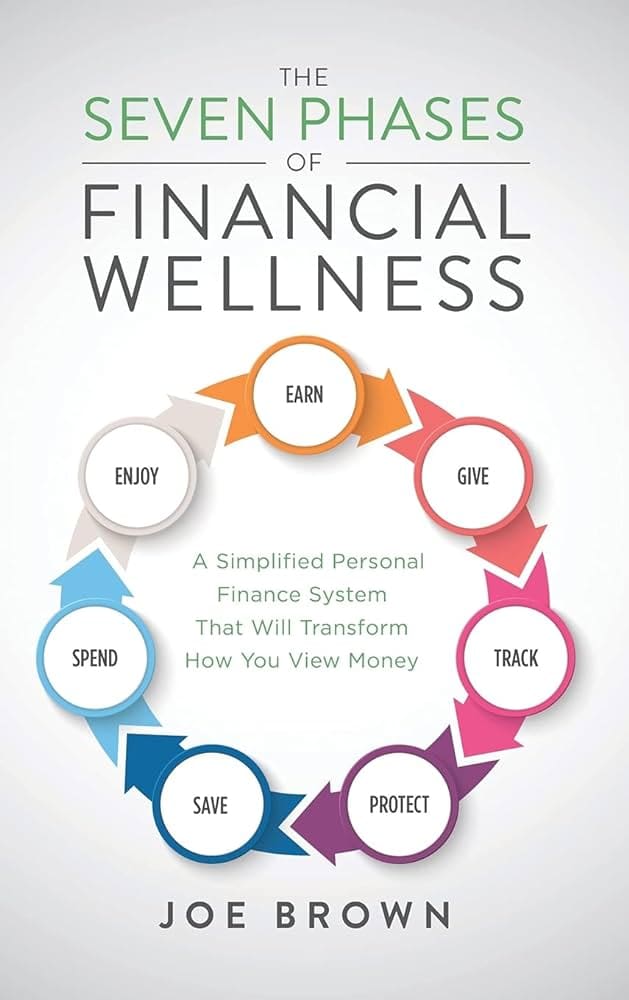
In today’s fast-paced world, it’s crucial for women to prioritize their financial well-being in order to maintain their mental health. Financial wellness plays a significant role in our overall well-being and can greatly impact our stress levels, self-esteem, and overall happiness. This article explores effective strategies that women can employ to achieve financial wellness and enhance their mental well-being, empowering them to take control of their financial future with confidence and peace of mind. Financial wellness plays a crucial role in maintaining good mental health for women. Understanding and managing your financial situation can alleviate stress, improve overall well-being, and provide a sense of security and control. In this comprehensive guide, we will explore various strategies and steps to help you achieve financial wellness and prioritize your mental health.
Understand Your Financial Situation
Track Your Expenses
One of the first steps towards financial wellness is to track your expenses. Start by keeping a record of every dollar you spend, whether it’s on bills, groceries, or discretionary items. This will help you gain a clear understanding of where your money is going and identify areas where you can potentially cut back or make adjustments. Numerous mobile apps and online tools are available to simplify this process and provide insights into your spending habits.
Review Your Assets and Liabilities
To gain a full picture of your financial situation, you need to review your assets and liabilities. Assets include cash, investments, real estate, and any valuable possessions you own. Liabilities, on the other hand, encompass debts such as credit card balances, loans, or mortgages. Take stock of your assets and liabilities to assess your net worth. This exercise can help you identify areas where you may need to focus on building assets or reducing liabilities.
Assess Your Income and Savings
Understanding your income and savings is essential for financial planning. Begin by assessing your current income sources, including salary, investments, side hustles, or any other sources of revenue. Calculate your average monthly income to determine your financial capacity. Additionally, evaluate your savings and emergency funds. It is vital to have a clear understanding of your financial resources, as they form the basis for creating a comprehensive budget and achieving your financial goals.
Set Financial Goals
Short-term Goals
Setting short-term financial goals can provide immediate motivation and a sense of accomplishment. These goals typically span a few months to a year and should be specific, realistic, and time-bound. Examples of short-term goals could include paying off a small debt, saving for a vacation, or creating an emergency fund. By breaking down your larger financial objectives into manageable chunks, you can stay focused and motivated on your journey towards financial wellness.
Long-term Goals
Long-term financial goals shape your future and require thoughtful planning. These goals can include saving for retirement, purchasing a home, or starting a business. Long-term goals may take years or decades to achieve, so it is important to create a detailed plan and make regular progress towards them. By defining your long-term goals, you can tailor your financial decisions and actions accordingly.
SMART Goals
To ensure your financial goals are achievable and effective, it is useful to apply the SMART framework. SMART stands for Specific, Measurable, Achievable, Relevant, and Time-bound. Specific goals are clearly defined, measurable goals allow you to track progress, achievable goals are realistic given your current circumstances, relevant goals align with your financial aspirations, and time-bound goals have a specific deadline. Applying the SMART criteria to your financial goals will make them more actionable and increase your chances of success.
Create a Budget
Determine Your Income
Before creating a budget, you need to determine your income. Calculate your net income, which is your earnings after taxes and deductions. If you have multiple income sources, add them all together. This will give you a clear picture of your financial resources and help you plan your spending.
List Your Expenses
To create an effective budget, you must list all your expenses. Categorize your expenses into fixed (e.g., rent, utilities) and variable (e.g., groceries, entertainment) categories. It’s important to be thorough and include even the smallest expenditures. This will help you identify areas where you can potentially cut back or adjust your spending.
Allocate Funds
Once you have determined your income and listed your expenses, it’s time to allocate funds in your budget. Start by categorizing your expenses by priority, ensuring essential expenses, such as housing, utilities, and food, are covered first. Next, assign amounts for discretionary expenses and savings. Allocating funds based on your financial priorities will help you manage your money effectively and ensure you are making progress towards your goals.
Monitor and Adjust
Creating a budget is not a one-time task; it requires regular monitoring and adjustment. Keep track of your spending and compare it to your budget regularly. This will help you identify any areas where you may be overspending or where you have room to allocate more funds. Be flexible and make adjustments as needed to ensure your budget remains realistic and aligned with your financial goals.
Build an Emergency Fund
Importance of an Emergency Fund
Building an emergency fund is a crucial aspect of financial wellness. An emergency fund provides a financial safety net that can help you navigate unexpected expenses or income disruptions without resorting to credit card debt or other forms of borrowing. Having an emergency fund allows you to face emergencies or unexpected circumstances with greater peace of mind, reducing stress and promoting mental well-being.
Tips for Building an Emergency Fund
Building an emergency fund may seem overwhelming, but it is achievable with consistent effort. Start by setting a savings goal for your emergency fund. Aim to save three to six months’ worth of living expenses to provide an adequate cushion. To reach this goal, prioritize saving by allocating a portion of your income specifically for your emergency fund. Cut back on unnecessary expenses and consider directing windfalls, such as tax refunds or bonuses, towards your emergency fund. Celebrate small milestones along the way to stay motivated and encouraged.
Automate Savings
One effective strategy for building an emergency fund is to automate your savings. Set up automatic transfers from your checking account to a separate savings or money market account designated for emergencies. By automating your savings, you remove the temptation to spend the money and ensure consistent progress towards your goal. Over time, these small contributions will add up and provide you with the financial security and peace of mind that comes with having a well-funded emergency fund.
Manage and Reduce Debt
Assess Your Debt
Before you can effectively manage and reduce your debt, it’s important to assess the full extent of your financial obligations. Gather all your outstanding debts, including credit card balances, loans, and mortgages. Make a list of each debt, noting the current balances, interest rates, and minimum monthly payments. Understanding your debt allows you to create a targeted repayment plan.
Create a Repayment Plan
A repayment plan helps you prioritize and tackle your debts systematically. Start by paying the minimum amounts on all debts to avoid penalties or fees. Once the minimum payments are covered, focus on one debt and allocate additional funds towards paying it off faster. You can choose either the debt snowball method, where you tackle the smallest debt first, or the debt avalanche method, where you prioritize the debt with the highest interest rate. Stick to your repayment plan consistently, and over time, you will make significant progress towards reducing your debt burden.
Reduce Credit Card Debt
Credit card debt can be a significant financial burden, with high-interest rates and potential long-term consequences. To tackle credit card debt effectively, consider strategies such as debt consolidation or balance transfers to lower interest rates. Create a budget that allows for increased payments towards your credit card debt and utilize any extra income or windfalls to make additional payments. By reducing your credit card debt, you will not only improve your financial situation but also experience a sense of relief and reduced stress.
Seek Professional Help if Needed
If you feel overwhelmed by your debt or are struggling to make progress on your own, seeking professional help may be a viable option. Financial counselors or debt management agencies can provide guidance, negotiate with creditors, and help you create a customized plan for debt repayment. Remember, it’s crucial to reach out for assistance early to prevent your financial situation from deteriorating further.
Invest for the Future
Learn About Investment Options
Investing is a critical step towards securing your financial future. Take the time to educate yourself about various investment options, such as stocks, bonds, mutual funds, and real estate. Understand the risks and potential returns associated with each investment type, and consider seeking advice from a financial advisor to help you make informed investment decisions that align with your goals and risk tolerance.
Consider Retirement Savings
Retirement savings should be a priority for all women. Start by exploring retirement account options such as Individual Retirement Accounts (IRAs) and employer-sponsored plans like 401(k)s. Contribute consistently to your retirement accounts and take advantage of any employer matching programs to maximize your savings. By starting early and contributing regularly, you can harness the power of compounding and ensure a comfortable retirement.
Explore Other Investment Avenues
Beyond retirement savings, consider exploring other investment avenues that can help grow your wealth. This can include investing in real estate, starting a business, or investing in mutual funds or exchange-traded funds (ETFs). Diversifying your investment portfolio can help spread risk and potentially enhance returns over the long term. Be sure to carefully research and evaluate any investment opportunity before committing your funds.
Protect Yourself with Insurance
Health Insurance
Health insurance is a crucial component of financial wellness and mental health. It provides protection against high medical costs and ensures timely access to necessary healthcare services. Review your options for health insurance coverage, whether through your employer, government programs, or private plans. Find a plan that meets your needs and budget, and make sure you understand the coverage and any associated costs or limitations.
Life Insurance
Life insurance plays a vital role in protecting your loved ones and your financial obligations in the event of your passing. Assess your life insurance needs based on factors such as dependents, debts, and future financial goals. Consider both term life insurance for temporary coverage and whole life insurance for permanent coverage. Review different policies, premiums, and coverage amounts to find the best fit for your situation.
Disability Insurance
Disability insurance safeguards your income in the event that you become disabled and are unable to work. It provides a source of income replacement until you can return to work or retire. Assess your need for disability insurance based on your current income and financial obligations. Investigate both short-term and long-term disability insurance policies to ensure comprehensive coverage.
Seek Financial Education and Resources
Attend Workshops and Webinars
Continuing education is essential for financial wellness. Seek out workshops and webinars offered by financial institutions, community organizations, or educational institutions. These sessions can cover a range of topics, from basic budgeting to complex investment strategies. Participate actively, ask questions, and take notes to maximize your learning experience.
Read Personal Finance Books and Blogs
Books and blogs are valuable resources for expanding your financial knowledge. Look for reputable authors and bloggers who provide practical advice and actionable insights. Topics can include budgeting, debt management, investing, and retirement planning. Engaging with personal finance literature can empower you to make informed financial decisions and strengthen your overall financial well-being.
Utilize Online Tools and Calculators
The internet offers a wealth of online tools and calculators that can support your financial journey. Budgeting apps, investment calculators, debt payoff tools, and retirement planners are just a few examples. Utilize these resources to simplify complex financial tasks, track your progress, and gain insights that can guide your decision-making. Just be sure to use reputable sources and protect your personal information when using online tools.
Establish a Supportive Network
Connect with Other Women
Connecting with other women who are on a similar financial journey can provide valuable support and encouragement. Look for local or online communities, forums, or social media groups dedicated to personal finance and financial wellness for women. Share experiences, exchange tips, and learn from one another. Building a supportive network can foster a sense of community and provide a safe space to discuss financial challenges and successes.
Join Financial Communities or Clubs
Financial communities or clubs can offer additional resources and opportunities for growth. Consider joining organizations such as local investment clubs, financial professional associations, or women-focused financial empowerment groups. These communities often provide educational resources, networking opportunities, and mentorship programs that can enhance your financial knowledge and connect you with like-minded individuals.
Seek Professional Guidance
When navigating complex financial matters, seeking professional guidance from certified financial planners, accountants, or attorneys can be invaluable. These professionals have the knowledge and expertise to provide tailored advice based on your unique circumstances and goals. A financial advisor can help you create a comprehensive financial plan, review your investments, and ensure you are on track to achieve your objectives.
Prioritize Self-Care and Well-being
Understand the Link between Finances and Mental Health
Recognize that there is a strong link between your financial well-being and your mental health. Financial stress and insecurities can negatively impact your overall well-being and contribute to increased stress levels, anxiety, and even depression. It is important to prioritize self-care and well-being as you work towards your financial goals. By maintaining a healthy mindset and finding stress-relief techniques, you can better manage financial challenges and maintain your mental health.
Practice Stress-Relief Techniques
When faced with financial stress, it is crucial to practice stress-relief techniques to maintain your mental well-being. Engage in activities that bring you joy and relaxation, such as exercise, meditation, or hobbies. Take breaks and prioritize self-care, ensuring you have time for activities that help you recharge. It is also helpful to surround yourself with supportive people who understand your financial journey and provide a positive influence on your mental health.
Take Time for Yourself
Amidst the responsibilities and demands of managing your finances, it’s essential to carve out regular time for yourself. Prioritize self-care activities that promote relaxation, self-reflection, and personal growth. Whether it’s scheduling time for reading, engaging in hobbies, or taking a day off to pamper yourself, these moments of self-care contribute to your overall well-being and help you maintain a healthy balance between your financial goals and personal fulfillment.
Financial wellness and mental health are interconnected, and by following these strategies, you can achieve balance, security, and peace of mind. Remember, each person’s financial journey is unique, so it’s important to tailor these strategies to your individual circumstances. By taking proactive steps towards understanding your financial situation, setting goals, and implementing practical strategies, you are empowering yourself to create a future of financial wellness and mental well-being.