In today’s fast-paced world, it can be a challenge to maintain a healthy diet when juggling a busy schedule. With so little time to spare, it’s easy to resort to convenient but unhealthy food choices. However, fear not! This article is here to help you navigate through this dilemma. We have compiled ten essential tips that will make it easier for you to eat healthy even when you’re on the go. So, whether you’re a student, a working professional, or a busy parent, these tips will provide you with practical strategies to prioritize your health without compromising your schedule.

Plan and Prep Ahead
Create a Weekly Meal Plan
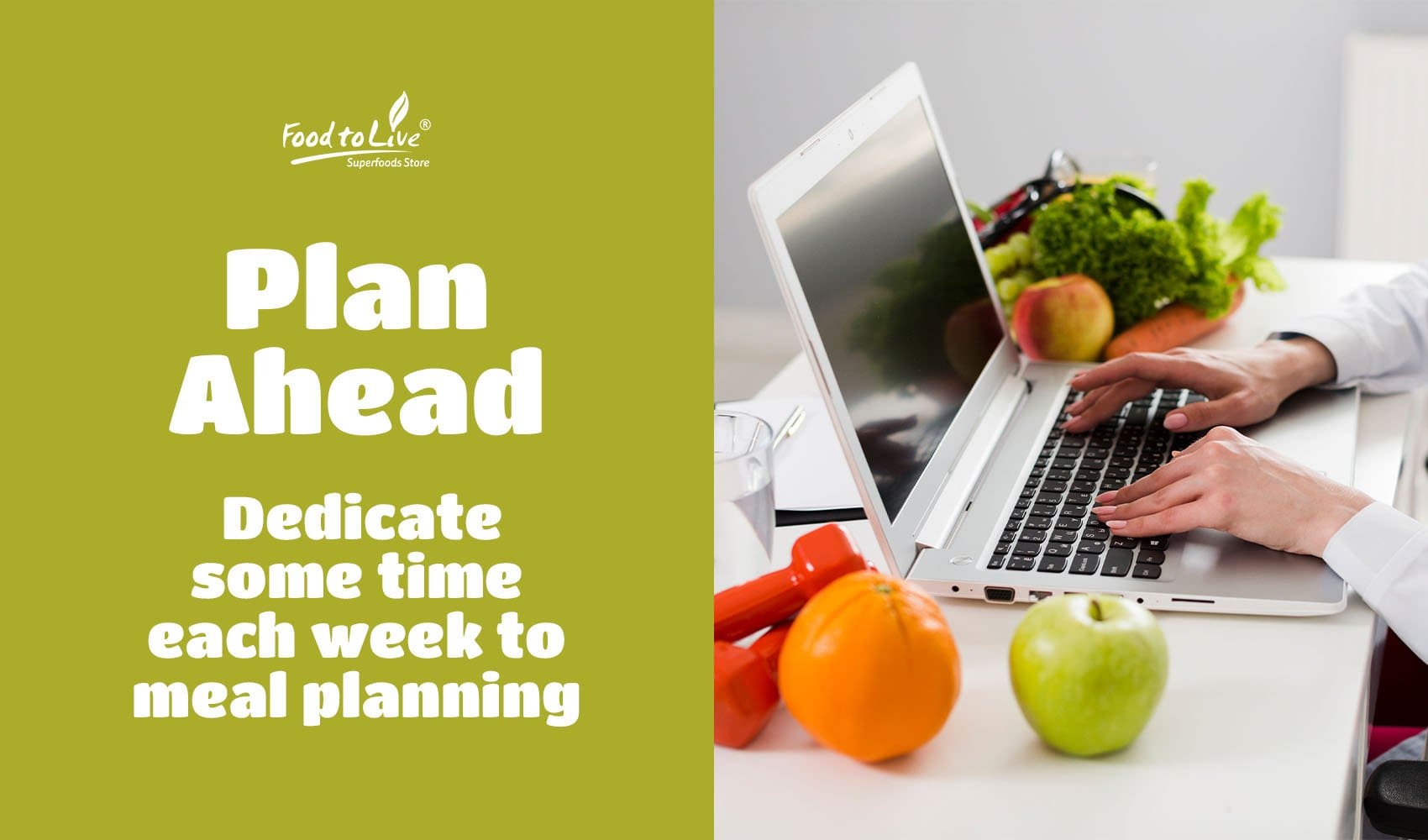
One of the most effective ways to eat healthy on a busy schedule is to create a weekly meal plan. Sit down at the beginning of the week and take a few minutes to plan out your meals for the upcoming days. Not only will this save you time and stress throughout the week, but it will also ensure that you have nutritious meals ready to go. Consider your schedule and plan meals that are easy to prepare on busy days and more elaborate dishes for days when you have more time.
Make a Grocery List
Once you have your weekly meal plan ready, it’s time to make a grocery list. Take a look at the recipes you’ll be making and write down all the ingredients you need. Having a well-organized grocery list will help you stay focused and avoid impulse purchases that can derail your healthy eating goals. Remember to include plenty of fruits, vegetables, lean proteins, and whole grains on your list to create a well-balanced diet.
Prep Meals in Advance
One of the biggest challenges of a busy schedule is finding time to cook nutritious meals. That’s where meal prepping comes in handy. Set aside a few hours once or twice a week to prepare and cook your meals in advance. This could mean chopping and washing vegetables, cooking grains and proteins, and portioning out meals for the week. Investing a little time upfront will save you a lot of time and stress throughout the week and ensure that you have healthy meals ready to go whenever you need them.
Choose Nutrient-Dense Foods
Opt for Whole Grains
When it comes to carbohydrates, choose whole grains over refined grains whenever possible. Whole grains are packed with essential nutrients, including fiber, which helps you feel full and satisfied. Opt for whole grain bread, pasta, and rice instead of their white counterparts. You can also experiment with other whole grain options like quinoa, barley, and oats to add variety to your meals.
Include Lean Proteins
Protein is an essential part of a healthy diet, especially when you’re busy and on the go. Choose lean sources of protein like chicken breast, fish, tofu, and legumes. These options are not only high in protein but also low in unhealthy fats. Incorporate these protein options into your meals to help keep you full and energized throughout the day.
Incorporate Plenty of Fruits and Vegetables
Fruits and vegetables should make up a significant portion of your daily diet. They are rich in vitamins, minerals, antioxidants, and fiber. Make it a point to include a variety of colorful fruits and vegetables in your meals and snacks. Aim for at least five servings per day, whether it’s adding berries to your breakfast, having a salad for lunch, or snacking on a piece of fruit in the afternoon. The more variety you incorporate, the more nutrients you’ll obtain.
Make Healthy Snack Choices
Keep a Variety of Nutritious Snacks on Hand
When you’re busy and on the go, it’s essential to have healthy snack options readily available. Stock up on a variety of nutritious snacks like nuts and seeds, Greek yogurt, hummus and vegetables, and granola bars. Having these options on hand will prevent you from resorting to unhealthy snack choices when hunger strikes.
Pack Snacks for On-the-Go
Even when you’re busy, it’s important to prioritize your health and plan ahead. If you know you’ll be out and about for a long period of time, pack healthy snacks to take with you. This could be a small bag of nuts or a piece of fruit to satisfy your hunger until you can have a proper meal. By being prepared, you’re less likely to succumb to unhealthy temptations or make impulsive food choices.
Avoid Vending Machine Temptations
Vending machines can be filled with tempting, but unhealthy options. To avoid falling into the trap of vending machine snacks, come prepared with healthier alternatives. Keep a stash of pre-portioned snacks in your bag or desk drawer, such as whole grain crackers, mini packs of dried fruit, or a small bag of air-popped popcorn. These healthier choices will satisfy your cravings and keep you on track with your healthy eating goals.
Optimize Breakfast
Start the Day with a Balanced Meal
Breakfast is often considered the most important meal of the day, especially when you have a busy schedule. It sets the tone for the rest of your meals and provides you with the energy you need to tackle the day ahead. Aim for a balanced breakfast that includes a mix of carbohydrates, proteins, and healthy fats. Incorporate options like whole grain toast with avocado and eggs, overnight oats with nuts and berries, or a protein-packed smoothie.
Prepare Overnight Oats or Chia Pudding
If you’re often rushing in the morning, preparing overnight oats or chia pudding can be a game-changer. These make-ahead breakfast options can be prepared the night before and allow you to grab a nutritious meal on busy mornings. Simply mix oats or chia seeds with your choice of milk, add some fruits or nuts for flavor and texture, and let it sit in the fridge overnight. In the morning, you’ll have a delicious and healthy breakfast ready to enjoy.
Try Smoothies or Protein Shakes
Smoothies and protein shakes are another excellent option for a quick and nutritious breakfast. They can be made in a matter of minutes, and you can customize them to include plenty of fruits, vegetables, protein powder, and healthy fats. Blend up a smoothie made with spinach, banana, almond milk, and a scoop of protein powder for a balanced and convenient breakfast on busy mornings.
Pack Your Lunch
Bring Homemade Lunches to Work
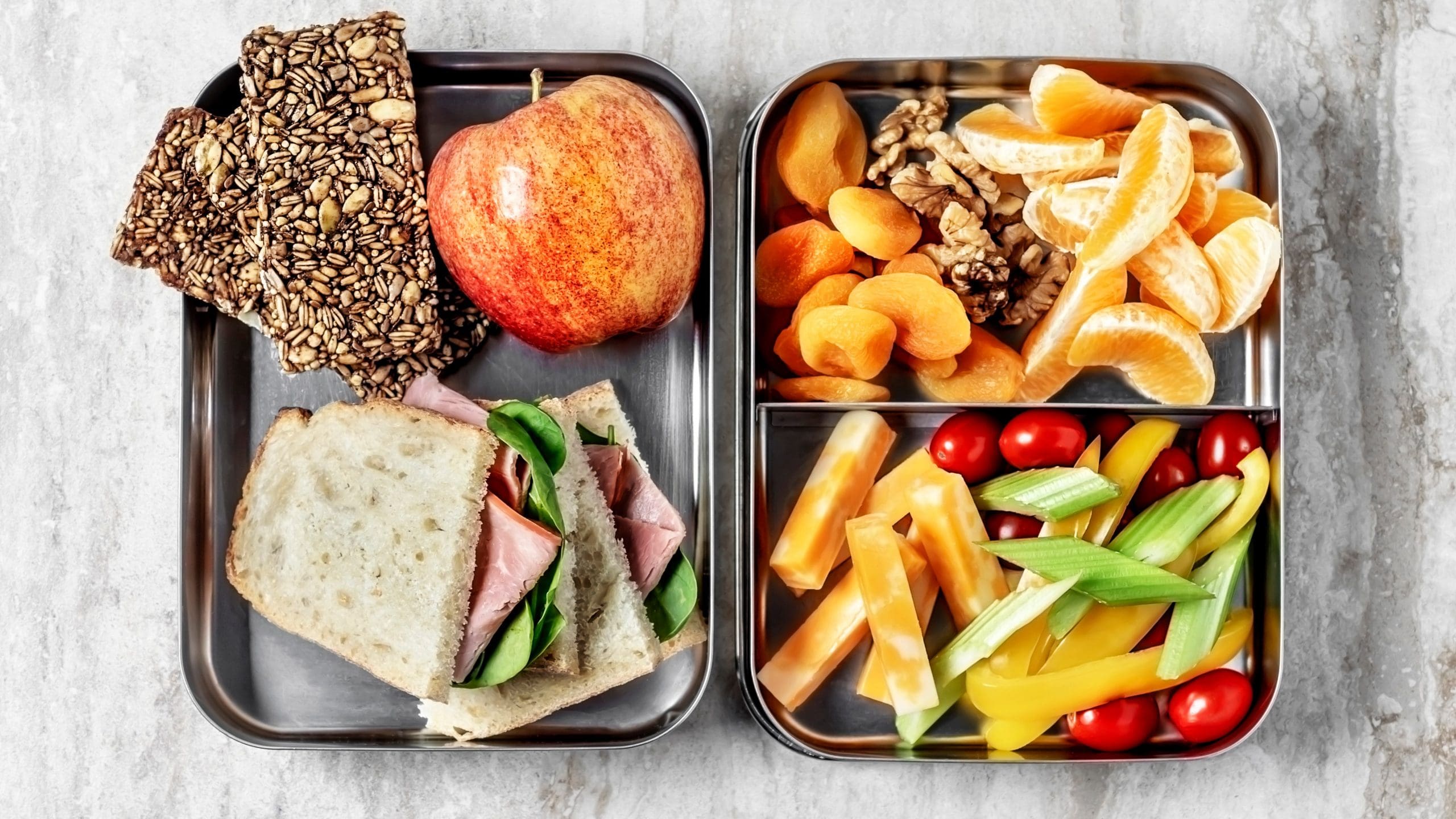
Bringing your own lunch to work is not only a cost-effective option, but it also gives you complete control over the ingredients and portion sizes of your meals. Take some time in the evening or on weekends to prepare and pack your lunches for the upcoming days. Try to include a mix of protein, vegetables, and whole grains in your meals. You can make salads, wraps, grain bowls, or even reheat leftovers from dinner to create a healthy and satisfying lunch.
Utilize Reusable Containers
When packing your lunch, opt for reusable containers instead of single-use plastic bags or disposable containers. Investing in high-quality, BPA-free containers not only helps the environment but also ensures that your food stays fresh and in good condition. Look for lunch containers with separate compartments to keep different food items organized. This way, you can pack a well-balanced meal without worrying about ingredients mixing together.
Include a Mix of Protein, Veggies, and Whole Grains
To ensure that your homemade lunch is both nutritious and satisfying, make sure to include a mix of protein, vegetables, and whole grains. Protein sources can include grilled chicken, tofu, beans, or lentils. Veggies can be in the form of salads, roasted vegetables, or steamed greens. And for whole grains, consider options like quinoa, brown rice, or whole wheat bread. This combination will provide you with the necessary nutrients and keep you full and energized for the rest of the day.
Choose Smart Restaurant Options
Research Healthy Menu Options in Advance
When dining out or ordering takeout, it can be easy to make hasty choices that may not align with your healthy eating goals. To avoid this, take some time to research healthy menu options in advance. Many restaurants now offer nutritional information online, allowing you to choose healthier options with confidence. Look for grilled, steamed, or baked dishes that are low in added fats and rich in vegetables and lean proteins.
Opt for Grilled, Steamed, or Baked Dishes
When choosing dishes at restaurants, opt for options that are grilled, steamed, or baked instead of fried or sautéed. These cooking methods reduce the amount of added fats and calories in the dishes. Grilled chicken, steamed vegetables, or baked fish are excellent choices that will help you stay on track with your healthy eating goals. Don’t be afraid to ask for substitutions or modifications to make the dishes even healthier.
Control Portion Sizes
Restaurant portions tend to be much larger than what we actually need. To avoid overeating, control your portion sizes when dining out. Consider sharing a meal with a friend or asking for a takeout container to portion out half of your meal for later. Eating mindfully and listening to your body’s hunger cues will also help you gauge when you’re satisfied and prevent overeating.

Stay Hydrated
Keep a Water Bottle with You at All Times
Drinking enough water is crucial for maintaining good health and preventing dehydration. When you’re busy and on the go, it’s easy to forget to drink an adequate amount of water throughout the day. To make it easier, keep a water bottle with you at all times. Choose a bottle that holds a sufficient amount of water and is easy to carry. Having water readily accessible will remind you to hydrate regularly.
Limit Sugary Drinks
While it’s important to stay hydrated, it’s equally important to avoid excessive consumption of sugary drinks. These include soda, sweetened iced tea, energy drinks, and fruit juices. These beverages are high in added sugars and can contribute to weight gain and other health issues. Opt for water, unsweetened herbal tea, or infused water with fruits or herbs for flavor instead.
Infuse Water with Fruits or Herbs for Flavor
If you find plain water boring, try infusing it with fruits or herbs to add natural flavor. Fill a pitcher with water and add slices of lemon, cucumber, berries, or sprigs of mint or basil. Let it sit for a few hours to allow the flavors to infuse. Not only will this make your water more enjoyable to drink, but it will also provide you with additional nutrients and antioxidants from the fruits and herbs.
Avoid Skipping Meals
Have Healthy Snacks if You Can’t Eat a Full Meal
Skipping meals can lead to excessive hunger, which often results in making poor food choices and overeating later on. If you find yourself unable to eat a full meal due to a busy schedule, make sure to have healthy snacks on hand. These snacks can include nuts, seeds, granola bars, or pre-cut fruits and vegetables. Snacking on these nutritious options will help keep your energy levels stable and prevent overindulging later in the day.
Opt for Balanced Meal Replacement Options
On occasions where you’re unable to have a proper meal, opting for balanced meal replacement options can be a convenient solution. Look for meal replacement bars or drinks that are low in added sugars and contain a good balance of carbohydrates, proteins, and healthy fats. These options can provide you with the necessary nutrients and keep you satisfied until your next meal.
Avoid Excessive Hunger that Leads to Poor Food Choices
When you’re busy and constantly on the go, it’s easy to let hunger dictate your food choices. However, making impulsive decisions based on excessive hunger can lead to poor food choices. To avoid this, make it a priority to have regular, balanced meals and snacks throughout the day. By keeping your hunger levels in check, you’ll have the mental clarity to make healthier choices and stay on track with your eating goals.
Practice Mindful Eating
Sit Down and Focus on Your Meal
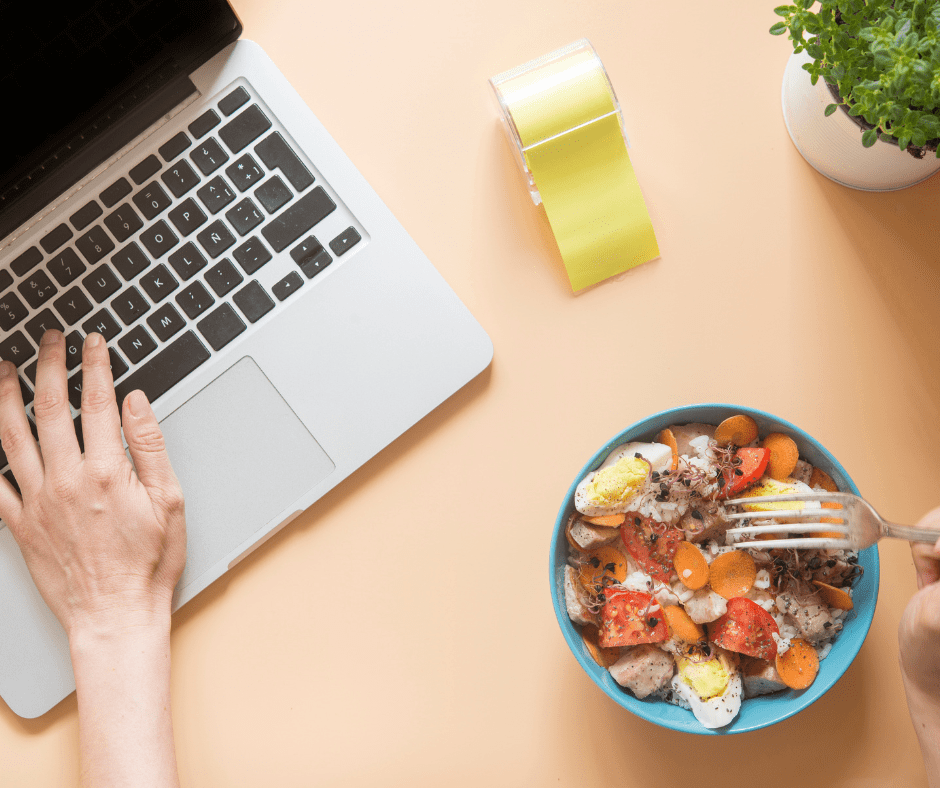
In our fast-paced world, it’s common to eat on the go or while multitasking. However, practicing mindful eating can significantly improve our relationship with food and our overall well-being. Take the time to sit down and focus solely on your meal. Remove distractions like phones, TVs, or computers, and savor each bite. Pay attention to the flavors, textures, and smells of your food. By engaging all your senses, you’ll not only enjoy your meal more but also become more in tune with your body’s hunger and fullness cues.
Chew Slowly and Savor Each Bite
Slowing down and chewing your food thoroughly is an important part of mindful eating. Take the time to chew each bite slowly and savor the flavors. This not only helps with digestion but also allows your brain to register the food you’re eating, leading to a greater sense of satisfaction. By eating mindfully, you’ll become more aware of how much you’re eating and prevent overeating.
Pay Attention to Your Hunger and Fullness Cues
It’s essential to listen to your body’s natural hunger and fullness cues when practicing mindful eating. Before eating, take a moment to assess your hunger levels. Are you truly hungry, or are you eating out of boredom or habit? During the meal, pay attention to how your body feels and when you start to feel satisfied. Stop eating when you’re comfortably full, even if there’s still food left on your plate. This self-awareness will help you avoid overeating and maintain a healthy balance.
Manage Stress Levels
Find Alternative Ways to Cope with Stress Instead of Emotional Eating
Stress can often lead to emotional eating, where you turn to food as a way to cope with negative emotions. Instead of resorting to emotional eating, find alternative ways to manage your stress. This could be engaging in physical activity, practicing deep breathing exercises, journaling, or spending time with loved ones. By finding healthier outlets for stress, you’ll avoid turning to food for comfort and maintain a healthier relationship with eating.
Practice Relaxation Techniques
Incorporating relaxation techniques into your daily routine can have a significant impact on your overall well-being. Whether it’s practicing yoga, meditation, or taking a few deep breaths, find what works best for you to relieve stress and promote relaxation. By actively managing stress, you’ll be better equipped to make healthier choices when it comes to food and maintain a balanced and healthy lifestyle.
Prioritize Self-Care
Taking care of yourself is essential, especially when you have a busy schedule. Prioritize self-care activities that bring you joy and help you relax. This could mean setting aside time for a hobby, going for a walk in nature, taking a long bath, or simply allowing yourself to rest and recharge. When you prioritize your own well-being, you’ll not only feel better mentally and emotionally but also make better choices when it comes to your health and nutrition.
In conclusion, eating healthy on a busy schedule is possible with a little bit of planning and preparation. By creating a weekly meal plan, choosing nutrient-dense foods, making healthy snack choices, optimizing breakfast, packing your lunch, choosing smart restaurant options, staying hydrated, avoiding skipping meals, practicing mindful eating, and managing stress levels, you can maintain a healthy and balanced diet even when life gets hectic. Remember to always listen to your body, prioritize self-care, and find joy in nourishing yourself with wholesome foods.