
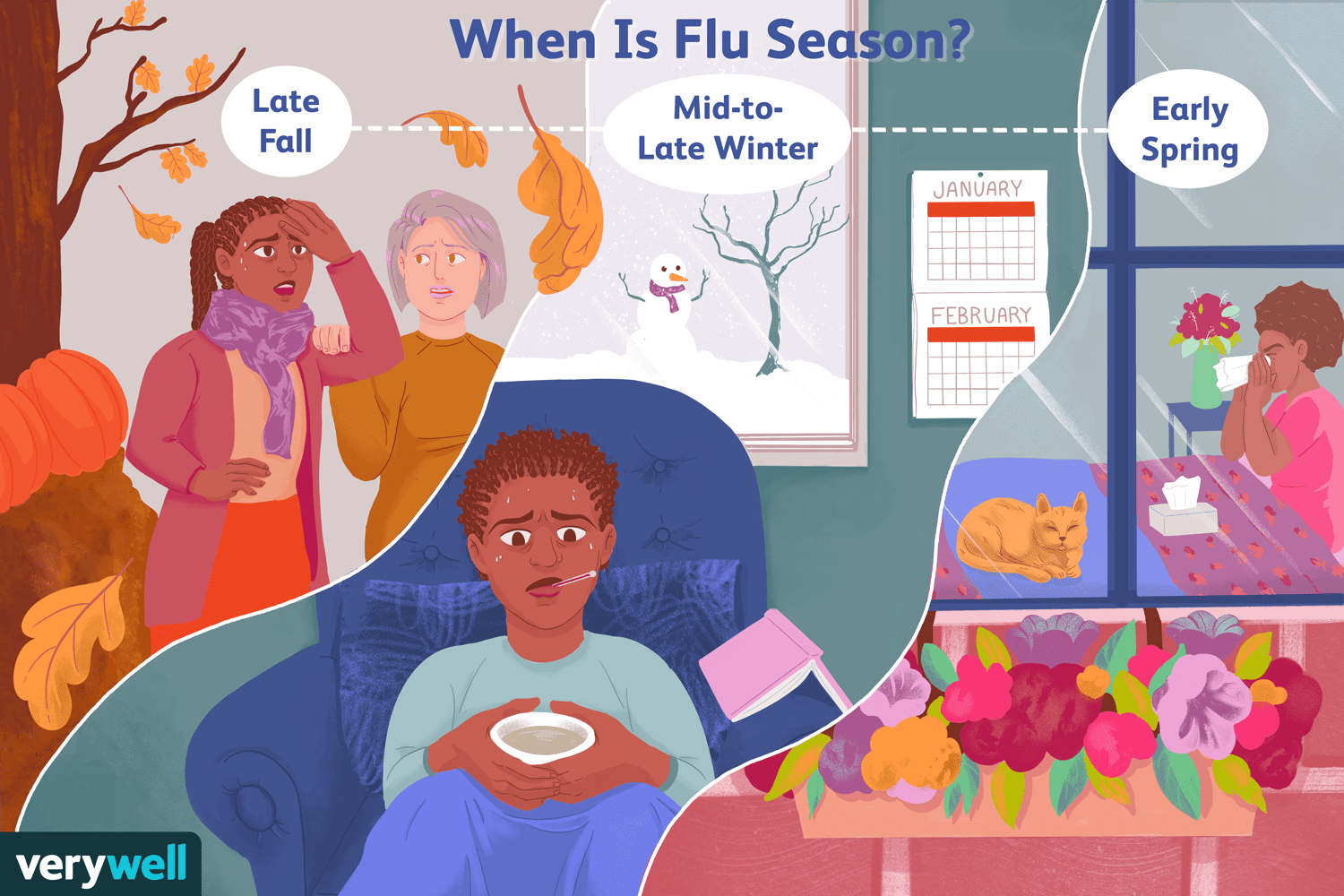
Flu season is upon us, and it’s time to take charge of your preventive health. With these 10 tips, you can safeguard yourself and your loved ones from falling victim to the flu. From practicing good hygiene to boosting your immune system, this article provides essential advice to keep you healthy and thriving during the dreaded flu season. So read on and arm yourself with knowledge to fight off those pesky flu germs!
Get Vaccinated
Consult with your healthcare provider about the flu vaccine
One of the most important steps you can take to protect yourself and others from the flu is to get vaccinated. Vaccines are a safe and effective way to prevent the spread of the flu virus. Before getting the flu vaccine, it’s important to consult with your healthcare provider. They can provide you with useful information about the vaccine, answer any questions you may have, and help you determine the best time for vaccination based on your individual circumstances.
Follow the recommended vaccination schedule
Once you’ve consulted with your healthcare provider, it’s crucial to follow the recommended vaccination schedule. The flu vaccine is typically administered annually, so it’s important to stay up to date and receive the vaccine each year. The timing of the vaccination is essential as well. It’s generally recommended to get vaccinated before the start of the flu season, which can help ensure that your body has enough time to build up immunity.
Consider getting vaccinated early in the flu season
Another important consideration when it comes to flu vaccination is the timing within the flu season. Flu viruses can start circulating as early as October, so it’s wise to consider getting vaccinated early. By getting vaccinated earlier in the flu season, you can help provide your body with the necessary protection before the peak of flu activity hits. This can be especially important for individuals who are at higher risk for complications from the flu, such as young children, older adults, and individuals with certain medical conditions.
Practice Hand Hygiene
Regularly wash your hands with soap and water for at least 20 seconds
Hand hygiene is a fundamental aspect of preventing the spread of not only the flu but also many other infectious diseases. Washing your hands with soap and water for at least 20 seconds is one of the simplest and most effective ways to remove germs and reduce the risk of getting sick. Be sure to wash all parts of your hands, including the backs, between fingers, and under nails. It’s especially important to wash your hands before preparing or eating food, after using the restroom, and after coughing or sneezing.
Use hand sanitizer when soap and water are not available
In situations where soap and water are not readily available, using hand sanitizer can be a convenient and effective alternative. Look for a hand sanitizer that contains at least 60% alcohol, as this concentration is needed to effectively kill germs. Apply a generous amount of hand sanitizer to the palm of your hand and rub it all over your hands until dry. However, it’s important to note that hand sanitizers may not be as effective as handwashing when hands are visibly dirty or greasy.
Avoid touching your face, especially your eyes, nose, and mouth
Our hands come into contact with countless surfaces throughout the day, making them potential carriers of germs. To minimize the risk of transferring these germs to the mucous membranes of your face, it’s essential to avoid touching your face as much as possible, especially your eyes, nose, and mouth. These areas provide easy entry points for viruses and bacteria, increasing the likelihood of infection. By breaking the habit of touching your face, you can significantly reduce your chances of getting sick.
Boost Your Immune System
Eat a balanced diet rich in fruits and vegetables
Maintaining a healthy diet can play a vital role in supporting your immune system and keeping you healthy during flu season. Focus on including a variety of fruits and vegetables in your meals to provide your body with the essential vitamins, minerals, and antioxidants it needs. These nutrients are known to help strengthen the immune system and protect against illnesses. Aim to incorporate colorful fruits and vegetables into your diet, such as berries, leafy greens, citrus fruits, and bell peppers.
Stay hydrated by drinking plenty of water
Hydration is key to overall health and well-being, and it can also help support your immune system. Make it a habit to drink plenty of water throughout the day, as staying hydrated can help flush out toxins and keep your body functioning optimally. Water helps transport nutrients to cells, allows for proper digestion, and helps maintain healthy mucous membranes. During flu season, it’s especially important to keep your body hydrated and support its natural defense mechanisms.
Get enough sleep to support your immune system
Adequate sleep is crucial for a well-functioning immune system. While you sleep, your body repairs and rejuvenates itself, including your immune system. Lack of sleep can weaken your immune response, making you more susceptible to illnesses like the flu. Aim for 7-9 hours of quality sleep each night to give your body the rest it needs to support your immune system. Establishing a bedtime routine, creating a sleep-friendly environment, and practicing relaxation techniques can all contribute to better sleep quality.
Engage in regular physical exercise
Regular physical exercise is not only beneficial for overall health but also for bolstering your immune system. Engaging in moderate-intensity aerobic exercise, such as brisk walking or cycling, can help improve immune system function and reduce the risk of respiratory infections. Aim for at least 150 minutes of moderate exercise or 75 minutes of vigorous exercise per week. Find activities you enjoy, whether it’s dancing, swimming, or gardening, and make time for them regularly. Just be sure to maintain social distancing guidelines and wear a mask if needed.
Avoid Close Contact
Try to avoid close contact with sick individuals
During flu season, it’s important to be mindful of your surroundings and try to avoid close contact with individuals who are sick. The flu is highly contagious and can spread through respiratory droplets when someone coughs, sneezes, or talks. If you know someone who is sick with flu-like symptoms, it’s best to maintain some distance to reduce the risk of transmission. By being proactive and cautious, you can minimize your chances of coming into contact with the flu virus.
Stay away from crowded places, especially during peak flu season
Crowded places, such as malls, public transportation, or crowded events, can increase the risk of exposure to the flu virus. During flu season, it’s wise to be selective about the environments you expose yourself to, particularly when it comes to crowded places. If possible, try to avoid unnecessary trips to crowded areas or consider alternative times when the crowds are likely to be smaller. By reducing your exposure to crowded places, you can decrease the risk of coming into contact with the flu virus.
Cover your mouth and nose with a tissue or your elbow when coughing or sneezing
Proper respiratory etiquette is crucial in preventing the spread of respiratory illnesses, including the flu. When you cough or sneeze, make sure to cover your mouth and nose to prevent respiratory droplets from being released into the air. The best way to do this is by using a tissue or the inside of your elbow if a tissue is not available. By practicing this simple habit, you can significantly reduce the risk of spreading the flu virus to others.
Dispose of used tissues properly
After using a tissue to cover your mouth and nose, it’s essential to dispose of it properly. Used tissues can easily harbor viruses and bacteria, so it’s important to dispose of them in a way that minimizes the risk of contamination. Place used tissues in a trash can immediately after use and avoid leaving them on surfaces where others may come into contact with them. Additionally, remember to wash your hands thoroughly with soap and water after disposing of tissues to further reduce the risk of spreading germs.
Keep Your Environment Clean
Regularly clean and disinfect frequently-touched surfaces
Flu viruses can survive on surfaces for varying lengths of time, depending on the type of surface and ambient conditions. It’s important to regularly clean and disinfect frequently-touched surfaces in your environment to help reduce the risk of spreading the flu virus. Use a household cleaning spray or wipe to clean surfaces like tables, doorknobs, light switches, and countertops. Pay close attention to objects that are commonly shared among household members or in public spaces, as these can be hotspots for germs.
Pay attention to commonly shared objects like doorknobs, light switches, and keyboards
Certain objects in our daily lives tend to be shared among multiple people, making them potential breeding grounds for germs. Doorknobs, light switches, and keyboards are just a few examples of commonly shared objects that can harbor flu viruses. Make a habit of periodically cleaning and disinfecting these items to minimize the risk of spreading germs. A simple wipe-down with a disinfectant spray or wipe can go a long way in reducing the presence of viruses and bacteria.
Use disinfectant wipes or sprays recommended for killing flu viruses
When selecting cleaning products, it’s important to choose those that are specifically labeled for killing flu viruses. Look for disinfectant wipes or sprays that have been approved by regulatory agencies and are known to be effective against the flu virus. These products typically contain active ingredients that can eliminate flu viruses on surfaces when used as directed. Be sure to follow the instructions on the product’s label for safe and effective use.
Practice Respiratory Etiquette
Wear a mask if you are experiencing flu-like symptoms
If you are experiencing flu-like symptoms such as coughing, sneezing, or a runny nose, it’s important to wear a mask to prevent the spread of respiratory droplets. Masks can help contain respiratory secretions and reduce the risk of transmitting the flu virus to others. Choose a mask that fits securely over your nose and mouth, and be sure to dispose of it properly after use or wash reusable masks according to the manufacturer’s instructions. Wearing a mask not only protects those around you but also demonstrates your commitment to the health and well-being of your community.
Cover your mouth and nose with a tissue or your elbow when coughing or sneezing
As mentioned earlier, covering your mouth and nose when coughing or sneezing is a fundamental practice for preventing the spread of the flu virus. By using a tissue or the inside of your elbow to cover your mouth and nose, you can effectively contain respiratory droplets and reduce the risk of infecting others. It’s important to have tissues readily available to ensure you can cover your mouth and nose appropriately when needed. If a tissue is not available, using the inside of your elbow is a good alternative.
Properly dispose of used tissues
After using a tissue to cover your mouth and nose, it’s essential to dispose of it properly to minimize the risk of spreading germs. Used tissues can quickly become contaminated with flu viruses, so it’s important to dispose of them immediately in a trash can. Avoid leaving used tissues on surfaces where they may come into contact with others, and be sure to wash your hands thoroughly with soap and water after handling tissues. Proper disposal and hand hygiene are key in preventing the spread of the flu virus.
Take Care of Your Well-being
Manage stress through relaxation techniques or hobbies
Stress can take a toll on your immune system and make you more susceptible to illnesses like the flu. During flu season, it’s important to prioritize your well-being and find ways to manage stress effectively. Engaging in relaxation techniques, such as deep breathing, meditation, or yoga, can help reduce stress levels and support a healthy immune system. Additionally, pursuing hobbies and activities that bring you joy and help you unwind can have a positive impact on your mental and emotional well-being.
Maintain a positive outlook to support your immune system
Your mental and emotional state can have a significant impact on your physical health and immune system. Numerous studies have shown a link between positivity and strengthened immune function. During flu season, it’s important to maintain a positive outlook and focus on the things that bring you joy and happiness. Surround yourself with positive influences, engage in activities that uplift your spirits, and practice gratitude. By cultivating a positive mindset, you can support your immune system and promote overall well-being.
Connect with friends and loved ones for emotional support
Social connections and emotional support are crucial for maintaining overall health and well-being. During flu season, it’s essential to connect with friends and loved ones, even if it’s not possible to physically be together. Utilize technology and social media platforms to stay connected, share experiences, and provide emotional support to one another. Having a strong support network can help alleviate stress, boost your mood, and contribute to a healthy immune system.
Stay Informed
Keep up-to-date with flu-related information from reliable sources
Staying informed about the flu and flu-related information is crucial for making informed decisions about your health. It’s important to seek information from reliable sources such as reputable healthcare organizations, government health departments, and trustworthy websites. These sources can provide accurate and up-to-date information about flu symptoms, prevention strategies, and guidelines. By staying informed, you can better protect yourself and others from the flu.
Follow guidelines and recommendations from health authorities
Health authorities and organizations play a pivotal role in providing guidelines and recommendations for flu prevention and management. It’s important to carefully follow these guidelines and recommendations to ensure your safety and the safety of those around you. Stay updated on any changes or updates issued by health authorities, and adjust your preventive measures accordingly. By adhering to the guidance provided by experts, you can effectively navigate flu season and reduce the risk of infection.
Stay informed about flu outbreaks in your area
Being aware of flu outbreaks in your area can help you take appropriate precautions and adjust your behavior accordingly. Monitor local news, health department updates, and community alerts to stay informed about flu activity. If there is an increase in flu cases or outbreaks in your area, you may need to be more vigilant in practicing preventive measures and avoiding high-risk situations. By keeping yourself informed, you can take proactive steps to protect yourself and your community.
Avoid Non-essential Travel
Minimize travel, especially to high-risk areas
Traveling during flu season can increase the risk of exposure to the flu virus, especially when visiting high-risk areas. It’s important to consider the necessity of your travel and assess the associated risks. If possible, minimize non-essential travel to reduce your chances of coming into contact with the flu virus. If you must travel, take precautions such as wearing a mask, practicing good hand hygiene, and maintaining social distancing guidelines.
Avoid crowded transportation and practice social distancing if you must travel
If you find yourself needing to travel during flu season, it’s important to be mindful of crowded transportation and practice social distancing as much as possible. Avoid peak travel times when transportation is likely to be more crowded. When using public transportation, try to maintain distance from others, wear a mask, and use hand sanitizer frequently. If driving, limit the number of passengers in your vehicle and ensure proper ventilation. By taking these precautions, you can help minimize the risk of exposure to the flu virus.
Consult with a Healthcare Provider
If you experience flu symptoms, consult with a healthcare professional
If you experience flu symptoms such as fever, cough, sore throat, body aches, and fatigue, it’s important to consult with a healthcare professional. They can provide an accurate diagnosis and guide you on the appropriate course of action. It’s essential not to self-diagnose or self-medicate, as the flu can have complications, especially for high-risk individuals. Reach out to your healthcare provider, describe your symptoms, and follow their advice for treatment and self-isolation if necessary.
Follow their advice on treatment and self-isolation if necessary
When consulting with a healthcare professional, it’s important to follow their advice on treatment and self-isolation if necessary. They may prescribe antiviral medications or recommend over-the-counter remedies to help alleviate symptoms and reduce the duration of the flu. If self-isolation is advised, it’s crucial to follow the guidelines provided to prevent the spread of the flu to others. Taking the appropriate steps for treatment and self-isolation can help you recover faster and minimize the risk of transmitting the flu virus.
In conclusion, preventing the flu requires a multi-faceted approach that encompasses various aspects of personal hygiene, lifestyle choices, and preventive measures. By following the guidelines mentioned in this article, including getting vaccinated, practicing good hand hygiene, boosting your immune system, avoiding close contact, keeping your environment clean, practicing respiratory etiquette, taking care of your well-being, staying informed, avoiding non-essential travel, and consulting with healthcare professionals when necessary, you can significantly reduce your risk of contracting and spreading the flu. Remember, prevention is always better than cure, and by taking proactive steps, you can protect yourself and those around you during flu season. Stay healthy, stay informed, and take care!